 Activity on TourBookGo
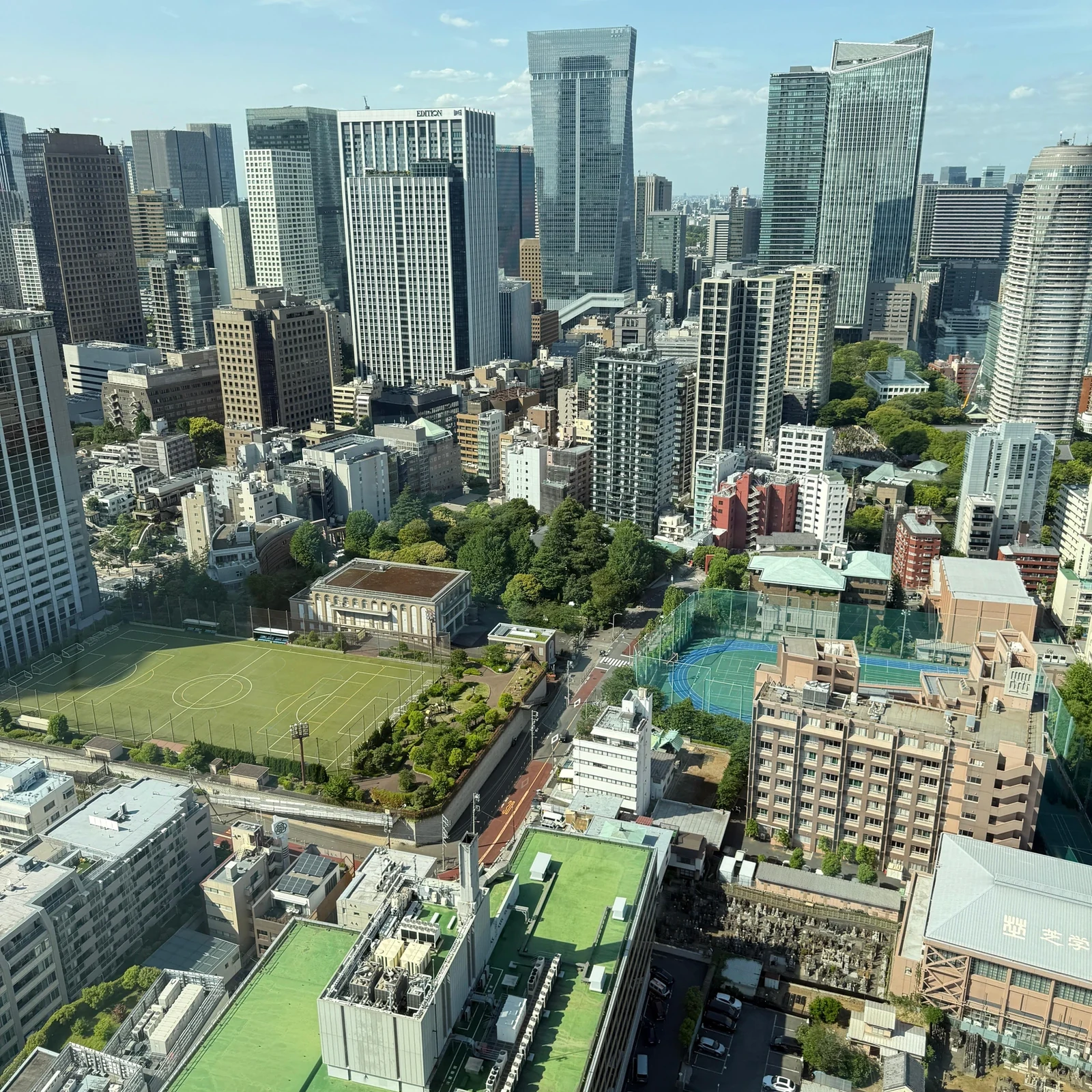
Tokyo Tower admission ticket for Tokyo’s classic observation deck
Book your Tokyo Tower admission ticket in Tokyo and enjoy the 150 m Main Deck, optional 250 m Top Deck Tour and panoramic city views.
The best time to visit Tokyo is usually between late March and May, or between October and November. During these months, the city breathes more easily: parks fill with flowers or reddish leaves, the air feels gentler, and walking for hours through Shibuya, Asakusa, Ueno or Yanaka does not require the stamina demanded by a humid summer or the heavy layers of deep winter.
But Tokyo changes dramatically with the seasons. It is not the same city beneath the cherry blossom trees of Ueno as it is under June’s rain-soaked neon lights, nor does it have the same rhythm in August, when the heat clings to your skin, as it does in November, when the gardens seem to slowly catch fire.
Compare locations and options to find a base that suits your trip. Booking.com confirms current availability and pricing.
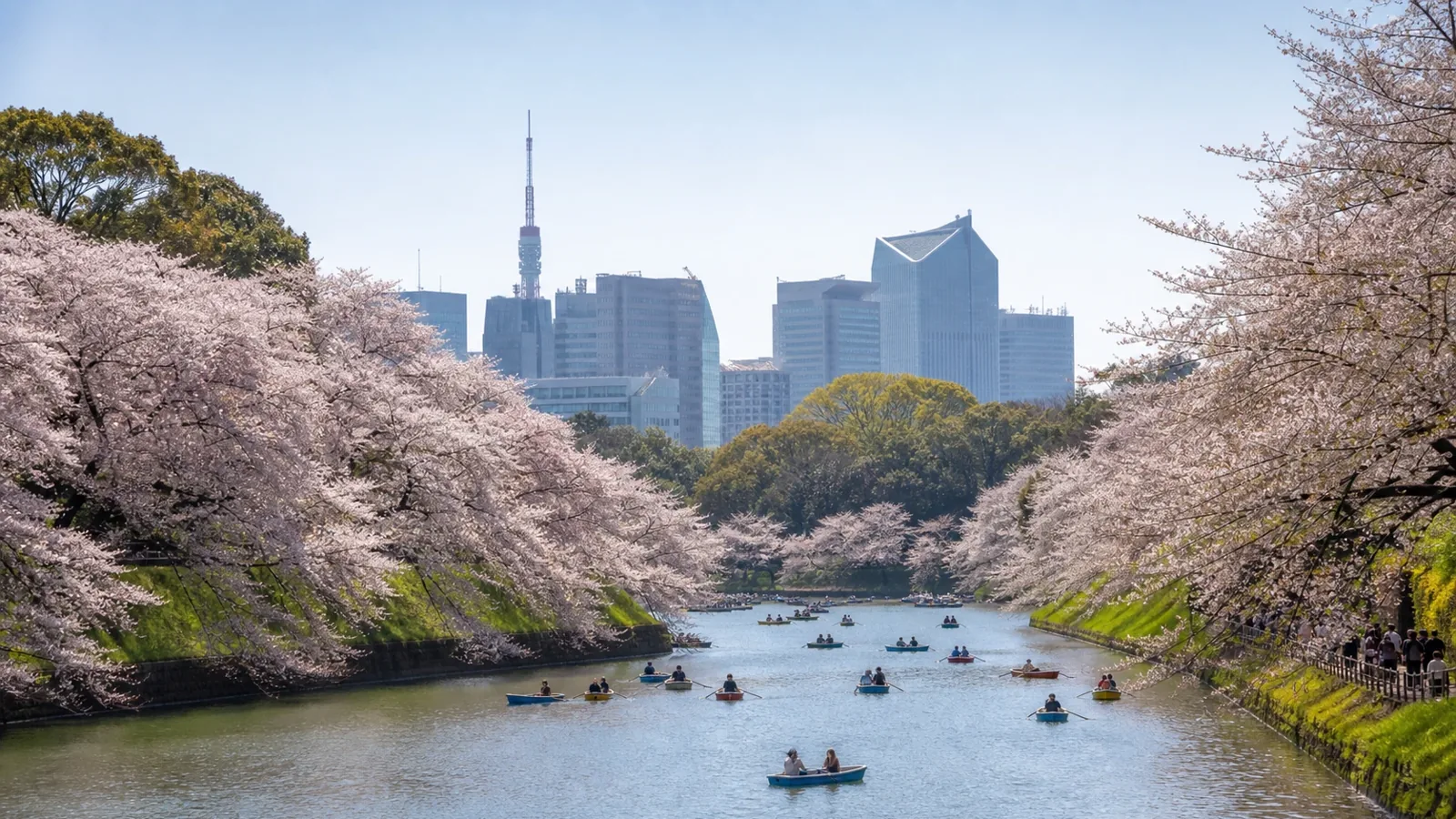
Find accommodation on BookingSpring is the most dreamed-of image of Tokyo. The cherry blossoms soften the city: the concrete seems less harsh, the canals turn pink, and the parks fill with people enjoying hanami, the tradition of admiring the blossoms beneath the trees. Tokyo’s official guide highlights spring as the season of the mildest weather and the long-awaited cherry blossoms. gotokyo.org
The most famous moment is usually concentrated between late March and early April, especially in places such as Ueno Park or the Meguro River, where JNTO places Tokyo’s usual bloom within that window. japan.travel
Tokyo becomes effortlessly photogenic. You can have breakfast near a tiny station, walk to a temple, cross a park scattered with petals and end the day in an izakaya as the city switches on its lights.
It is an ideal season for first-time visitors, couples, photographers, garden lovers and travellers who want to see Japan at its most delicate.
The blossom cannot be guaranteed. It may arrive earlier or later depending on the year, and rain can wash away in a few hours what many people have been waiting months to see. The most famous spots also get extremely crowded. Ueno, Meguro or Chidorigafuchi can be beautiful, yes, but also packed, slow-moving and far from intimate.
Those looking for silence may enjoy lesser-known parks, residential neighbourhoods or early-morning visits much more.
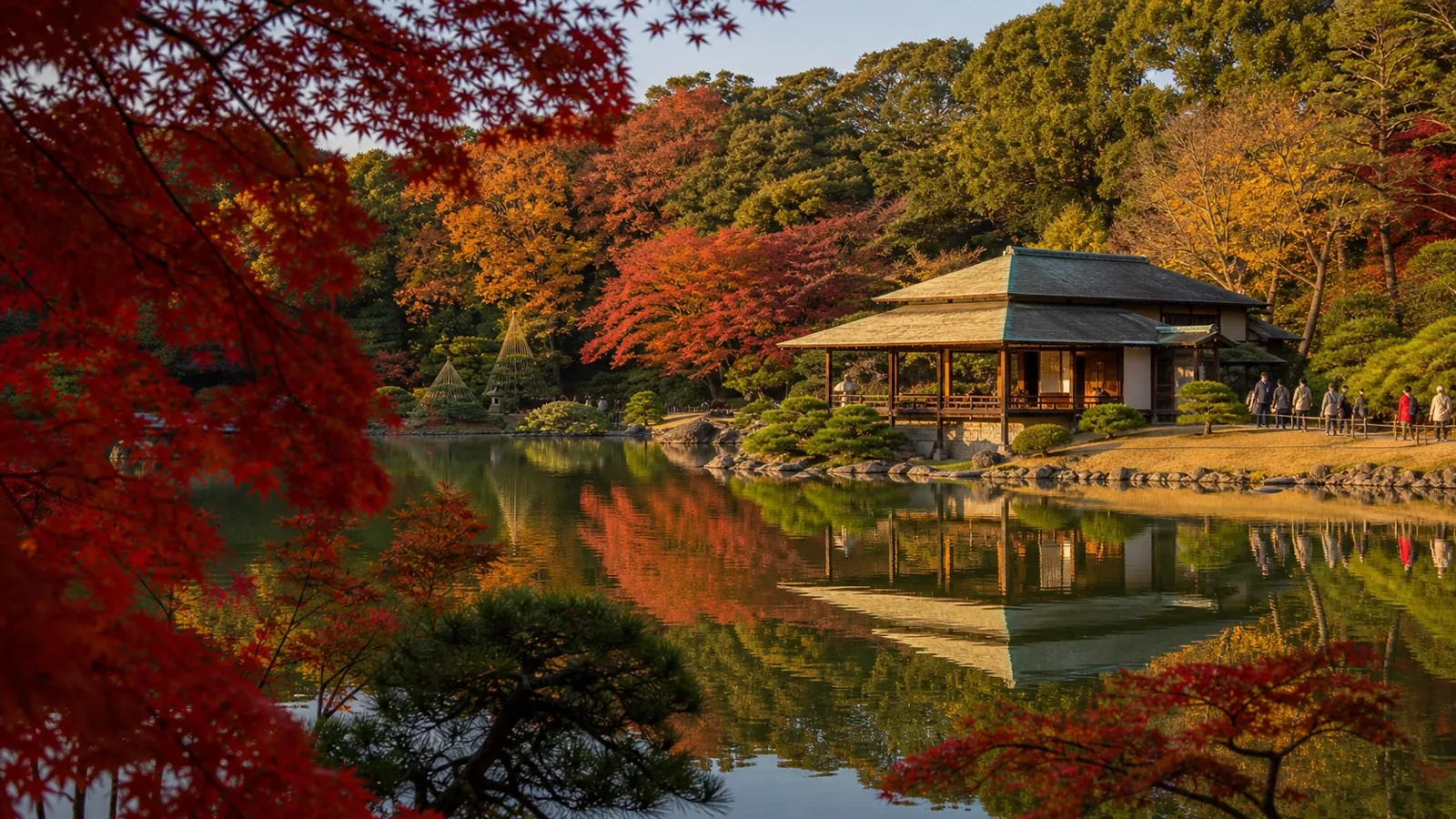
For many travellers, October and November are the most sensible choice. They do not have the pink drama of the cherry blossoms, but they offer a more mature kind of beauty: yellow ginkgo trees, red maples, clear afternoons and a lower light that makes temples and gardens feel deeper.
The weather also helps. According to the normal values of the Japan Meteorological Agency, Tokyo records an average temperature of 18°C in October and 12.5°C in November, compared with the warmer months of July and August. data.jma.go.jp
It is a comfortable season for walking. Tokyo is discovered on foot: underground passages, enormous avenues, ramen alleyways, stations that feel like indoor cities. With mild temperatures, the experience becomes much more enjoyable.
It is also a good time for those who want to combine Tokyo with nearby excursions, such as Nikko, Kamakura, Hakone or Mount Takao, where the autumn landscape often feels more natural than in the urban centre.
It is not some secret low season. Tokyo is a major tourist and business capital, so it is wise to book accommodation in advance. In addition, the autumn colours can vary quite a lot depending on the year and the area.
Summer has energy: fireworks, festivals, long nights, the sound of cicadas, fans in small shops and streets that seem never to sleep. Tokyo’s official website brings together seasonal summer activities, including events and fireworks. gotokyo.org
But it needs to be said clearly: July and August can be tough. The average temperature reaches 25.7°C in July and 26.9°C in August, and the humidity can make walking during the day feel heavy. data.jma.go.jp
Travellers who tolerate heat well, want to experience festivals, are looking for a lively nightlife atmosphere and do not mind planning their days with breaks: museums, shopping centres, cafés, public transport and longer outings at dusk.
Families with young children, people sensitive to heat or travellers who want to explore entire neighbourhoods on foot may end up exhausted. Tokyo demands energy, and summer takes its share.
Winter is not usually the first choice, but it has advantages. There is less spectacular greenery, yes, and the days are shorter. However, the air can be clear, interiors are warm, and the city keeps a more understated beauty: quiet temples, winter lights, steaming ramen, hot baths and cafés to take refuge in.
Tokyo’s official guide notes that in winter, highs are around 10°C and lows approach 2°C, so it is worth bringing layers and comfortable shoes. gotokyo.org
January and February can work well if you prefer to avoid some of the tourist pressure, pay less than during the major spring and autumn peaks, and experience a more everyday version of the city. It will not be the postcard Tokyo of flowers, but it may be a more liveable Tokyo.
June and part of July tend to be less rewarding months for a first trip. Rain does not necessarily ruin Tokyo — there are excellent museums, huge stations, galleries, cafés and covered neighbourhoods — but it does change the rhythm. Long walks become less spontaneous and urban views lose clarity.
If you travel at that time, it is best to accept it from the start: fewer parks, more indoor culture, more food and more room for improvisation.
If I had to choose honestly, I would say:
April, if you dream of Japanese spring and accept the crowds.
May, if you want good weather, more greenery and a city slightly less obsessed with cherry blossoms.
October, if you are looking for balance, comfort and good urban energy.
November, if you are drawn to autumn colours and prefer a beauty less fragile than the blossom.
The worst choice for most people would be August, not because Tokyo becomes less interesting, but because the heat and humidity can turn a fascinating city into a test of endurance.
The first mistake is travelling only for the cherry blossoms. They are beautiful, but they last a short time, attract large crowds and do not always appear when you want them to.
The second is underestimating summer. On a map, Tokyo looks easy; in August, after three transfers and a walk through intense humidity, it feels much bigger.
The third is not checking the local calendar. Tokyo has events throughout the year, from traditional festivals to exhibitions, theatre, markets and seasonal activities, and its official calendar is updated with current suggestions. gotokyo.org
The best time to visit Tokyo is autumn, especially October and November, if you are looking for comfort, beauty and balance. Spring is more iconic, but also more expensive, crowded and unpredictable. Winter can surprise those who value calm and clear skies. Summer, although vibrant, requires patience, planning and tolerance for heat.
Tokyo is worth visiting in almost any season, but not in the same way. Choosing the right dates does not only change the weather: it changes the kind of city you are going to find.
Choose experiences in Tokyo that suit your travel season, the weather and the pace you want for each day.
Activity on TourBookGoBook your Tokyo Tower admission ticket in Tokyo and enjoy the 150 m Main Deck, optional 250 m Top Deck Tour and panoramic city views.
 Activity on TourBookGo
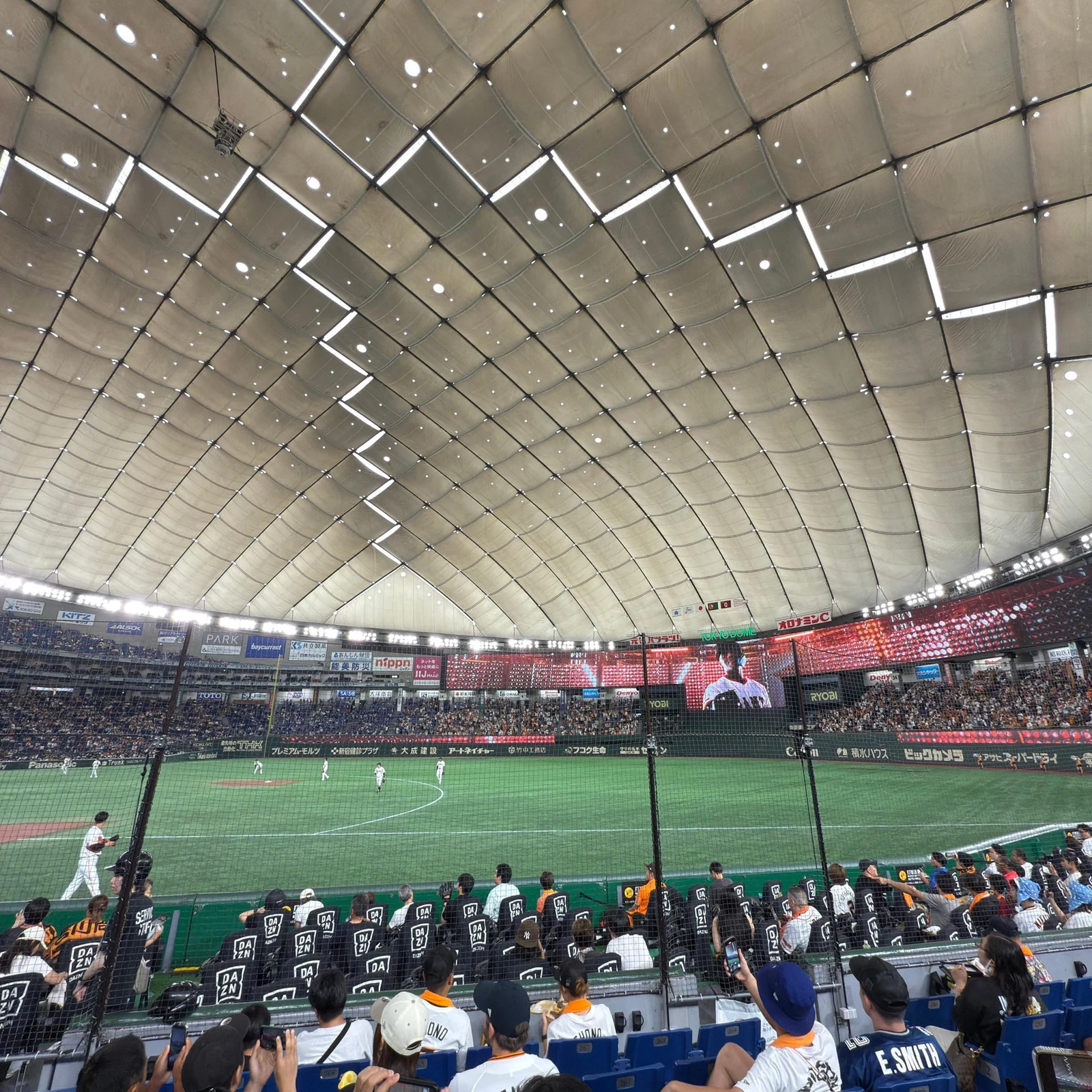
Book your Yomiuri Giants Tokyo Dome ticket and enjoy a Japanese baseball game in Tokyo with an assigned seat and official cheering towel.
 Activity on TourBookGo
Book a Tokyo true crime and ghost stories tour: 3 hours through Shinjuku, Kabukicho, Toyama Park and Aoyama Cemetery. From €32.