 Activity on TourBookGo
Shinjuku food tour: 13 Japanese tastes under Tokyo’s neon lights
Shinjuku food tour with 13 Japanese dishes, 4 eateries, English-speaking guide, Omoide Yokocho, Kabukicho, 3 hours and booking on GetYourGuide.
Where to eat in Tokyo makes more sense when you stop chasing “the best restaurant” and start looking for the right moment: a hot bowl after walking in the rain, a fish breakfast in Toyosu, skewers at nightfall or a tray of prepared food from a depachika.
If you are wondering where to eat in Tokyo on a first visit, start by accepting that the city does not reveal itself at a single table. It hides in tiny ramen counters, station basements, smoky grilled izakayas, dawn fish markets, silent sushi counters and patisseries where every box feels like a ceremonial object.
Compare locations and options to find a base that suits your trip. Booking.com confirms current availability and pricing.
Find accommodation on BookingTokyo is not understood through a single dish. Sushi, ramen, tempura, tonkatsu, Japanese curry, yakitori, izakayas, markets and prepared food all form part of the same culinary scene where luxury and everyday life coexist naturally.
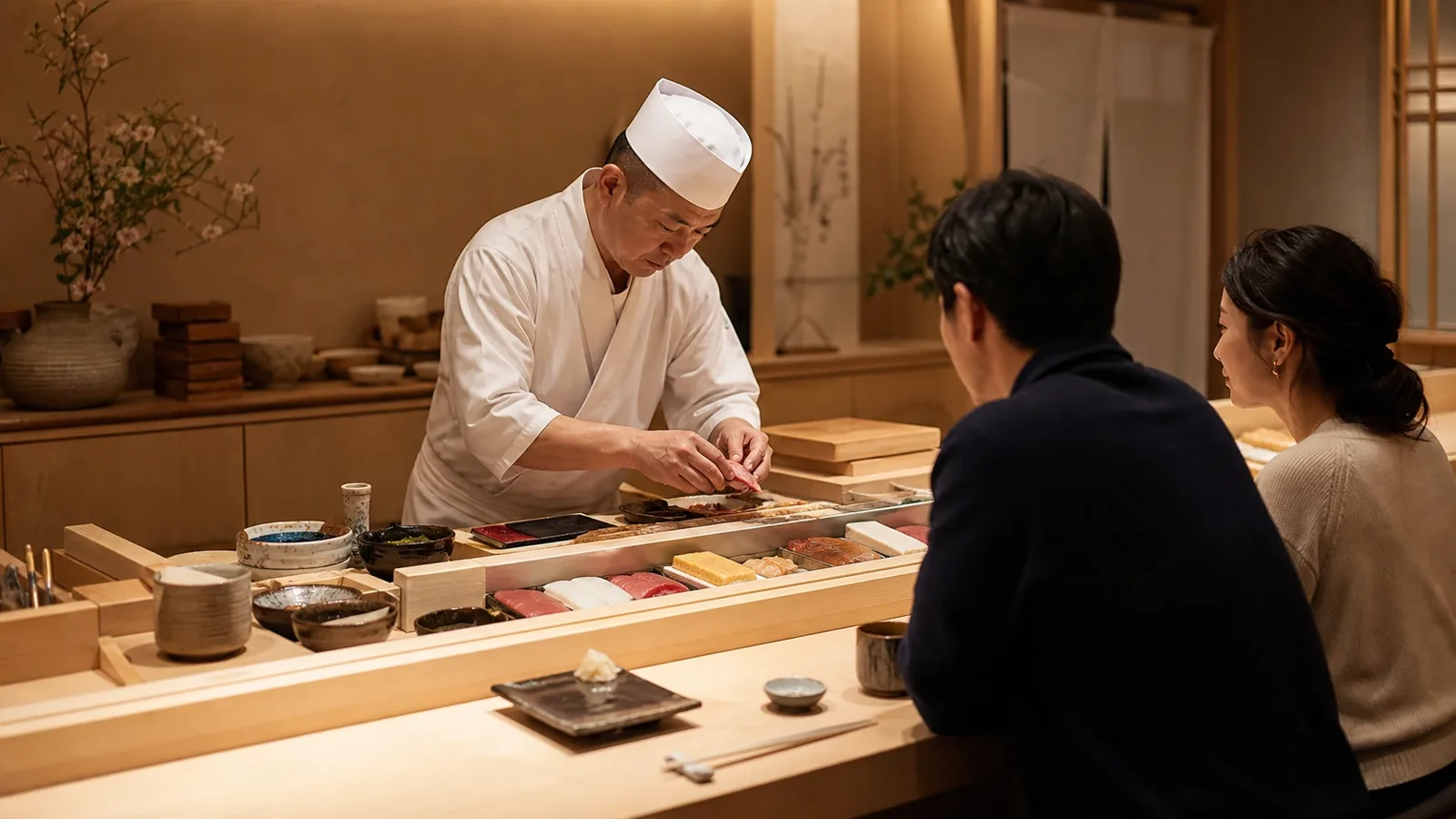
Tokyo is an extraordinary city for sushi, but it helps to tone down the myth a little. You do not need to book an expensive omakase to enjoy it. There are simple counters, conveyor-belt restaurants and neighborhood spots where the fish is fresh, the rice is well prepared and the experience feels much more relaxed.
Toyosu Market is now the city’s main wholesale market and brings together restaurants where people eat breakfast very early, often alongside market workers themselves. The market’s official website states that restaurants are spread across its buildings and that many operate from the early hours of the morning due to the market’s own schedule.
ザ・豊洲市場〖公式〗 | 豊洲市場に関する様々な情報をご紹介します。
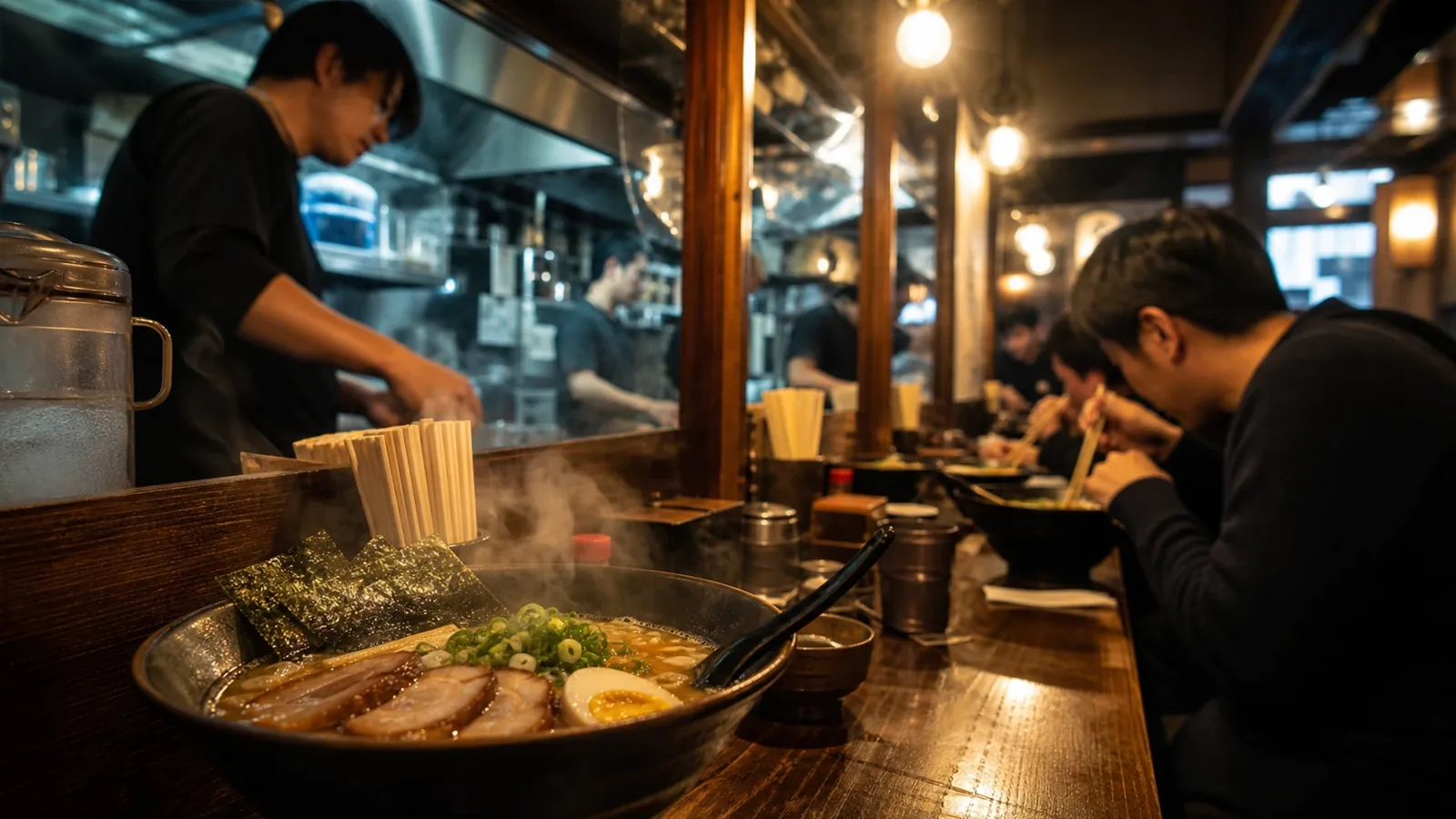
Ramen is one of the best gateways into Tokyo: quick, intense, affordable and perfect for solo travelers. Shoyu, miso, shio, tonkotsu, tsukemen… each style changes the character of the dish. The less romantic side is that some famous shops have long queues and little patience for anyone who does not know how to order from the ticket machine. Check how the system works beforehand, carry cash just in case and avoid peak hours.
Tokyo is not all raw fish. A good tonkatsu — breaded pork, crisp on the outside and juicy inside — can be a memorable meal. Tempura, when done well, is light, precise and almost airy. And Japanese curry, sweeter and thicker than other Asian curries, is an easy, inexpensive and deeply comforting option.
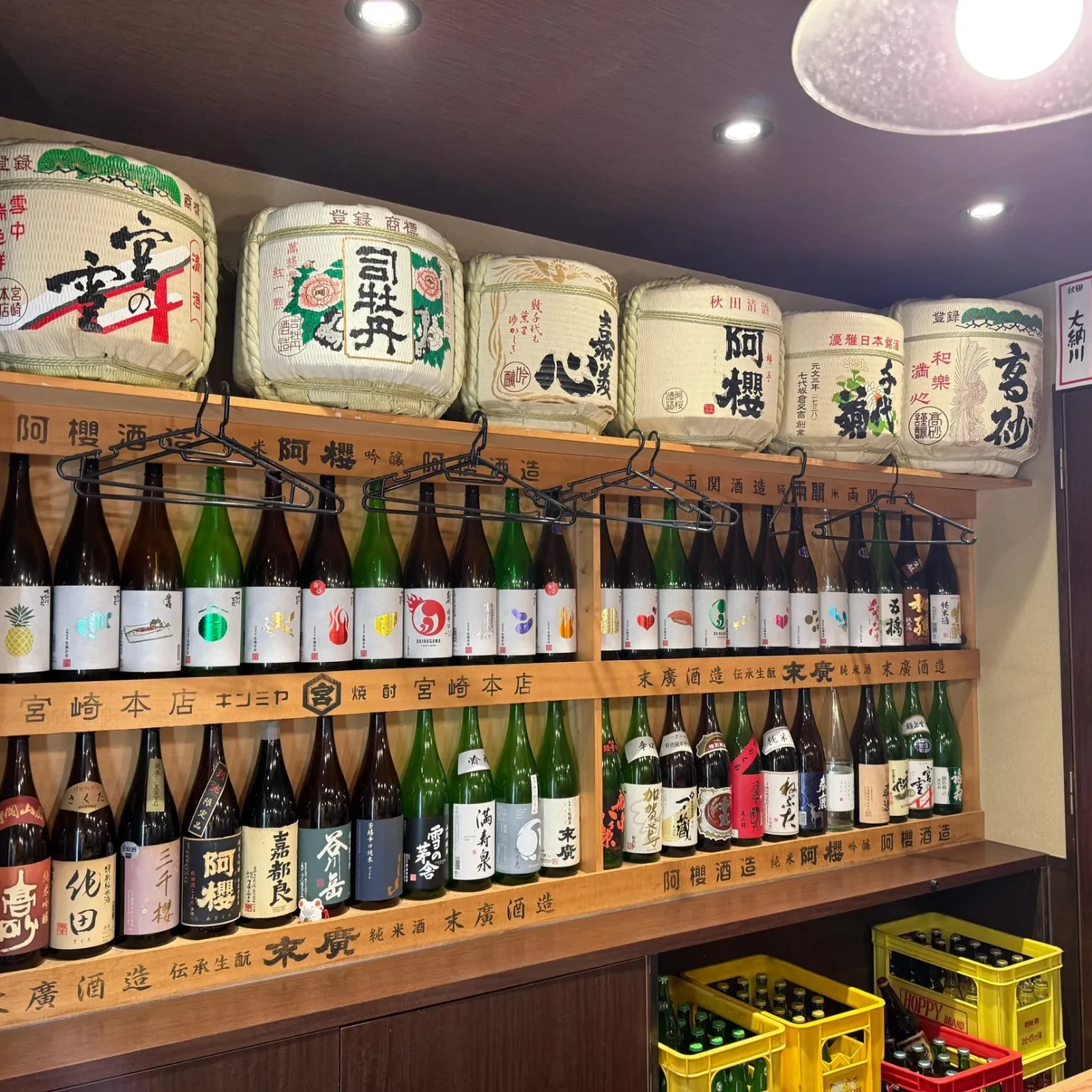
At night, Tokyo changes texture. In alleyways near stations such as Shinjuku, Yurakucho or Ueno, narrow counters, lanterns, glasses of ice-cold beer and the smell of charcoal-grilled chicken appear. Izakayas are ideal for trying several small dishes, but they are not always cheap if you order without paying attention. There may also be a table charge or otoshi, a small starter that is charged even if you did not ask for it.
Tokyo has very different areas for eating: fish markets for early breakfasts, nighttime districts with ramen and izakayas, elegant neighborhoods for serious sushi and more relaxed streets where you can eat well without so much formality.
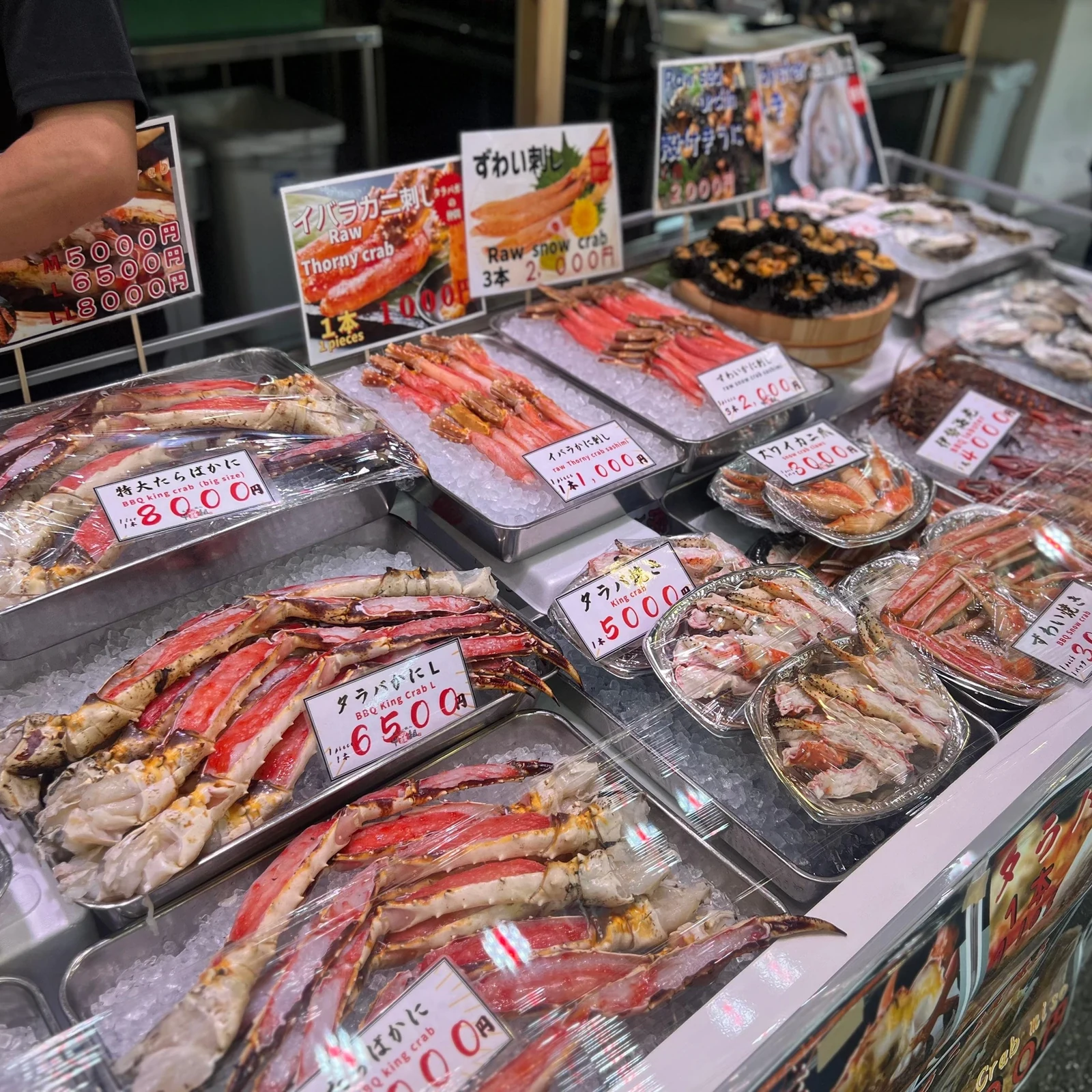
Although the wholesale market moved to Toyosu, Tsukiji Outer Market is still alive with restaurants, knife shops, food stalls and places serving sushi, sashimi, ramen and other dishes. The Japan National Tourism Organization notes that, although the fish market moved to Toyosu, many seafood restaurants and other food businesses remain in Tsukiji.
Travel to Japan
The best way to enjoy Tsukiji is to go early, hungry and without obsessing over the most viral stall. The downside: it can be very crowded, some offerings have become more expensive and not everything that shines on social media is worth the queue.
Toyosu is more orderly, modern and less romantic than old Tsukiji, but it is interesting for anyone who wants to see the more institutional and enormous side of the fish trade. Go Tokyo describes Toyosu as the wholesale hub where more than 500 varieties of seafood products arrive from Japan and other countries.
gourmet.gotokyo.org
It is worth visiting if you are interested in fish culture, early breakfasts and an experience more closely tied to the real market. It may disappoint you if you are expecting old alleyways, photogenic chaos or the “traditional” scene many people imagine.
Shinjuku is intense, bright and slightly chaotic. It is a good area for dinner without a perfect plan: ramen, yakitori, tonkatsu, small bars and restaurants open late. It is also an area where you can end up in tourist-oriented places of uneven quality, especially if someone is a little too eager to invite you in.
Ginza and Nihonbashi are areas for a more polished meal: serious sushi, kaiseki, refined tempura, wagashi and department stores with immaculate food basements. They are more expensive neighborhoods, but also calmer and easier for anyone looking for a carefully curated experience without too much noise.
Ueno and Asakusa offer a more down-to-earth Tokyo: stalls, izakayas, traditional sweets, soba, tempura and street food. Kichijoji, meanwhile, combines cafés, small counters, modern shops and a more relaxed local atmosphere. These are good areas for anyone who wants to eat well without feeling trapped inside a luxury showcase.
Tsukiji remains the easiest option for travelers: accessible, tasty, visual and full of temptations. Toyosu is more interesting for those seeking context and quality product. In addition, Toyosu Senkyaku Banrai, next to the market, brings together restaurants and stalls serving sushi, eel, ramen, sweets and other specialties in a space inspired by the atmosphere of the Edo period.
gotokyo.org
That said, no market should be treated like a theme park. Walk respectfully, do not block entrances, do not touch products without permission and remember that many of these places exist first for work, not for posing.
Tokyo can be expensive, but it also lets you eat very well on a moderate budget. Ramen, soba, udon, curry, gyudon and tonkatsu chains are a traveler’s allies. Convenience stores surprise visitors with the quality of their onigiri, sandwiches, bentos and sweets. Supermarkets discount prepared food at the end of the day, and depachika offer excellent products, though not always cheap ones.
To save money without giving up pleasure, alternate one special meal with simpler ones. Eating in Tokyo does not require constant luxury; sometimes the happiest memory will be an onigiri in the rain or a bowl of soba in a station.
The most common mistake is chasing only viral restaurants. In Tokyo, a long queue does not always mean a superior experience; sometimes it just means the algorithm got there before you. Another mistake is improvising important dinners in very popular areas on weekends. For small restaurants, it is worth booking when possible or going at less obvious times.
You should also be careful with places that have overly aggressive tourist menus, giant photos and unclear prices. That does not mean they are bad, but it does mean it is worth checking before you sit down. In izakayas, ask or check whether there is a table charge. At high-end sushi restaurants, respect the rules: punctuality, little perfume, responsible cancellations and attention to the chef’s rhythm.
Tokyo is a magnificent city for curious travelers, lovers of great ingredients, people who enjoy eating alone, couples looking for memorable dinners and anyone who values both a humble counter and a refined restaurant. The 2026 edition of the Michelin Guide Tokyo features 526 selected restaurants, a figure that helps convey the city’s culinary density, from haute cuisine to Bib Gourmand and recommended spots.
michelin.com
It may disappoint those who expect to improvise everything without queues, those who need extensive menus in Spanish or English everywhere, or those traveling with very restrictive diets without preparing basic Japanese phrases. Tokyo is generous, but it does not always explain its rules out loud.
In winter, hot dishes — ramen, nabe, oden — taste better than ever. In spring, the city becomes delicate and festive, though also more crowded. In summer, the heat and humidity can make markets and queues less appealing, but cold dishes, kakigori and lighter meals appear. In autumn, Tokyo becomes especially pleasant for walking, eating out and enjoying seasonal products.
Eating in Tokyo is very much worth it if you accept that you will not be able to try everything. That is perhaps the city’s first lesson: it is not conquered with endless lists, but with attention. Choose a few restaurants, leave room for chance and do not measure every meal by its fame.
Tokyo can give you an unforgettable dinner at a silent counter, but also simple happiness in a supermarket tray, a hidden café or a soup eaten standing beside tired office workers. Its culinary greatness is not only in luxury; it is in the everyday precision with which even the humblest things seem to be made with care.
Markets, izakayas, sushi counters and areas such as Tsukiji, Toyosu and Shinjuku help explain Tokyo’s food scene before you decide where to eat.
Activity on TourBookGoShinjuku food tour with 13 Japanese dishes, 4 eateries, English-speaking guide, Omoide Yokocho, Kabukicho, 3 hours and booking on GetYourGuide.
 Activity on TourBookGo
Book a Tsukiji Fish Market guided walking tour in Tokyo and explore Tsukiji Outer Market, Tsukiji Hongan-ji and local stalls with an English-speaking guide.
 Activity on TourBookGo
Book a Shinjuku bar and izakaya tour with a local English-speaking guide. Explore Omoide Yokocho, Kabukicho and Golden Gai. 3 hours from €29.