

Book a Valencia Oceanogràfic ticket with access to every exhibition, the underwater tunnel and more than 45,000 marine creatures.
View experienceThinking Valencia is only about the beach
The beach is part of Valencia, but it does not define the city. Staying only around Malvarrosa or the seafront promenade means missing much of its character: the old town, the markets, neighbourhoods with real local life, the Turia Gardens, the huerta and that blend of Gothic, modernist and futuristic architecture that makes the city so distinctive.
The beach can be pleasant, especially at sunset or outside the busiest months, but it does not always match the idyllic image some visitors expect. In high season it can be crowded, intensely hot and quite urban in atmosphere. Those looking for quiet coves and picture-perfect water may want to combine Valencia with other parts of the Valencian Community.
Eating paella just anywhere: one of the key mistakes to avoid in Valencia
Paella in Valencia is one of the city’s great symbols, but also one of its most common traps. In very touristy areas, restaurants offering paella at all hours are everywhere, sometimes serving versions designed more for visitors in a hurry than for those who want to try something close to the local tradition.
It is wise to be wary of overly pushy menus, flashy photos and places that promise everything at once: paella, tapas, sangria, burgers and international cuisine. A good paella usually requires time, a reservation and a little patience. It is not always served exactly when the traveller feels like eating it, and that is part of the experience.
Not booking ahead at the most sought-after restaurants
Valencia has established itself as a serious food city. There is traditional cooking, creative cuisine, neighbourhood bars, rice restaurants by the sea and places that work with local produce with real sensitivity. But improvising at weekends, on public holidays or in high season can go wrong.
The mistake is not eating without a reservation, but expecting the most recommended places to have a table free at precisely the right moment. For a special meal, especially if you want to try Valencian rice dishes somewhere good, it is better to plan a little in advance.
Visiting the City of Arts and Sciences only for the photo
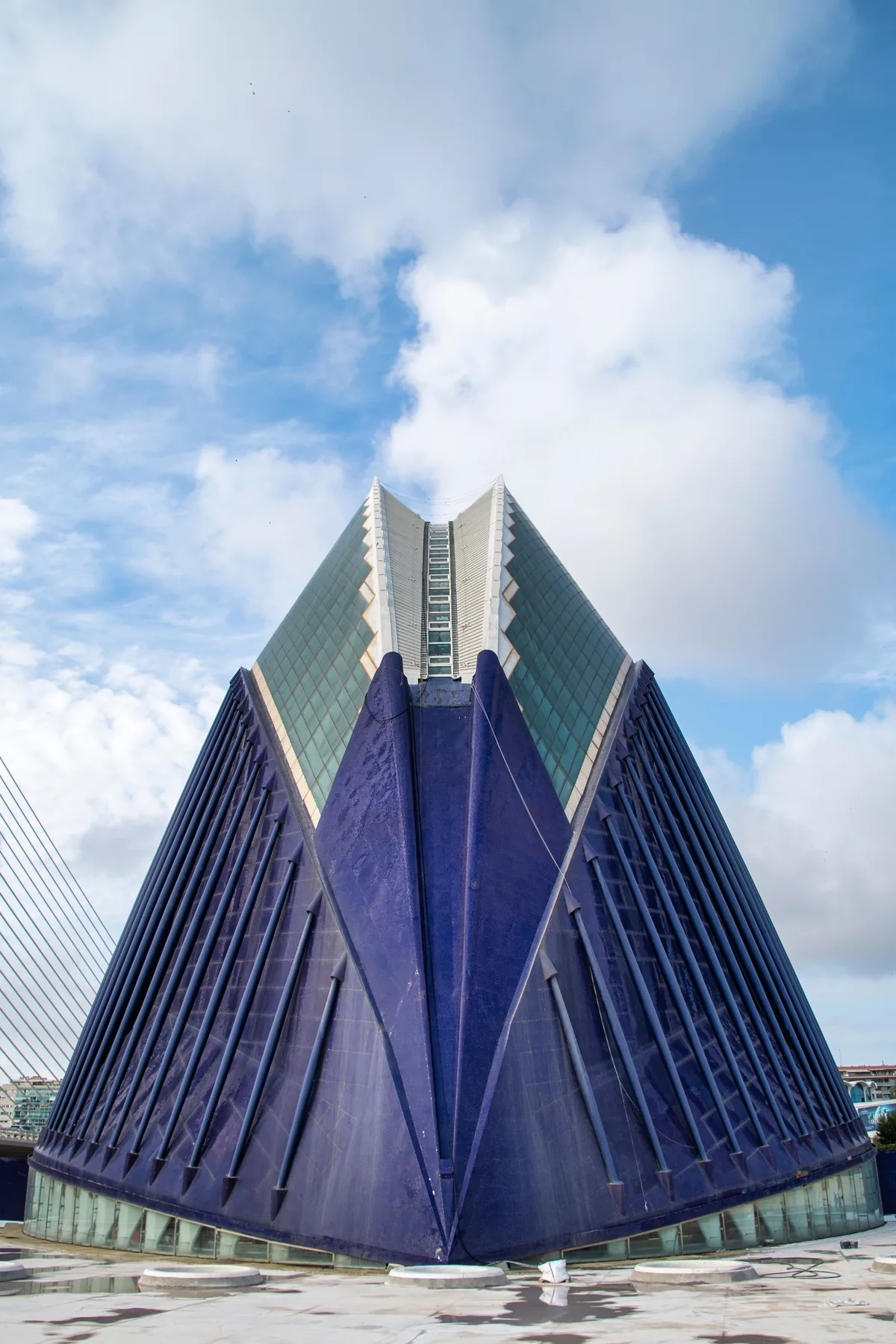
The City of Arts and Sciences in Valencia is impressive. Its white, almost sculptural shapes seem to float over the water under a very Valencian light. But many travellers arrive, take a few quick photos and leave without considering whether they actually want to go inside any of the buildings or simply admire the complex from the outside.
Not every venue will appeal to everyone. Some visits work better with children, others for lovers of science, architecture or aquariums. Before buying tickets, it is worth weighing up how much time you have and what kind of trip you want. For some, it will be an essential visit; for others, a walk around the outside in the late afternoon will be enough.
Underestimating the heat and humidity
Valencia can be gentle in spring and autumn, but in summer the heat clings to your skin. It is not always a dry, light heat: the humidity can make hours of walking through the centre, waiting under the sun or visiting open spaces exhausting.
The typical mistake is planning the day as if the climate did not matter. In the hottest months, it is better to get up early, rest during the middle of the day, look for shade, stay hydrated and leave longer walks for the evening. Valencia is much more enjoyable when you adapt to its climatic rhythm rather than fight against it.
Thinking everything is right next to everything else
The historic centre, Ruzafa, the Turia Gardens, the City of Arts and Sciences and the beach are not all side by side. Valencia is comfortable, but it is not tiny. Walking is wonderful in many areas, but trying to do everything on foot can lead to unnecessary fatigue.
Public transport, bicycles and taxis or ride-hailing services can be useful depending on your plans. The old Turia riverbed is ideal for moving calmly through green spaces, but it is not always a substitute for good planning. Choosing the right area to stay in also helps: nightlife, beach, cultural visits and peace and quiet all point to different choices.
Ignoring neighbourhoods beyond the centre
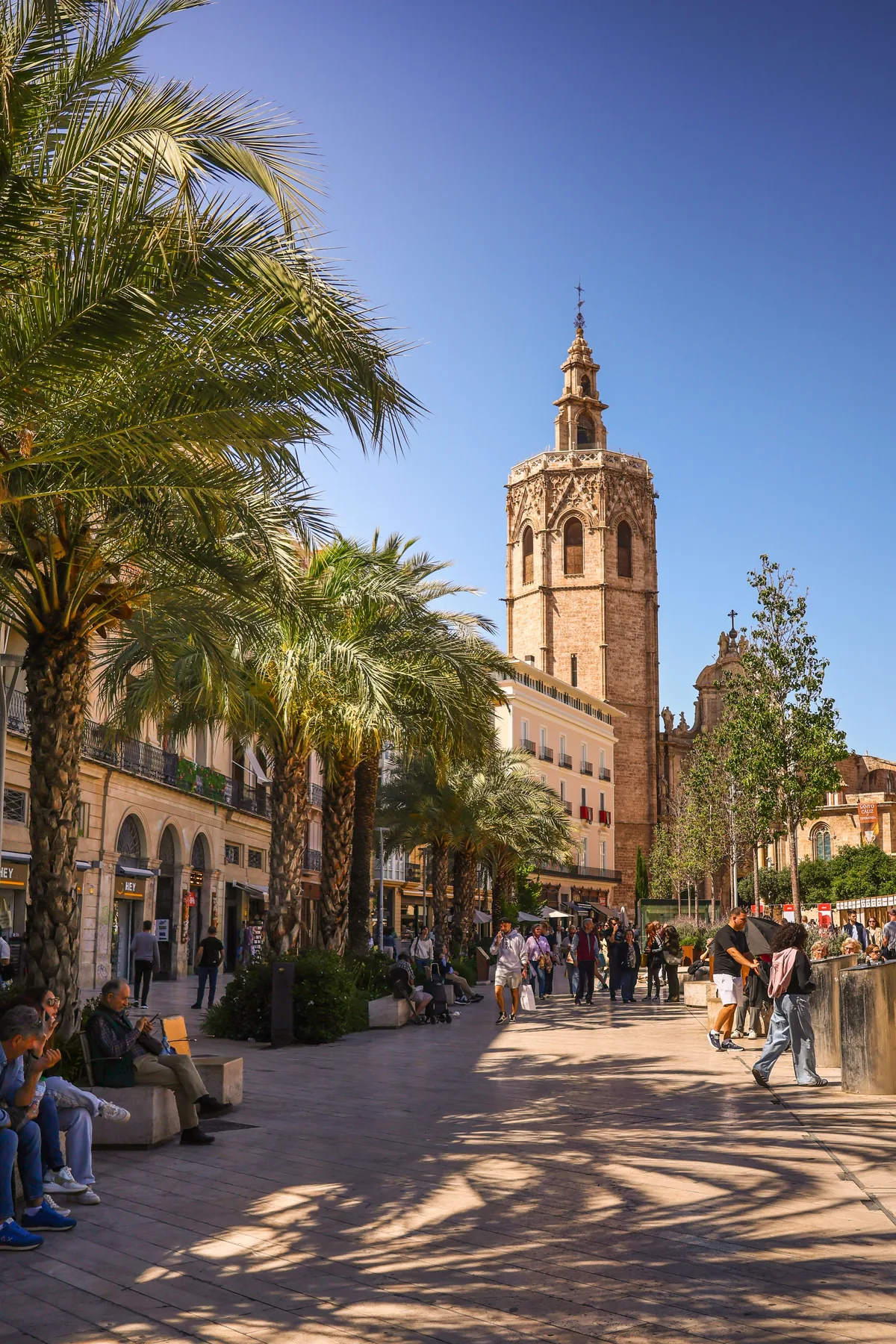
The Cathedral, the Silk Exchange, the Miguelete and the Central Market deserve time, but Valencia cannot be understood through its monuments alone. Ruzafa has a contemporary energy, with cafés, galleries, shops and restaurants. El Cabanyal preserves a seafaring personality, sometimes beautiful, sometimes uneven, with streets of colourful façades and a history of its own. Benimaclet still has something of a young, alternative neighbourhood feel.
The mistake is staying only within the monumental axis. Valencia reveals itself better when the major sights are combined with areas where everyday life carries on: shutters rising early, the smell of a bakery, conversations on terraces, bicycles crossing through the sun and neighbours who still recognise their own barrio.
Going to Las Fallas without understanding what they involve
Las Fallas in Valencia are an intense, noisy and deeply local experience. For some travellers, they can be fascinating: ephemeral art, gunpowder, music, occupied streets, collective emotion. For others, they can feel overwhelming: constant noise, road closures, crowds, difficulty sleeping and higher prices.
The mistake is not going to Valencia during Las Fallas, but going without knowing what to expect. Anyone looking for calm may prefer to avoid those days. Anyone who wants to experience the festival should book well in advance, accept some discomfort and understand that the city changes completely. During Las Fallas, you do not simply visit Valencia: you move through a celebration that takes over almost everything.
Choosing accommodation based only on price
Cheap accommodation can end up being expensive if it is far from what you want to do or in an area with poor connections. Valencia has very different districts: the centre is practical for cultural visits; Ruzafa appeals to those looking for atmosphere; the beach area can work well for summer trips; other neighbourhoods offer more peace or more moderate prices.
Before booking, it is worth thinking about the kind of trip you want. If your plan is cultural, staying by the sea may not be worth it. If the priority is the beach, staying right in the centre may mean daily journeys. There is no universally best area: it depends on your pace, the season and your expectations.
Treating the city as a tourist backdrop
Valencia is not just a postcard of light, orange trees and white architecture. It is a living city, with residents, schedules, customs and tensions of its own. In markets, traditional bars and residential neighbourhoods, it is worth moving with respect: do not block entrances to take photos, do not treat shops as stage sets, do not raise your voice too much at night, and do not forget that many pretty streets are also someone’s home.
Local interaction is usually easy if you travel politely. A greeting when entering, patience in busy bars, genuine interest in the food and a less intrusive attitude open more doors than any list of recommendations. In Valencia, as in many Mediterranean cities, the traveller who observes without imposing tends to receive a more authentic experience.
Not looking beyond the city
Valencia has enough to fill several days, but its surroundings add depth to the trip. The huerta, Albufera from Valencia, nearby villages and some natural landscapes help you better understand the city’s relationship with water, rice and the land. There is no need to turn the getaway into an exhausting route, but setting aside half a day or a full day to leave the urban core can greatly change your perception of the destination.
Albufera, for example, can be beautiful at sunset, although it may also disappoint those expecting a wild and solitary experience. It is a delicate landscape, shaped by the season, the light and the number of visitors.
Overloading the itinerary
Valencia invites you to walk slowly. Enter the Central Market without rushing, cross Plaza de la Virgen as the light falls, sit in the Turia, look at modernist façades, have a drink on a terrace, listen to the sound of a kitchen preparing rice. If the trip becomes a race between monuments, part of its charm is lost.
A complete getaway should not be confused with an overpacked schedule. Valencia works best with balance: a cultural visit, a long walk, a good meal, a different neighbourhood and time to let the city breathe.
So, how can you avoid getting Valencia wrong?
The key is not to simplify it. Valencia is Mediterranean, yes, but it is also historic, gastronomic, festive, modern, popular and at times uncomfortable in high season. It can be bright and welcoming, but also hot, noisy or very crowded depending on the moment.
It is very worthwhile for those looking for a Spanish city with good weather, excellent food, heritage, a nearby beach and urban life without the overwhelming scale of Madrid or Barcelona. It may not be the best choice for anyone dreaming of pristine beaches, absolute silence or a getaway with no planning during peak demand.
The biggest mistake in Valencia is seeing it in a hurry. The city rewards those who find the right rhythm: neither too slow nor too ambitious. With good timing, respect for local life and a little curiosity beyond the obvious, Valencia stops being a pretty getaway and becomes a city with texture, flavour and memory.