 Activity on TourBookGo
Oceanogràfic and Science Museum Combined Ticket in Valencia
Book an Oceanogràfic and Science Museum combined ticket in Valencia. Visit both attractions in one day without queuing to buy tickets at the ticket office.
If you are wondering what to do in Valencia, start by slowing down. The city is best enjoyed through clear light, honey-coloured façades, orange trees in quiet squares, bicycles crossing the old Turia riverbed and a Mediterranean Sea that appears at the end of avenues like a calm promise.
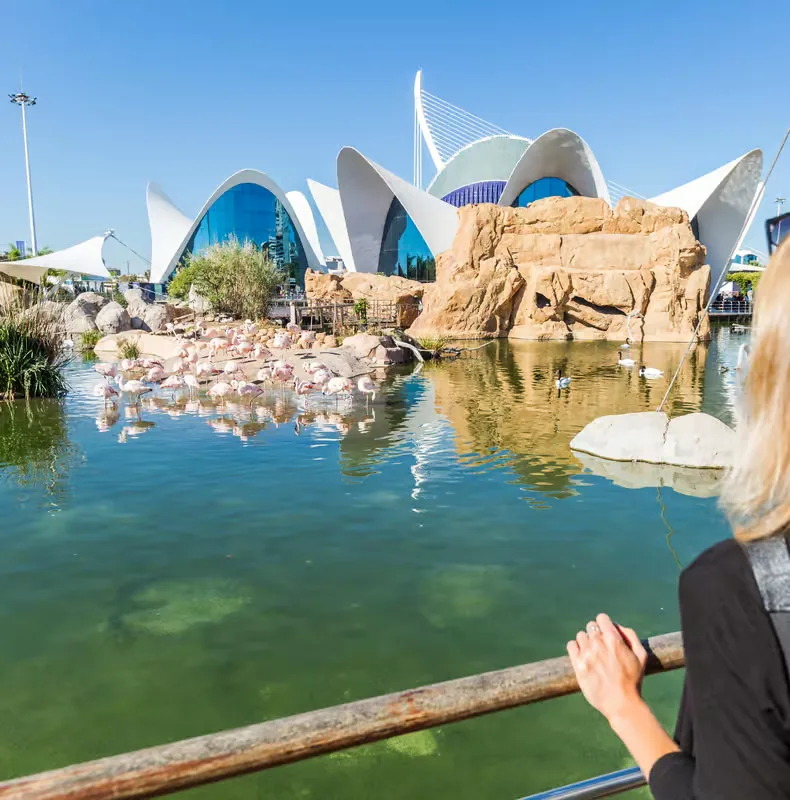
What to do in Valencia depends on how you want to feel the city: a morning in Valencia historic centre, a wander through the Central Market, a bike ride through the Turia Garden, sunset at the City of Arts and Sciences, easy beaches and a gentle escape to La Albufera. It does not overwhelm like Madrid or display Barcelona’s theatrical intensity; its charm lies elsewhere, in its blend of history, beach, market gardens, futuristic architecture and local life that still keeps its own rhythm.
Compare locations and options to find a base that suits your trip. Booking.com confirms current availability and pricing.
Find accommodation on BookingThe old town deserves a full morning. Plaza de la Virgen, the Cathedral, El Miguelete, the Basilica and the little streets of El Carmen reveal Valencia at its most medieval, with golden stone, narrow balconies and terraces where time seems to lower its voice. Nearby, La Lonja de la Seda recalls the city’s commercial wealth and ranks among Valencia’s great historic monuments.
That said, it is best not to expect a perfectly silent, immaculate old town. Some streets are beautiful, others a little neglected, with touristy areas and squares where the noise of café terraces weighs more heavily than quiet contemplation. Even so, if you walk early in the morning or towards dusk, Valencia offers moments of remarkable delicacy.
Valencia Central Market is not just a place to shop: it is a living scene. Stained glass, ironwork, ceramics, gleaming fruit, salted fish, spices, vendors’ voices and that clean scent of fresh produce that speaks of the nearby market gardens and the sea. It is one of the best ways to understand the city without stepping into a museum.
The common mistake is to go late, when part of the market’s energy has faded. It is better to visit in the morning and then continue on to La Lonja or Plaza Redonda.
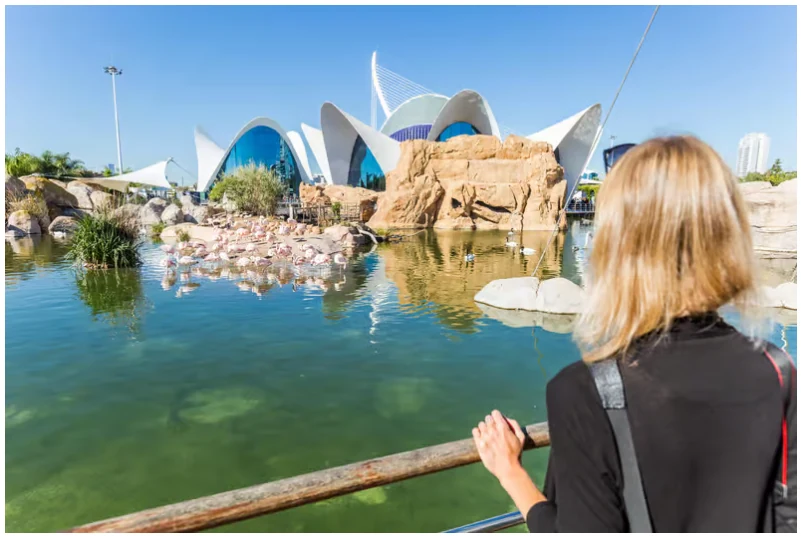
The most photographed side of Valencia appears at the end of the Turia Garden: white, curved, almost unreal. The City of Arts and Sciences brings together spaces such as the Oceanogràfic, the Hemisfèric and the Museu de les Ciències, and works especially well for families, architecture lovers and travellers who enjoy interactive museums.
It may disappoint anyone looking only for historic authenticity. It is spectacular, certainly, but also very busy and monumental in scale. My advice: see it from the outside even if you do not go into all its buildings. The sunset light over the reflecting pools justifies the walk.
The former riverbed of the Turia has become one of Valencia’s great urban pleasures. It is a long, green, everyday park, with bridges, gardens, sports areas and paths linking the centre with the City of Arts and Sciences. Exploring the Turia Garden by bike is one of the most natural ways to understand how Valencia connects neighbourhoods, green spaces and contemporary architecture.
Cycling makes sense here. Not as a forced tourist activity, but as a natural way to read the city. Even so, in high season some stretches can get busy, so it is worth cycling calmly.
Valencia has both urban beaches and wilder ones. Malvarrosa, Cabanyal and Patacona are easy, wide and convenient: good for walking, swimming, having a drink or eating by the sea. For a more natural feel, El Saler, La Garrofera and La Devesa offer dunes and a less built-up landscape within the Albufera area. Valencia’s coastline stretches for almost 20 kilometres along the Mediterranean.
The less ideal side: in summer, the urban beaches can be crowded, and some restaurants along the promenade rely too heavily on passing visitors. For a more peaceful experience, it is better to go early, avoid very hot weekends or head towards El Saler.
The most Valencian excursion is La Albufera. There is no need to turn it into an epic adventure: simply reach El Palmar, walk among the rice fields, eat at leisure and take a boat trip if the weather allows. It is a low-lying landscape of still water and wide skies, where sunset often has an almost silent beauty.
It is well worth it for couples, photographers, slow travellers and anyone who wants to connect paella with its landscape. It may disappoint those expecting a dramatic or mountainous natural park: here, beauty is horizontal, slow and agricultural.
For those who want to combine nature and the sea, El Saler is one of the best outings from Valencia. It is close enough for an easy escape and far enough from the centre to feel the city being left behind. It is ideal for walking, swimming away from the urban atmosphere and breathing in a less domesticated Mediterranean.
Valencia is not a city especially associated with rain, but when the sky closes in, its museums make good refuges. The IVAM, the Museum of Fine Arts, the Science Museum and La Lonja are good options for turning a grey day into a cultural one. Covered markets, theatre, concerts and long meals also work beautifully when you want to stay indoors.
It is also a good moment for Mercado de Colón, an indoor horchata or a long, guilt-free lunch. Rain in Valencia does not ruin the trip; it simply makes it more inward-looking.
Strolling through El Carmen, crossing the Turia Garden, stepping into open churches, admiring the façade of the Central Market, visiting the Torres de Serranos, walking along the beach or contemplating the City of Arts and Sciences from the outside are free or almost free plans that let you enjoy the city without spending too much.
Valencia has one great virtue: many of its best scenes happen outdoors. Light on the squares, the scent of orange blossom in season, the bridges over the Turia, the sea at the end of the tramline. Not everything valuable here requires a ticket.
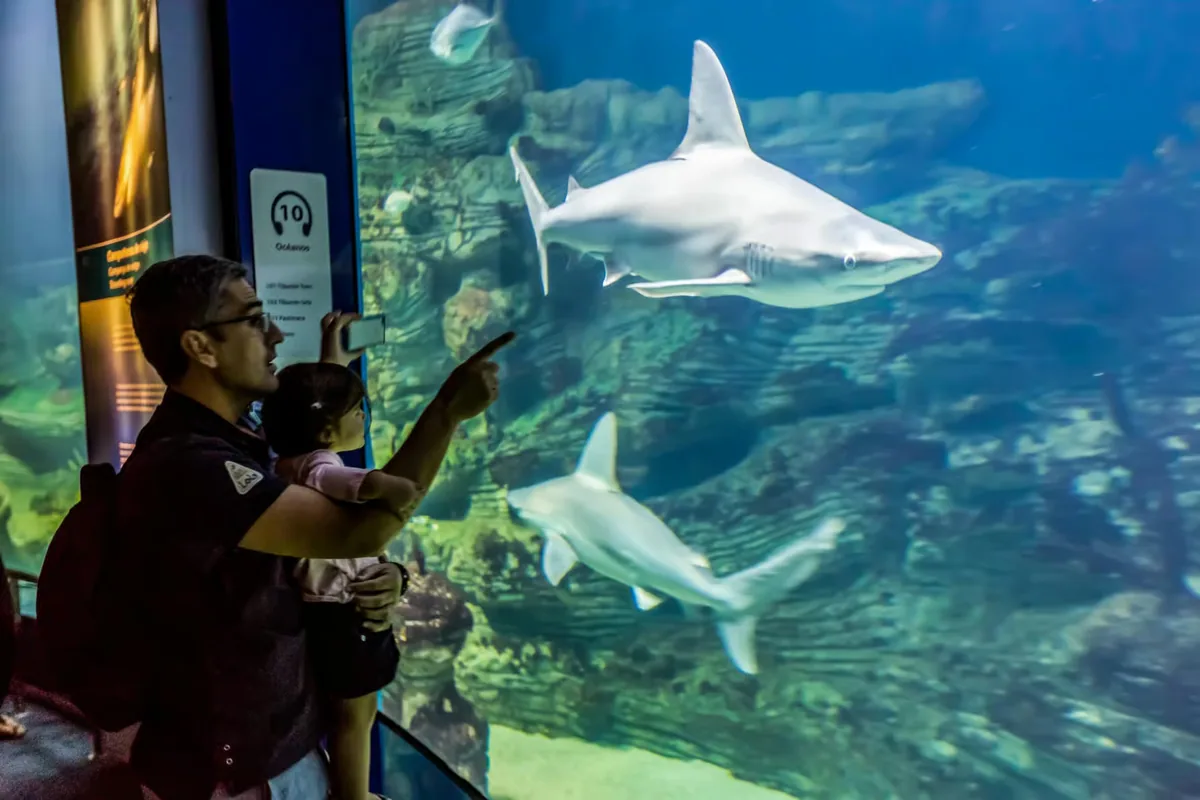
Valencia works very well for families. The Oceanogràfic, Bioparc, the Turia Garden, Gulliver Park, the beaches and the Museu de les Ciències offer varied plans for children, from animals and science to open spaces where they can run around. If you are looking for things to do in Valencia with kids, the city lets you mix learning, fresh air and beach time without making the day feel too heavy.
One precaution: in summer, the heat can make midday travel tiring. It is better to plan the main visits for the morning, rest after lunch and leave the beach or a walk for the late afternoon.
For a couples’ getaway, Valencia has a gentle tone: sunset in La Albufera, a walk along Patacona, dinner in Ruzafa, a quiet cocktail, the streets of El Carmen at nightfall or a bike ride through the Turia. It is not an overly solemn or sugary city; its romance is more Mediterranean than monumental.
The experience improves greatly if you do not try to fill every hour. Valencia is enjoyed in the gaps: a shaded terrace, a modernist façade discovered without looking for it, the reflection of the sky in the City of Arts and Sciences.
At night, the historic centre comes alive, Ruzafa brings together bars and restaurants with a contemporary atmosphere, and the beach area gains energy in the warmer months. El Carmen, Cánovas, Aragón, La Alameda and the seafront also fit naturally into a relaxed or lively evening, depending on your mood.
Not everyone needs to go out partying to enjoy Valencia. Sometimes it is enough to cross an illuminated square, have a drink without rushing or walk by the sea when the heat drops. Those looking for a lively night will find it; those who prefer calm will too.
Valencia can feel too spread out if you try to see everything on foot. The beach is not right next to the historic centre, some neighbourhoods lose charm along broad avenues, and certain tourist areas around monuments or the seafront can feel impersonal. In summer, heat and humidity change the rhythm of the trip: it is not wise to plan demanding days at midday.
Nor is it a city to visit only in pursuit of monuments. Valencia shines most when combined: historic centre, market, Turia, beach, rice fields, gastronomy and local life.
Do less, but do it better. A morning in the old town, a leisurely lunch, an afternoon cycling through the Turia, a sunset at the City of Arts and Sciences, a beach day chosen with care and a trip to La Albufera. Valencia does not need to shout to convince. Its beauty lies in the clarity of the air, in the rice that tells the story of the landscape, in the squares where life sits in the sun and in that very Valencian way of mixing future, sea and memory without entirely losing its calm.
Discover selected experiences in Valencia to complete this guide with culture, food, architecture, coastline, nature and well-organised day trips.
Activity on TourBookGoBook an Oceanogràfic and Science Museum combined ticket in Valencia. Visit both attractions in one day without queuing to buy tickets at the ticket office.
 Activity on TourBookGo
Book Bioparc Valencia tickets from €30. Check prices and entry times, then explore African habitats with giraffes, lions, elephants and gorillas at your own pace.
 Activity on TourBookGo
Book a Valencia Cathedral and Holy Grail tour with an English-speaking guide, 85-minute visit, organised admission and ticket-office queue skip.