

Book a Valencia Oceanogràfic ticket with access to every exhibition, the underwater tunnel and more than 45,000 marine creatures.
View experienceWhy Valencia is worth visiting
Valencia has an identity of its own: less solemn than Madrid, less monumental than Seville, and less theatrical than Barcelona. Yet that is precisely part of its appeal. It is a city made for living, not just for ticking off sights.
The Turia Gardens are one of its great distinguishing features: a long green corridor created in the former riverbed, now turned into a space for walking, cycling, sport, and everyday life. For visitors, this changes the experience considerably: it allows you to cross the city without always feeling the weight of traffic, connect different neighbourhoods, and reach some of its best-known sights on foot or by bike.
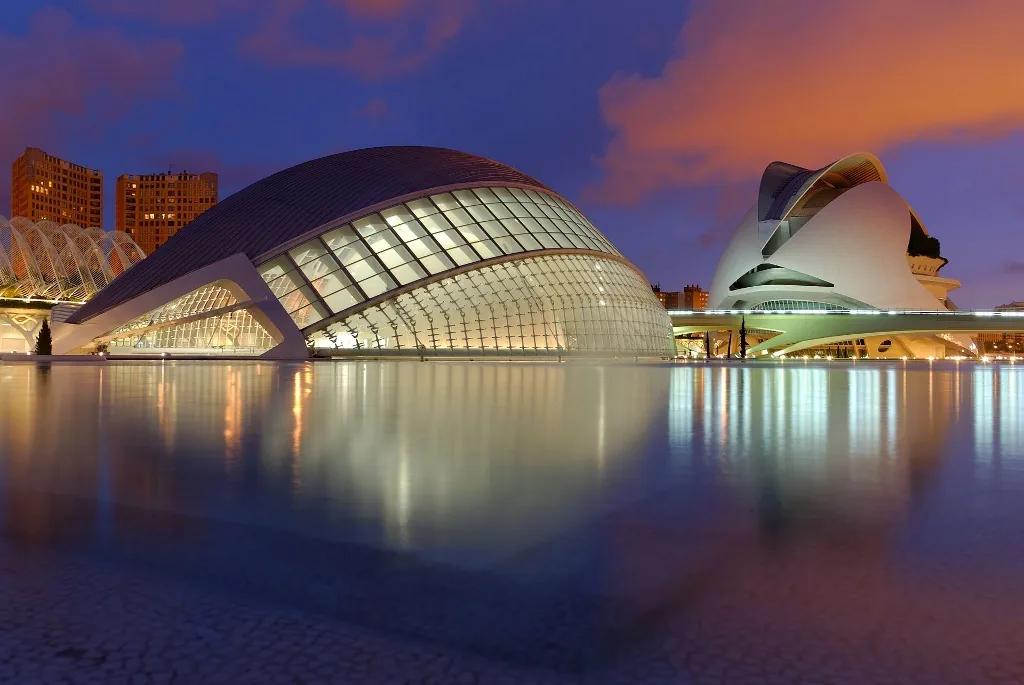
The City of Arts and Sciences may seem over-photographed, but in person it still has real impact. Its white, almost marine forms work especially well at sunset, when the water reflects the architecture and the light softens the whole scene. Not everyone will need to go inside every building, but simply walking around the outside already offers a powerful image of contemporary Valencia.
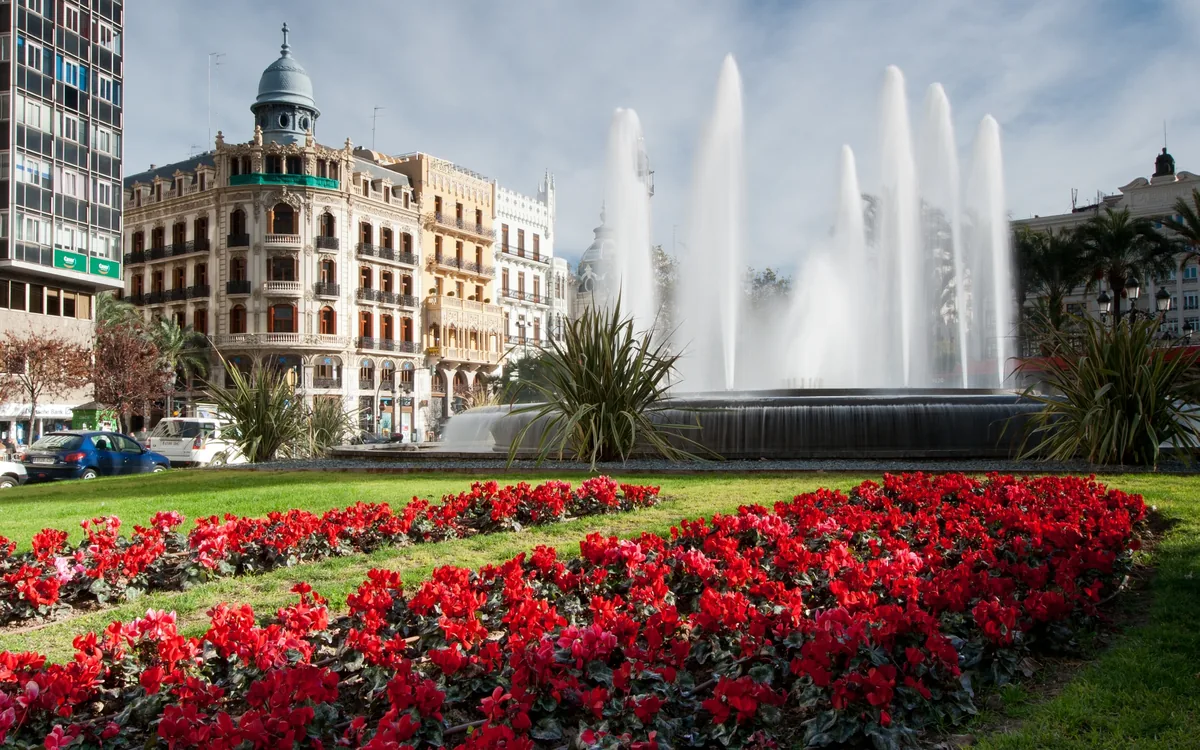
And then there is the older Valencia: the city of the Central Market, the Silk Exchange, the towers, the squares, and the streets where Gothic architecture, Modernism, and daily life coexist without excessive solemnity. The Silk Exchange is recognised as a UNESCO World Heritage Site, and the Fallas are part of the Intangible Cultural Heritage of Humanity.
The kind of traveller Valencia suits best
Valencia is a great choice for anyone looking for a bright, comfortable city break with good food. It works very well for couples, travellers who enjoy walking, families who want varied plans, architecture lovers, and people who prefer cities with a local rhythm over destinations saturated with major tourist icons.
It is also worth it for those who want to combine city and sea without organising a complicated trip. The beach is not right in the historic centre, and it is worth knowing that, but it does allow you to add a Mediterranean ending to the trip: a meal by the sea, a long walk, or an afternoon with very few obligations.
For food-focused travellers, Valencia has obvious appeal. It is a land of rice dishes, horchata, market-garden produce, markets, and Mediterranean cooking. But it is worth going with some discernment: not every paella served in a tourist area deserves the name or the price it charges. The experience improves greatly when you avoid overly aggressive menus, laminated photos, and hooks designed only for visitors.
The food experience improves greatly when you avoid overly aggressive menus, laminated photos, and hooks designed only for visitors.
What may disappoint visitors in Valencia
Valencia may disappoint anyone expecting a monument on every corner. It has valuable heritage, but its beauty is more spread out, more mixed in with urban life. Some areas outside the centre are more functional than beautiful, and certain routes between the historic quarter, the beach, and the City of Arts and Sciences may feel less romantic than the photos suggest.
The beach, while pleasant and wide, is not a hidden cove or a wild postcard scene. Those looking for turquoise waters, cliffs, and intimate corners may enjoy other parts of the Mediterranean coast more. Valencia offers an urban beach: convenient, spacious and practical, but not necessarily magical.
You also need to be careful with dates. During Fallas, the city experiences a unique cultural explosion, with satirical monuments, fireworks, music, closed streets, and an energy that is hard to compare. But it is not a time for everyone: there is noise, crowds, higher prices, and an intensity that can become tiring.
During Fallas, Valencia can be fascinating or tiring: choose those dates only if you are looking for popular culture, noise, fire and collective celebration.
How many days to spend in Valencia
For a first visit, two or three days are usually enough to grasp the essentials without turning the trip into a race. In two days, you can see the historic centre, the Central Market, the Silk Exchange, part of the Turia Gardens, and the City of Arts and Sciences. With three days, the trip breathes more easily: there is room for the beach, a relaxed rice lunch, or an excursion to the Albufera.
One day feels too short. Valencia is not a city made only for looking at monuments; it needs pauses, terraces, walks, and late-afternoon light. A week can make sense if you want to experience it slowly, work remotely, take nearby excursions, or explore neighbourhoods at an unhurried pace. But for classic sightseeing, it may feel too long unless combined with other places in the Valencian Community.
Is Valencia expensive?
Valencia is not necessarily a cheap city, but it is usually more manageable than other major Spanish urban destinations under heavy tourist pressure. The budget will depend greatly on where you stay, the season, and the type of restaurants you choose. During Fallas, public holidays, summer, and high-demand weekends, prices can feel considerably higher.
The good news is that Valencia lets you balance your spending. There are many things to do that require no entrance fee: walking through the Turia, exploring the centre, seeing the outside of the City of Arts and Sciences, strolling along the beach, or getting lost in neighbourhoods such as El Carmen or Ruzafa. Where it makes sense to spend more intentionally is on a good rice meal, a museum, or an experience that genuinely fits your style of travel.
When is Valencia most worth visiting?
Spring and autumn usually show Valencia at its most pleasant: beautiful light, milder temperatures, and a city that is more comfortable for walking. Summer can be appealing for those who want beach time and atmosphere, but the heat and humidity can make the middle hours of the day heavy going. In winter, Valencia still has plenty of life and can make for a bright getaway, although it will not always have that warm postcard feel many people imagine.
March is a case of its own because of the Fallas. It can be fascinating if you are looking for popular culture, noise, fire, satire, and collective celebration. It can be a bad idea if you want to rest, sleep in silence, or visit the city calmly.
Verdict: is Valencia worth visiting?
Yes, Valencia is worth visiting, especially if you are looking for a beautiful, comfortable, food-loving Mediterranean city that is easy to enjoy without too much planning. It is ideal for a long weekend break, for a first taste of the Valencian coast, or for travellers who value a good walk as much as a good plate of rice.
It may not be the best choice if you are looking for an overwhelmingly monumental city, wild beaches, or an experience completely removed from tourism. Valencia shines brightest when accepted as it is: a luminous, imperfect, living city, with neighbourhoods that still breathe local life and with a few places that justify the trip on their own.
It is not a destination that needs to promise everything. Something harder is enough: offering a very balanced mix of beauty, comfort, history, sea, and everyday life. And for many travellers, that is exactly what makes Valencia worth visiting.