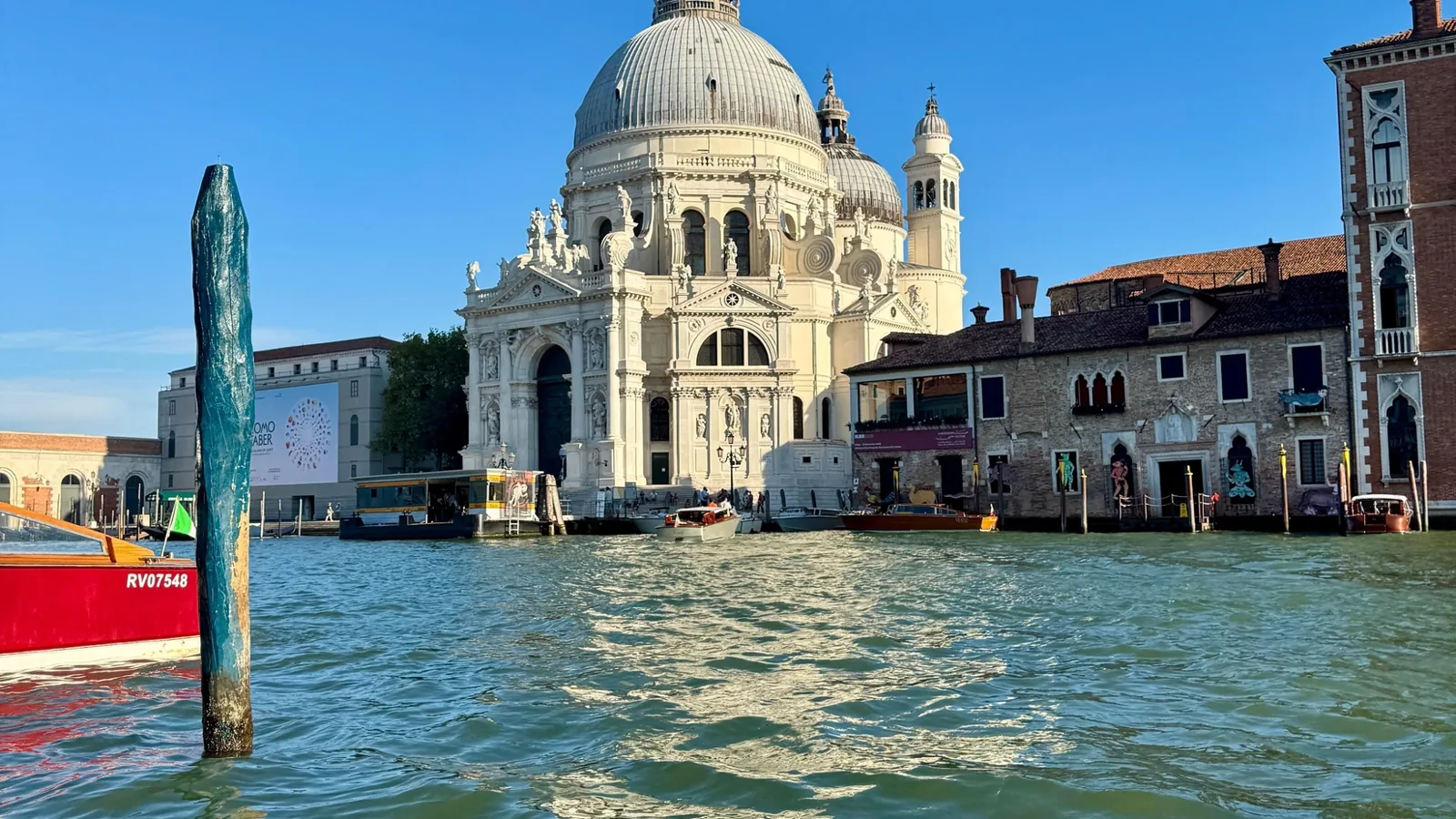
Spring: explore on foot without rushing
Spring is a good time to walk around Venice. You can move between the open space of St Mark’s Square and narrow streets, bridges and waterfront paths without the heat necessarily shaping every decision. It suits a trip built around walking, pausing to admire a façade or stepping into a church that catches your eye.
The trade-off is changeable weather, while famous sights still attract visitors. If you have only a few days, choose a main route instead of trying to cover every neighbourhood. Travelling in spring does not guarantee a quiet visit to St Mark’s Square or the Rialto Bridge.
Summer: longer days, greater physical demands
Summer gives you more time for walks and a full day on the Lido or other islands in the lagoon. Walking through the hottest hours can also be tiring, especially when your plans combine bridges, vaporetto journeys and indoor visits. In a city experienced largely on foot, heat matters.
Summer suits people who enjoy long days and are happy to plan around them. An indoor visit or a leisurely meal can fill the hottest hours; longer walks are better left for cooler times. If you travel with young children, someone who finds walking difficult or little flexibility to change plans, consider that effort before choosing your dates.
Autumn: a city to explore closely
Autumn can be particularly rewarding if you enjoy architecture, museums and walks without a rigid schedule. The light and atmosphere change after summer, but a plan that works in the rain becomes more important. If you hope to spend almost the entire trip outdoors, that uncertainty may outweigh the season’s appeal.
Plan by area: a day in Cannaregio and another in Dorsoduro leave room to visit indoor sights without crossing the city whenever the weather changes. Choose autumn for that kind of trip, not on the assumption that Venice will be empty.
Winter: less daylight, a different pace
Winter’s shorter days lend themselves to a focused visit. One neighbourhood, a cultural stop and time for a sit-down meal can fill a day without any rush. Damp, cold or rainy weather can make long stretches of walking or waiting outdoors less pleasant.
Carnival offers a different reason to visit, but it changes the atmosphere and attracts many people; its dates vary each year. If the celebrations interest you, check the programme before booking. If you would rather observe everyday life, other winter dates may suit you better. They are two different trips within the same season.
Crowds: visitors beneath the porticoes
Changing seasons does not remove the concentration of visitors around St Mark’s Square, Rialto and the routes between them. If crowds tire you, choosing dates solves only part of the problem. How long you spend at those sights, and whether your route repeatedly takes you through them, matters too.
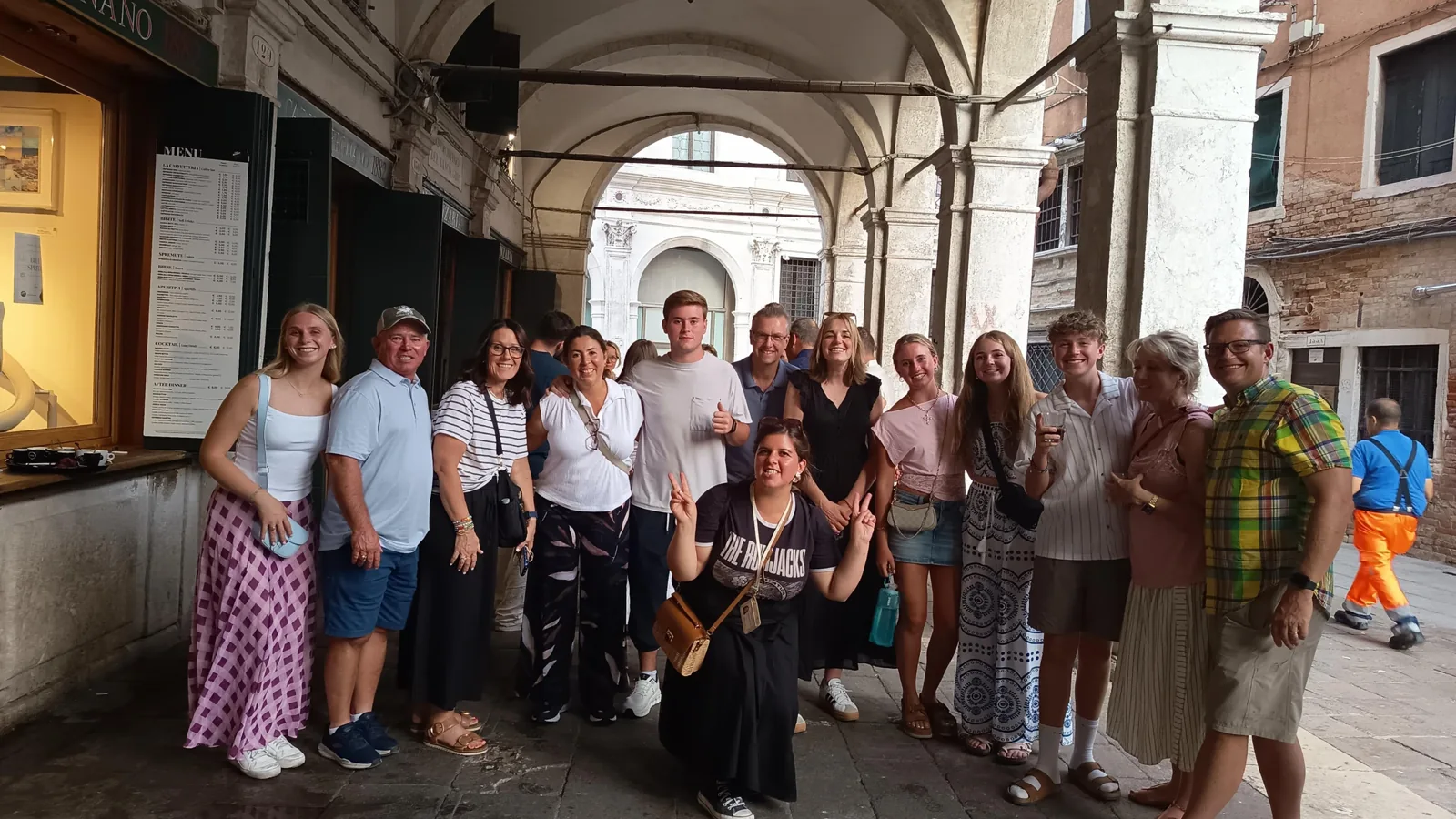
You can see the major landmarks without making them the whole focus of your trip. Time spent walking through Castello or exploring Dorsoduro brings more streets, shops and everyday spaces into view. That is a route choice, not a promise of solitude. The photograph shows a group of visitors beneath porticoes on a dry day; it illustrates how people gather at passage points, not an acqua alta event.
High water: something to prepare for
Venice experiences episodes of acqua alta, particularly in the colder months, although the calendar alone cannot tell you when one will occur or how disruptive it will be. It does not mean the whole city floods or that an autumn or winter trip should be cancelled. It does mean some journeys and entrances can become difficult during an episode.
If you have reduced mobility, are carrying luggage that is hard to move or need to arrive somewhere at a precise time, allow extra time and check official forecasts close to your visit. Otherwise, keep indoor options available and avoid a route that requires you to cross the city with no room to adjust.
Budget: compare the whole trip
Costs can vary with demand, your exact dates, the type of accommodation and how far ahead you plan. A season that seems convenient may feel less so if an event you care little about makes your stay more expensive or restricts your options. Equally, the cheapest dates may be poor value if the likely weather would prevent you from enjoying what you came to do.
Compare accommodation, travel around the lagoon and the activities you actually want to do. If your dates are flexible, shifting them within the same season may help more than ruling that season out.
The choice changes if you live nearby or travel from afar
For a first visit, spring or autumn often makes it easier to combine outdoor and indoor activities. If you want to walk for hours, summer means accepting the heat; if museums and shorter visits are your focus, winter can work well. In every season, choose just a few areas per day: Venice’s bridges and streets invite detours.
If you live in or near Venice, you have another advantage: you do not have to fit the city into a weekend. A winter day can be devoted to an exhibition; a summer day, to a particular outing on the lagoon. The best time may simply be when you feel like returning to a familiar place with something new in mind.
Choose the season that suits your visit
Venice changes with the light, the water and the number of people sharing its streets. Choose spring or autumn if you want balance and can accept some variation; summer if you value long days; winter if a quieter-paced visit appeals to you. No season avoids every inconvenience. The best one lets you make the trip you truly want, with time to look around and room to change course.