Look after belongings in busy places
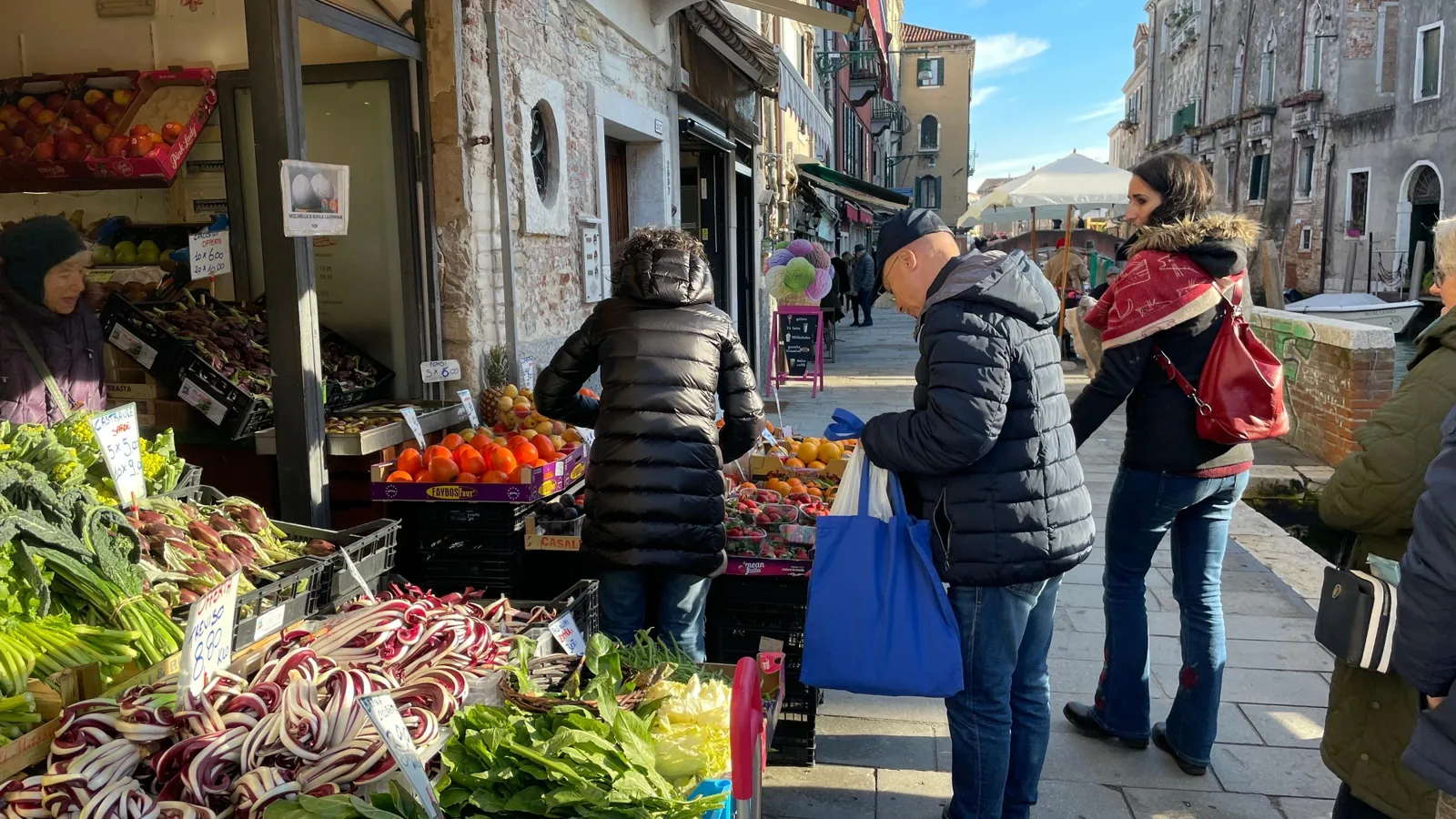
St Mark’s Square, the area around Rialto Bridge and the busiest transport stops bring many people into a small space. It is easier to lose sight of a backpack, bag or phone there, especially when you stop to check a map or take a photo. Before entering a crowd, close your bag and keep what you need within reach without leaving it exposed.
On the vaporetto, keep your luggage close and leave the aisle clear. If you are travelling with suitcases, get your documents and phone ready before reaching a stop. Searching through a bag while boarding creates an avoidable difficulty at a moment that already calls for attention. These precautions help you move comfortably without spending the whole day watching everyone who comes near you.
Watch the route as well as the map
Narrow streets and bridges are part of the pleasure of discovering Venice, but they also call for attention. A route that looks short on a screen may include steps, turns and stretches where you have to share the way with others. Looking at your phone while walking makes it easier to trip or get too close to a canal’s edge.
Stop somewhere you will not block the way to check your route. At night, pay particular attention to edges without barriers, and do not treat a passage beside the water as a shortcut simply because your navigation app points that way. If you have limited mobility or are pushing a stroller, assess a route by its bridges and steps, not just the distance shown on the map.
Adjust your plans when the water rises
Acqua alta can disrupt a walk: a square, street or entrance you planned to use may be flooded. Its extent and duration vary. Do not assume that the whole city will be affected, or that your usual route will remain comfortable. Check the conditions you will actually encounter before trying to follow the original plan.
If high tide warnings are in place during your stay, check official information before going out and adapt your route to what you find. Suitable footwear helps, but it does not replace caution on wet surfaces, steps that are hard to see or in water whose depth you do not know. For a family or someone who finds walking difficult, changing the order of a visit may be more useful than trying to cross an awkward area.
Take care when using water transport
The vaporetto lets you cover distances without crossing bridge after bridge. Boarding calls for the most attention: wait your turn, follow the crew’s instructions and do not try to get on or off when the manoeuvre is nearly over. On board, hold on to your belongings and find something to steady yourself if the movement feels unsteady.
Before boarding, check the line’s direction and the stop you need. Going the wrong way is usually a logistical nuisance rather than a safety problem, but rushing to correct your route can lead to poor decisions. If you are travelling with children, agree beforehand who will accompany them on and off. A crowded stop is no place to decide.
Walk at night without false assurances
Venice feels different as the daytime bustle fades. A quiet street may feel pleasant to one person and unsettling to another. Silence alone does not mean an area is dangerous, but it does not guarantee that you can let your guard down either. Your own preferences and your understanding of the route matter when you plan a return.
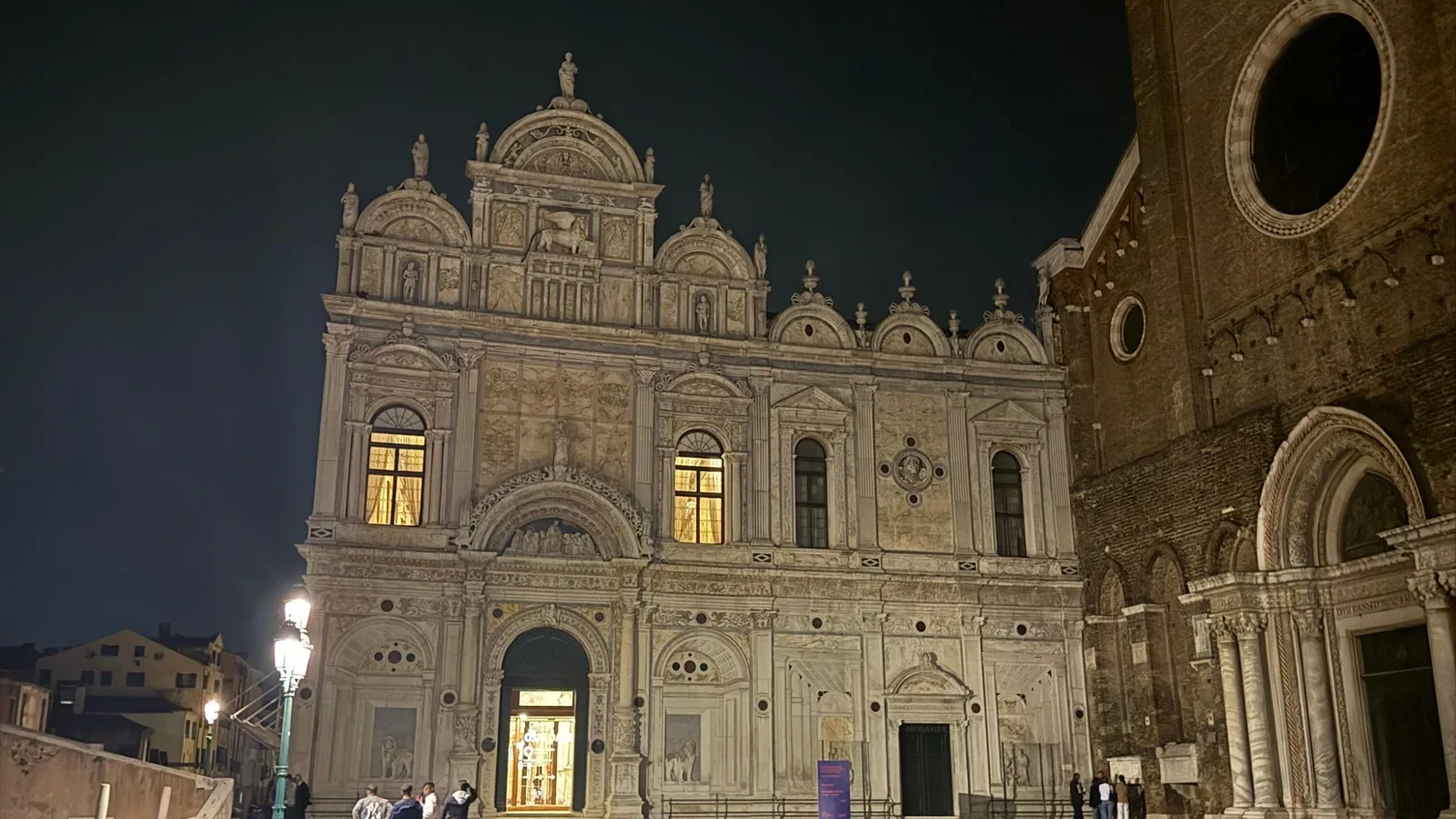
If you return late, choose a route you understand and know which transport stop would be useful to you. Try to keep your phone charged, and share your plans with someone you trust if that puts you at ease. If you prefer to walk with someone, you can plan dinner or your return around that preference and still enjoy the city after dark. The photo shows pedestrians in a lit Venice square at night. It illustrates the setting; it cannot guarantee the safety of a particular route or time.
If you are travelling alone as a woman
For a woman travelling alone, the best approach is one that lets her remain independent while respecting her own limits. Knowing the way back before going out, deciding how to return after an evening activity and stepping into an open business if a situation feels uncomfortable are reasonable measures. No rule makes every deserted street a threat, and no promise of safety applies at every moment.
If someone insists on accompanying you, selling you something or changing your plans, you can say no clearly and walk away. Trust your judgement about what feels comfortable. You do not need to justify a decision made for your own peace of mind.
With children or people who need more support
In a city crossed by canals, being close to the water calls for constant attention when travelling with young children. Before stopping to look in a shop window or check the map, make sure you know where they are. Near a landing stage or on a very busy street, agreeing on a simple meeting point with older children can also help if the group gets separated.
Anyone accompanying a person with limited mobility should check obstacles along the route in advance and plan an alternative. A succession of bridges that are difficult to cross can cause fatigue even when the destination looks close on a map. Accounting for that effort is part of a more comfortable and safer visit.
Take time to consider purchases and offers
If you are offered a service, an excursion or anything else you had not planned, ask what it includes and what the terms are before accepting. If the information is unclear or you are pressured to decide immediately, you can walk on. Taking a moment gives you room to make a considered choice.
There is no need to assume a business has bad intentions simply because it is in a tourist area. The same calm awareness that helps you find your way through the city can guide a purchase: listen, clarify what you need to know and decide without rushing.
Explore Venice with awareness and calm
Looking after your belongings in crowds, watching your step beside the water and adjusting your route when conditions change all fit with a relaxed visit. Each precaution responds to a particular situation; none requires you to view the entire city with suspicion.
Plan around the bridges, the people travelling with you and the conditions you find. That leaves room for what you came to do: explore Venice without turning every corner into a worry.