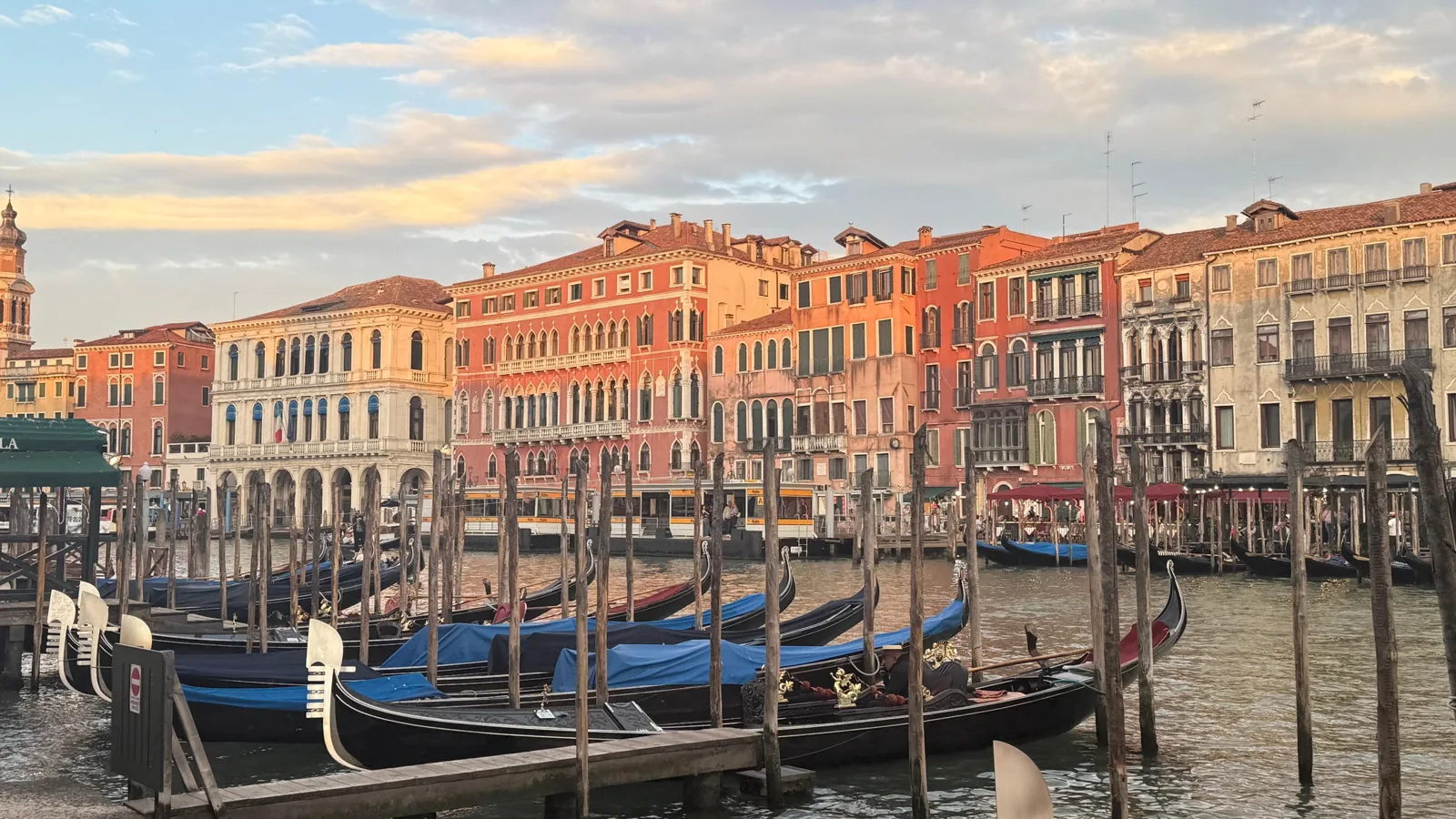
Accommodation makes the difference
Location costs money, but it can save time and effort. Staying near St Mark’s Square makes it easier to head out early and return for a rest, though you should weigh that convenience against the price. Cannaregio or Dorsoduro can be good bases for exploring other parts of the city on foot, depending on the exact address. In Venice, two places in the same neighbourhood can mean very different walks across bridges, along canals and to transport stops.
Staying outside the main islands may lower your accommodation costs, but adds a journey at the start and end of each day. Check the full route to the places you want to visit, especially if you have luggage or limited mobility. The cheapest room per night is not always the best fit for your trip.
Eat well without making every meal an occasion
What you spend on food depends more on your habits than on any secret formula. Mixing simple meals with the occasional restaurant chosen at your leisure lets you enjoy eating out without making every stop expensive. If you want to try small Venetian bites, cicchetti offer a different way to eat from a long set menu, though the final bill depends on how much you order and where.
Check the menu and terms before sitting down, especially in busy areas. An exceptional view may be part of what you pay for; it is worth it if you truly want it. To save money without giving up the pleasure of a good meal, spend more on a place that interests you for its food, rather than just its proximity to the next monument.
On foot, by vaporetto or both
Walking is an essential part of a visit and a way to keep costs down. The route from San Marco to Rialto or San Polo, for example, can be an experience in itself. But Venice takes more effort to explore than its apparent size suggests: bridges, detours and luggage can make a short distance on the map feel much longer.
The vaporetto is useful for longer distances and for reaching islands such as Murano or Burano. If you expect to use it several times, compare the current ticket options before buying; if your plans centre on one area, you may walk almost all day. For someone who lives in or near Venice, a walk in a nearby neighbourhood avoids turning a spontaneous outing into a series of paid journeys.
Which sights are worth paying to enter?
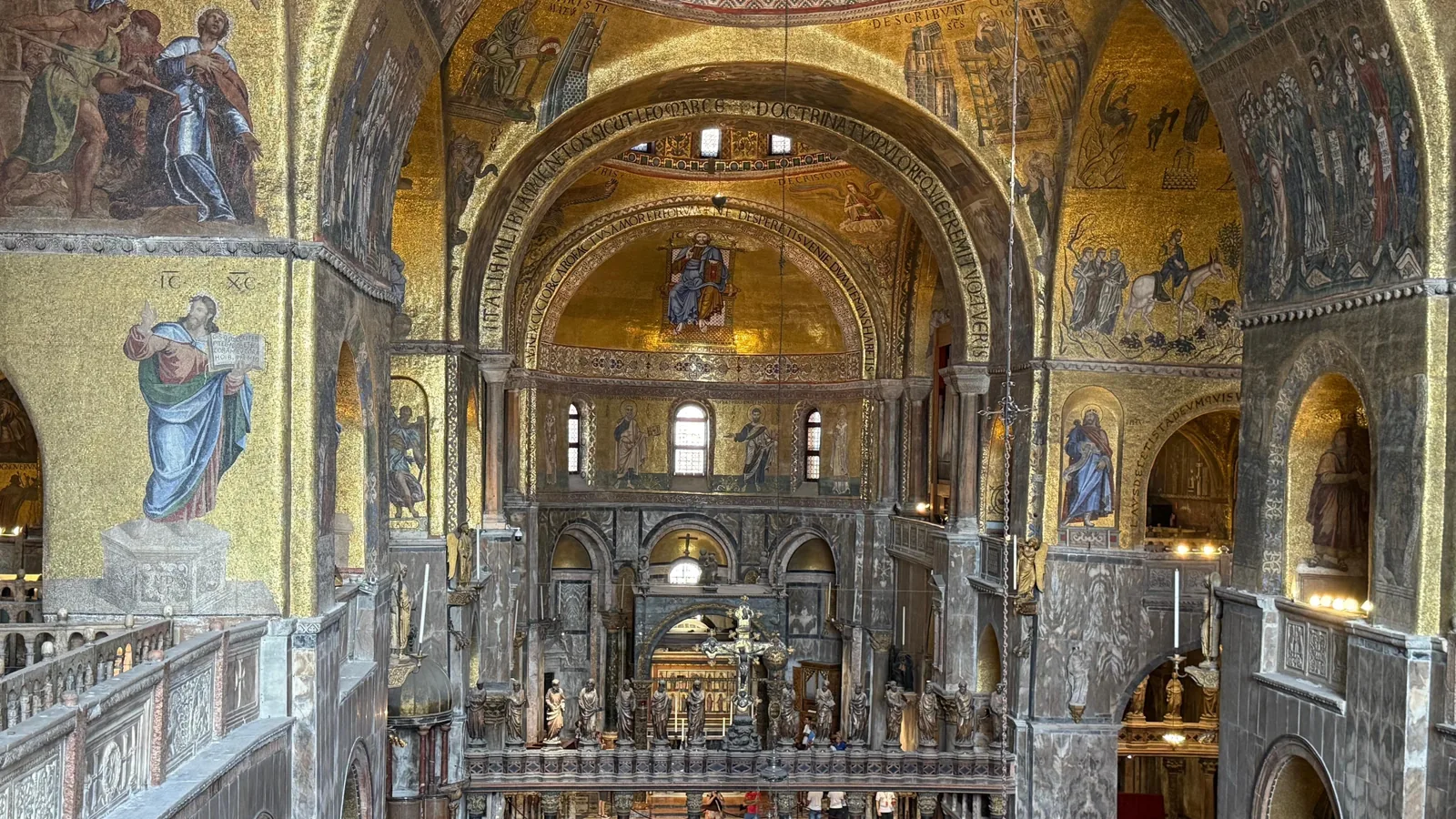
You do not need to pay for every hour to feel you have got to know the city. A day among the streets of Cannaregio, around Rialto and along the Grand Canal offers plenty to see. Still, entering a palace, church or museum can deepen your understanding of what you have seen from outside. Choose the stories that interest you instead of collecting admission tickets.
Set aside a specific amount for your priority visits and check their current conditions. If your budget is tight, choose just a few and give them time. Even with more money to spend, there is no need to fill your schedule: a paid booking loses its appeal when it forces you to hurry across the city.
Three, five or seven days: how the costs change
Over three days, accommodation and arrival transfers take up a large share of the budget relative to your time in the city. It makes sense to focus on the main islands and consider carefully whether an excursion is worth the hours it takes. Paying more for a convenient location may make more sense than saving on a room and spending part of your trip travelling back and forth.
With five days, you can spread out your visits and set aside a day for another island without squeezing everything else in. Total accommodation and food costs rise, but you have room to alternate paid attractions with days spent walking. Over seven days, the longer stay raises the budget; in return, you can see neighbourhoods at different times and revisit places you enjoyed. A week makes sense if you want that slower pace, not if you only want to tick off the main monuments.
Three ways to plan your budget
A budget trip favours well-connected accommodation, walking, simple meals and few paid visits. Check your routes so that what you save on a room does not go on transport. A mid-range budget lets you be more selective about location, mix casual meals with a special one and enter several chosen sights. A comfortable budget gives you more freedom to stay where you like and change plans, but that freedom is valuable only if it serves your interests.
Season affects all three approaches, particularly when looking for accommodation. Comparing dates and booking ahead once your plans are firm is usually more useful than searching for a supposedly universal cost for Venice.
Costs that are easy to forget
Include the journey from your arrival point to your accommodation, trips to other islands, admission fees and small stops for food or drink. Also check current charges and conditions affecting your stay or entry to the city, as these may change. If you have luggage, check how you will reach your accommodation door: a route that looks easy on a map may cross several bridges.
Leave room in your budget to change your mind. A museum may interest you more than expected, or you may prefer to take the vaporetto back after hours of walking. You do not have to spend that extra money; it simply keeps an enjoyable decision from becoming a budget problem.
So how much should you set aside?
Without dates, accommodation and a way of travelling, there is no honest figure that works for everyone. Calculate your costs in this order: your stay, arrival and planned transport, meals, chosen visits and a final allowance. Venice rewards both those who spend money exploring its interiors and those who stop to watch life in its streets. The right budget lets you choose between the two without rushing.