Travelling to Vienna without spoiling the experience
Vienna is best enjoyed by choosing a few priorities, grouping visits by area and leaving time to discover the contemporary city behind its imperial façades.
Vienna is known for palaces, grand coffee houses and classical music, but reducing it to that postcard image can obscure the city unfolding behind the façades. Although distances seem manageable and public transport makes travel easy, trying to fit in too much soon turns the visit into a succession of admissions, transfers and hurried photographs.
Combine the historic centre with neighbourhoods such as Neubau, Josefstadt and Leopoldstadt.
Book only the experiences that shape the trip and check current conditions through official channels.
Group visits by area and leave time to walk, rest and observe.
Booking.com
Accommodation in Vienna
Compare locations and options to find a base that suits your trip. Booking.com confirms current availability and pricing.
Do not spend the whole trip in the historic centre
The Innere Stadt contains some of Vienna’s best-known buildings and public spaces. It is a logical starting point, but it should not become a boundary. Staying entirely within the Ring reveals a monumental and carefully maintained city, but also one of its most tourist-oriented and expensive versions.
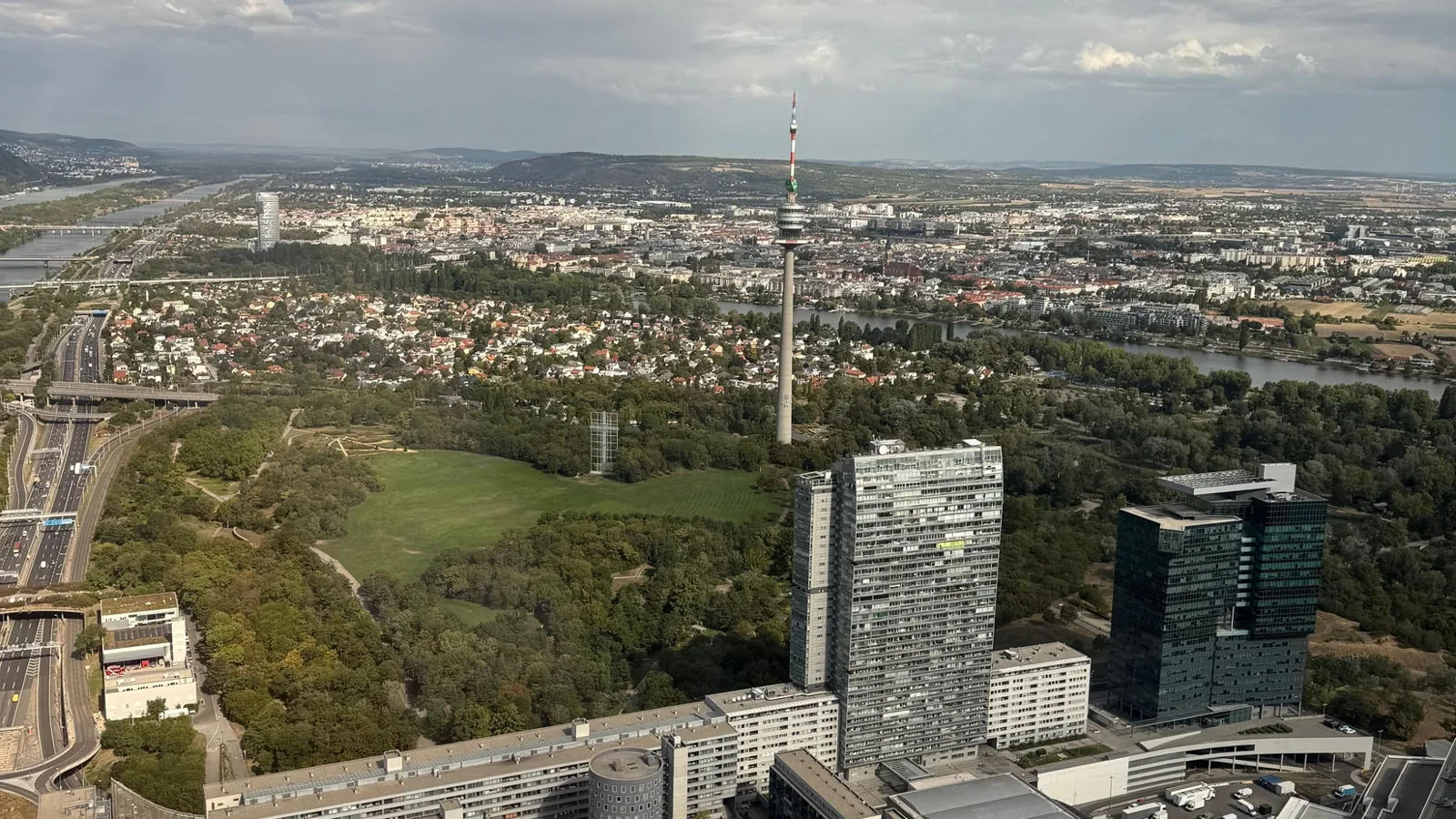
Neighbourhoods such as Neubau, Josefstadt and Leopoldstadt follow a different rhythm, with residential streets, everyday shops, markets, parks and places used by local residents. There is no need to hunt for supposedly secret corners. Stepping away from the familiar routes is enough to encounter ordinary city life.
The wider the area explored, the more important it becomes to group visits by neighbourhood. Crossing Vienna several times in one day rarely improves the experience.
Exploring beyond the Ring adds variety when journeys are organised by area.
Do not turn palaces and museums into a checklist
Schönbrunn, the Hofburg, the Belvedere and the major museums could occupy several days. Treating them as boxes to tick along one route prevents visitors from giving them the attention they deserve.
Historic interiors require concentration, and museums are tiring even when they are fascinating. Two long visits in succession can blur the details that made each one worthwhile. It is better to choose according to personal interests such as architecture, painting, imperial history, design, music or gardens.
Accepting that some places will be left out is part of sensible planning. Seeing less does not mean getting less from the trip; an afternoon without a fixed objective can reveal more about Vienna than another gallery added to the itinerary.
Book what matters and check current conditions
Some attractions, concerts and tours can be in high demand, particularly during busy periods. Arriving without preparation may mean long waits or finding that the preferred option is no longer available.
Filling every hour with a reservation is not a better solution. It leaves no room to rest, change plans or remain somewhere longer. A balanced approach is to secure only the experiences that genuinely shape the trip and leave free time between commitments.
Opening hours, admission arrangements and other conditions can change. Check them through official channels before visiting, as old screenshots and outdated blogs are not reliable substitutes.
Secure the experiences that define the trip while keeping space to adapt.
Choose concerts according to the experience you want
Vienna’s connection with music runs deep, but its reputation also supports events aimed mainly at visitors. That does not automatically make them poor choices; they simply serve different expectations.
Before booking, decide whether you want a demanding performance, an accessible introduction, a historic setting, light evening entertainment or the atmosphere of a grand concert hall. Choosing only because of an elegant photograph or extravagant promise can result in disappointment.
The concert’s length and the wider context of the day also matter. After many hours of walking, even a strong programme may be difficult to enjoy fully.
Understand the pace of Viennese coffee houses
Coffee houses are part of Vienna’s identity, but the most famous can attract queues and large crowds. Expecting immediate peace, intimacy and spontaneity in one of the city’s most photographed establishments is not always realistic.
A leisurely pace should not automatically be confused with poor service. Coffee-house tradition encourages people to linger, read and talk without rushing. Someone who only wants a quick drink may be happier in a less ceremonial setting.
There is no need to pursue famous names exclusively. A neighbourhood coffee house may provide a quieter break even without historic rooms. The right choice depends on whether architecture, tradition, pastries or genuine rest matters most.
Consider portions and the type of establishment
Viennese food can be hearty. Combining generous dishes, cakes and drinks as if they were all small tastings eventually becomes tiring. Alternating substantial meals with lighter choices can help maintain a comfortable pace.
It is also unnecessary to eat beside major monuments every time. Busy areas often prioritise convenience and location. This does not necessarily imply poor quality, but it creates a different experience from eating in a neighbourhood establishment.
Reading the menu carefully, observing the character of the place and asking politely when something is unclear is more useful than following a rigid checklist of dishes.
Do not treat the car as a universal solution
For an urban visit, a car can become a burden because of traffic, parking and the restrictions typical of a major city. Walking and public transport usually suit the routes taken by most visitors more effectively.
A car can still provide useful freedom for certain excursions or plans outside the urban area, but it is worth considering whether keeping it throughout the stay makes sense.
Staying far from the centre on the assumption that every distance will be easy to cover is another common mistake. Check the actual transport connections before choosing an area and decide how much time you want to spend travelling each day.
Prepare alternatives for changing weather
Vienna changes considerably with the seasons. Cold, heat, rain and wind can affect both the route and personal energy. A plan made entirely of parks and outdoor walks is vulnerable to bad weather, while an exclusively indoor itinerary wastes pleasant days.
Combining both types of plan provides flexibility. A museum, church or coffee house can be an alternative as well as a deliberate rest. Comfortable footwear and adaptable clothing are generally more useful than an overambitious schedule.
Do not mistake formality for hostility
Social interactions may feel more reserved than some visitors expect. Direct or restrained behaviour should not immediately be read as rejection. Courtesy is often expressed discreetly through respect for rules and consideration for other people’s time and personal space.
Basic phrases such as Guten Tag, Bitte and Danke make interactions easier. Fluent German is unnecessary; simply beginning politely can change the tone of an exchange.
Respect everyday life in the city
Vienna is not merely a collection of historic buildings. Its neighbourhoods are places where people work, rest and live together. Keep noise reasonable in residential areas, respect signs and opening hours, and do not occupy entrances, courtyards or private property for a photograph.
On public transport, keep escalators, entrances and doors clear. Use or validate the correct ticket rather than assuming that a lack of barriers means there are no rules.
Photographing people at close range without permission, obstructing businesses or treating residents as scenery creates avoidable friction. Supporting local businesses, looking after parks and streets and accepting the city’s pace are simple ways to repay its hospitality.
Everyday Vienna deserves the same respect as its monuments.
Let go of the idea of a perfect Vienna
Vienna can appear orderly, monumental and serene, but it also has traffic, less appealing areas, grey days and crowded places. Expecting an uninterrupted postcard view makes its contrasts harder to appreciate.
The city is best enjoyed by choosing a few priorities, grouping them by area and leaving time to walk, sit and observe. Its greatest reward is not always at the next monument. It may be found between planned visits: on a tram ride, in a late-afternoon park or during a brief conversation conducted with courtesy.
Leaving room for the unexpected reveals a more complete Vienna.
C
DiscoverCars
Car rental
Compare prices and book your rental car at the best price.
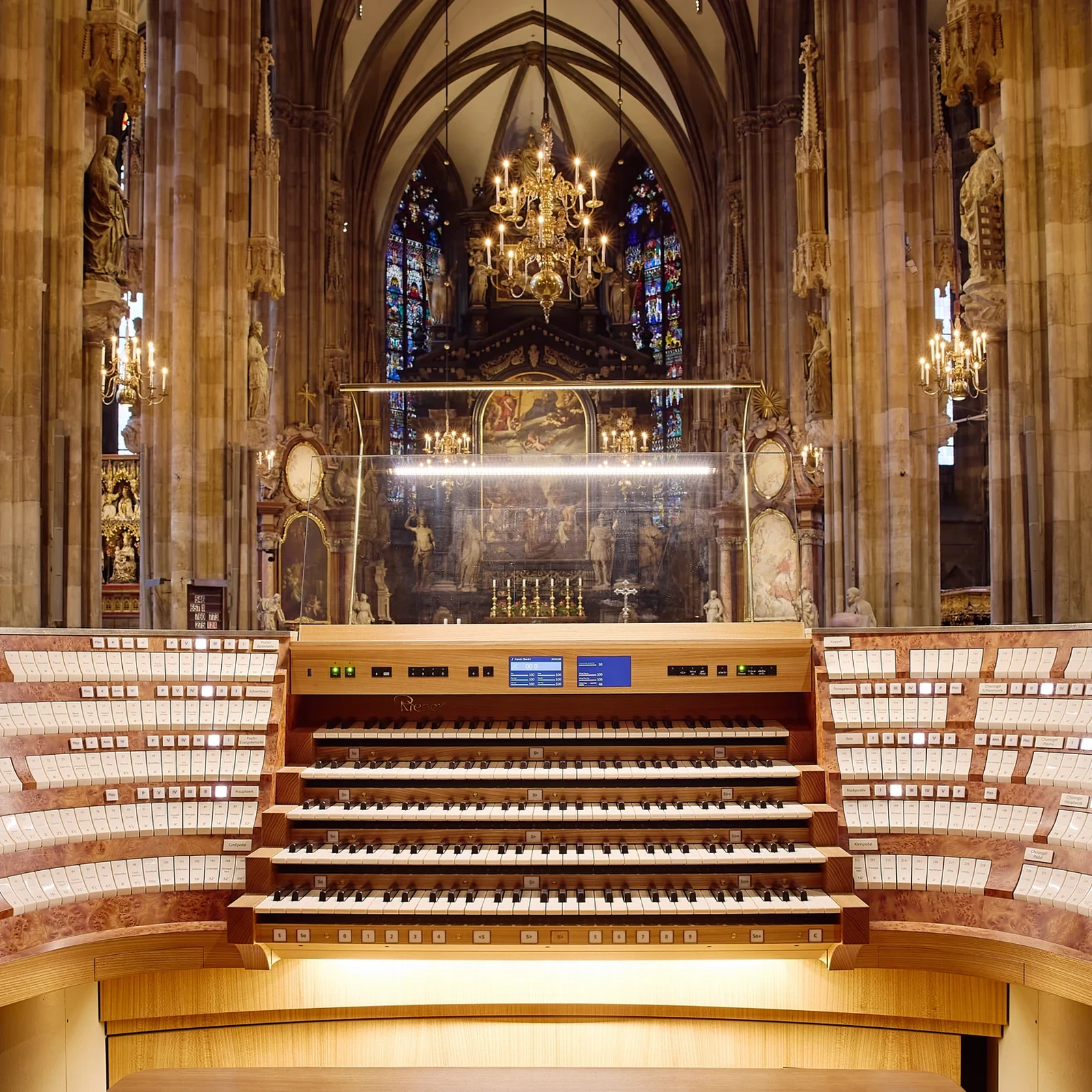
Hear a musical production inside St Stephen's Cathedral, surrounded by its architecture, lighting and acoustics. The listing combines very different programmes and seating categories, so checking both is essential before choosing.
From €15 per personThe performance lasts one hour. Admission begins 30 minutes beforehand, so the total visit may take longer.
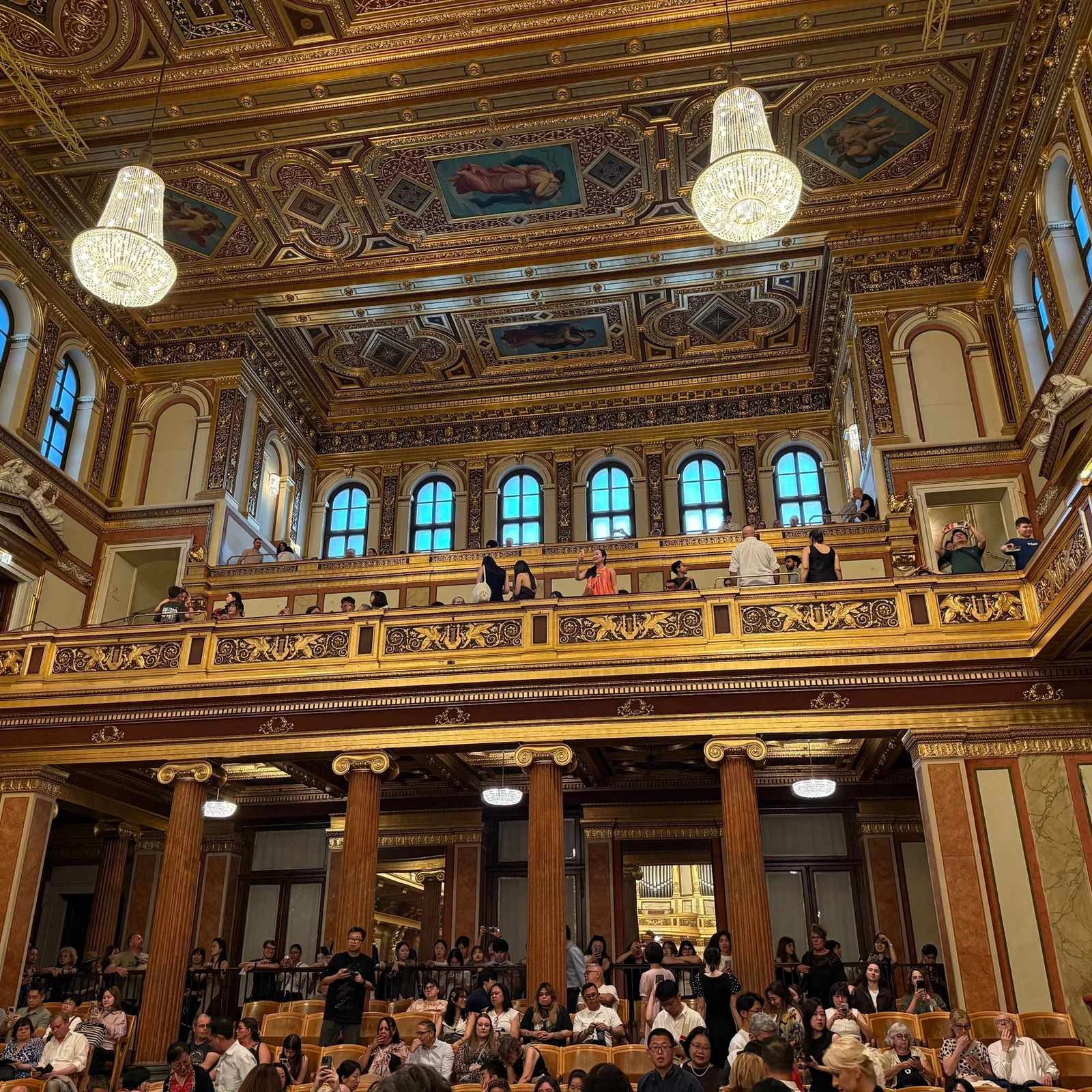
Hear works by Mozart, Haydn, Beethoven and other composers in one of Vienna’s best-known musical settings. The performance takes place in the Golden Hall or Brahms Hall, depending on the date and option booked.
From €15 per personThe listed duration is 2 hours. The starting time depends on the selected option.
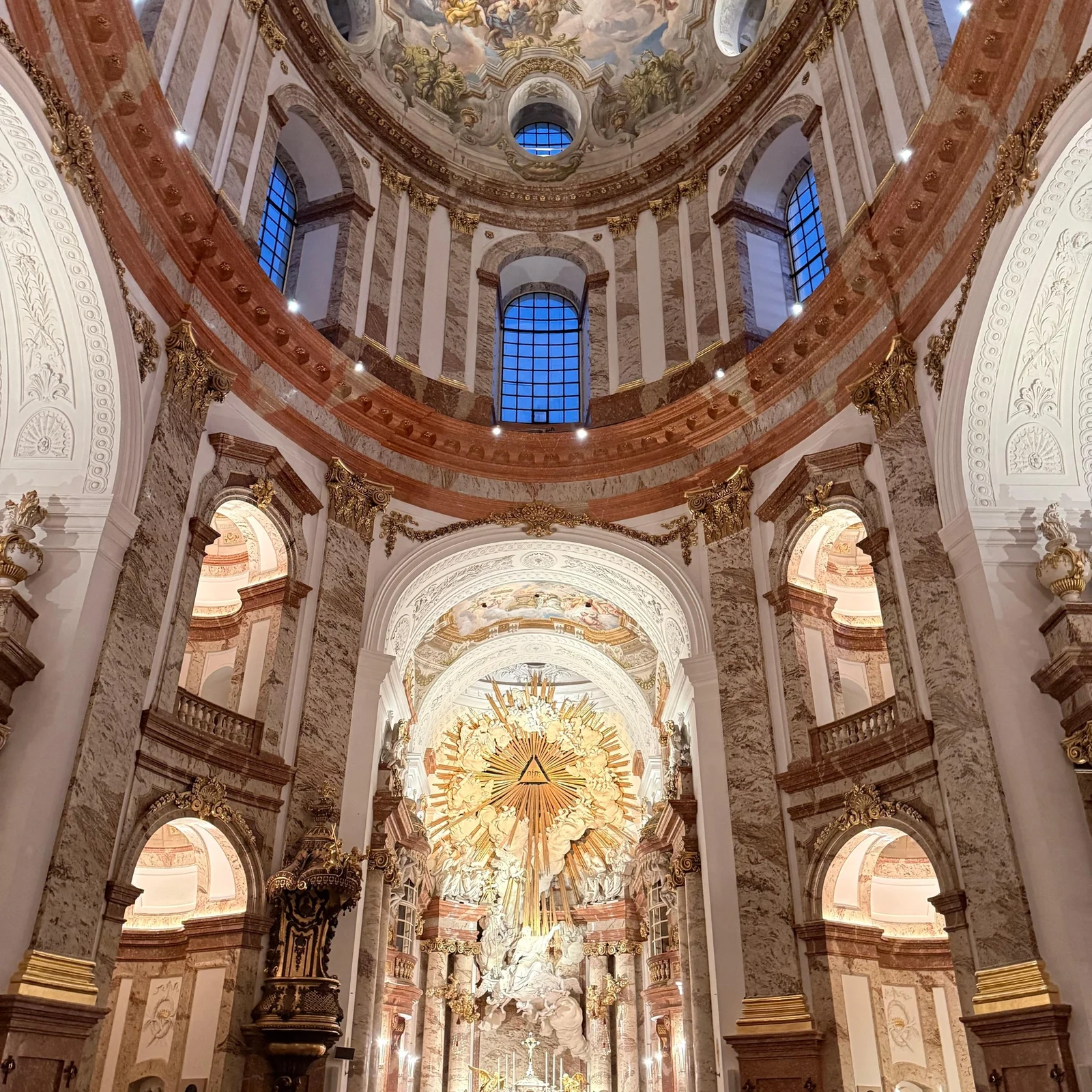
Hear Vivaldi’s Four Seasons on period instruments inside Vienna’s Karlskirche. Check duration, access, seating and conditions before booking.
From €38 per personAllow approximately 1 hour and 15 minutes for the concert and arrive before the doors open. The exact time depends on the chosen date and option.
 Activity on TourBookGo