 Activity on TourBookGo
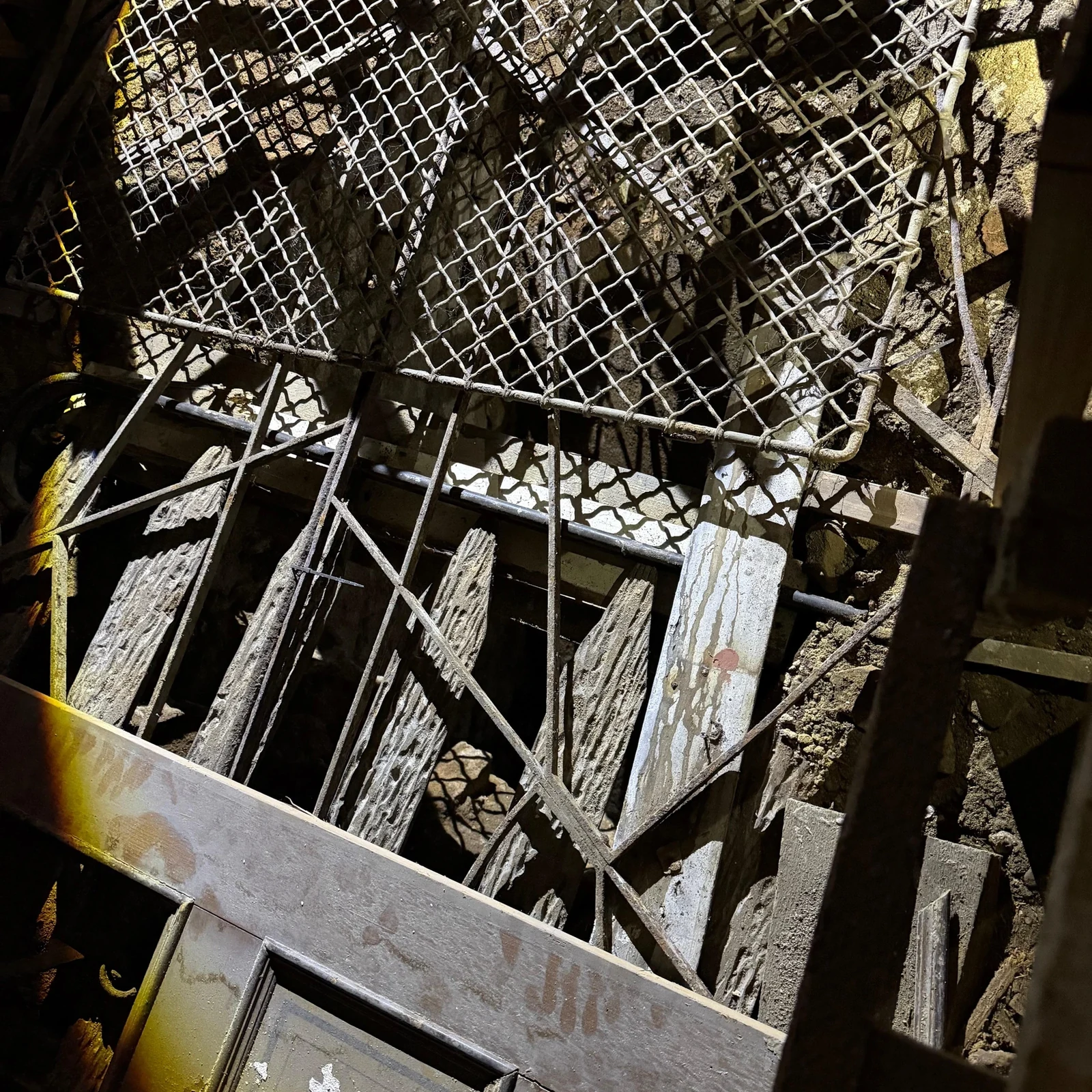
Vienna historic underground walking tour
Explore private cellars and historic spaces beneath central Vienna with a German-speaking guide and optional English audio guide. Compare the options before booking.
Vienna does not require a luxury budget, but accommodation, dining and sightseeing can quickly raise the cost. The key is knowing what is worth paying for.
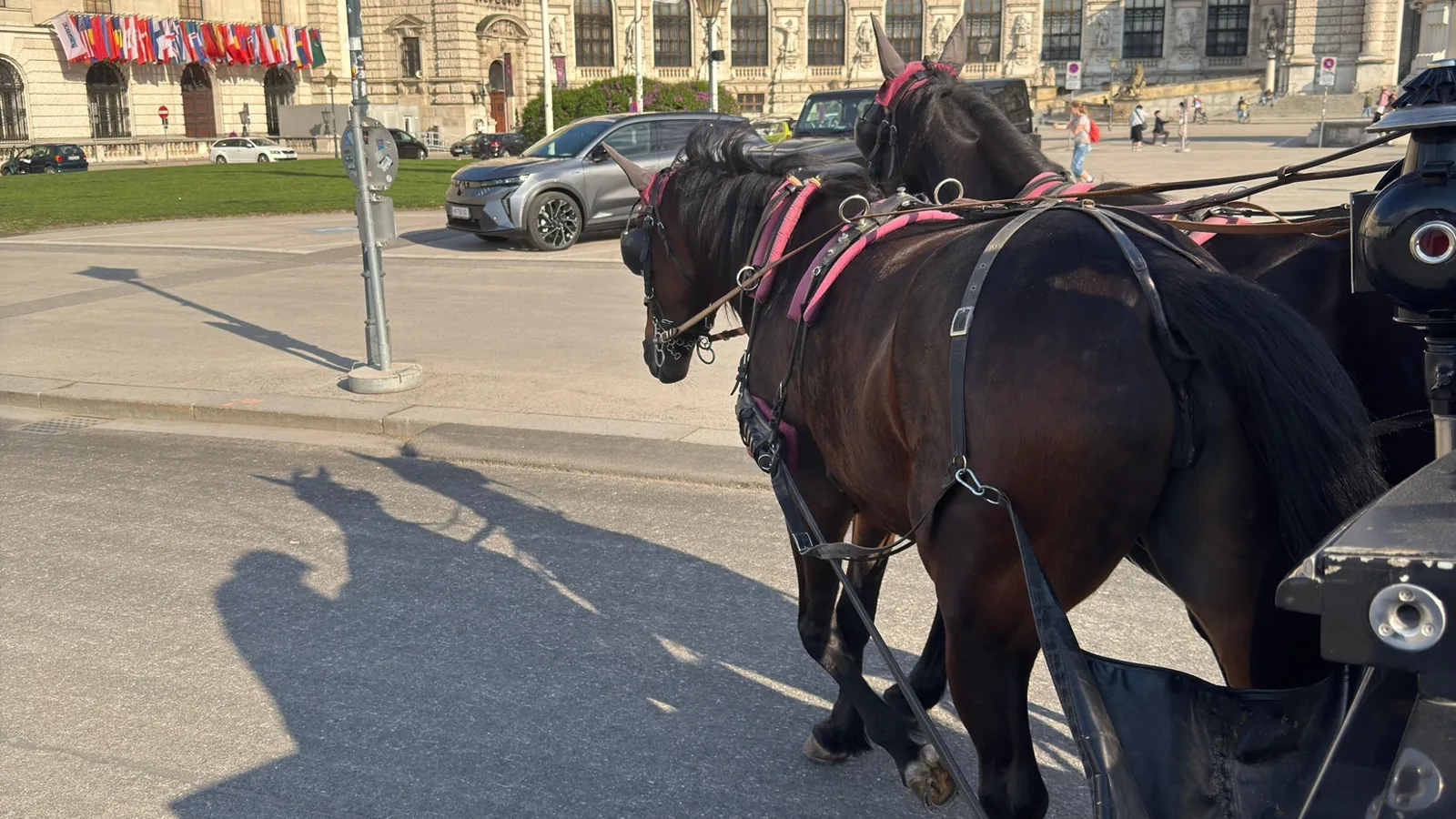
The cost of visiting Vienna depends mainly on when you travel, where you stay, how often you eat out and how many paid attractions you include. Monumental architecture, parks, squares and walks along the Danube provide plenty to enjoy for free. The aim is not to spend as little as possible at any cost, but to direct your money towards the parts of the trip that genuinely matter to you.
Compare locations and options to find a base that suits your trip. Booking.com confirms current availability and pricing.
Find accommodation on BookingAccommodation usually makes the biggest difference. Staying in the centre makes it easier to return to the hotel during the day and can reduce some travel, but that convenience generally costs more. A quiet, well-connected neighbourhood may offer more space and a better balance between price and experience.
Season also matters. Peak periods, holidays and dates with particular cultural or festive appeal can raise room prices and reduce availability. Booking late leaves fewer choices, even if you are willing to stay farther from the centre.
Food, transport and sightseeing come next. Each may seem manageable on its own, but together they can turn a moderately priced trip into an expensive one.
A tight budget requires planning, but it does not mean accepting a poor experience. It works best when accommodation is booked outside the historic centre near a convenient transport connection, with simple meals supplemented by food from supermarkets, bakeries or casual eateries.
The itinerary can focus on walks through the historic centre, parks, residential neighbourhoods and riverside areas. Instead of entering every famous building, choose one or two paid attractions that reflect a genuine interest.
This approach suits people who enjoy walking and do not need every meal to become an occasion. Its main limitation is reduced spontaneity: arranging accommodation as you go, booking activities at the last minute or visiting many monuments is less compatible with a strict budget.
For a first visit, a mid-range budget is probably the most comfortable balance. It makes it possible to stay in a convenient area, use public transport without calculating every journey, eat well at least once a day and choose several notable museums or interiors.
Money goes further when priorities are clear. One special meal may offer more than three restaurants chosen out of tiredness, while one long, carefully selected visit is usually more rewarding than rushing to collect admission tickets.
There is also room to sit in a café, linger at a market or change plans when it rains. That flexibility matters in Vienna, where much of the pleasure lies in slowing down.
With more room in the budget, accommodation can be in a central or particularly appealing area, meals require less planning and the itinerary can include concerts, guided tours or additional cultural experiences.
Comfort does not remove the need to choose. Vienna has enough paid attractions to fill several days, but visiting them one after another can cause more fatigue than enjoyment. A generous budget is better spent on quality—location, time, good seats or a particularly desired experience—than on adding activities without a break.
During a three-day stay, daily spending tends to be more intense. Arrival and departure transport, the main attractions and the desire to use every day fully are concentrated into a short period. A packed schedule also encourages expensive decisions for convenience, such as eating beside an attraction or booking without comparing options.
Five days make it easier to spread out visits and alternate costly days with others built around walks and outdoor spaces. Staying a little farther away also becomes more practical when transport connections are straightforward and the savings offset the extra journeys.
Over a week, total spending rises, but the average daily cost can fall. There is time to buy groceries, explore neighbourhoods with less tourist pressure and devote entire days to free or low-cost activities. The risk is maintaining the same pace of restaurants, admission fees and activities for seven days as on a short break.
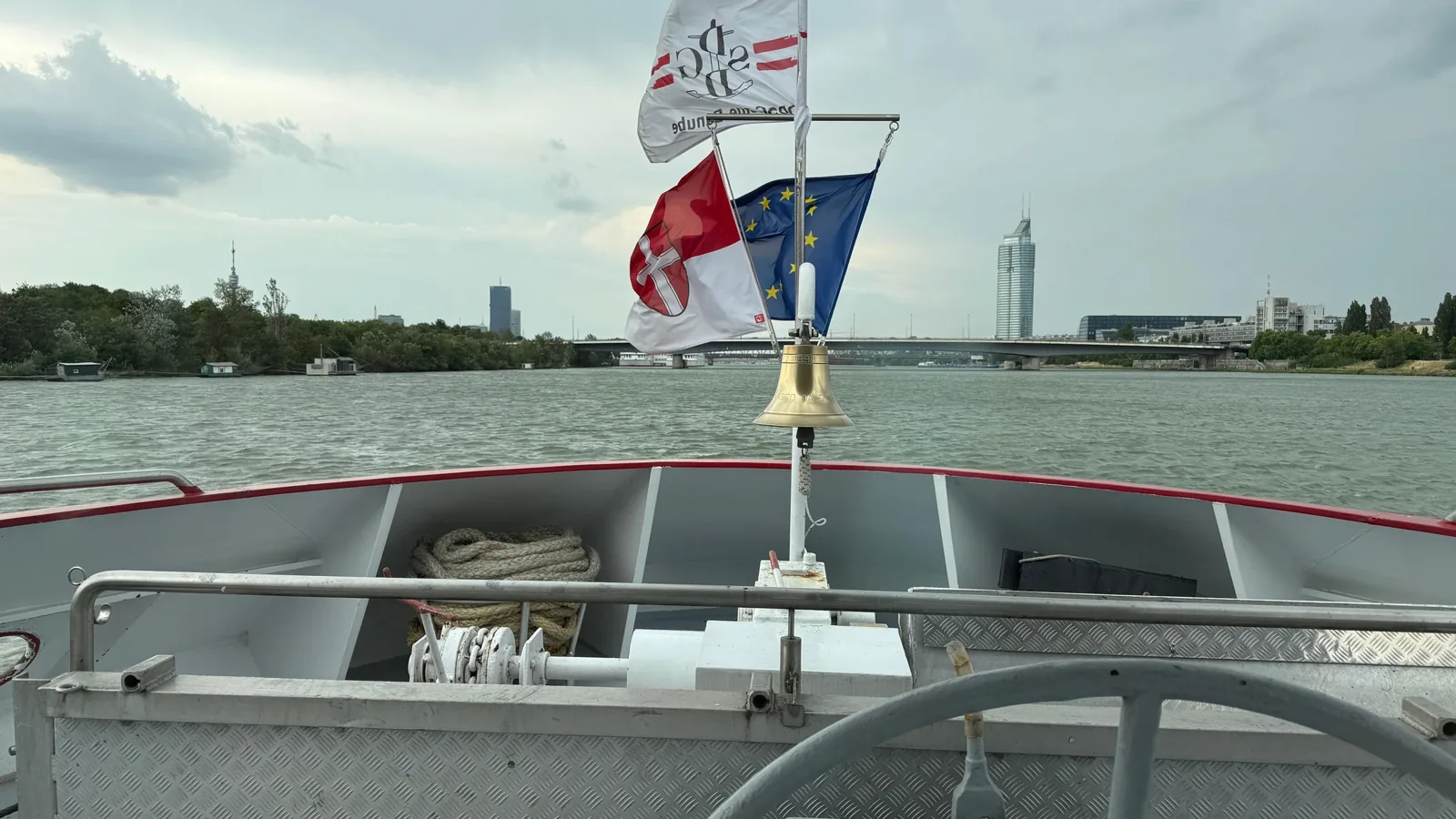
A good location does not always mean staying beside the monuments. Paying more for accommodation can be worthwhile when it provides better rest, avoids awkward connections or suits the kind of trip planned. It is less worthwhile when chosen only for a prestigious address while the entire day is spent elsewhere.
Indoor attractions also require discernment. Vienna is associated with palaces, museums, music and historic cafés, but there is no need to experience every facet on one trip. Choose two or three personal priorities and build the rest of the itinerary around them.
For food, setting aside part of the budget for one deliberate experience usually works better than spending automatically in busy areas. Simple meals are also entirely compatible with experiencing the character of the city.
Walking around compact areas and using public transport for longer journeys is generally more sensible than relying on individual rides. Before buying a pass or tourist card, compare what it includes with your actual itinerary: it saves money only when its benefits are genuinely used.
Alternating paid indoor attractions with streets, gardens and neighbourhoods prevents both overspending and cultural overload. Booking well in advance and checking cancellation terms also helps, especially during periods of high demand.
Choosing accommodation where a simple breakfast or dinner can be prepared can considerably reduce cumulative spending. You do not need to cook throughout the holiday; it is enough to avoid making every meal dependent on your location and the moment hunger strikes.
A budget can drift because of small, repeated decisions: breakfasts added to accommodation, drinks and snacks during visits, booking surcharges, arrival transfers, luggage storage, cultural purchases or an overly ambitious schedule.
Weather also has an impact. A cold or rainy day encourages more time indoors, visits to cafés or replacing walks with paid activities. Staying far away without a convenient connection can likewise create unexpected expenses and consume time that also has value.
Another common mistake is calculating only accommodation and transport. Vienna is best enjoyed with pauses, and a table, a drink or a last-minute ticket is also part of the budget.
There is no universal figure that would be honest without knowing your dates, accommodation and travel style. Vienna can be explored on a restrained budget if you book early, stay outside the most sought-after area and select only a few paid attractions. A mid-range budget offers more freedom and a balanced mix of culture, food and rest. With greater comfort, spending rises mainly because of location, dining and cultural experiences.
The best strategy is to secure accommodation and transport first, reserve a separate amount for the attractions that genuinely matter and leave room for the unexpected. Vienna rewards a well-directed budget, not necessarily the highest one. Its elegance also lies in everything that can be admired without buying a ticket.
Compare three different experience formats in Vienna and check each current price before setting your budget.
Activity on TourBookGoExplore private cellars and historic spaces beneath central Vienna with a German-speaking guide and optional English audio guide. Compare the options before booking.
 Activity on TourBookGo
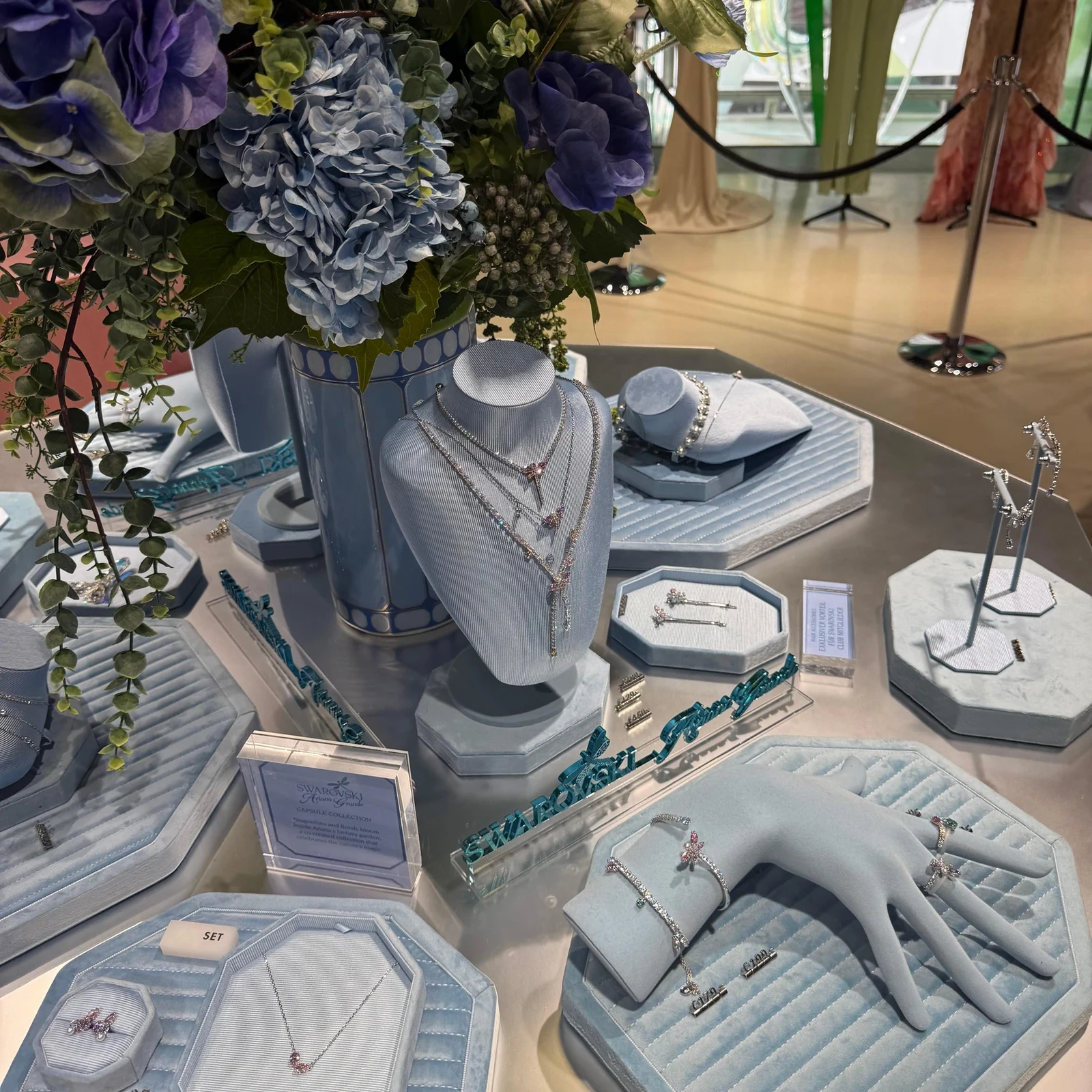
Step inside the Swarovski House on Kärntner Straße to explore art installations, design creations and the brand’s history with a Crystal Expert. The booking includes a drink and a crystal gift exclusive to this location.
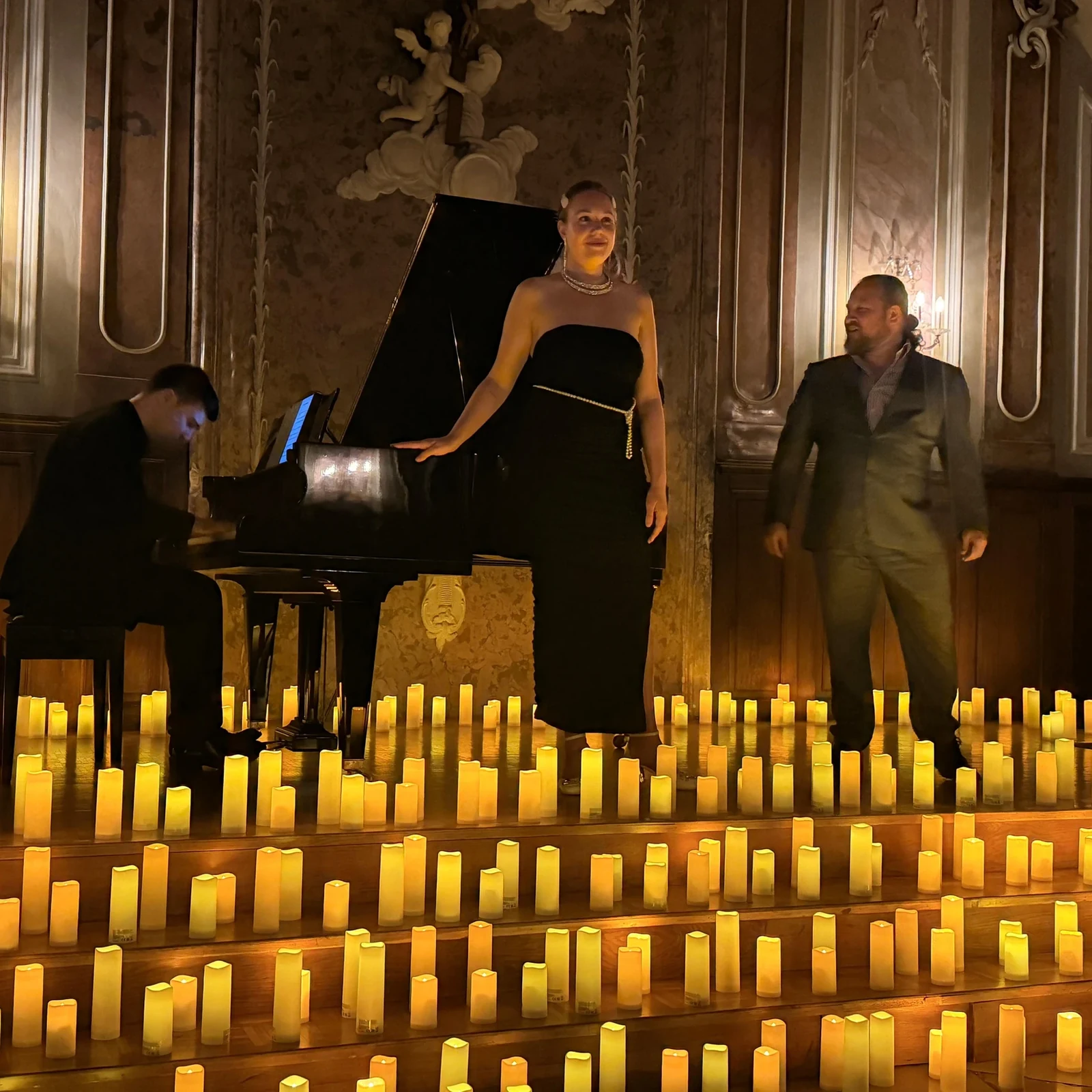 Activity on TourBookGo
Discover a 50-minute Freddie Mercury and Queen tribute with soprano, tenor, piano, classical music and hundreds of candles in a historic Vienna venue.