 Activity on TourBookGo
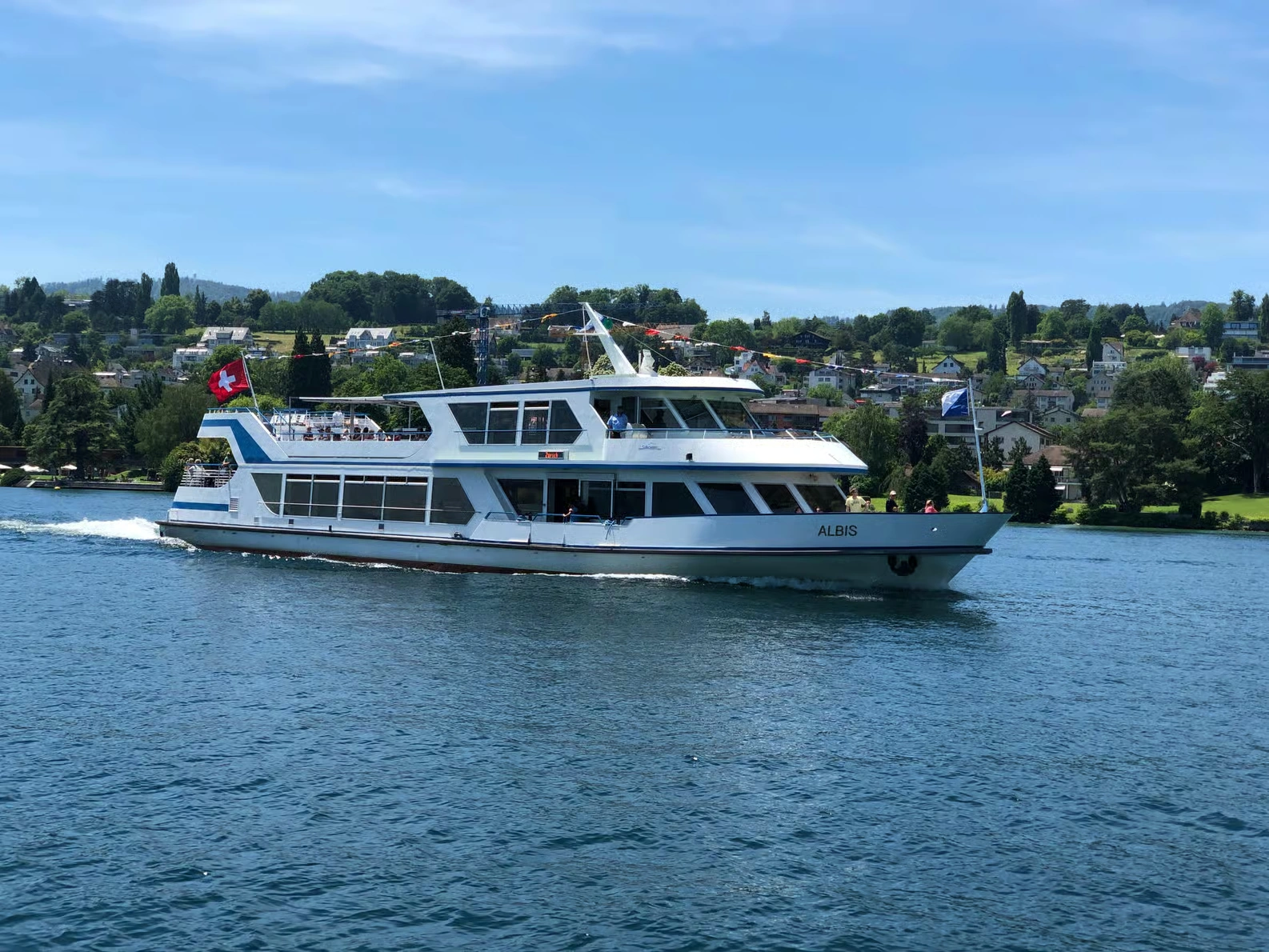
Zurich city tour with ferry, cable car, Old Town and Felsenegg
Book a Zurich city tour with ferry and cable car: Old Town, ETH, Bahnhofstrasse, Lake Zurich and panoramic Felsenegg views.
Zurich changes a great deal depending on the season. Choosing the right time can turn your trip into an elegant, light-filled escape—or into an expensive, grey, somewhat limited experience.
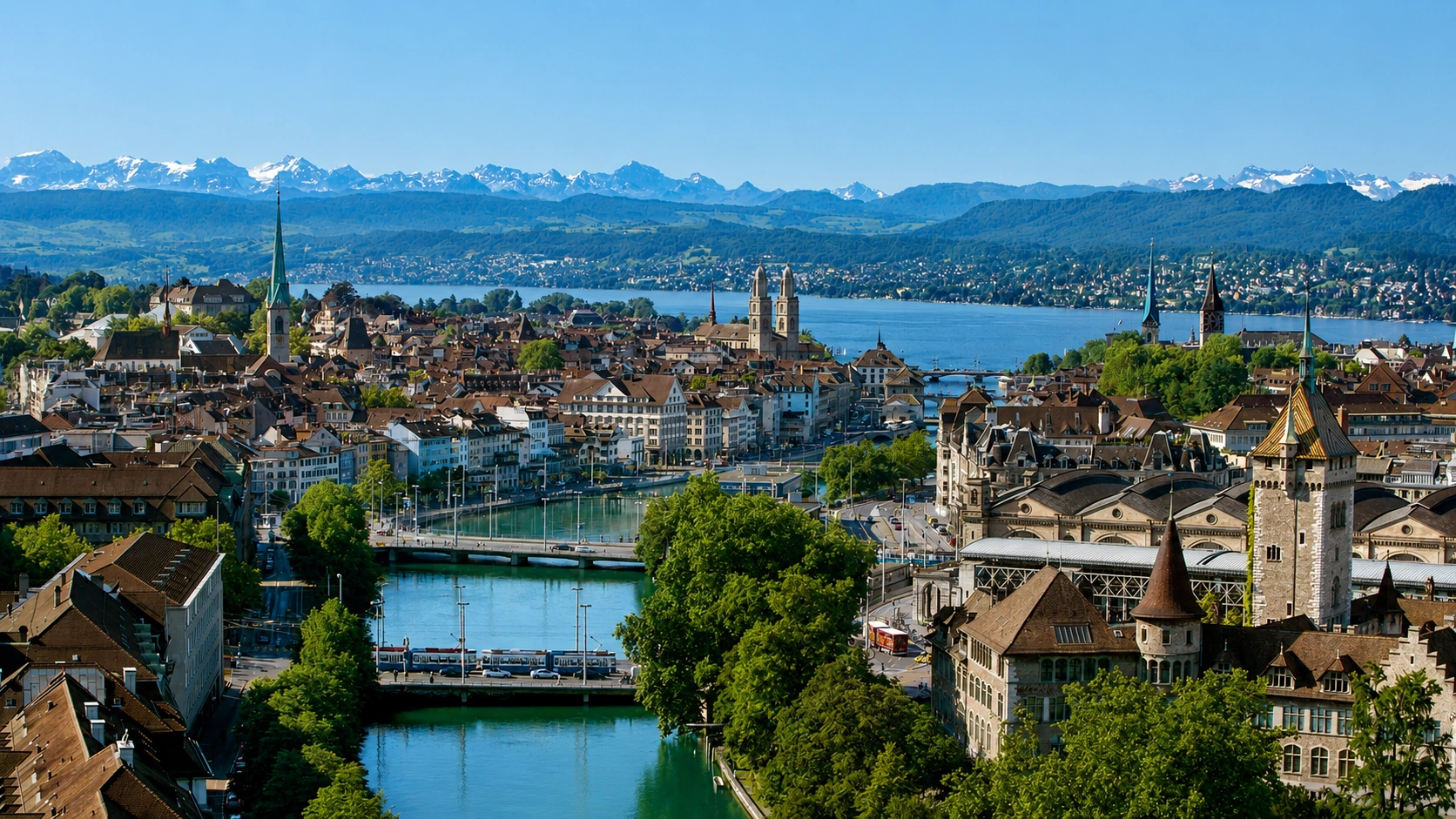
The best time to visit Zurich is usually between May and September, when the city opens up to the lake, the terraces fill up, the parks come alive, and it is easier to enjoy it on foot. If you want the most balanced month for weather, atmosphere and fewer crowds, Zurich in September is often the safest choice. Zurich does not need major monuments at every turn to be appealing: its charm lies in its order, its water, its trams, its elegant façades, its public bathing areas on the lake, its green hills, and that very Swiss blend of calm, money, and understated beauty. But not every month offers the same experience. Zurich can be bright and welcoming in summer, elegant in autumn, magical in December, and somewhat cold, expensive, and subdued on certain winter days.
Compare locations and options to find a base that suits your trip. Booking.com confirms current availability and pricing.
Find accommodation on BookingJune, July, August, and September are the most pleasant months for a first trip. There are more daylight hours, the lake becomes a central part of local life, and you can stroll around without feeling that the weather is dictating your plans. This is the best time if you want to walk through the Old Town, go up Uetliberg, take nearby day trips, have a drink by the water, or swim in the lake if the weather allows.
May and October are also very good options if you are looking for a quieter Zurich that is slightly less expensive. May brings spring light, flowers, and increasingly long days. October, by contrast, has a more melancholic feel: golden trees, cosy cafés, and a less touristy city, although there is a greater chance of grey days.
Zurich is not a city of constant extreme heat, but summers can be quite warm, especially in July and August. The good thing is that the lake and rivers help cool the city down, and locals make the most of any fine day to swim or sit outdoors.
In winter, it does get cold. December, January, and February can bring low temperatures, fog, dampness, and short days. It does not always snow in the city centre, and when it does, it does not always settle into a picture-postcard scene, so it is best not to travel expecting a guaranteed white city. The atmosphere can be very beautiful, but also grey if you happen to get several overcast days in a row.
MeteoSwiss uses the 1991–2020 climate normal as a reference for temperature, precipitation, and sunshine in Switzerland, and places the country’s lowland areas at approximate annual averages of 8–12 °C, which fits a city like Zurich: cold winters, mild or warm summers, and fairly frequent changes in the weather.
It can rain at any time of year. Zurich is not a dry destination, so it is worth always bringing a light jacket or a folding umbrella, even in spring and summer. Rainy days do not completely ruin the trip, because the city has good museums, cafés, elegant shops, and restaurants, but they do change the experience considerably if your main idea was to enjoy the lake and walk outdoors.
In summer, there can be thunderstorms. In autumn and spring, intermittent rain. In winter, the dampness can make the cold feel more intense.
High season in Zurich is concentrated mainly in summer, especially between June and August. The city receives more visitors, accommodation prices rise, and the areas around the lake are much livelier. It is not as overwhelming as some other European capitals, but it can still feel expensive and quite busy.
There is also another important peak in December, thanks to the Christmas markets, lights, and festive atmosphere. Zurich at Christmas has plenty of charm, but you have to factor in high prices, cold weather, and strong demand for hotels. Zurich Tourism highlights December for the city’s Christmas markets, Märlitram, and festive traditions.
Zurich is almost never a cheap destination. It is one of those cities where even a simple trip can become expensive if you do not pay close attention to accommodation, food, and transport. Even so, the months when you are more likely to find somewhat more reasonable prices are usually January, February, March, and November, outside public holidays, major events, and European long weekends.
The problem is that those months do not always show the city at its best. January and February can be cold and grey. November is usually quiet, but less bright. If you are looking for a balance between price and experience, May, September, or October are usually better than peak summer or Christmas.
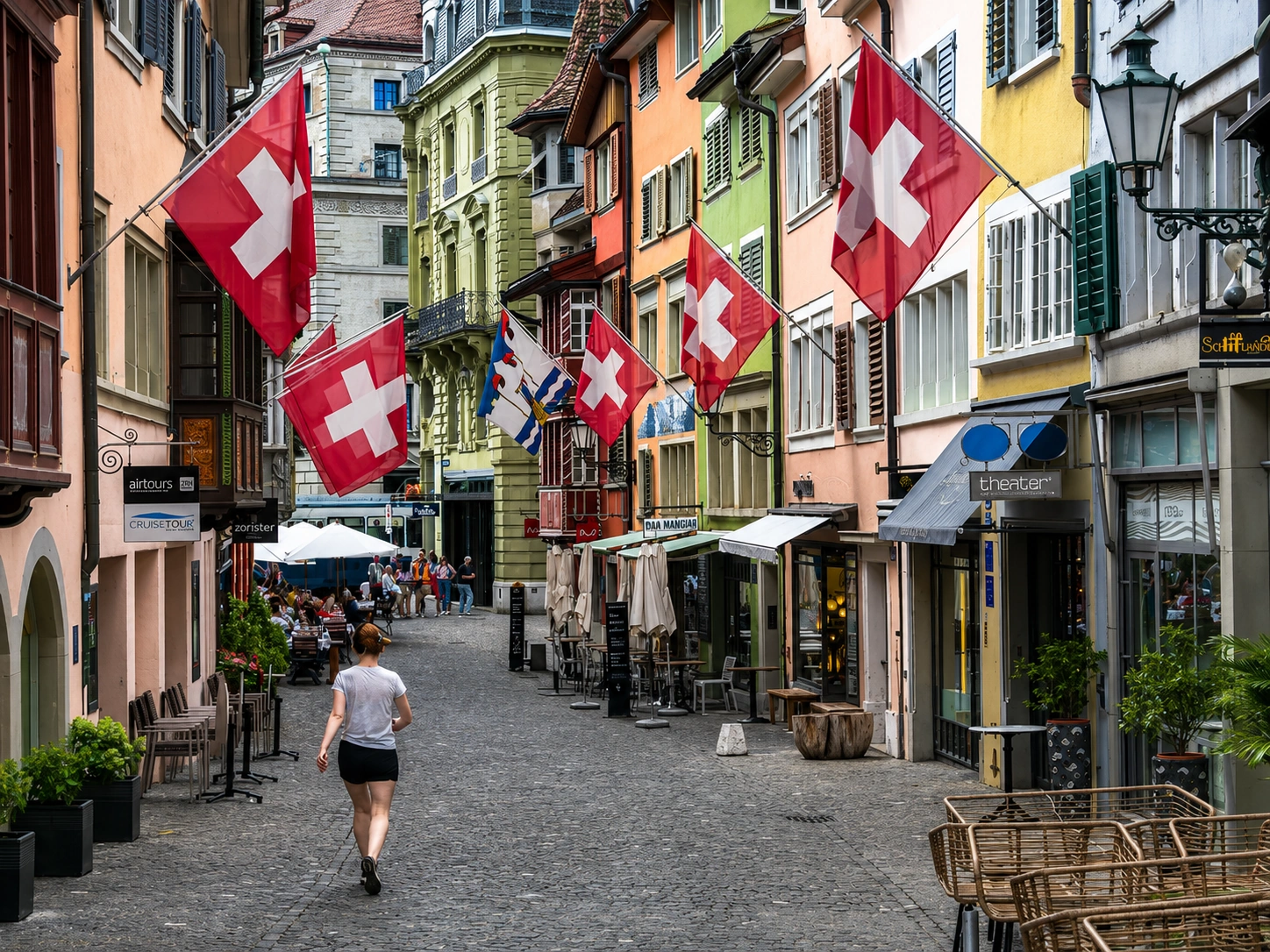
To find fewer tourists, it is best to avoid July, August, and December. The quietest months are usually January, February, March, and November. October can also be a good alternative: there is still autumn colour, less high-season atmosphere, and a more local feel to the city.
For a first visit, I probably would not choose January unless you want to use Zurich as a base for museums, shopping, gastronomy, or winter excursions. For a beautiful, comfortable escape without too many people, May, September, and early October work better.
Zurich has events that can make a trip more special, but also more expensive and crowded.
In spring, Sechseläuten stands out: the traditional festival that symbolically marks the end of winter. In 2026, it is scheduled for 20 April, with the children’s parade on 19 April and related activities taking place over those days.
In summer, the major event is Street Parade, one of Europe’s most famous electronic music festivals. In 2026, it is announced for 8 August, and it completely transforms the lake area with music, crowds, and a party atmosphere. It is a powerful experience if you are looking for energy and nightlife, but it can be uncomfortable if you want a quiet or romantic escape.
In December, Zurich becomes more intimate and festive with its Christmas markets, lights, carefully dressed shop windows, and winter atmosphere. It is a beautiful time for couples, shopping, gastronomy, and urban getaways, although it is not the cheapest or most comfortable season for walking for hours.
If I had to choose just one moment, I would choose September. The weather can still be good, the lake still has atmosphere, there are fewer tourists than in August, and the city feels more serene. It is probably the most balanced month for discovering Zurich without the excess prices and bustle of peak summer.
June is also excellent: long days, plenty of outdoor life, and a bright city. May is ideal for anyone looking for spring and a little more calm. December is worth it if you want a Christmas atmosphere, but not if you dislike the cold or are travelling on a tight budget.
If you are looking for walks, terraces, the lake, and excursions, travel between May and September.
If you want to swim in the lake and see the city at its liveliest, choose July or August, bearing in mind the high prices.
If you prefer calm, elegance, and a good balance, go for September or October.
If you want markets, lights, and a winter city break, travel in December.
If you are looking to save money, consider January, February, March, or November, but accept that the city may feel colder, greyer, and less vibrant.
Zurich is not a destination that depends only on the weather, but the weather changes its character greatly. In summer, it is water, light, and outdoor life. In autumn, it is quiet elegance. In December, it is an urban postcard. In the depths of winter, it can be sophisticated, yes, but also expensive and somewhat muted. Choosing the right date is almost as important as choosing the right hotel.
Choose experiences in Zurich that suit your travel season, the weather and the pace you want for each day.
Activity on TourBookGoBook a Zurich city tour with ferry and cable car: Old Town, ETH, Bahnhofstrasse, Lake Zurich and panoramic Felsenegg views.
 Activity on TourBookGo
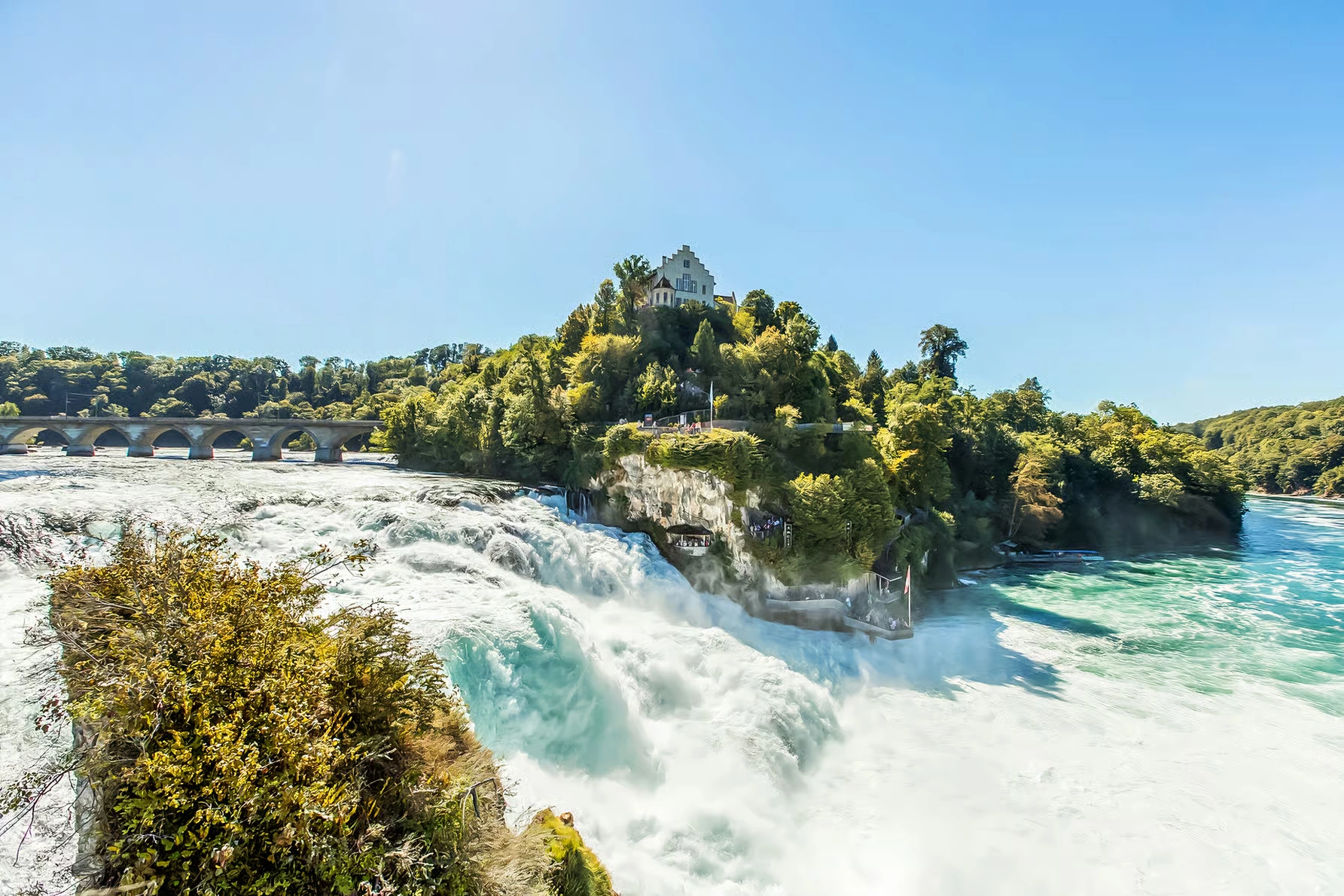
Book a Rhine Falls day trip from Zurich by coach, with a multilingual guide and entry to the Rhine Falls at Laufen Castle included.
 Activity on TourBookGo
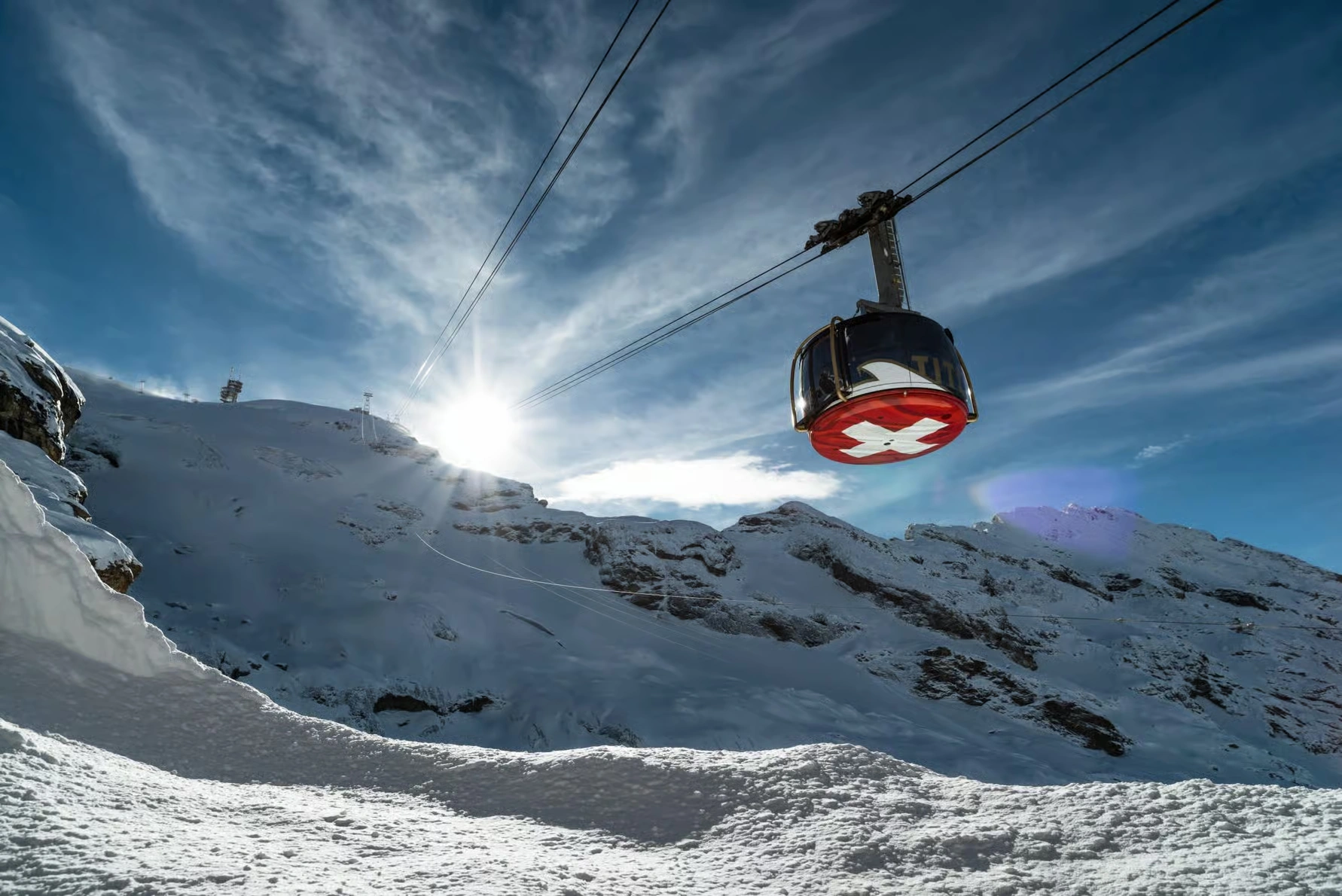
Book a Mount Titlis day trip from Zurich with Lucerne, Engelberg, Titlis Rotair cable car, Cliff Walk and glacier cave depending on conditions.