 Activity on TourBookGo
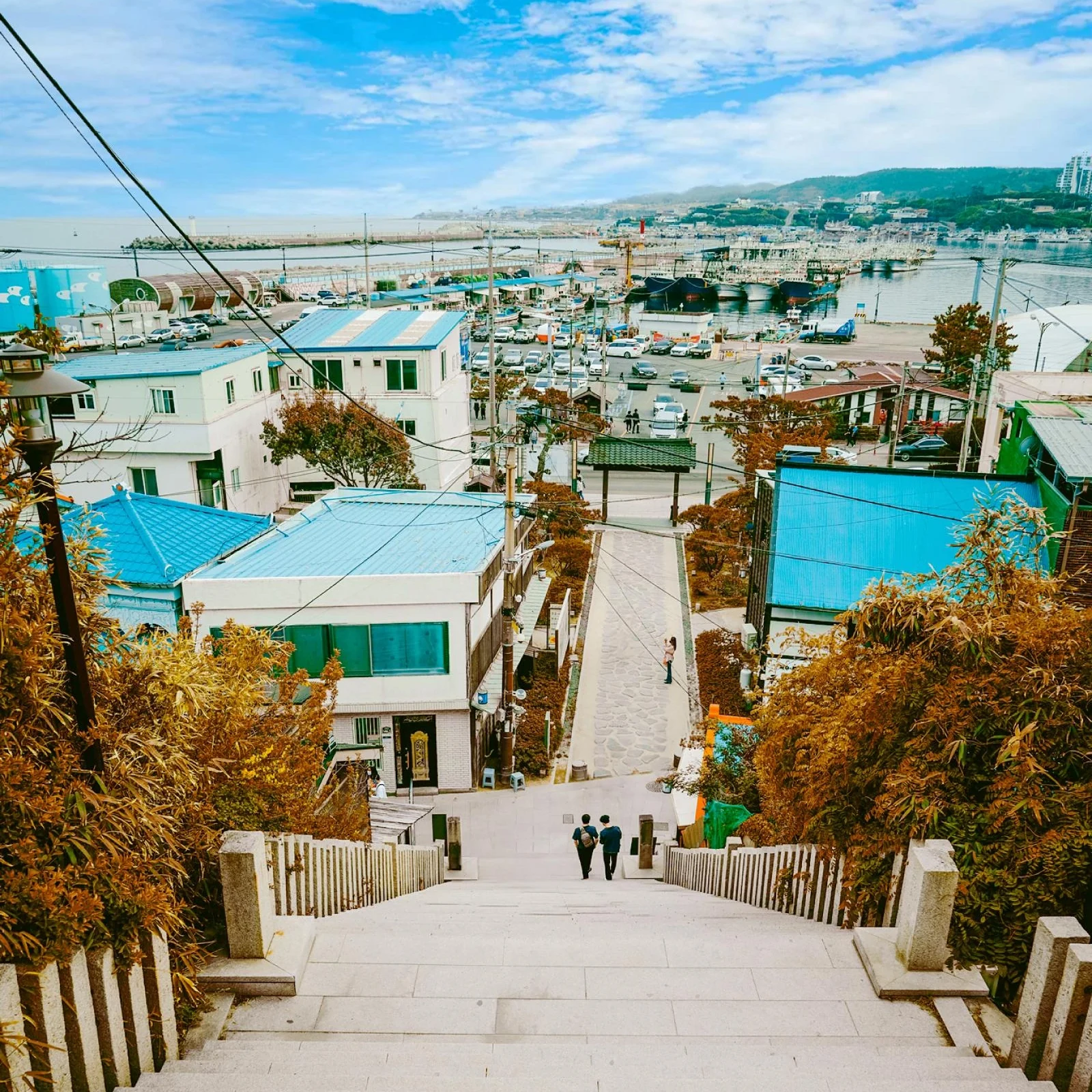
Pohang Day Tour from Busan with Space Walk, Guryongpo and Homigot
Book a Pohang day tour from Busan with transport and an English- or Chinese-speaking guide. Visit Space Walk, Guryongpo and Homigot in one day.
Safety in Busan is generally high, making the city comfortable to explore. Sensible precautions are still recommended around nightlife districts, busy markets, beaches, severe rain, and changing coastal conditions.
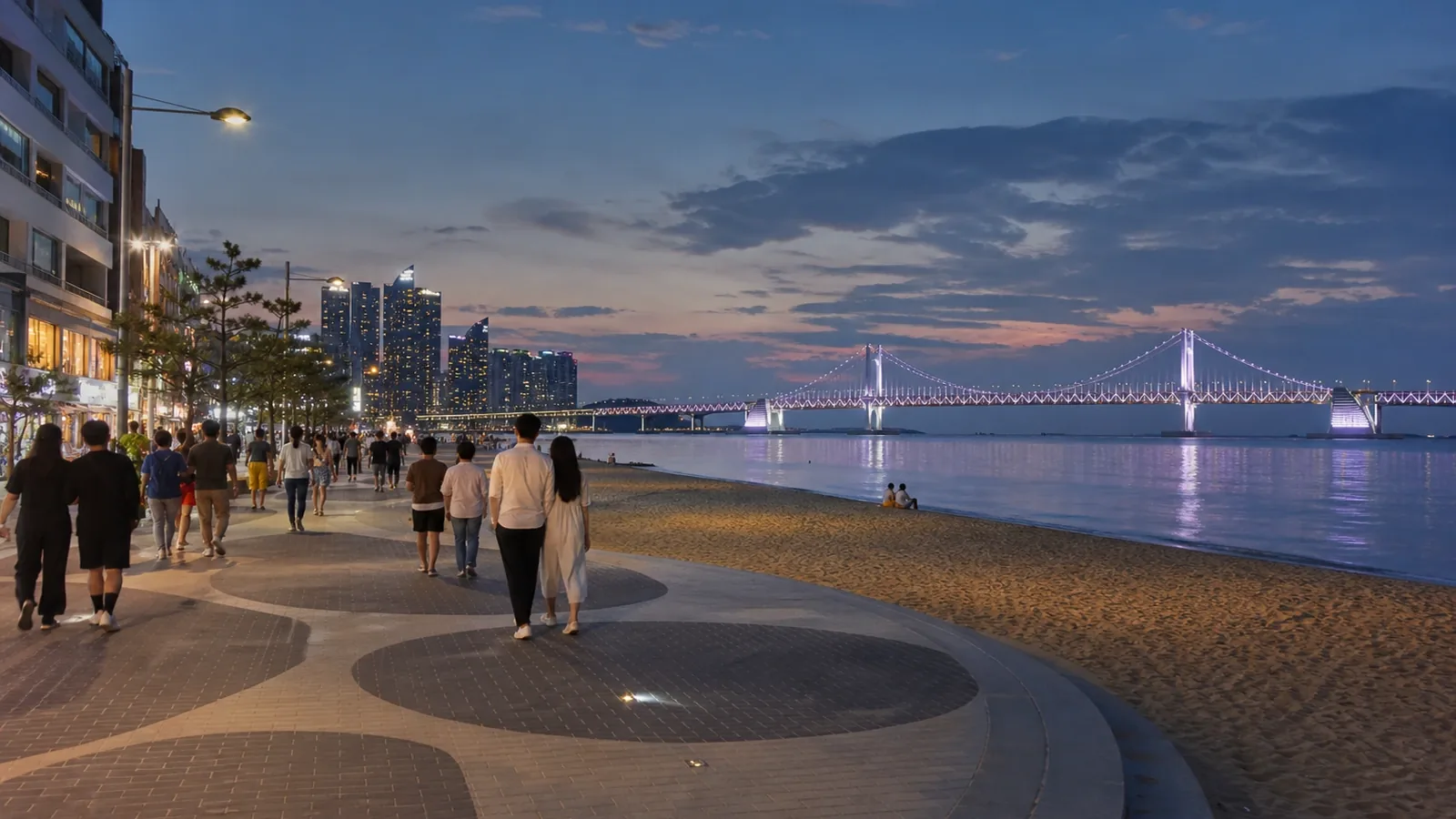
Safety in Busan often leaves a positive impression on first-time visitors. The subway runs smoothly, major avenues remain well lit until late, and families, couples, and groups of friends continue strolling along the waterfront as Gwangan Bridge shimmers across the water. Overall, Busan is safe to visit for tourists, families, and solo travelers, while crimes against foreign visitors remain uncommon. However, a safe city is not completely risk-free: occasional theft, alcohol-related incidents, traffic, and natural hazards are worth understanding before and during your trip.
Compare locations and options to find a base that suits your trip. Booking.com confirms current availability and pricing.
Find accommodation on BookingNone of Busan’s main tourist districts can generally be described as no-go areas. Haeundae, Gwangalli, Seomyeon, Nampo, Jagalchi, and the area around Busan Station welcome thousands of residents and visitors every day.
The most common risk is not usually violent robbery, but a series of small lapses in judgment: leaving your phone on a table in a crowded venue, losing sight of your bag in a market, drinking too much, or walking back alone through unfamiliar streets after a night out.
Crimes against foreign nationals are uncommon, although occasional theft does occur. Assaults, including sexual assaults, have also been reported, particularly in bars, clubs, and other nightlife settings.
Seomyeon is one of Busan’s main shopping and nightlife hubs. During the day, it is lively and easy to navigate; in the early hours of the morning, some streets fill with groups who have been drinking, persistent promoters, and venues that may be difficult to assess if you do not speak the language.
There is no need to avoid the area, but it is wise to choose bars with clearly displayed prices, keep an eye on your drink, and avoid following strangers to secluded venues.
Busan’s two main beach districts generally remain safe after dark. The atmosphere changes mainly on weekends, during festivals, and on summer nights, when waterfront terraces and nearby streets become more crowded and alcohol consumption increases.
When returning late, choose main avenues over quiet alleyways. A licensed taxi or public transportation, while it is still running, offers greater peace of mind than a long walk alone.
In the markets, the most realistic risks are everyday rather than dramatic: being jostled in a crowd, misplacing belongings, slipping on wet floors, or becoming disoriented among the stalls. Keeping your bag closed and your phone out of sight is sufficient in most cases.
It is also advisable to confirm the price before ordering seafood or fish to be prepared for you. A high bill does not always indicate a scam; it is often the result of failing to clarify the weight, cooking method, or side dishes in advance.
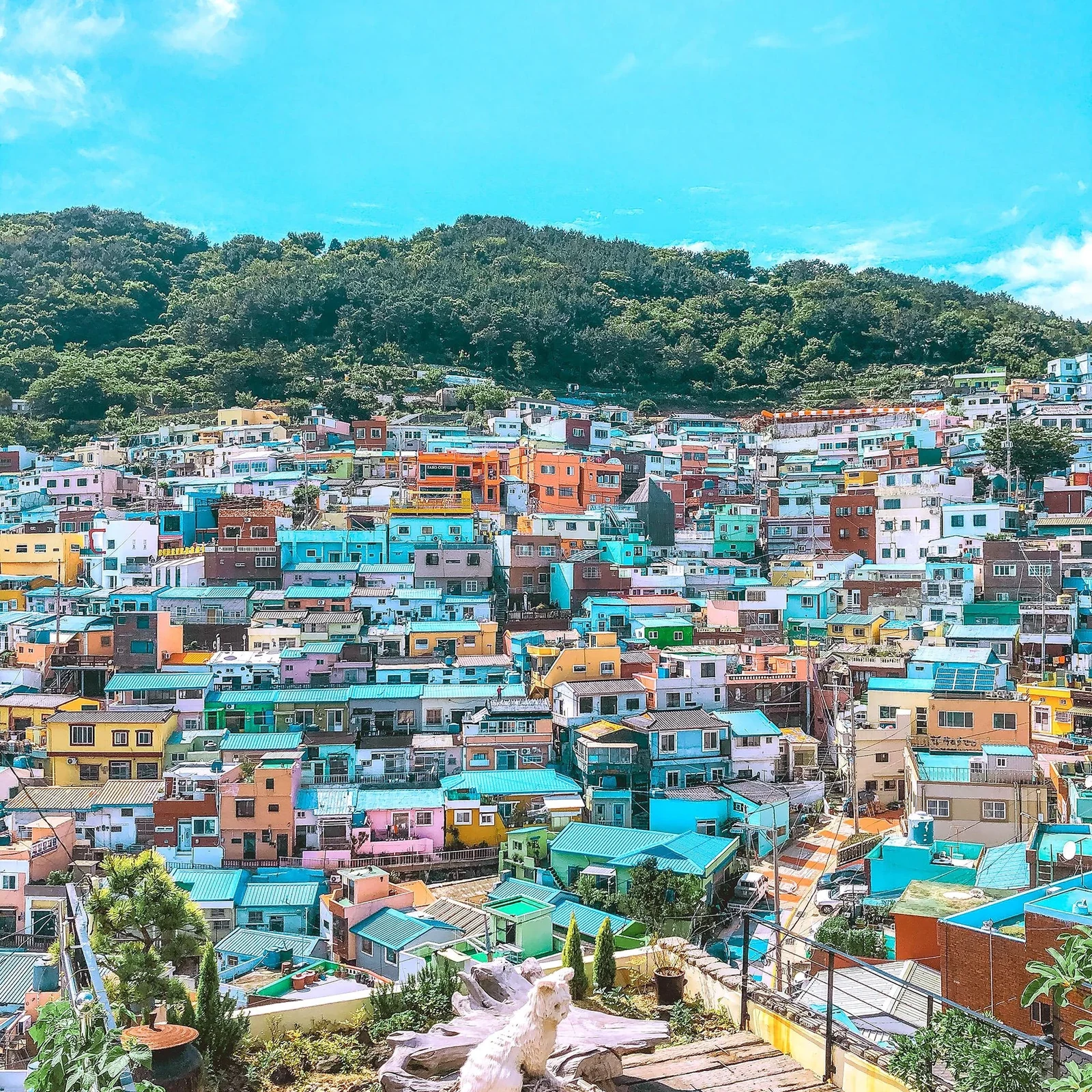
Gamcheon Culture Village is peaceful, but its steep stairways, slopes, and narrow alleys can become uncomfortable after dark or in rainy weather. The main risks here are physical: slipping, getting lost, and having difficulty finding transportation on side streets.
Visiting during the day provides better light and prevents a picturesque walk from turning into a tiring descent down wet steps.
In central and coastal areas, walking around Busan at night is generally reasonably safe. Streets are well lit, businesses remain open, and the main roads stay busy. Even so, it is sensible to take the same precautions you would in any large city.
Avoid isolated parks, empty underpasses, and quiet alleyways.
Do not accept open drinks from strangers.
Keep your phone charged and save your accommodation address in Korean.
Use licensed taxis or public transportation.
Do not fall asleep in stations, on beaches, or on public benches after drinking.
Many taxi drivers speak little English, so having the hotel’s name and address written in Korean can help prevent mistakes and unnecessary disputes.
Busan can be a good choice for women traveling alone. Public transportation is orderly, many neighborhoods remain active until late, and eating alone is not considered unusual.
The greatest caution is needed around nightlife. Keep an eye on your drink, be wary of overly persistent invitations, and avoid walking back alone after consuming alcohol. Choosing accommodation close to a subway station also reduces the need to cross quiet areas late at night.
Being cautious does not mean experiencing the trip in fear. It simply means not mistaking the city’s overall sense of safety for an absolute guarantee, particularly around bars and clubs.
Busan is generally a convenient destination for families with children. The subway, shopping malls, aquariums, parks, and waterfront promenades make it easy to plan days without major complications.
The most relevant risks are traffic, crowds, and the sea. Some intersections are wide, and vehicles may turn while pedestrians have the right of way, so it is important to look carefully even when the pedestrian light is green. In Gamcheon, Taejongdae, and along certain coastal trails, steep slopes may tire young children or be difficult to navigate with a stroller.
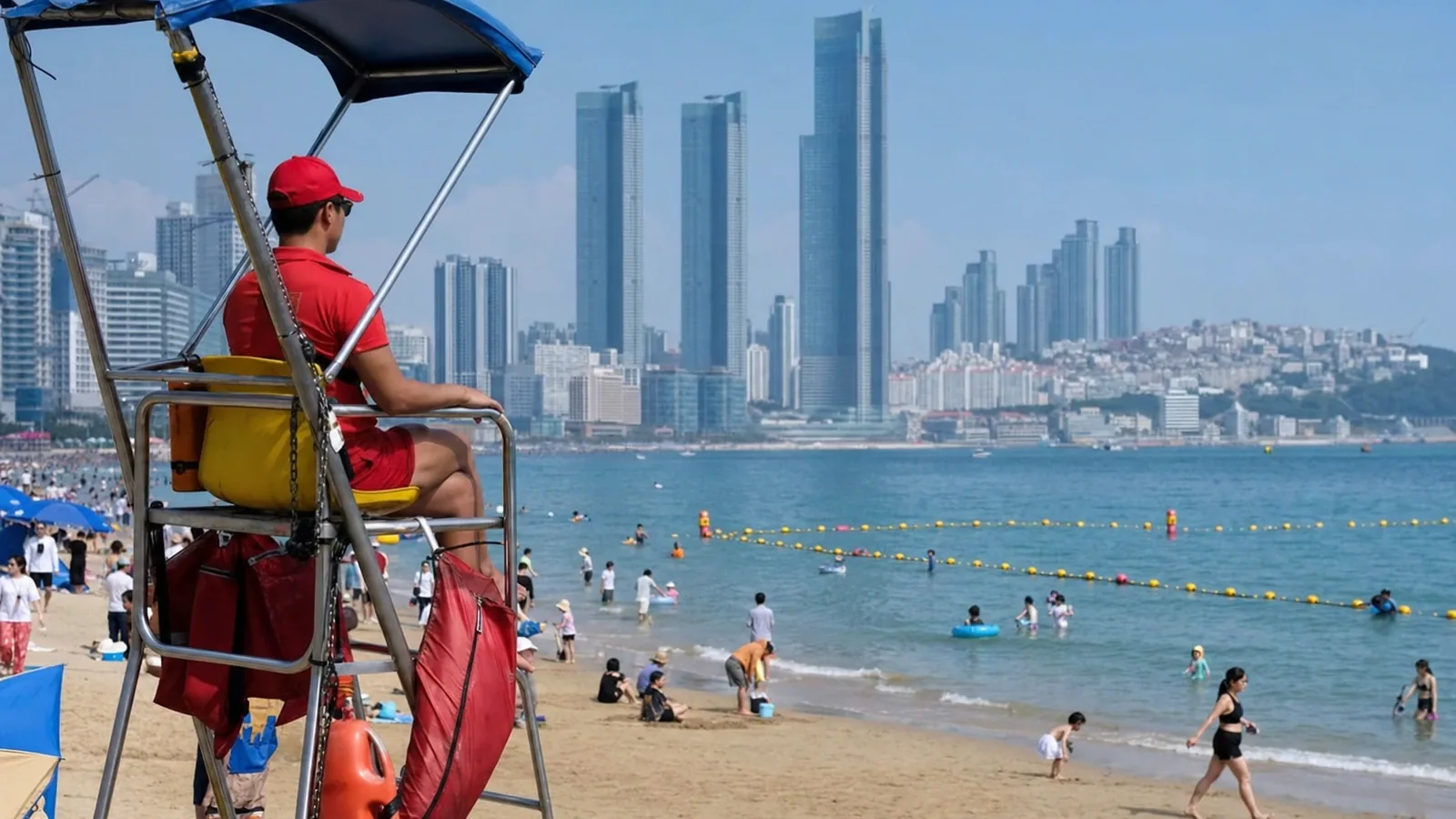
At the beach, always remain within designated swimming areas and follow lifeguard instructions. During the summer season, pay attention to separate swimming and water-sports zones, currents, jellyfish warnings, and alerts for severe weather.
The weather can pose a more serious danger than crime. Typhoon season generally runs from June to November, while heavy summer rainfall can cause flooding, transportation disruptions, and landslides in mountainous areas.
During a severe storm, avoid breakwaters, coastal platforms, and rocky areas, even if you only want to watch the waves. The sea around Busan may look calm from the promenade, but currents and wave conditions can change quickly.
Emergency alerts may arrive on your phone in Korean. The official Emergency Ready app provides safety information and translated alerts, although it is also advisable to monitor weather forecasts and follow local instructions.
Busan’s distance from the border means that everyday life in the city usually continues largely unaffected by military tensions. Even so, the situation on the Korean Peninsula can change with little warning, and South Korea occasionally holds civil defense drills.
Political demonstrations may also take place. They are generally peaceful and monitored by the authorities. The sensible approach is to stay informed, avoid large gatherings, and follow official instructions.
112: police.
119: fire and ambulance services.
1330: tourist assistance.
Even if you do not speak Korean, you can say “English please” when calling 112 or 119, or request an interpreter. Keeping GPS enabled and being able to identify a nearby building will make it easier for emergency services to locate you.
Yes. For most travelers, Busan offers a calm and manageable experience, with low levels of tourist-related crime and reliable infrastructure.
Those who should take extra care include people planning to stay out alone very late, drink with strangers, swim outside supervised areas, or visit the coast during severe weather. The city may also feel less convenient for travelers who expect to communicate in English at all times or improvise every journey without saving addresses in Korean.
Busan does not require fear, but it does require awareness. You can listen to the waves in Gwangalli, wander among the stalls at Jagalchi, or take the subway back after dinner while remembering that sensible caution should still be part of your luggage.
Discover selected experiences in Busan to complete this guide with Korean culture, food, coastline, markets, temples and well-organised day trips.
Activity on TourBookGoBook a Pohang day tour from Busan with transport and an English- or Chinese-speaking guide. Visit Space Walk, Guryongpo and Homigot in one day.
 Activity on TourBookGo
Book a Daegu to Busan day trip with a guide, small-group transport and visits to Haedong Yonggungsa, Cheongsapo, Huinnyeoul and Gamcheon.
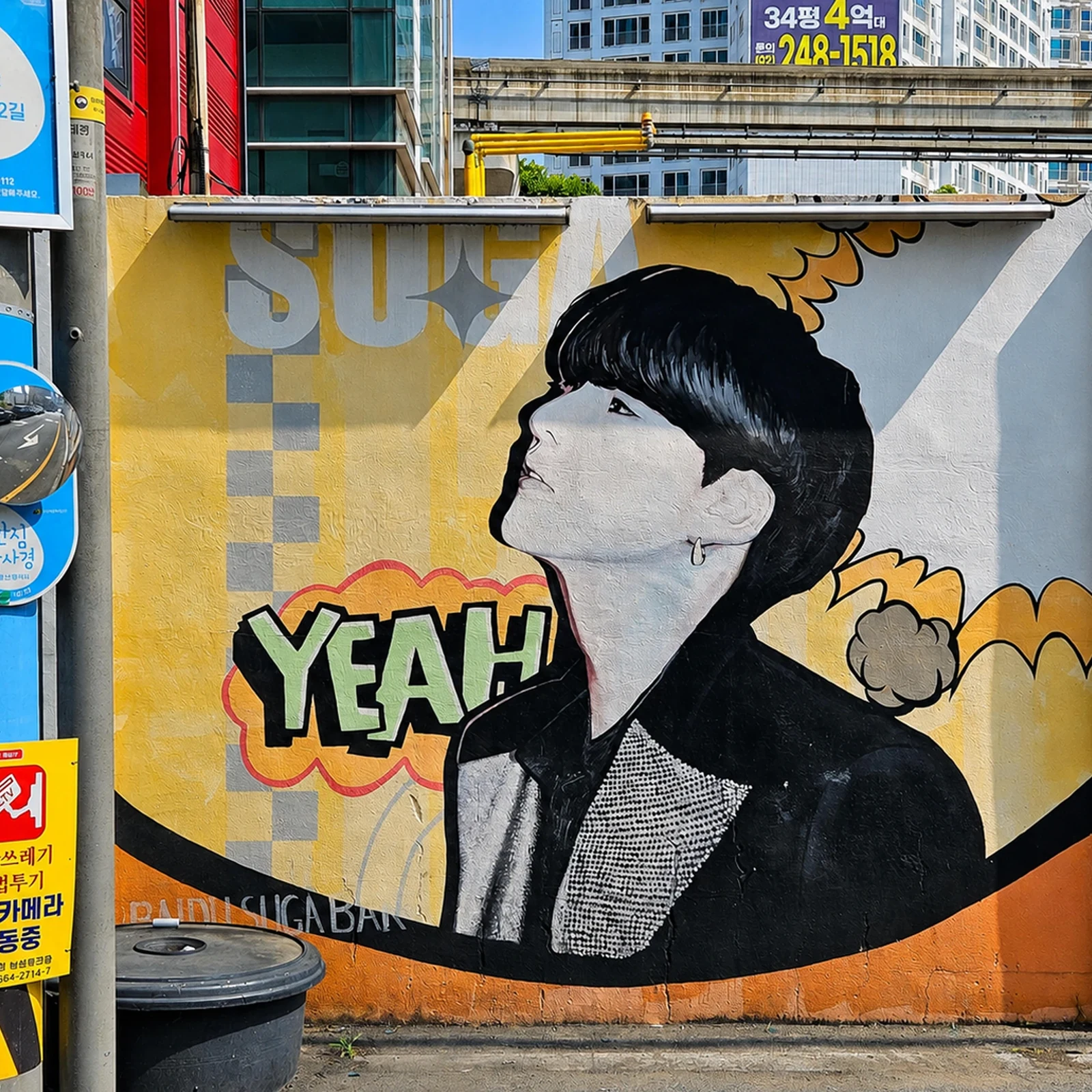 Activity on TourBookGo
Book a BTS Daegu day trip to explore murals, parks and meaningful locations with an English-speaking guide. Choose KTX from Seoul, Busan or meet in Daegu.