 Activity on TourBookGo
Dubai luxury yacht tour with BBQ and drinks
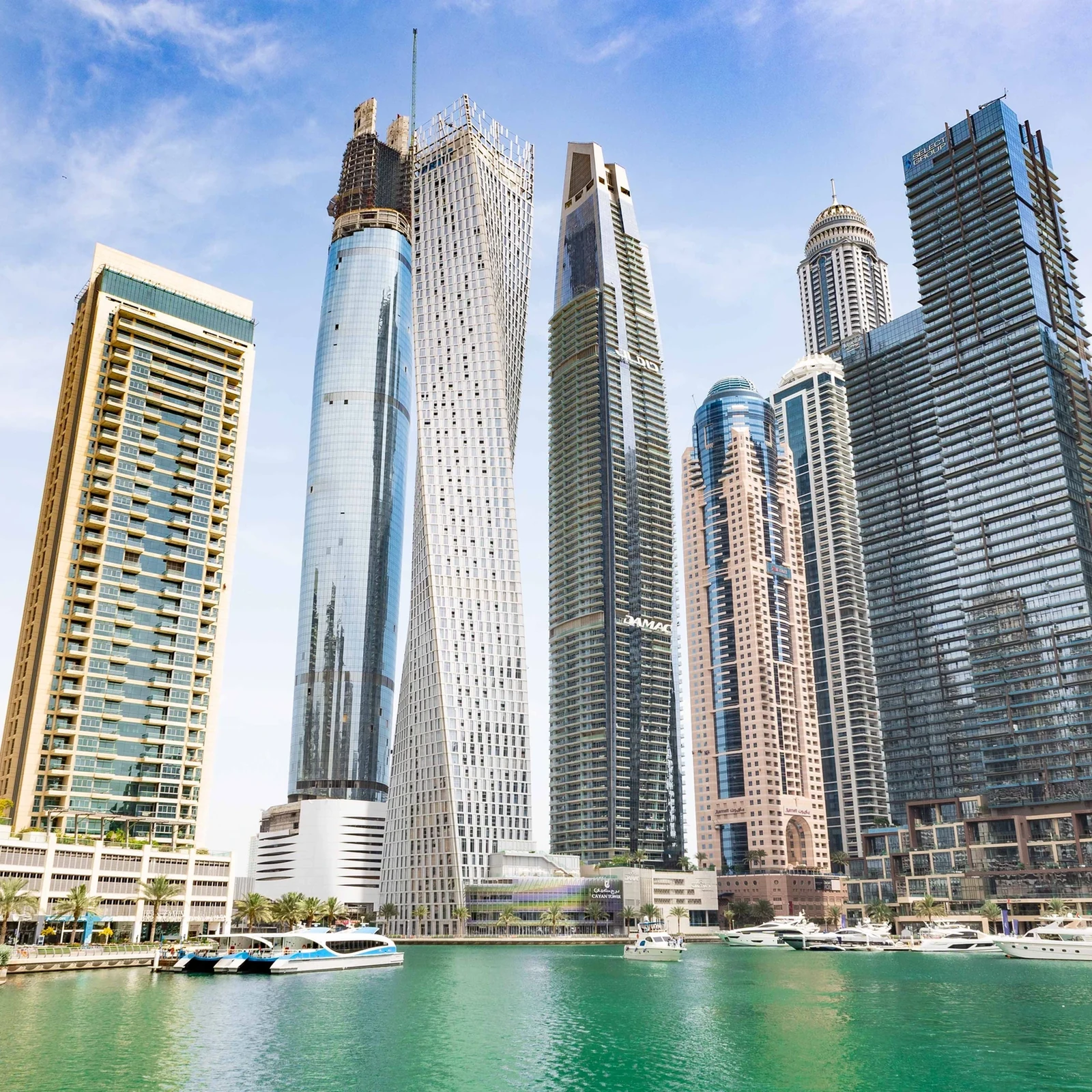
Cruise 1 to 3 hours from Dubai Harbour past Marina, Bluewaters, Burj Al Arab and Atlantis, with drinks and selected breakfast or BBQ options.
Dubai is a city of contrasts that are hard to ignore. Skyscrapers that seem to compete with the sky, neighbourhoods where courtyards and narrow lanes still survive, beaches facing monumental hotels, enormous shopping malls and, just a few hours later, the vast silence of the desert.
But what to do in Dubai depends very much on the kind of trip you are looking for. The city can be fascinating for those who enjoy contemporary architecture, large-scale projects, international cuisine, shopping and spectacular experiences. It can also disappoint travellers expecting a compact historic city that is easy to explore on foot and filled with spontaneous street life around every corner. The key is not to try to see everything. Dubai works best when you combine its different sides.
Compare locations and options to find a base that suits your trip. Booking.com confirms current availability and pricing.
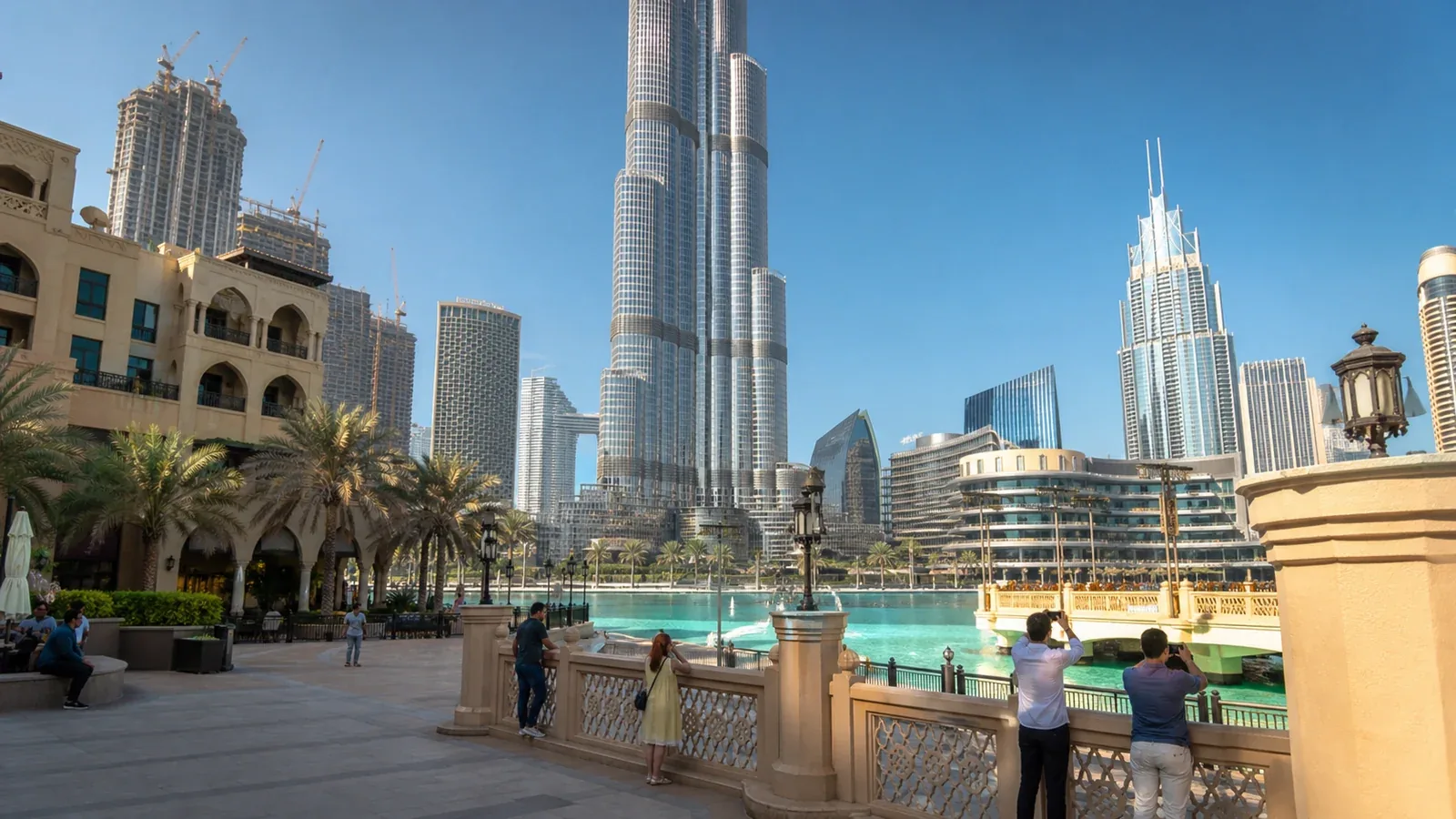
Find accommodation on BookingThe Burj Khalifa dominates Dubai long before you reach its entrance. Its proportions are easier to understand from a distance, when the tower rises above Downtown like a metallic needle that seems to narrow until it disappears into the sky.
Going up allows you to see Dubai’s unusual geography from above: enormous highways, towers, residential developments, stretches of sand and the Persian Gulf closing off the horizon.
The experience, however, is very tourist-oriented. It can get quite crowded, and much of the visit is organised like an attraction. Anyone expecting an intimate moment probably will not find one.
Even so, it is particularly worthwhile on a first visit to Dubai, especially when visibility is good. Sunset is highly sought after, although that also means it can feel considerably busier.
The area around the Burj Khalifa concentrates the most recognisable image of contemporary Dubai. It is a district of wide avenues, hotels, restaurants, terraces and buildings designed to impress.
The Dubai Mall is also located here. Even for travellers with little interest in shopping, its sheer scale offers a revealing glimpse into an important part of the city’s leisure culture.
It is worth setting aside some time, but not necessarily half your trip. Dubai has plenty more to offer beyond this polished core.
One of the most common mistakes is visiting Dubai and seeing nothing beyond its futuristic architecture.
Around Dubai Creek, a very different city emerges. The landscape becomes more human in scale, sightlines shorten, and the small traditional boats known as abras cross the water between the two banks.
The historic Al Fahidi district offers a glimpse of architecture that is far more restrained than Downtown, while across the Creek in Deira, markets and commercial streets still retain a character very different from the city’s giant shopping malls.
It is best not to romanticise the area as an untouched old city. Dubai has changed enormously, and its historic districts are relatively small. But that is precisely why they matter: they provide context for everything that came afterwards.
It is one of the simplest and most enjoyable things to do in the city.
The ride is short, but it offers something that the major attractions do not always manage to provide: direct contact with the everyday rhythm of the Creek, the sound of the engines, the breeze over the water and the façades stretching along both banks.
The spice and gold markets are part of the classic Dubai itinerary.
There are intense aromas, impossible-to-ignore shop windows, vendors calling out to visitors and plenty of commercial activity.
It is also an area where it helps to keep some perspective. Some streets are clearly geared towards tourists, and sellers can feel persistent to travellers who are not used to bargaining.
Rather than chasing an supposedly “authentic” experience at all costs, it is better to explore the area with curiosity and without rushing.
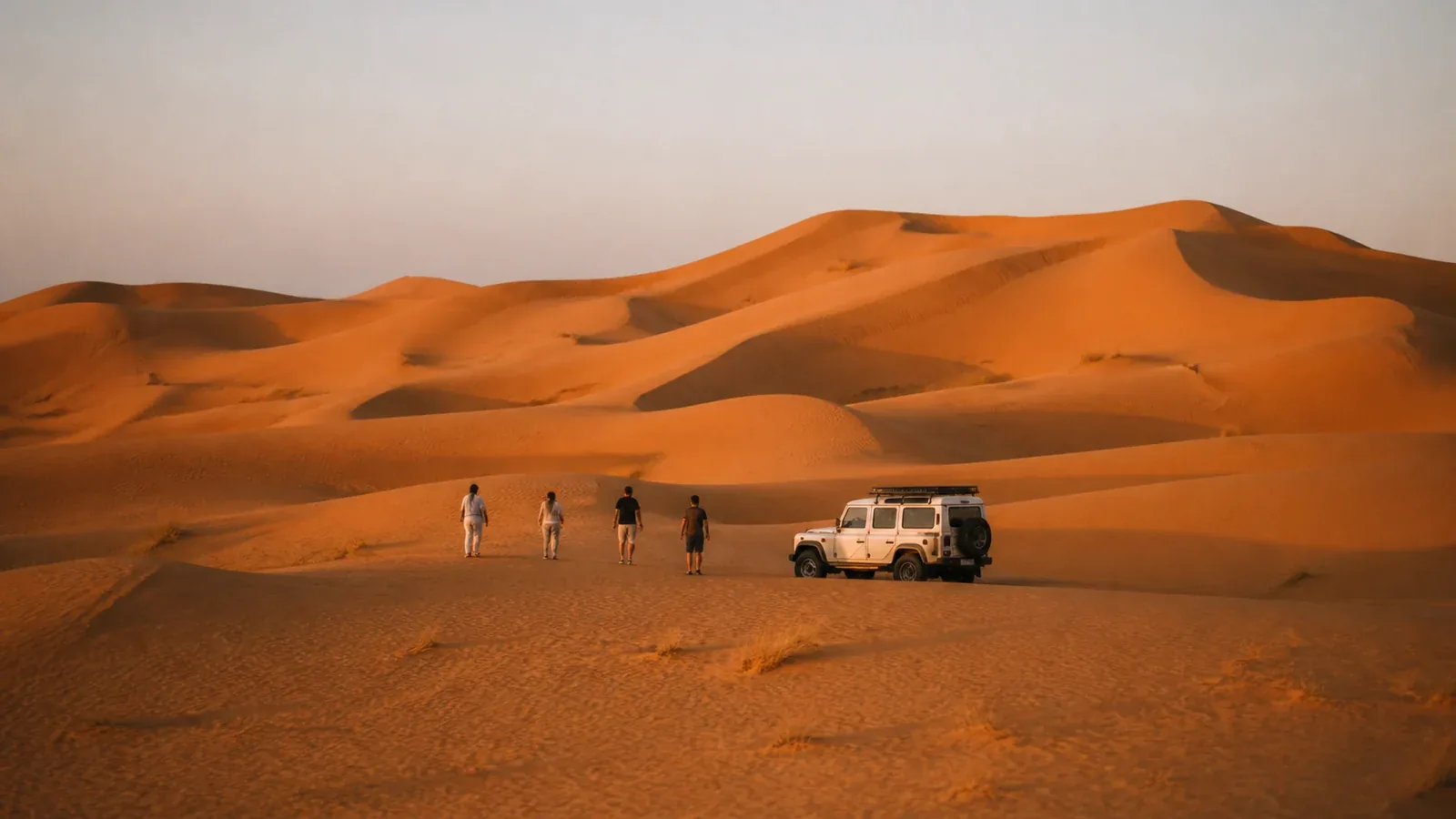
Leaving the city completely transforms the landscape.
After the steel, glass and highways comes the sand. Towards the end of the day, the dunes take on golden and reddish tones, while the horizon regains a sense of openness that is difficult to find among the skyscrapers.
Excursions can include dune driving, dinners, shows and other activities. The quality of the experience varies considerably depending on the operator and the type of tour.
This is one area where choosing carefully matters. The most crowded tours can feel overly staged for tourists. If your main goal is to see the desert and enjoy the landscape, it generally makes more sense to prioritise less congested experiences rather than packages overloaded with activities.
Dubai can also be a beach destination, although it would be a mistake to think of it exclusively in those terms.
Areas such as Jumeirah allow you to combine the sea with the city. On clear days, the contrast between the water, pale sand and modern architecture creates some of the most appealing scenes in the emirate.
During the hottest months, however, spending long periods outdoors can become uncomfortable. The time of year has a major impact on how you experience Dubai.
The Burj Al Arab is another of the city’s architectural symbols.
You do not need to stay there to appreciate its distinctive silhouette. Seeing it from different points along the coast helps explain how Dubai has used architecture not only to construct buildings, but also to create an identity recognised around the world.
Dubai Marina reveals another side of the city: residential towers, boats, restaurants and waterfront promenades.
The most pleasant time usually comes when the heat begins to fade and the façades start lighting up.
It is an easy area for walking and dining, although travellers looking for heritage or a strong sense of history may find it too modern and carefully planned.
The famous artificial island has a scale that is difficult to grasp from street level.
Visiting it can be interesting for its engineering and some of its hotel complexes, but it does not necessarily need to take up an entire day. Much of its appeal lies precisely in seeing its shape from above.
For some travellers, it will be one of Dubai’s great curiosities; for others, it will be a secondary stop compared with the Creek, the desert or Downtown.
Some of Dubai’s most interesting experiences happen around the dining table.
The city’s international population has created an extraordinarily diverse food scene. Alongside sophisticated restaurants, there are far simpler establishments serving cuisines from the Middle East, India, Pakistan and many other parts of Asia.
Sticking only to luxury hotel restaurants means seeing just one side of Dubai.
Exploring less monumental neighbourhoods can lead to simpler meals, everyday surroundings and a very different perspective on the city its residents actually live in.
The heat can completely change an itinerary.
During the harshest periods of the year, trying to walk for hours at midday can turn a good plan into an exhausting experience. It is better to concentrate outdoor walks in the early morning and late afternoon or evening, leaving the middle of the day for museums, restaurants, shopping malls, observation decks and other indoor attractions.
Air conditioning is part of everyday life in Dubai for a reason.
Dubai is relatively easy for many families because it offers numerous indoor attractions, theme parks, aquariums, water parks, beaches and leisure complexes designed specifically for entertainment.
The challenge lies in the budget and the distances.
Combining several major attractions can quickly increase the cost and involve a considerable amount of travel time. With children, it often works better to choose one main activity per day and combine it with simpler plans.
The desert at sunset, dinner with a view, an evening walk around Marina or a quiet afternoon by the sea can all work particularly well for couples.
But Dubai offers a different kind of romance from historic cities such as Paris, Rome or Istanbul. Here, the atmosphere comes more from the landscape, architecture, hotels and carefully designed experiences than from getting lost in old streets.
Not every experience requires an entrance ticket.
Walking along the Creek, exploring certain souks, strolling around Marina, discovering different neighbourhoods, enjoying public beach areas or admiring the skyline from different viewpoints can create interesting days without constantly paying for attractions.
This is an especially useful strategy because Dubai can quickly become an expensive destination if every day revolves around observation decks, theme parks, excursions and high-end restaurants.
When the sun goes down, the city changes.
Temperatures can become more comfortable, and illuminated buildings take centre stage. Downtown, Marina and other commercial districts remain lively until late.
Nightlife, however, is largely centred around hotels, restaurants, beach clubs and specific venues. You do not always get the same feeling of spontaneous street nightlife found in some other major cities.
If you have several days, Abu Dhabi is the most obvious extension.
The capital of the United Arab Emirates offers a different urban scale and some of the country’s major cultural and architectural landmarks.
Depending on the time available and the season, trips to the desert or the mountains can also be considered.
Three days are enough for a first introduction combining Downtown, the Creek, the desert and one coastal area.
With four or five days, the trip feels much more relaxed. There is time for Marina, the beach, food experiences and visits that do not require constantly checking the time.
A week makes sense for travellers who want to combine sightseeing with relaxation, family activities, shopping, theme parks or an excursion outside Dubai.
More days do not necessarily mean a better experience. The city rewards intelligent selection more than an accumulation of attractions.
Dubai can be hugely impressive and, at the same time, leave certain types of travellers feeling cold.
Distances are long. Traffic can consume valuable time. The heat heavily affects certain times of year. Some experiences are expensive, and certain districts can feel overly artificial or commercial.
Anyone travelling exclusively in search of centuries-old streets, small historic cafés and old neighbourhoods where they can wander for hours will probably find other destinations more suitable.
It is also worth remembering that behind the spectacular image lies a city with its own social and legal rules. Checking the current local regulations before travelling is part of responsible travel.
If Dubai had to be reduced to just a few experiences, I would choose seeing the Burj Khalifa and Downtown, exploring the Creek and historic Dubai, crossing the water by abra, spending an afternoon in the desert and making time to discover the city’s culinary diversity.
That combination tells a more complete story.
Dubai becomes more interesting when you stop looking at it simply as a collection of records. Beneath the skyscrapers lies a city made up of people from many different parts of the world, alongside a landscape where the desert and the sea still offer reminders of what existed before glass began to conquer the horizon.
And perhaps that is where its greatest appeal lies: not in deciding whether Dubai is authentic or artificial, but in observing the extraordinary tension between the two.
Discover Dubai through selected experiences that combine landmark architecture, historic districts, desert adventures, boat trips, dining, theme parks and organised excursions to suit the pace of your trip.
Activity on TourBookGoCruise 1 to 3 hours from Dubai Harbour past Marina, Bluewaters, Burj Al Arab and Atlantis, with drinks and selected breakfast or BBQ options.
 Activity on TourBookGo
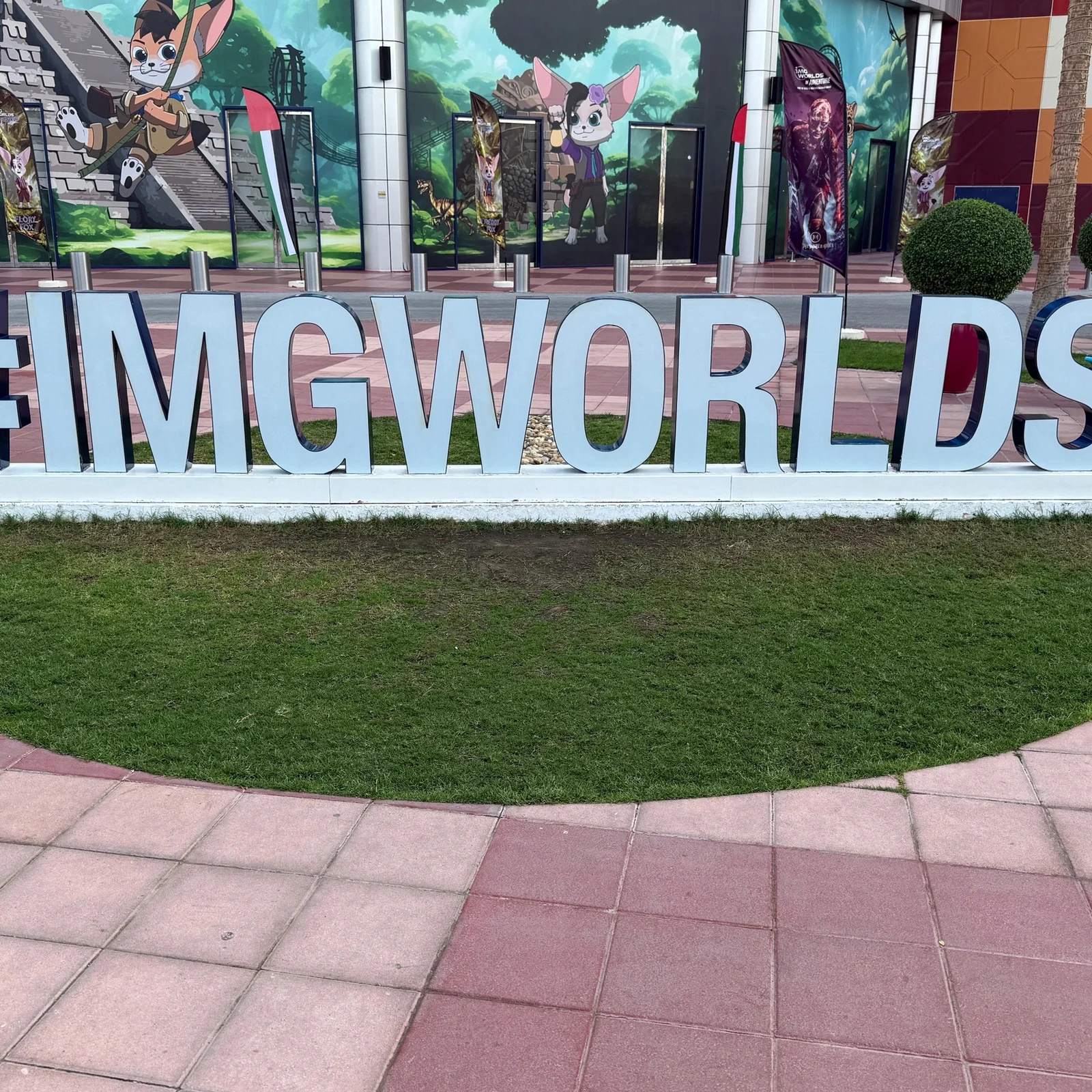
Book IMG Worlds of Adventure in Dubai: 6 zones, 22 advertised experiences, free cancellation up to 24 hours and Fast Track or meal options.
 Activity on TourBookGo
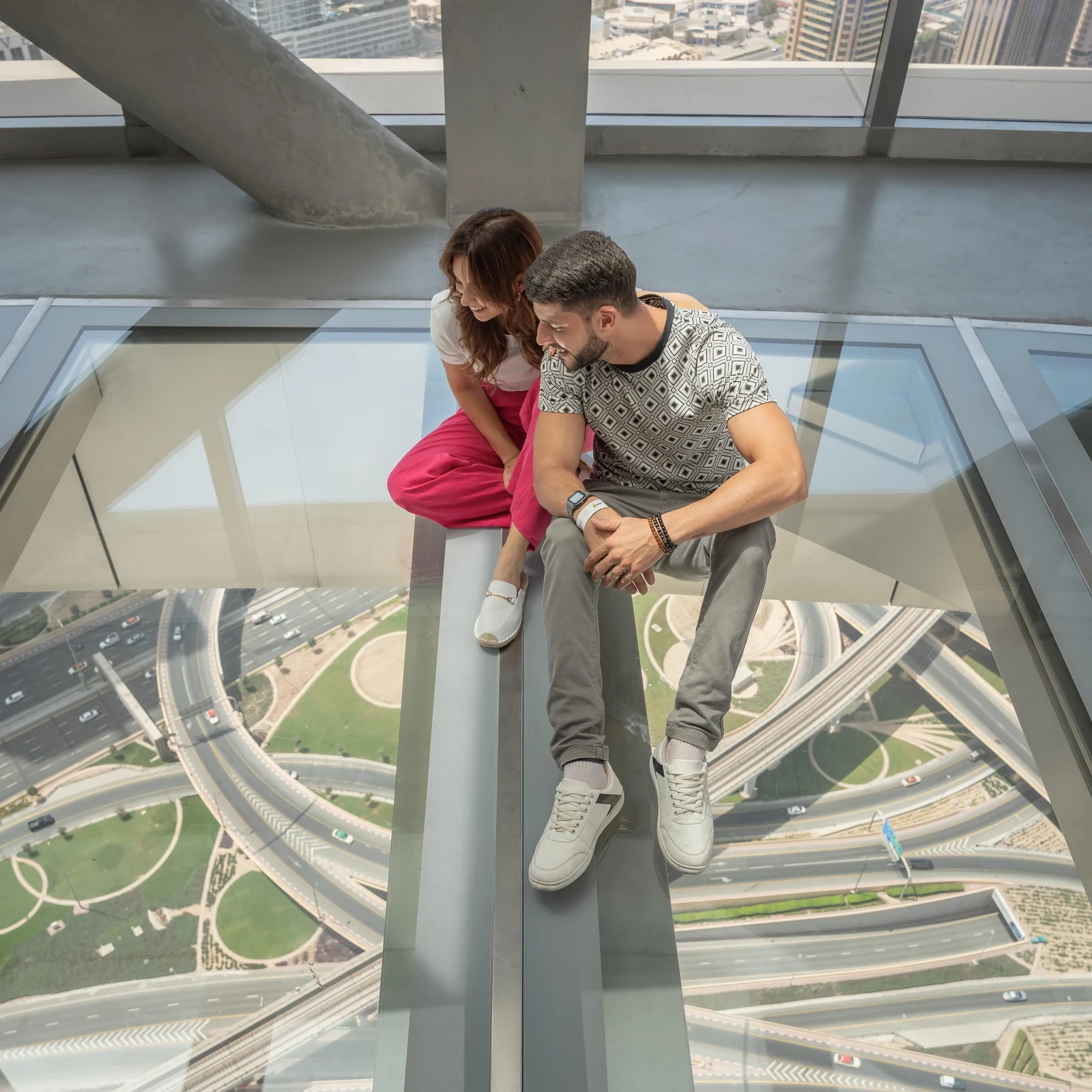
Book Sky Views Observatory Dubai tickets for views from around 219.5 m, a 25 m glass floor and selected options with Glass Slide or Edge Walk.