 Activity on TourBookGo
Hiroshima full-day tour through history, culture and Peace Memorial Park
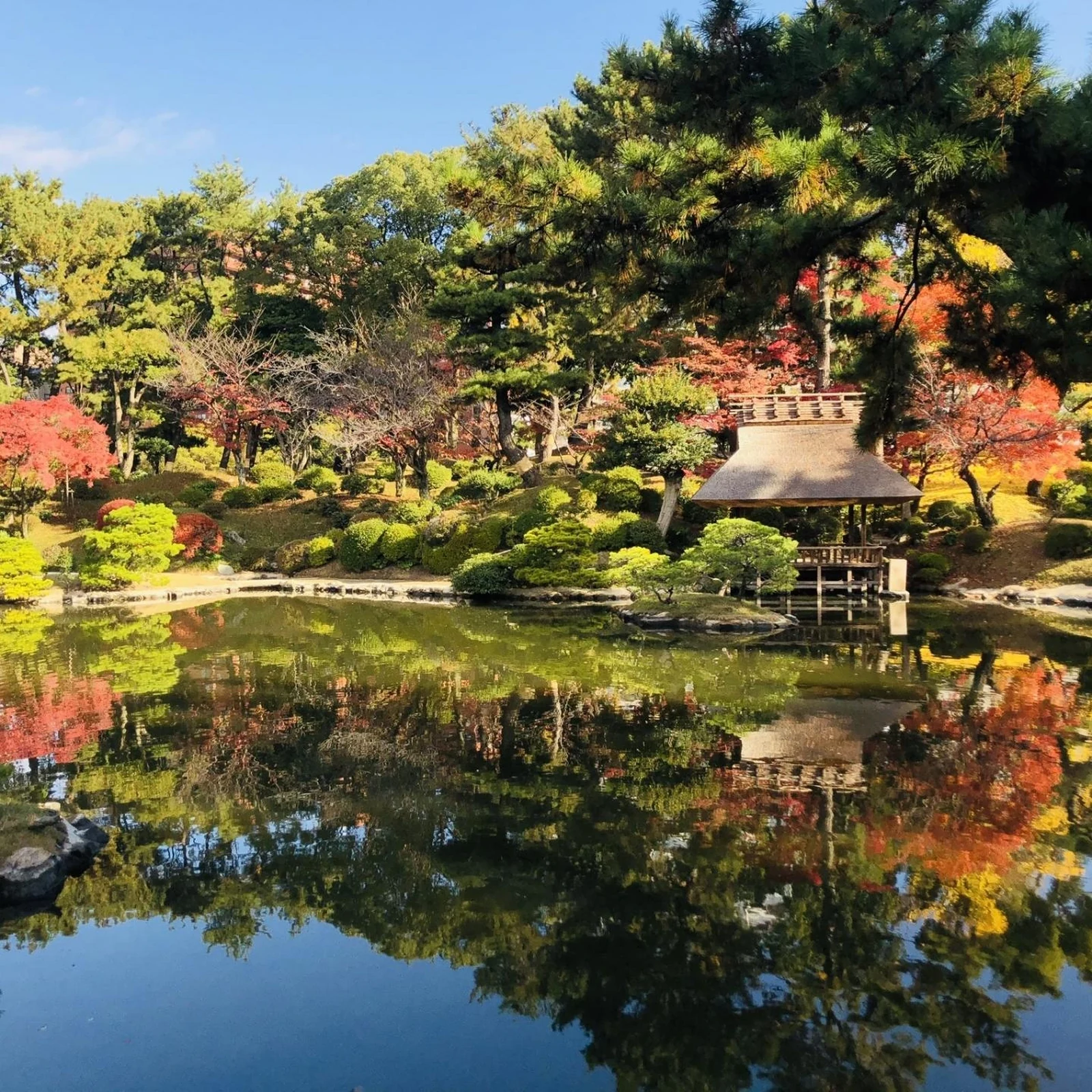
Book a Hiroshima full-day tour lasting 8.5 hours with Mitaki-dera, Shukkei-en, Hiroshima Castle, Peace Memorial Park and the Peace Memorial Museum.
A Hiroshima itinerary through the city, Miyajima and the surrounding area, combining memory, reconstruction, urban life, nature and day trips across western Japan.
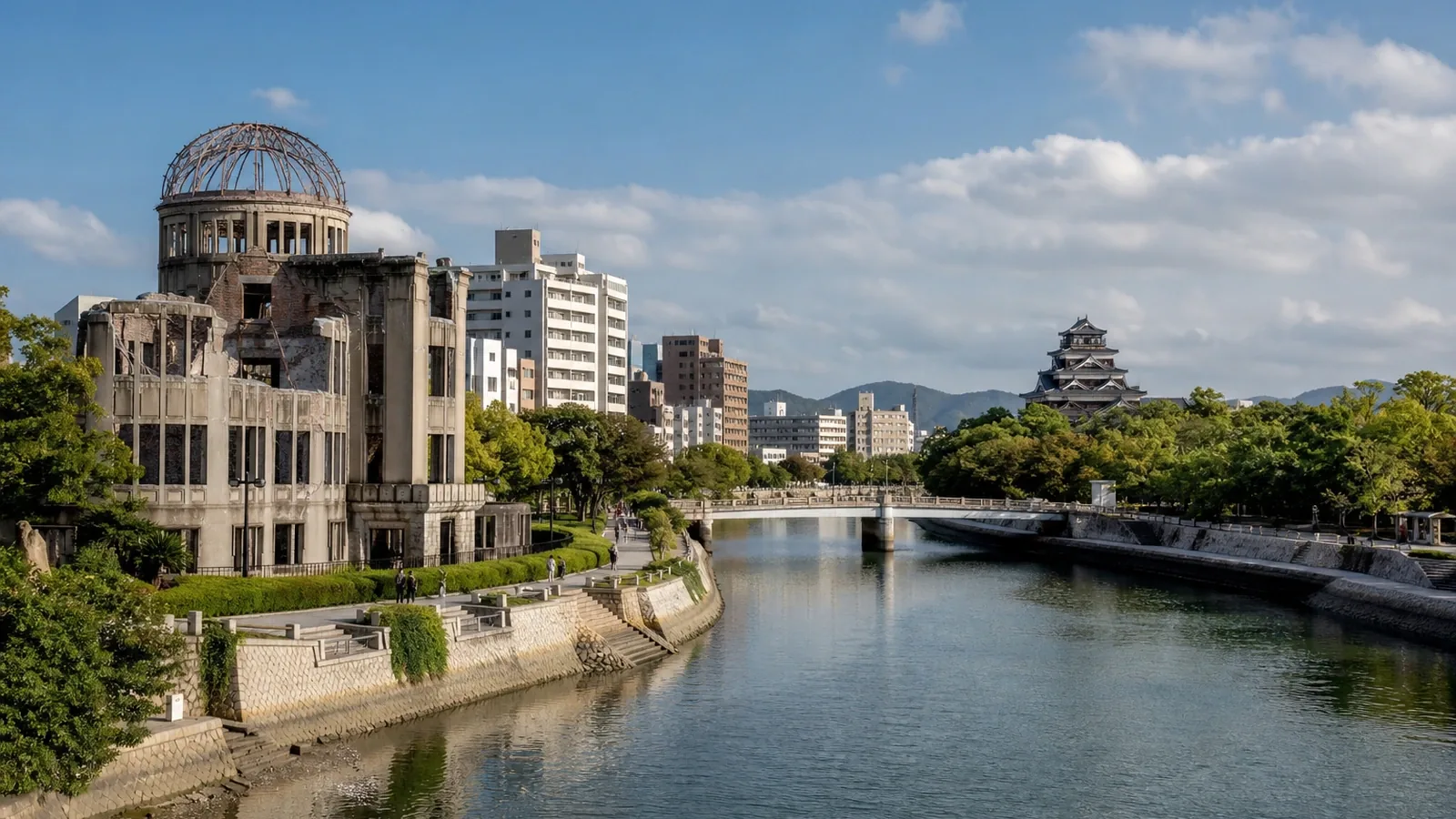
A Hiroshima itinerary calls for a different pace from other Japanese city breaks. This is not a place to rush through as a sequence of photo opportunities, nor should it be reduced solely to the memory of the atomic bomb. Its history demands time and silence, but the contemporary city also deserves attention: trams running along tree-lined avenues, the smell of okonomiyaki sizzling on the griddle, riverbanks at sunset and the nearby Seto Inland Sea. The most balanced option for a first visit is two full days: one for Hiroshima and one for a Miyajima day trip. It is possible to combine both places in a single day, as even the official sightseeing route suggests, but the experience feels rushed and leaves little time to absorb what you have seen.
Compare locations and options to find a base that suits your trip. Booking.com confirms current availability and pricing.
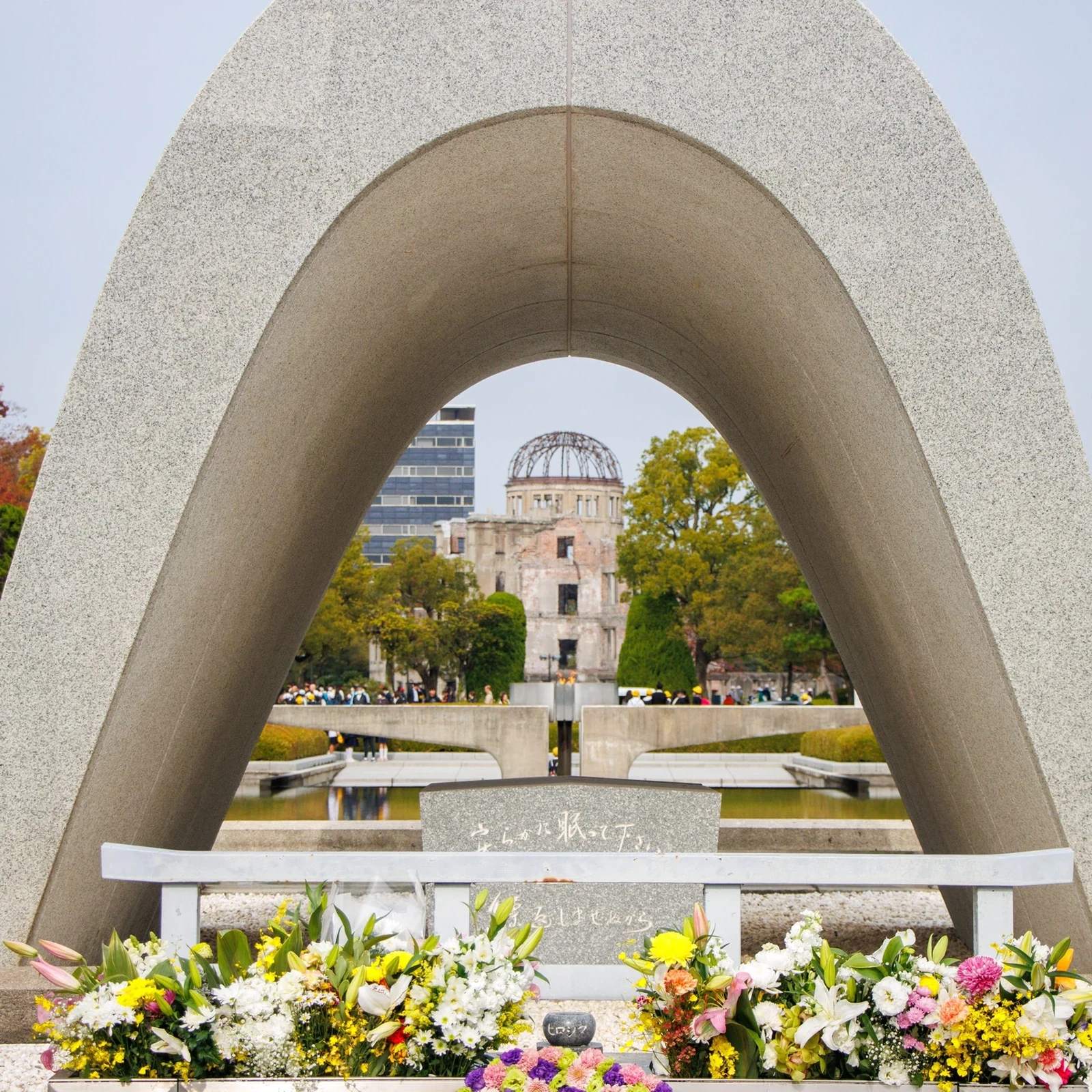
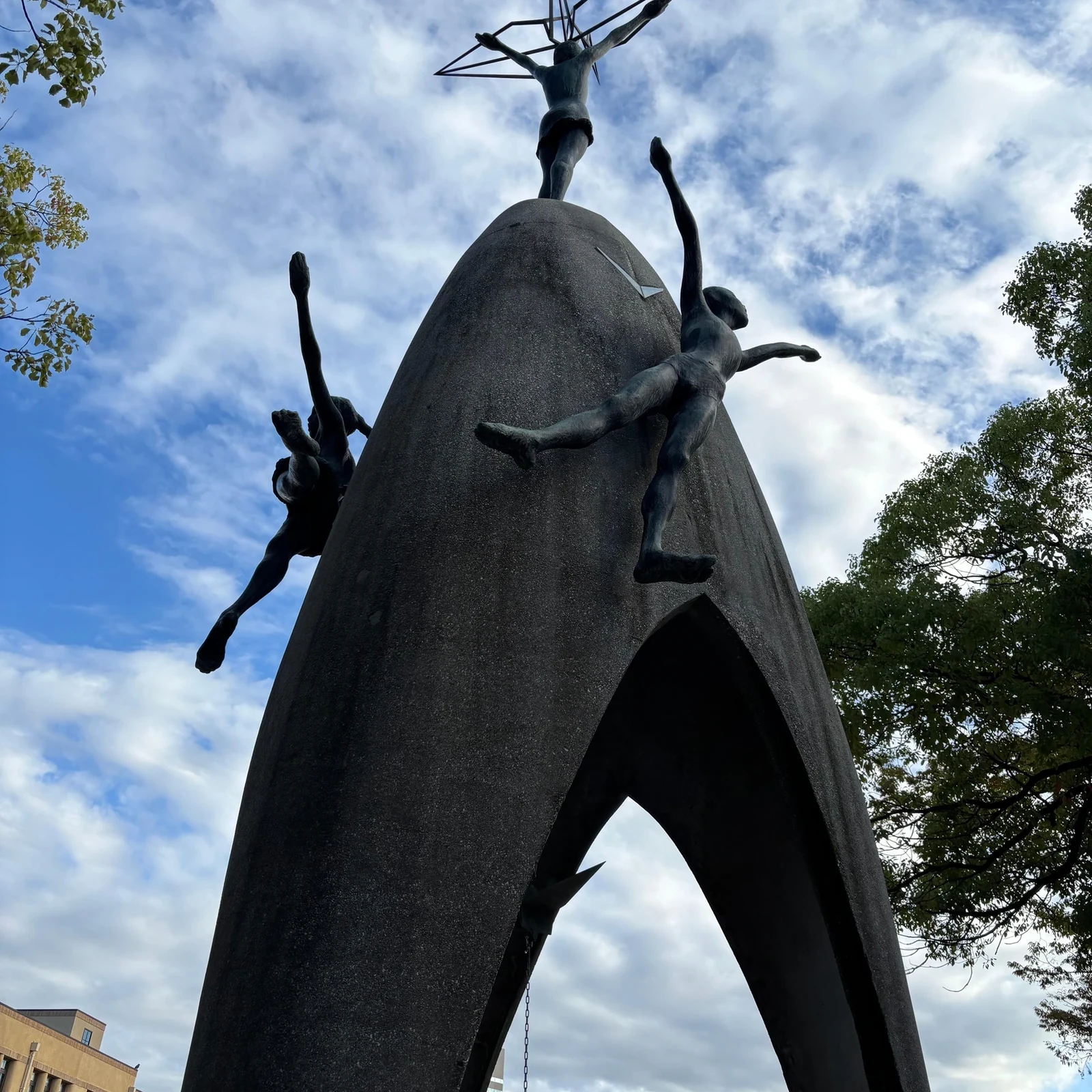
Find accommodation on BookingIn the morning, start early beside the Atomic Bomb Dome. From there, make your way slowly through Peace Memorial Park, passing the Cenotaph, the Flame of Peace and the Children’s Peace Monument before entering the Peace Memorial Museum.
Do not allow only an hour for the museum, and avoid scheduling something cheerful immediately afterwards. The visit can be emotionally exhausting. Its personal belongings, testimonies and photographs are not intended to offer a comfortable experience, but to convey the human scale of what happened.
At midday, find an okonomiyaki restaurant. Hiroshima’s version is cooked in layers with batter, cabbage, bean sprouts, meat, noodles and egg. Buildings packed with small food stalls are lively and convenient, although lesser-known local restaurants often provide a quieter experience.
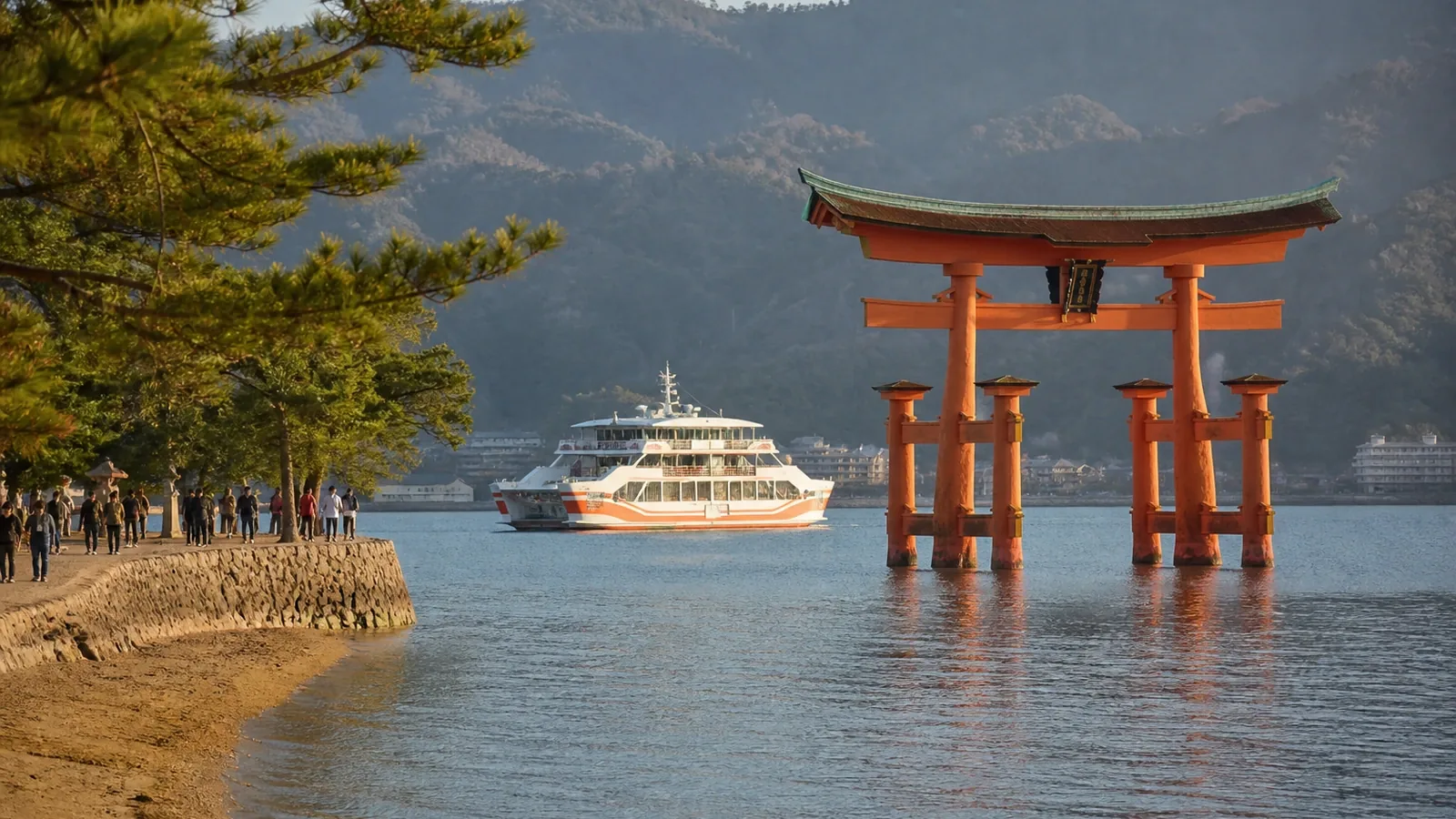
In the afternoon, visit Itsukushima Shrine and the streets near Miyajima’s harbour at a brisk pace. The scenery changes with the tide: at high tide, the vermilion pavilions appear to float; at low tide, you can walk out towards the great torii gate.
This combination allows you to see the region’s two great landmarks, but it means giving up Mount Misen, the smaller temples and much of Hiroshima’s everyday urban life. If you have only one day and would rather understand Hiroshima than simply tick off sights, stay in the city and save Miyajima for another trip.
On the first morning, visit the Atomic Bomb Dome, Peace Memorial Park and the museum. After lunch, walk along the Motoyasu River and continue towards Hondori, the city centre’s main covered shopping arcade.
You can then head to Shukkeien Garden, where paths, bridges and small islands create a miniature landscape. It offers a welcome counterpoint to the emotional weight of the morning: it does not erase what you have experienced, but it allows you to see how Hiroshima recovered its calm and everyday life.
Towards the end of the afternoon, explore Nagarekawa or the streets around the station. Hiroshima’s nightlife is lively without being overwhelming. A dinner of okonomiyaki, seasonal oysters or small izakaya dishes is a more enjoyable way to end the day than an itinerary packed with monuments.
On the second day, leave early for a Miyajima day trip from Hiroshima. Begin at Itsukushima Shrine, then continue to Daisho-in Temple, which is quieter and less dominated by the search for the perfect photograph.
Afterwards, decide whether to stay by the sea or climb Mount Misen. The mountain rises to around 535 metres and offers hiking trails, rock formations and panoramic views over the islands of the Seto Inland Sea. Even if you take the ropeway, there is still a section that must be covered on foot, so wear suitable footwear and do not underestimate the summer heat.
Miyajima becomes even more appealing once the tour groups have left. Staying until late afternoon, or spending the night on the island, allows you to hear the water beneath the piers and see the torii gate in much softer light. The downside is that many businesses close relatively early and accommodation is usually more expensive than in Hiroshima.
On the first day, follow the historic route through Peace Memorial Park without rushing, then finish the day around Hondori, the riverbanks and the city centre’s dining districts.
On the second day, spend a full day on Miyajima. Visit Itsukushima Shrine, Daisho-in Temple, the old streets and, weather permitting, Mount Misen. Check the tide times before travelling if you want to see the torii gate both surrounded by water and accessible on foot.
On the third day, begin at Shukkeien Garden and continue towards the grounds of Hiroshima Castle. It is worth knowing that the main keep closed to the public on 22 March 2026. The building can still be viewed from the outside, and other parts of the grounds remain accessible, but the interior can no longer be visited.
In the afternoon, choose between an art museum, a longer walk along the river or Mitaki-dera Temple, set on a wooded hillside north of the city. The latter reveals a lesser-known side of Hiroshima, with moss, damp stone and quiet paths, although it takes a little longer to reach.
The third day does not add one indispensable monument; it adds context. It allows you to see that Hiroshima does not live solely through its past, and that its greatest strength may be the normality it has reclaimed.
Seven days is excessive if you plan to remain solely in central Hiroshima, but it works very well for exploring western Japan with the city as your base.
Spend the first three days in Hiroshima and Miyajima: two days in the city and one full day on the island. Beginning this way prevents day trips from Hiroshima from turning the city into little more than a stopover.
Onomichi is a port town of steep slopes, temples, alleyways and old houses overlooking the channel. It is best explored on foot without following an overly rigid route: climb the hillsides, descend towards the waterfront and cross the water on one of the small local ferries. It is also one of the gateways to the islands of the Shimanami Kaido.
It is not an ideal excursion for anyone who struggles with stairs or steep slopes. In summer, the humidity can make the climb exhausting.
Kure reveals another side of the region: shipyards, naval history and industrial seascapes. It is an interesting visit for travellers who want to understand Japan’s relationship with its military past, although the subject matter may feel too specialised for some.
The official tourism guide recommends setting aside at least a full day to explore the city.
Saijo offers a slower-paced day among historic sake breweries, brick chimneys and whitewashed façades. It is particularly appealing to travellers interested in food and the culture of fermented rice.
Some tours and tastings depend on the day of the week or require advance booking, so check before making the journey.
Keep the final day flexible. You can return to Miyajima to climb Mount Misen if the weather prevented you from doing so earlier, take another walk through Hiroshima or rest before continuing to Kyoto, Osaka or Fukuoka.
This unstructured day is not wasted time. In a region where rain, tides and emotional fatigue can alter the pace of a trip, leaving some room in the schedule often improves the entire experience.
For a first visit, the most logical sequence is: Hiroshima city → Miyajima → regional day trip.
Starting at Peace Memorial Park provides context; continuing to Miyajima opens the landscape towards the sea, spirituality and nature; finishing in Onomichi, Kure or Saijo reveals a prefecture far more complex than its two most famous images.
Do not rush through the museum, do not attempt to climb Mount Misen in unsuitable footwear and do not squeeze Hiroshima and Miyajima into a single day unless you genuinely have no more time.
Do not feed or harass the deer on Miyajima either. They may appear tame, but they are still animals and can become persistent when they detect food or paper.
Hiroshima deserves at least two days because a visit here is not simply about seeing places. It is about understanding a tragedy, witnessing a reconstruction and discovering that beyond the weight of memory lies a bright, everyday city that is profoundly alive.
Discover selected experiences in Hiroshima to complete this guide with history, local culture, food, Miyajima and well-organised tours.
Activity on TourBookGoBook a Hiroshima full-day tour lasting 8.5 hours with Mitaki-dera, Shukkei-en, Hiroshima Castle, Peace Memorial Park and the Peace Memorial Museum.
 Activity on TourBookGo
Book a private Hiroshima tour by car for 8 hours with a driver-guide, hotel pickup and a flexible itinerary for a private group of up to 5 people.
 Activity on TourBookGo
Book a private Hiroshima and Miyajima tour lasting 6 hours, with a local guide, train, tram, ferry and key admission fees included. From €85 per person.