 Activity on TourBookGo
Hiroshima and Miyajima guided tour in one day
Take a Hiroshima and Miyajima guided tour with Itsukushima Shrine, the Atomic Bomb Dome, Peace Park and a small group in one 6.5-hour day.
Discover the best things to do in Hiroshima among places of remembrance, peaceful gardens, rivers, local neighbourhoods and the Seto Inland Sea.
Finding the most meaningful things to do in Hiroshima calls for more than a list of monuments. It is a city to be experienced not only with your eyes, but also with a certain inner stillness. Its recent history inevitably weighs heavily, yet reducing Hiroshima solely to the tragedy of 1945 would mean overlooking its gardens, rivers, everyday neighbourhoods, and the serenity of the Seto Inland Sea. The best places to visit in Hiroshima combine remembrance, urban culture, and nature. Allow at least two days: one for the city and another for Miyajima.
Compare locations and options to find a base that suits your trip. Booking.com confirms current availability and pricing.
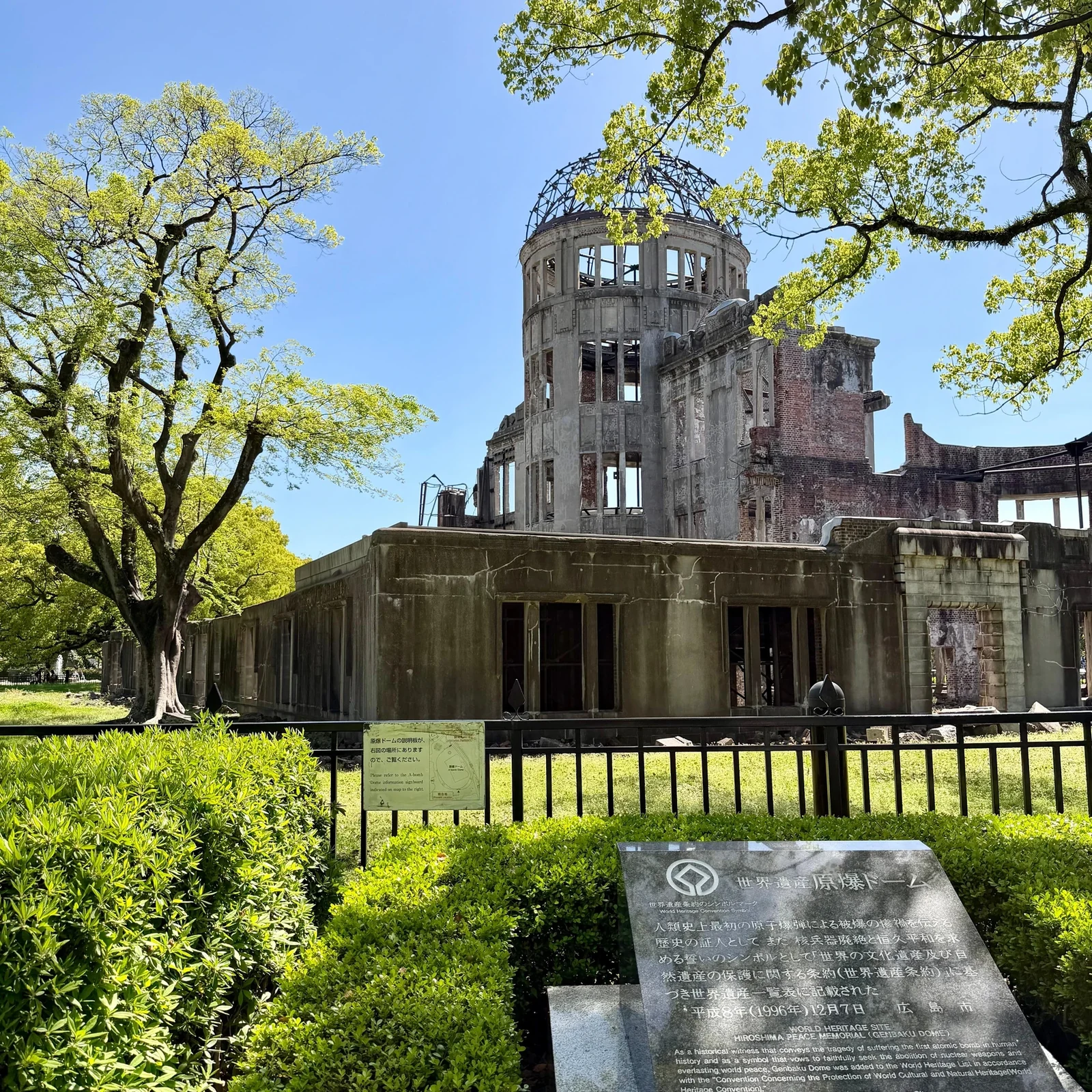
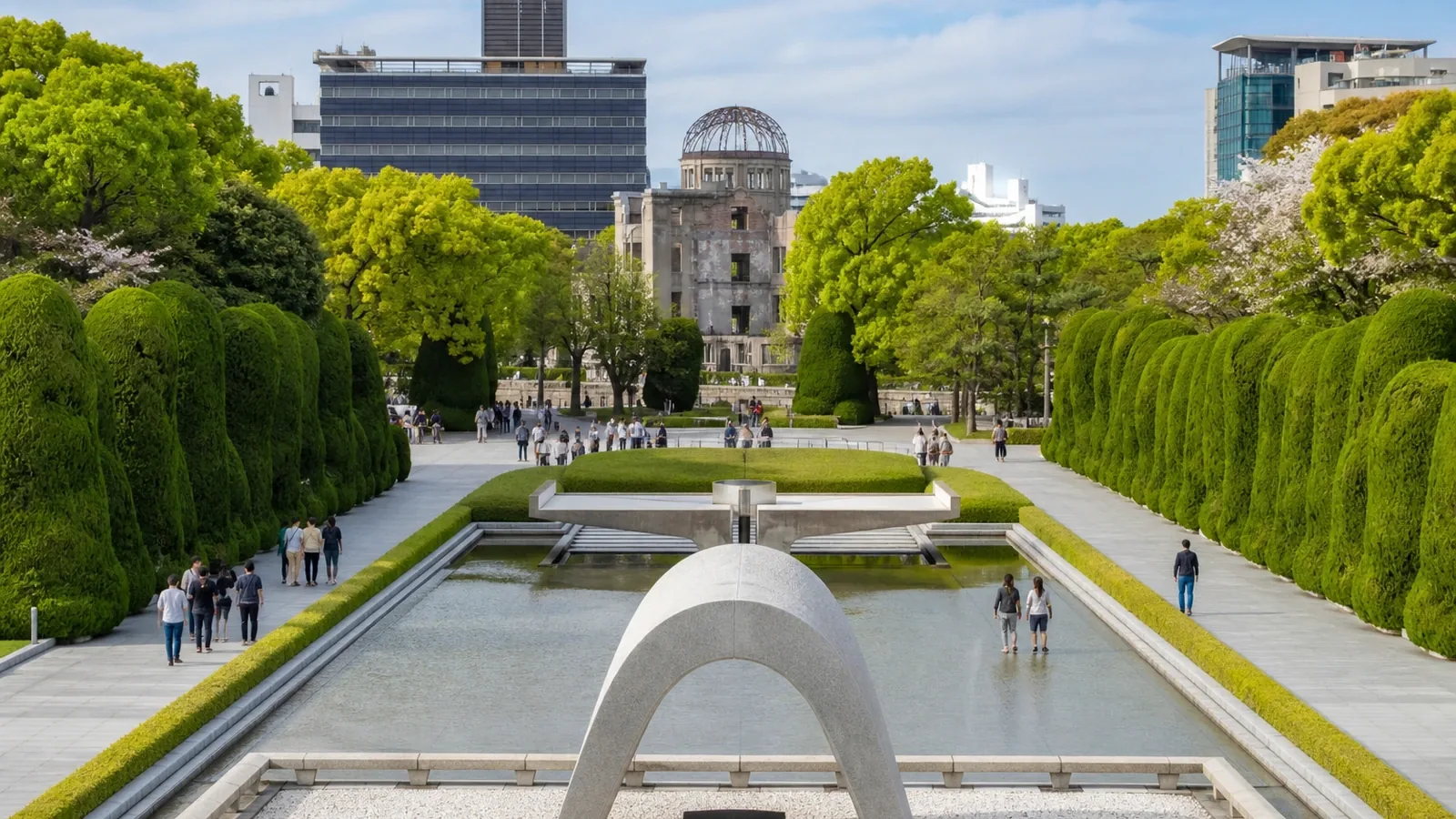
Find accommodation on BookingPeace Memorial Park encompasses the Atomic Bomb Dome, the Cenotaph, the Children’s Peace Monument, the Flame of Peace, and the Peace Memorial Museum. It should not be approached as a collection of photo stops, but as a narrative space in which each element helps visitors understand what happened and how Hiroshima was subsequently rebuilt.
The museum is emotionally intense. Its personal belongings, photographs, and testimonies can be difficult to process, particularly for sensitive children. It is best visited in the morning, followed by some quiet time walking along the river, sitting in the park, or visiting the nearby National Peace Memorial Hall.
Some admission times require advance booking. In addition, between 8 and 16 August 2026, entry to the museum is, in principle, available only through online reservation because of the high visitor numbers expected during the Obon period. The first and last hours of the day usually offer a calmer experience.
Miyajima is the essential day trip from Hiroshima, but it loses some of its beauty when squeezed into two hours. Itsukushima Shrine changes completely with the tide: at high tide, its vermilion corridors seem to float; at low tide, visitors can walk out towards the great torii gate. Checking the tide times before leaving helps you decide which version of the landscape you would most like to see.
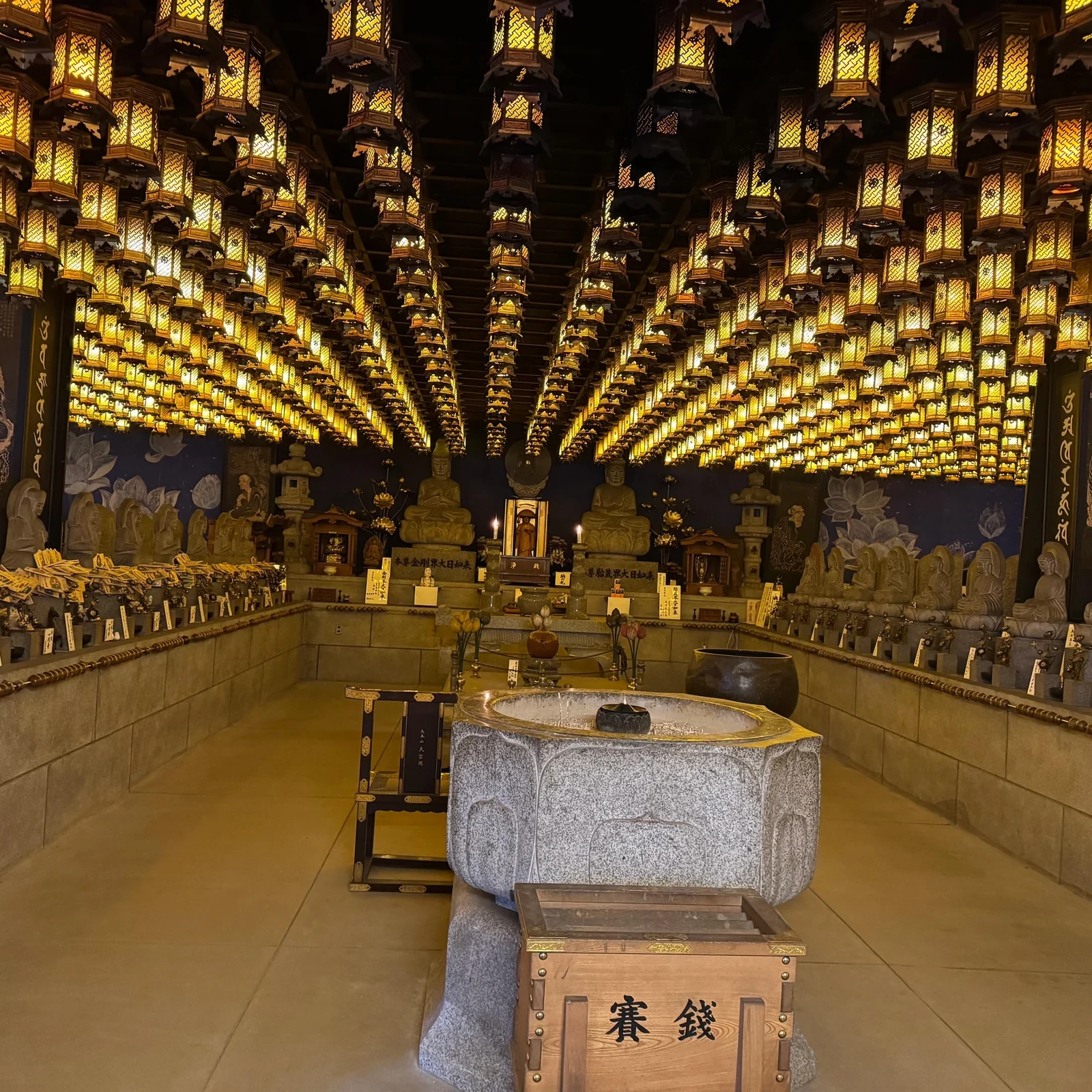
Beyond the shrine, Daishō-in Temple is well worth visiting, as is the quieter Machiya Street, before heading up towards Mount Misen. The ropeway removes part of the effort, but not the final walk: from the upper station, it is still about half an hour on foot to the summit. Anyone planning to climb the entire way should wear suitable footwear and allow around two hours from the ferry terminal.
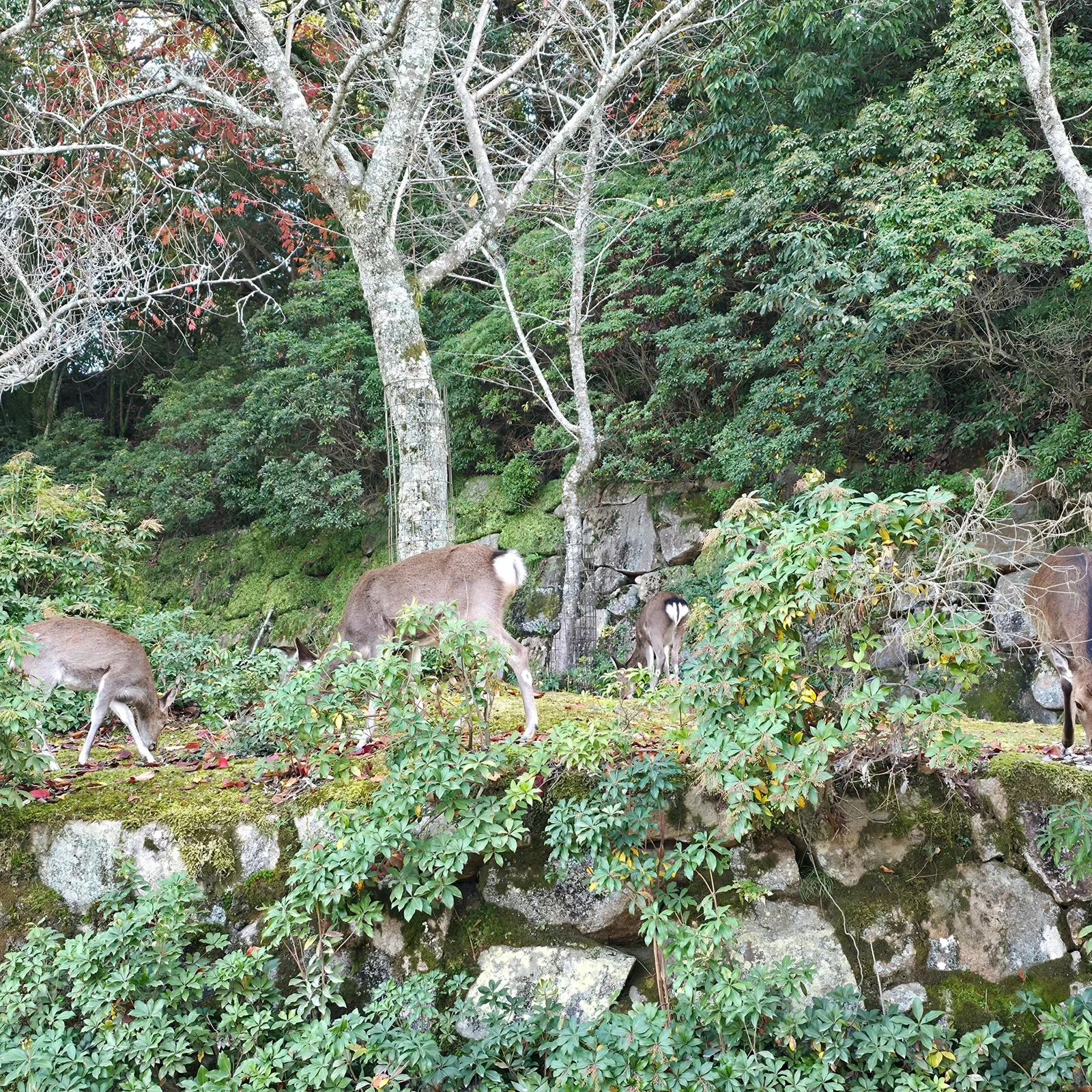
The main drawback of Miyajima is the heavy crowding between late morning and mid-afternoon. Arriving early or staying until sunset transforms the experience. It is also worth remembering that the deer are wild animals and may bite or eat maps, tickets, and paper bags.
Shukkeien provides a delicate counterpoint to Peace Memorial Park. Designed as a miniature landscape, it features a central pond, small islands, bridges, pavilions, and paths that reveal a different perspective at every turn. It was destroyed in 1945 and later restored, a story that connects its present-day beauty with the city’s resilience.
This is not a monumental garden. Its appeal lies in the details: carp swimming beneath the bridges, branches reflected in the water, and the soft sound of footsteps on gravel. It may disappoint anyone expecting a vast park, but it often delights travellers interested in photography, landscape design, and peaceful corners.
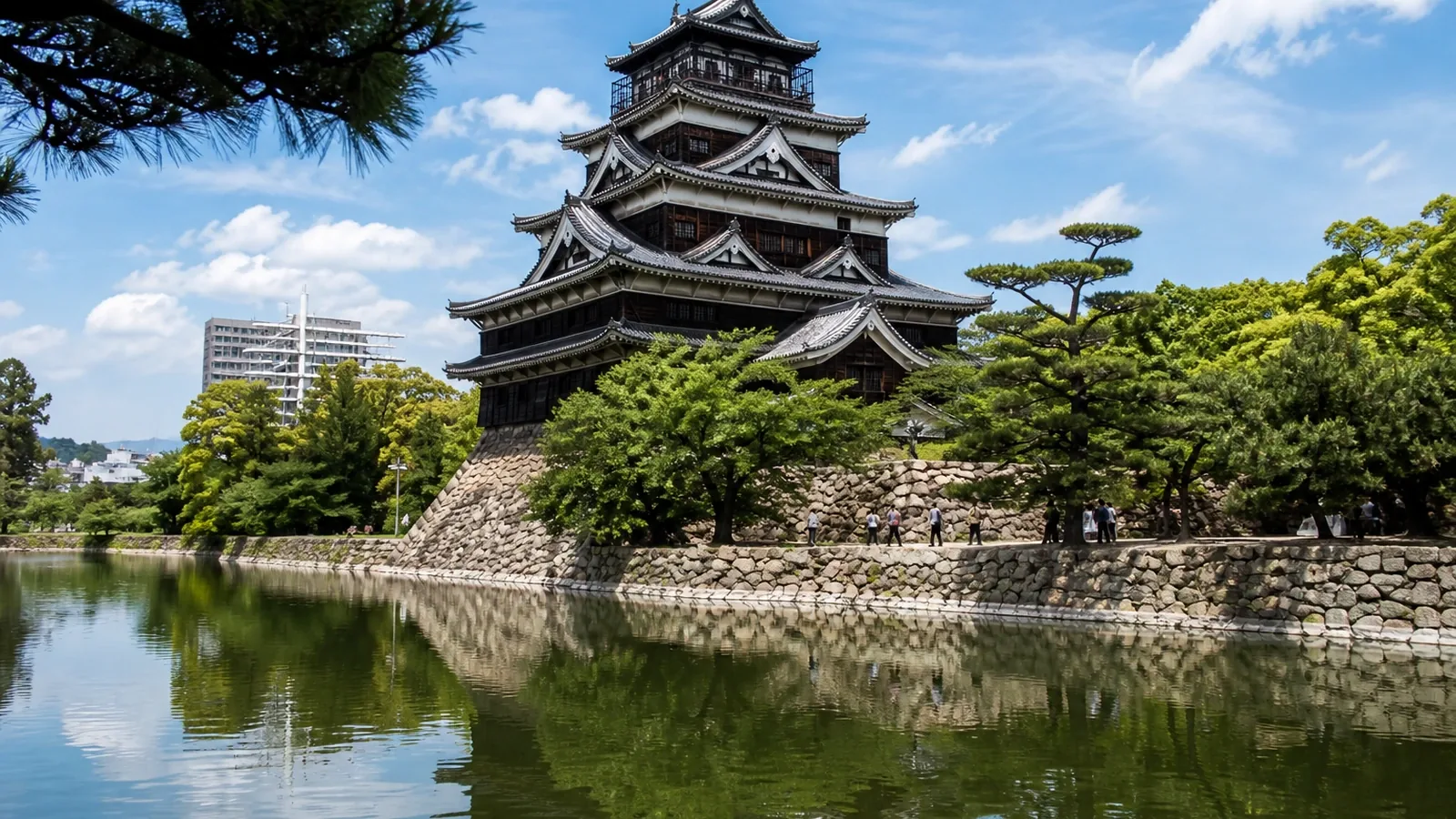
The castle’s moats, walls, and grounds remain pleasant places to walk, especially during cherry blossom season. However, an important update should be taken into account: the main keep closed on 22 March 2026 because of its deteriorating condition. It can still be viewed from outside, and the restored Ninomaru area remains accessible, but visitors can no longer climb the tower.
Mitaki-dera sits on a wooded hillside, away from the commercial pace of the city centre. Three waterfalls, Buddhist statues, damp pathways, and a vermilion pagoda create an almost mountain-like atmosphere within easy reach of the city. It is particularly beautiful in autumn, although it is also atmospheric in light rain.
It is not the best choice for visitors with limited mobility, families using pushchairs, or anyone with only a few hours to spare. It is, however, ideal for travellers who have already seen the main sights and are looking for a more contemplative side of Hiroshima.
The rooftop terrace at Orizuru Tower offers an elevated view of Peace Memorial Park, the Atomic Bomb Dome, and Hiroshima’s modern urban layout. On clear days, the view may extend as far as the Miyajima area.
Admission is relatively expensive compared with other attractions in the city, so it is not essential for travellers on a tight budget. Its value lies in the view and in the visual transition between the historic landscape and the rebuilt city, particularly around sunset.
Sitting in front of a hot griddle and watching Hiroshima-style okonomiyaki being prepared is an experience in itself. Unlike other Japanese versions, the ingredients are layered and usually include noodles.
Okonomimura brings together numerous small restaurants in a single building and has a lively atmosphere, although it is also highly tourist-oriented. It is convenient for a first experience; those looking for a more local dinner can explore small neighbourhood establishments away from organised tour groups.
For enthusiasts of industrial design and motoring, the Mazda Museum traces the evolution of the brand and showcases part of its manufacturing process. Visits are guided and advance reservations are compulsory. They are usually offered on weekdays, with occasional special Saturday openings. Turning up without confirmation is not advisable, as walk-in admission is not permitted.
Rain does not necessarily ruin a trip, although it may mean giving up some of Miyajima’s views or hiking on Mount Misen.
A good indoor itinerary combines the Peace Memorial Museum, the Museum of Contemporary Art, the Hondori shopping arcade, and a food-related activity such as making okonomiyaki or momiji manju. Hondori is a long covered shopping street in the heart of the city, making it practical for moving between shops, cafés, and restaurants without being too exposed to bad weather.
Peace Memorial Park can be visited as a family, but adults should consider the age and sensitivity of their children before entering the museum’s more distressing galleries.
Miyajima usually works better for families: the ferry ride, the deer, and Miyajima Aquarium provide plenty of variety. The aquarium focuses on wildlife from the Seto Inland Sea and includes observation and interactive areas designed with families in mind.
The most enjoyable experiences for two are often the simplest: walking through Shukkeien, watching dusk settle around Miyajima’s torii gate, strolling along the banks of the Motoyasu River, or admiring the city from a rooftop terrace.
Miyajima is especially atmospheric after dark, but staying late requires checking return transport carefully or spending the night on the island.
Peace Memorial Park, the Atomic Bomb Dome, the riverbanks, the outer castle grounds, and much of the city centre can be enjoyed without paying an admission fee. Entry to the castle’s Ninomaru area also remains free.
A budget-friendly route can connect the station, the exterior of Shukkeien, the castle, Peace Memorial Park, Hondori, and the riverside promenade. Hiroshima is a welcoming city for travellers who enjoy walking without feeling the need to tick off a long list of attractions.
Hondori and the area around Nagarekawa are home to numerous restaurants, bars, and small venues. Hiroshima’s nightlife is lively, but generally less overwhelming than that of Tokyo or Osaka.
A more peaceful evening might involve eating okonomiyaki and then walking along the river. The city lights reflected on the water reveal a less familiar image of Hiroshima: not a city frozen in its past, but a calm, liveable, and thoroughly contemporary place.
The most common mistake is trying to visit both Peace Memorial Park and Miyajima in a single day. It is possible, but it leaves little time to understand the museum, observe the tides, or climb Mount Misen.
It is also best to avoid rushing through the Peace Memorial Museum, arriving on Miyajima during the busiest hours, or planning the climb up Mount Misen in extreme heat, heavy rain, or unsuitable footwear.
Hiroshima does not require a packed itinerary. Its true power emerges when places of remembrance are balanced with gardens, food, water, and time simply to look.
Discover selected experiences in Hiroshima to complete this guide with history, local culture, food, Miyajima and well-organised tours.
Activity on TourBookGoTake a Hiroshima and Miyajima guided tour with Itsukushima Shrine, the Atomic Bomb Dome, Peace Park and a small group in one 6.5-hour day.
 Activity on TourBookGo
See what to expect from this Miyajima tour from Hiroshima: a 3-4 hour guided trip to Itsukushima, Daisho-in, Omotesando and local food. From €66.
 Activity on TourBookGo
Discover this Miyajima floating torii guided tour: 2 hours exploring Itsukushima Shrine, Daishoin and sacred island landmarks with an English-speaking guide.