 Activity on TourBookGo
Private Mitaki Temple Tour in Hiroshima with Waterfalls
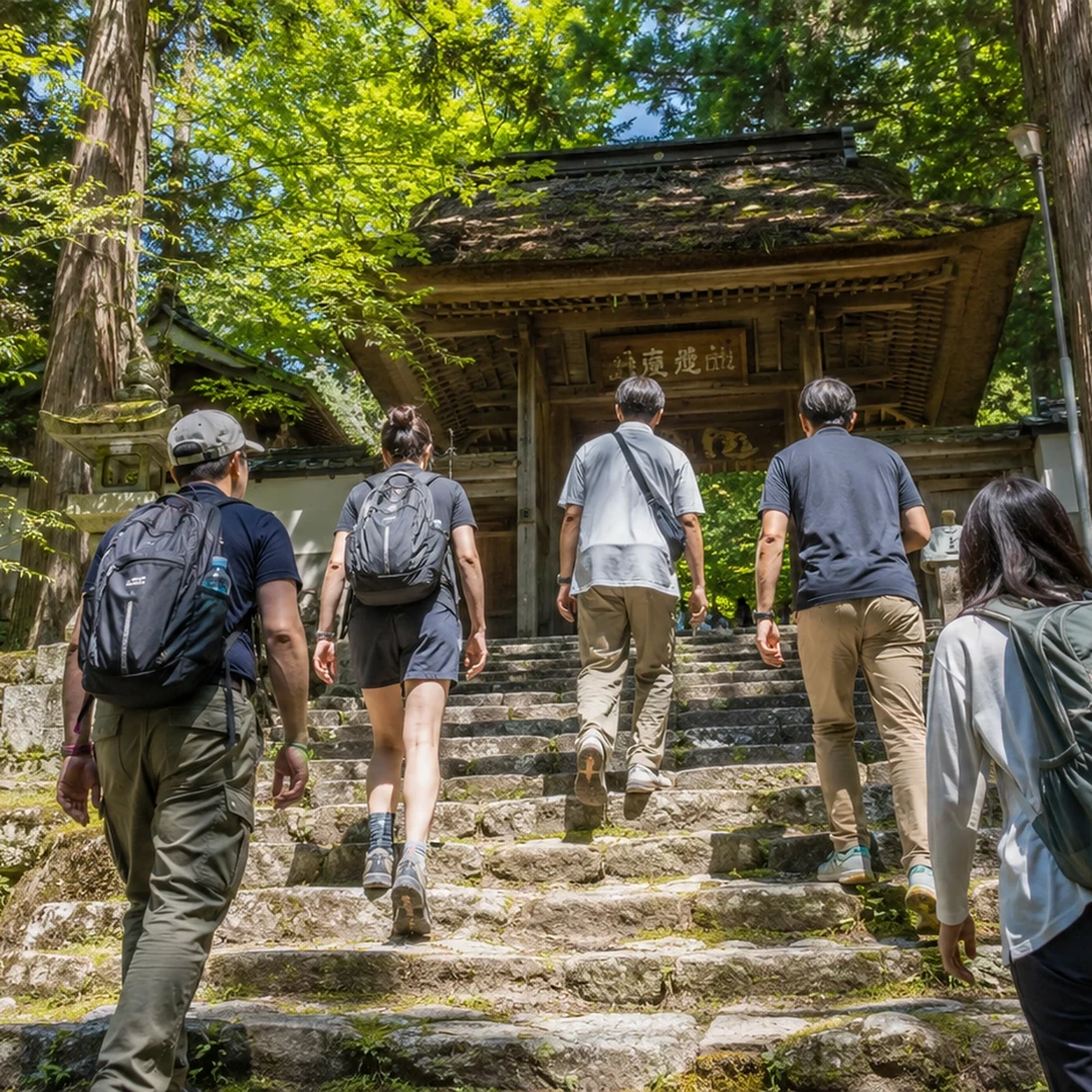
Take a private Mitaki Temple tour in Hiroshima and spend 2.5 hours exploring forest paths, Buddhist statues, a pagoda and three waterfalls. From €77.
Choosing where to stay in Hiroshima depends on how you want to experience the city: easy arrivals, walkable sightseeing, quiet evenings near Peace Memorial Park or an overnight stay on Miyajima.
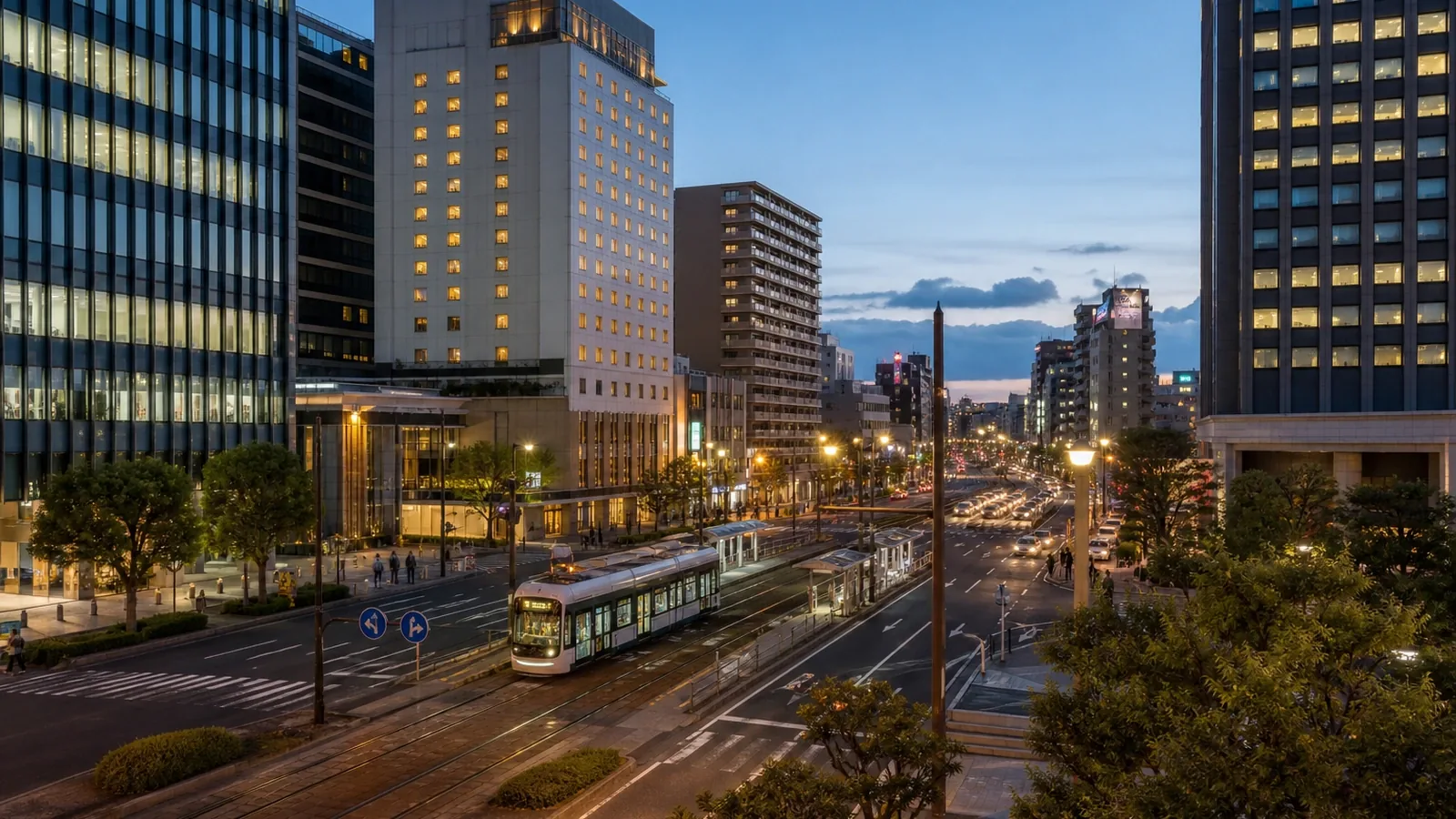
Deciding where to stay in Hiroshima is not simply a matter of finding the most central hotel. The railway station, shopping districts, Peace Memorial Park and port lie in different areas, connected by trams that travel along avenues, across bridges and between the city’s rivers. The best location is the one that makes your sightseeing, transport and preferred pace of travel easier. For a first visit, the two most balanced choices are the area around Hiroshima Station and the Kamiyacho–Hatchobori–Hondori corridor. The station is convenient for arrivals, luggage and day trips, while Hondori places much of central Hiroshima within walking distance. Staying near Peace Memorial Park offers quieter evenings, and spending a night on Miyajima turns a popular excursion into a slower, more memorable experience.
Compare locations and options to find a base that suits your trip. Booking.com confirms current availability and pricing.
Find accommodation on BookingStaying around Hiroshima Station is especially convenient for travellers arriving by shinkansen, carrying luggage or spending only one or two nights in the city. It is also a sensible base for continuing on to Osaka, Kyoto or Fukuoka, or for visiting Miyajima by train and ferry.
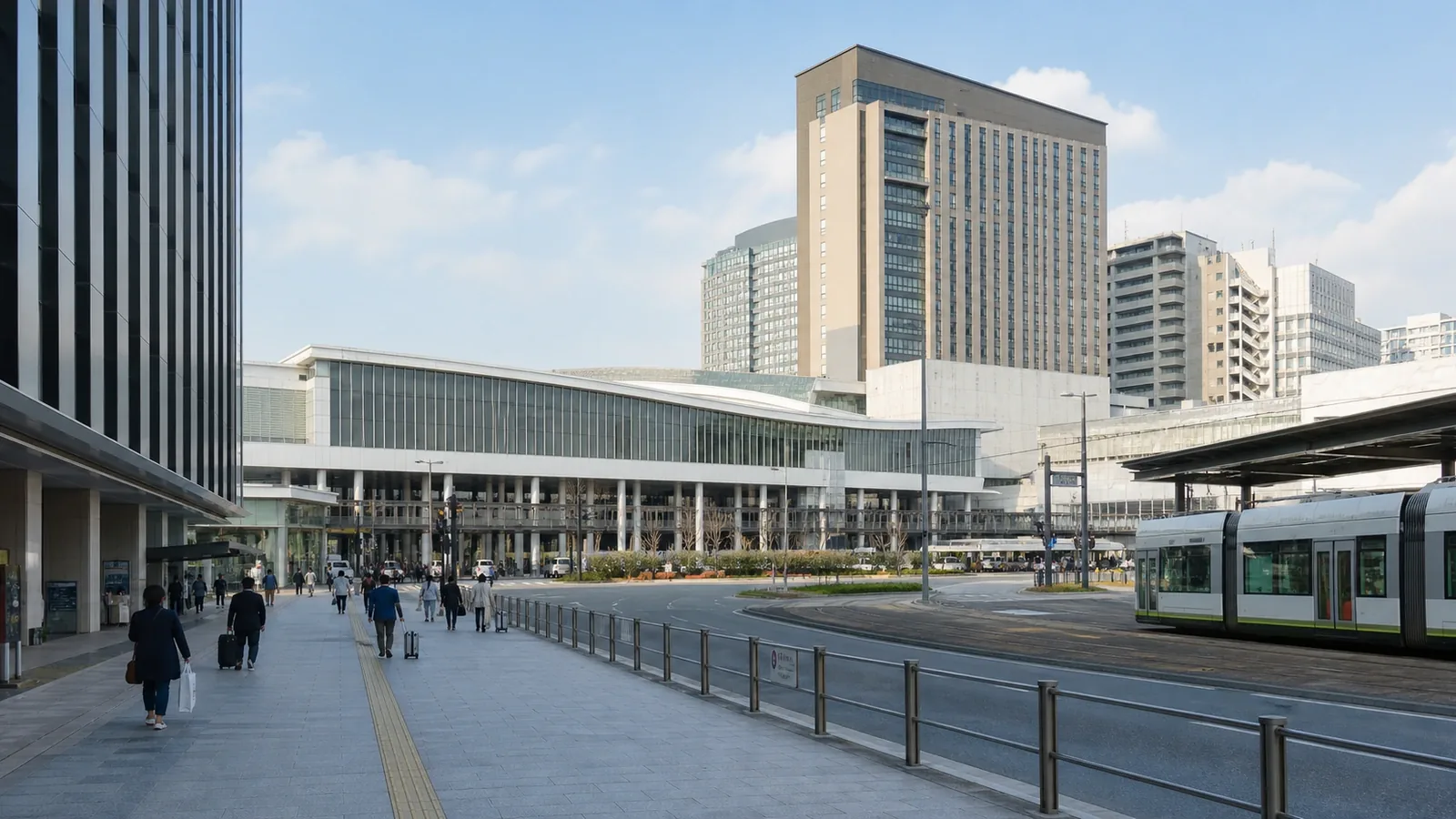
The station is connected to the city centre by the tram network, including a line that continues to Miyajimaguchi.
The area has gained more services, restaurants and modern hotels, but it retains a practical, functional character. There is activity from early in the morning, travellers pulling suitcases and new buildings lit up late into the evening. Everything works; not everything inspires.
It is best for travellers on short stays, families with plenty of luggage, Japan Rail Pass holders and anyone planning several day trips.
The downside is that Peace Memorial Park and Hondori are not right outside your hotel. You will need to walk a fair distance, take the tram or use a taxi. The surroundings can also feel more commercial than intimate.
This is the everyday heart of Hiroshima. Among covered shopping arcades, department stores, izakayas, cafés and streets where the smell of okonomiyaki mingles with the humid air rising from the rivers, the city feels more immediate and less ceremonial.
From here, you can walk to Peace Memorial Park, Hiroshima Castle and much of the main shopping area. Kamiyacho is also one of the key hubs in the tram network, with services to the station, the port and Miyajimaguchi.
It is the most well-rounded area for a first stay of two or three nights. You can head out for dinner without much planning, walk back to your hotel and still find plenty of activity after the main sights have closed.
It is best for couples, travellers who enjoy exploring on foot, food lovers and anyone looking to combine culture with some nightlife.
Some streets remain lively until late. Hotels beside major roads, tram junctions or entertainment areas may be affected by noise. It is worth requesting a room on a higher floor or away from the lifts and main façade.
South and east of Peace Memorial Park, you will find quieter streets, understated hotels and small restaurants. It is a very convenient location for visiting the Peace Memorial Museum early, walking along the Motoyasu River or returning to the park at sunset, when the flow of tour groups begins to ease.
The atmosphere is different from Hatchobori. Here, Hiroshima reveals itself through water, trees and silence. That closeness adds depth to the experience, although it also calls for sensitivity: the park is not simply a tourist attraction, but a place of remembrance.
It is best for travellers interested in history, couples who prefer quiet evenings, families and anyone who wants to explore the centre without constantly relying on transport.
The main drawback is that some streets become very quiet after dinner. Those looking for bars, late-night shopping or a wider choice of restaurants will find more options around Hondori and Nagarekawa.
Nagarekawa has one of the highest concentrations of bars, small venues and restaurants in Hiroshima. At night, its vertical signs, lanterns and narrow lanes reveal a more intense side of the city, far removed from the solemnity associated with its historic sites.
Staying here means you can dine late and walk back to your hotel, but it is not the best choice for everyone. Some streets have noise, taxi traffic and activity well into the early hours. The atmosphere may be entertaining for adults but exhausting for families with children or light sleepers.
The most sensible option is usually to stay on the edge of Nagarekawa, close to Hatchobori, rather than in the middle of the nightlife district.
Miyajima changes once most day visitors have left. Shop shutters come down, the paths empty and the outline of the torii gate seems to float in a much quieter landscape. Staying overnight on the island allows you to see the coast at sunrise, walk without rushing and experience the hospitality of a traditional ryokan.
The island is usually reached from Miyajimaguchi by a short ferry ride. There are also connections from Hiroshima by train or tram, although the tram journey takes considerably longer.
It is best for couples, anniversary trips, ryokan enthusiasts and travellers who value the quiet of the early morning and evening.
Accommodation is usually more expensive than in Hiroshima, many kitchens close early and moving luggage around the island can be inconvenient. It is also not the most efficient base for spending several days exploring the city.
A balanced itinerary is to spend two nights in Hiroshima and one on Miyajima.
Staying opposite the ferry terminal removes some of the logistical hassle of visiting Miyajima and allows you to catch one of the first ferries of the day. It is a useful alternative when hotels on the island are too expensive or when you need to continue your journey by train the following morning.
However, Miyajimaguchi mainly functions as a transit point. Once the last day-trippers have left, dining options and evening atmosphere become more limited. For a full stay in Hiroshima, the city centre offers far more life.
The port area offers another side of Hiroshima: open horizons, salty air and more secluded hotels. It can be a pleasant choice for relaxing, enjoying views across the bay or connecting with certain ferry services.
Its main drawback is the distance. Although the tram connects Hiroshima Port with the station and city centre, journeys take longer than they do from Kamiyacho or Otemachi.
I would choose Ujina only for the specific qualities of a particular hotel or for the chance to switch off, not as a general base for a first visit.
Hiroshima does not require travellers to rule out entire neighbourhoods. The less advisable areas are mainly inconvenient rather than unsafe.
It is worth checking budget hotels located far from a tram stop or railway station with particular care, especially in outlying residential districts. Any savings may disappear through time lost and money spent on taxis.
It is also sensible to avoid the heart of Nagarekawa when travelling with children or when quiet is a priority.
Miyajima is not a good base for anyone with early trains, several overland day trips or a very tight itinerary. It is not a question of quality, but of logistics.
You do not need to hire a car to visit Hiroshima, Peace Memorial Park and Miyajima. The combination of trams, trains, buses and ferries covers the journeys most visitors are likely to make.
Taking a car to Miyajima is not recommended. The island’s official tourism website warns that parking is limited and that its roads are not well suited to driving, so it advises leaving your vehicle in Miyajimaguchi.
A car begins to make sense when your trip continues into rural parts of the prefecture, coastal villages or places with less frequent public transport.
For a first visit, I would choose Kamiyacho, Hatchobori or Hondori.
For a one-night stopover, stay around Hiroshima Station.
For a trip focused on history and tranquillity, choose Otemachi or Nakamachi.
For food and nightlife, stay in Hatchobori or on the edge of Nagarekawa.
For a romantic, unhurried stay, spend one night on Miyajima.
For families, the best option is usually a quiet hotel between Peace Memorial Park and Hondori: central enough for walking, but away from the noisiest nightlife streets.
Hiroshima rewards practical locations. You do not need to stay opposite a monument or pay for the most prestigious room. You simply need a tram stop nearby, a few restaurants within easy reach and a straightforward route to the places you genuinely want to see. The city will do the rest with its rivers, its memory and its understated way of moving forward without erasing the past.
Discover selected experiences in Hiroshima to complete this guide with history, local culture, food, Miyajima and well-organised tours.
Activity on TourBookGoTake a private Mitaki Temple tour in Hiroshima and spend 2.5 hours exploring forest paths, Buddhist statues, a pagoda and three waterfalls. From €77.
 Activity on TourBookGo
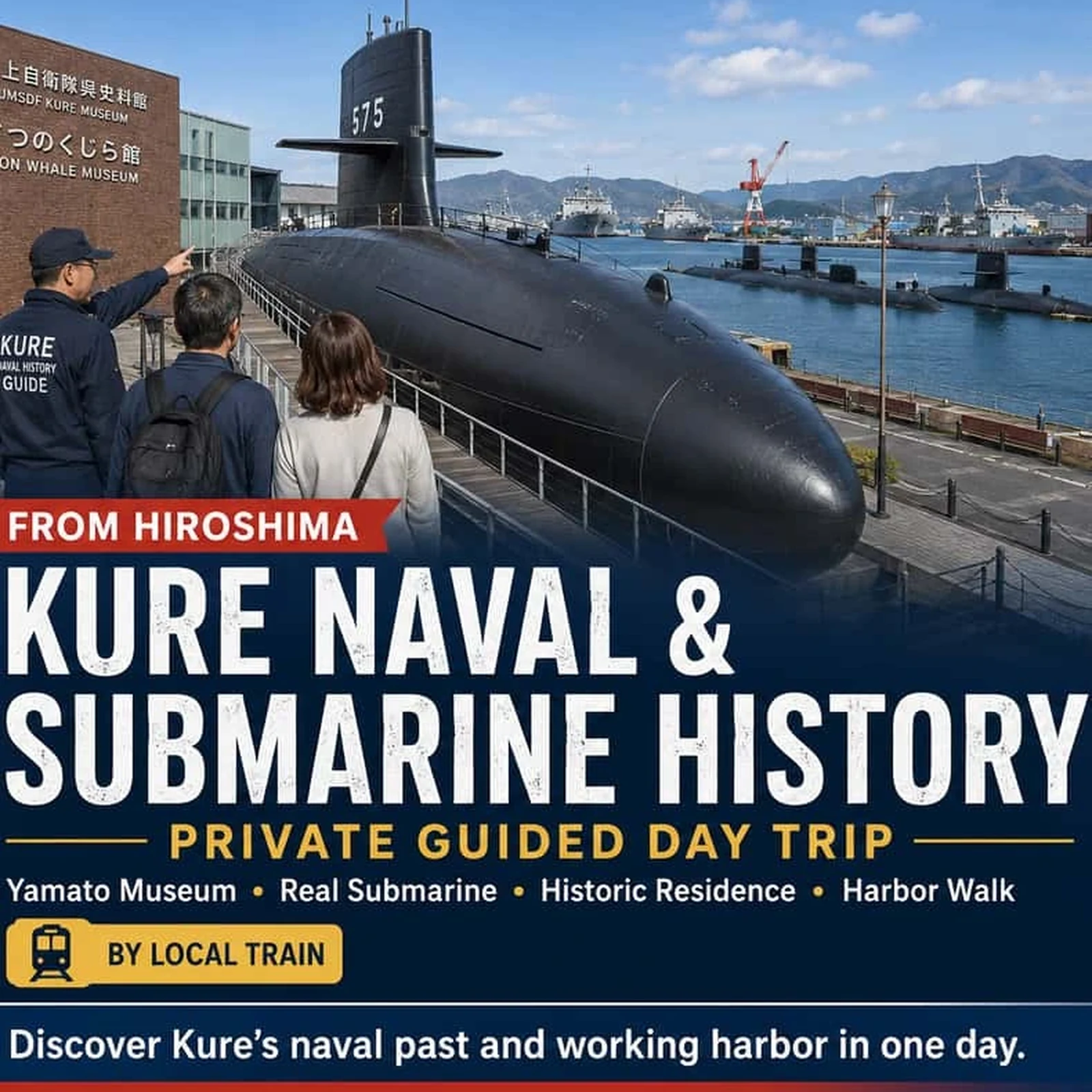
Take a private Kure tour from Hiroshima for 6 hours, visiting the Yamato Museum, the Akishio submarine and Kure's active naval harbour.
 Activity on TourBookGo
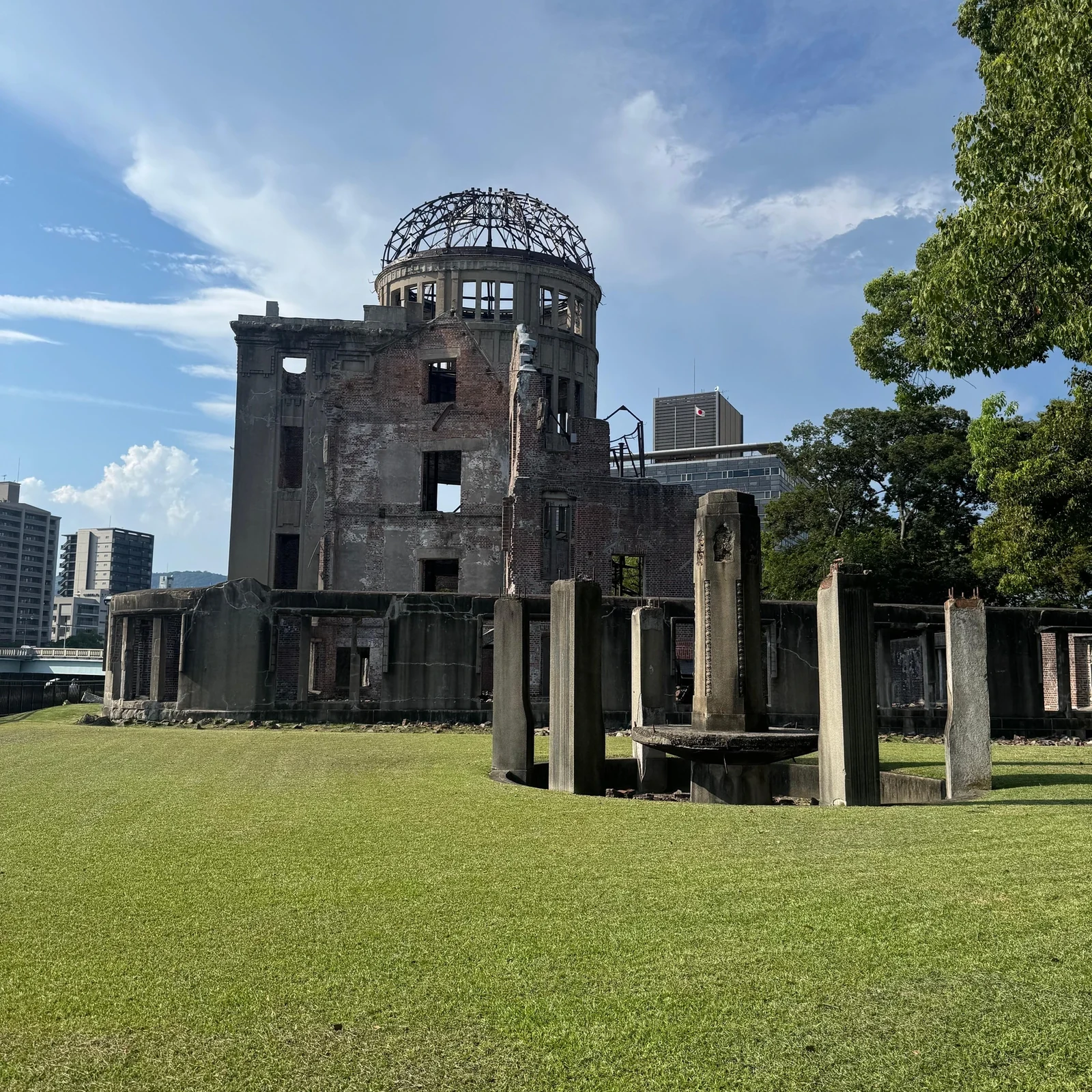
Hiroshima Peace Memorial Park private tour lasting 2.5 hours, with a local guide, Atomic Bomb Dome visit and Peace Memorial Museum admission included.