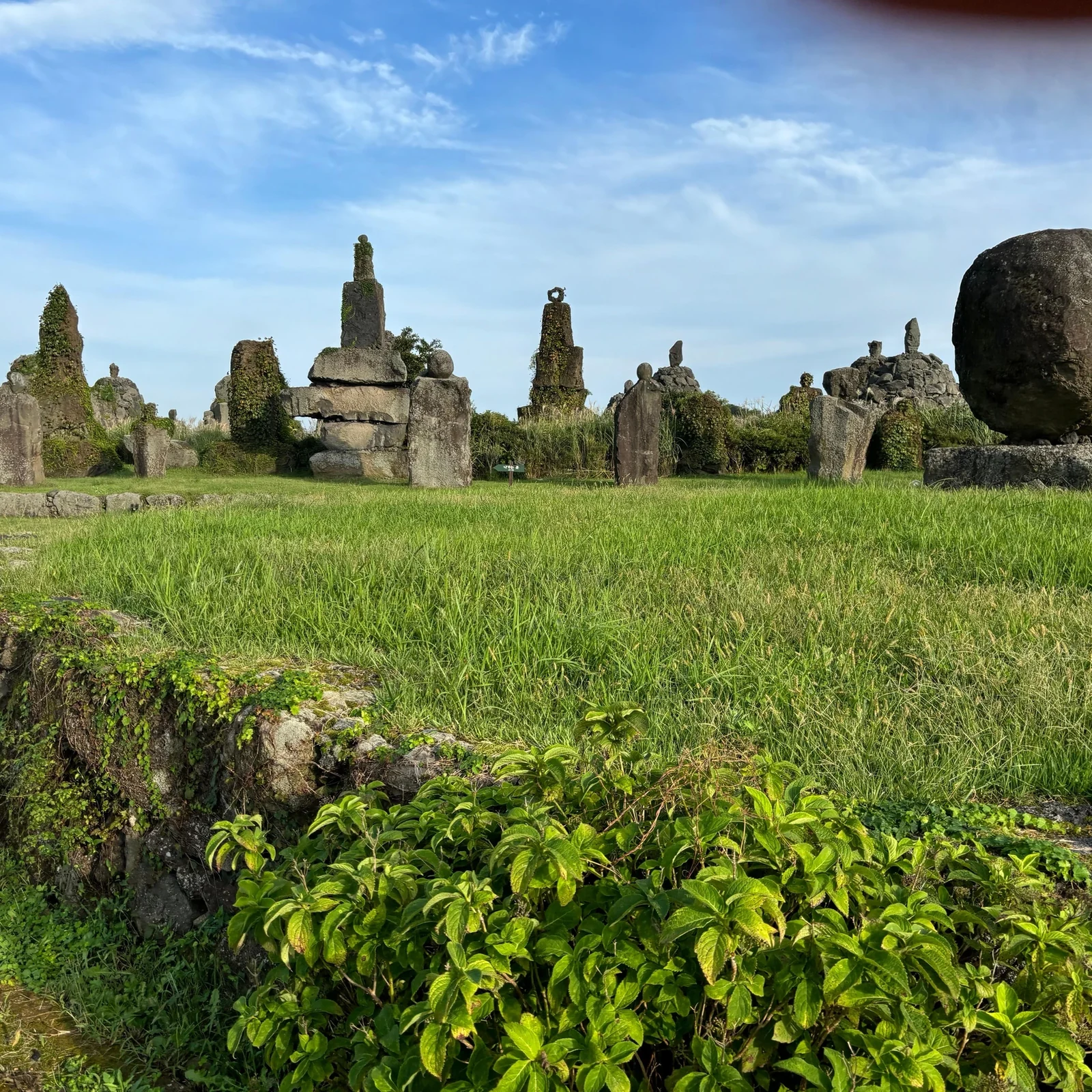
 Activity on TourBookGo
Private car tour of Jeju, tailored to your group
Book a private car tour of Jeju for 9 hours with a driver-guide, hotel pickup and a custom route for private groups of up to 6 people.
Knowing how to get around Jeju is essential for enjoying the island without rushing. Its beaches, waterfalls, trails, and villages are widely scattered, so choosing between a car, bus, or taxi can shape the rhythm of your entire trip.
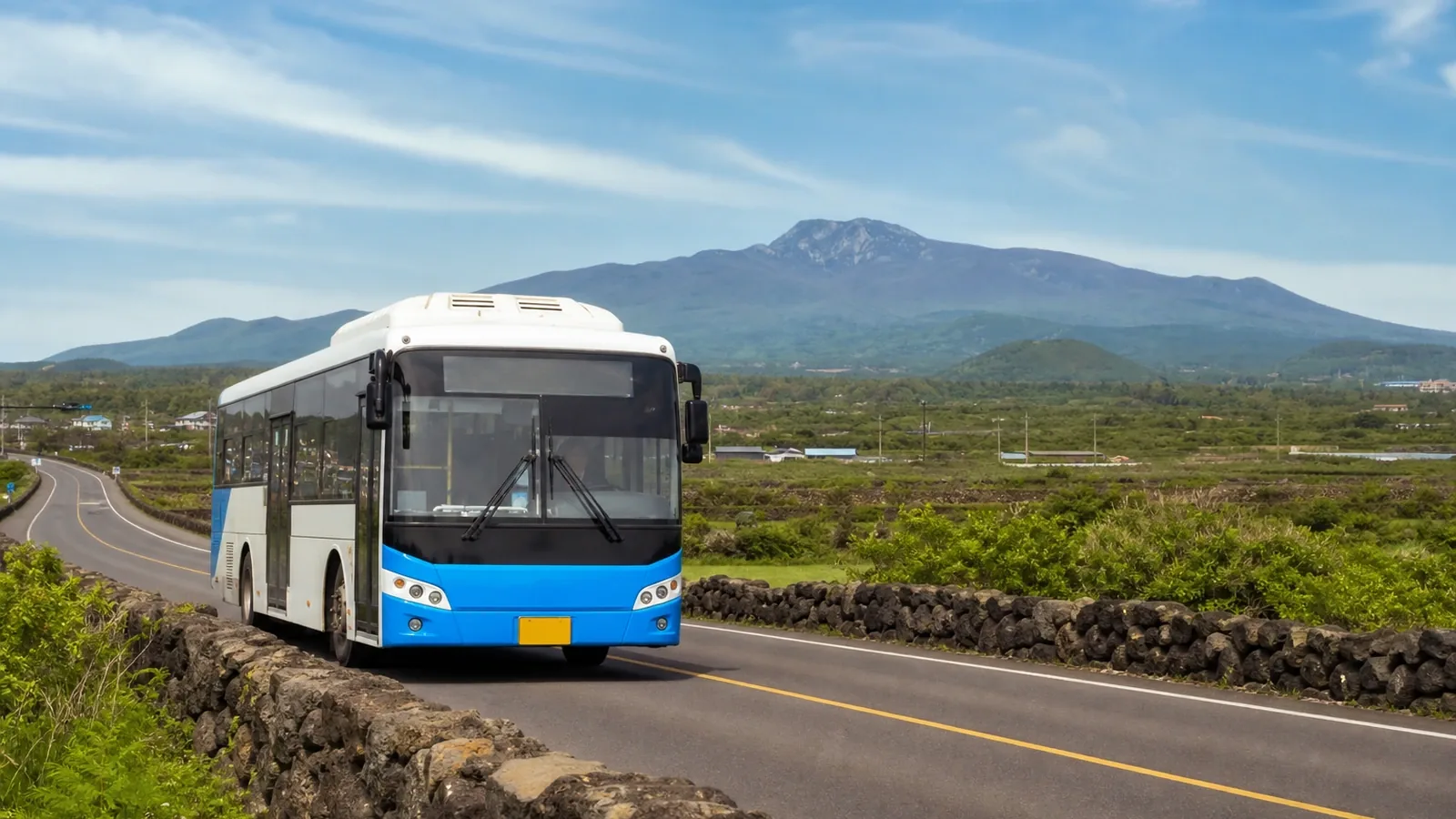
Understanding how to get around Jeju begins with accepting that the island is larger than it looks. Its oval shape, coastal road, and Hallasan skyline can create a false sense of proximity, but beaches, waterfalls, volcanic cones, hiking trails, and traditional villages are spread across the island. The central mountain also forces many routes to take longer than expected. The key question is not only which form of Jeju transportation to use, but how much time you want to spend in transit. A thoughtful choice turns the trip into a relaxed sequence of scenic stops; poor planning can leave you waiting for buses or crossing the island for much of the day.
Compare locations and options to find a base that suits your trip. Booking.com confirms current availability and pricing.
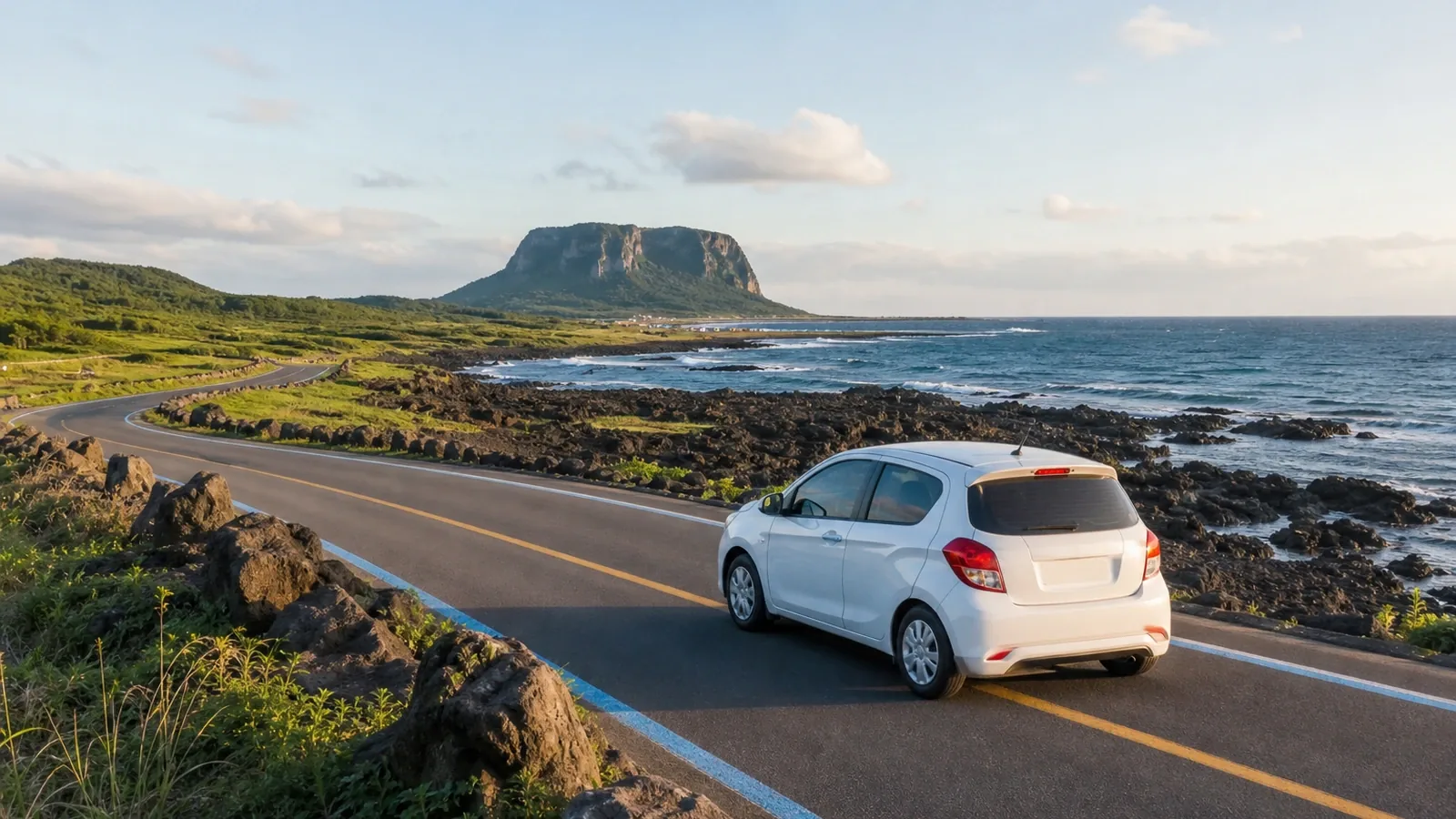
Find accommodation on BookingRenting a car in Jeju is not essential, but for many travelers it remains the most convenient and flexible option.
A car lets you stop beside a tangerine orchard, change your route when rain arrives, or reach viewpoints and small cafés far from the main bus lines. It is particularly useful for a first visit of three days or more, for families, for travelers carrying luggage, or for anyone hoping to combine nature, coastline, and villages in a single day.
You can also explore Jeju without a car by choosing a well-connected base and organizing each day by area. Jeju City is practical for the north and parts of the east, while Seogwipo is better placed for the south, Jungmun, and some routes toward Hallasan. Difficulties arise when you try to cover the east, west, and south on consecutive days without allowing for waiting times and transfers.
To drive in South Korea, foreign travelers generally need a valid International Driving Permit and a passport. Depending on the rental company, an original national driving licence and a credit card in the driver’s name may also be required. The usual minimum rental age is 21, although individual companies can impose additional conditions. Check them before your trip rather than discovering the requirements after arriving at the airport.
Rental companies generally operate from facilities near the airport, connected by shuttle buses. Booking ahead is advisable during weekends, Korean public holidays, spring blossom season, and the autumn foliage period.
Traffic drives on the right. The main roads are generally well designed, but speed cameras are common, limits change frequently, and rural roads can be narrow. Traffic in Jeju City may be slow during rush hour; outside urban areas, driving usually feels more relaxed.
A car becomes less appealing when the weather deteriorates. Fog around Hallasan, heavy rain, strong winds, and winter conditions can make certain routes uncomfortable. Anyone unfamiliar with driving abroad should consider whether the extra freedom is worth the possible stress.
Before leaving the parking area, photograph the vehicle, review the insurance coverage, and confirm the fuel policy. It is also useful to save the Korean names of your accommodation and main destinations.
Jeju’s public bus network connects cities, villages, and many tourist attractions. It is an affordable option for travelers who prefer a slower pace, are following sections of the Jeju Olle Trail, or do not wish to drive. Urban services and major routes are relatively straightforward, but buses may run much less frequently in rural areas, and missing a connection can disrupt an entire day.
The island has express, urban, intercity, and local feeder routes. The official information system provides routes, stops, and recent service updates; for example, routes 800 and 801 continue to connect the airport with the Seogwipo area under the schedules in effect in 2026.
A transport card such as T-money makes fares and transfers easier. Remember to tap it when getting off the bus as well. Timetables vary by route and season, so avoid planning a full day around old information or screenshots found on travel blogs.
Instead of combining famous sights from opposite sides of the island, devote each day to one area.
Plan one day for the east around Hamdeok, Woljeong-ri, or Seongsan.
Set aside another for the west, including Aewol, Hyeopjae, and the nearby volcanic landscapes.
Use a separate day for Seogwipo, Jungmun, or the southern coast.
The bus works well when your itinerary respects its pace. It is less practical for travelers who want to visit five distant attractions, photograph every cove, and still return to the hotel early.
Naver Map and KakaoMap are generally more useful in South Korea than relying solely on Google Maps. They show public transport routes, stops, estimated journey times, and, in many cases, real-time arrivals. Naver Map also offers an interface in several languages.
One simple precaution can prevent many problems: save destinations under their Korean names. Some accommodations, trails, and restaurants appear differently when searched for in the Latin alphabet.
Taxis are convenient within Jeju City, Seogwipo, and the main tourist areas. They are also useful for connecting a bus station with rural accommodation or returning after a hike.
They are not the best solution for exploring the whole island through improvised rides. Long distances quickly increase the cost, and finding a vehicle in isolated locations can be difficult. For a full sightseeing day, hiring a taxi with a driver in advance may be more practical than taking several separate rides, especially for small groups or travelers unable to rent a car.
Apps such as Kakao T and other visitor-focused booking services make it easier to request a vehicle, although availability varies by area. In rural locations, arranging the return journey in advance is still advisable.
Walking is one of the best ways to experience Jeju closely, although it cannot meet every transportation need.
The Jeju Olle trails follow black-lava coastlines, pass through villages, and run beside open, windswept fields. In Jeju City and Seogwipo, you can also explore markets, neighborhoods, harbors, and several urban waterfalls on foot.
What is unrealistic is using walking as the main way to travel between major attractions. Many places are separated by kilometres of roads, fields, and sections with little appeal for pedestrians. The most practical combination is usually to take a bus or taxi to the start of a route and explore the area on foot.
Jeju’s coastline offers beautiful stretches for cycling, especially when the sea is calm and the light highlights the basalt walls. Even so, a bicycle is not an easy transport option for everyone.
The wind can be strong, some roads are shared with cars or pedestrians, and certain coastal areas have steep gradients. For experienced cyclists, a ride can become one of the island’s most memorable experiences; for someone with little practice, using a bicycle as the only means of transport can quickly become exhausting.
The most common mistake is calculating routes using straight-line distances. Hallasan occupies the centre of the island and shapes connections between north and south. Traffic lights, coastal roads, urban congestion, and spontaneous stops—which almost always last longer than expected—must also be considered.
Traveling from one coast to another can consume a significant part of the day. Even by car, trying to see Seongsan, Hyeopjae, and Seogwipo in a single day creates a rushed itinerary with more time on the road than enjoying the scenery.
Jeju is best experienced by dividing the map into areas and, on longer trips, staying in two different bases.
Rental car: the most flexible option for visiting rural places, traveling with family, or combining several stops. It is less suitable for anyone uncomfortable driving abroad or planning to remain mainly in one city.
Bus: a good choice for budget travelers, backpackers, and anyone who enjoys a slower pace. It requires planning and patience, especially away from the main transport corridors.
Taxi: convenient for short journeys, arrivals with luggage, and full-day tours arranged with a driver. Using taxis continuously to cross the island can become expensive.
Bicycle and walking: excellent ways to discover a specific area, but not complete substitutes for motorized transportation.
The first mistake is planning the trip as though Jeju were a compact city. The second is renting a car without checking the required documents. The third is relying on a single map app or outdated timetables.
Another common mistake is booking the cheapest accommodation without considering its location. A small saving can leave you dependent on taxis every day or cost you hours in transfers.
Finally, avoid relying on the last possible bus after a hike. A wet trail, an unplanned meal stop, or a sudden change in the weather can easily delay your return.
For a short first visit, a car offers the best balance between time and freedom. For a more relaxed stay, the bus reveals a slower side of Jeju, with stone walls, greenhouses, and fields descending toward the sea outside the window.
No single option is right for everyone. The best choice depends on your budget, your confidence behind the wheel, and the kind of journey you want. Jeju rewards travelers who understand its distances and give each coastline the time it deserves far more than those who try to see the entire island at once.
Discover selected experiences in Jeju to complete this guide with volcanic landscapes, local culture, coastal routes, food and well-organised day trips.
Activity on TourBookGoBook a private car tour of Jeju for 9 hours with a driver-guide, hotel pickup and a custom route for private groups of up to 6 people.
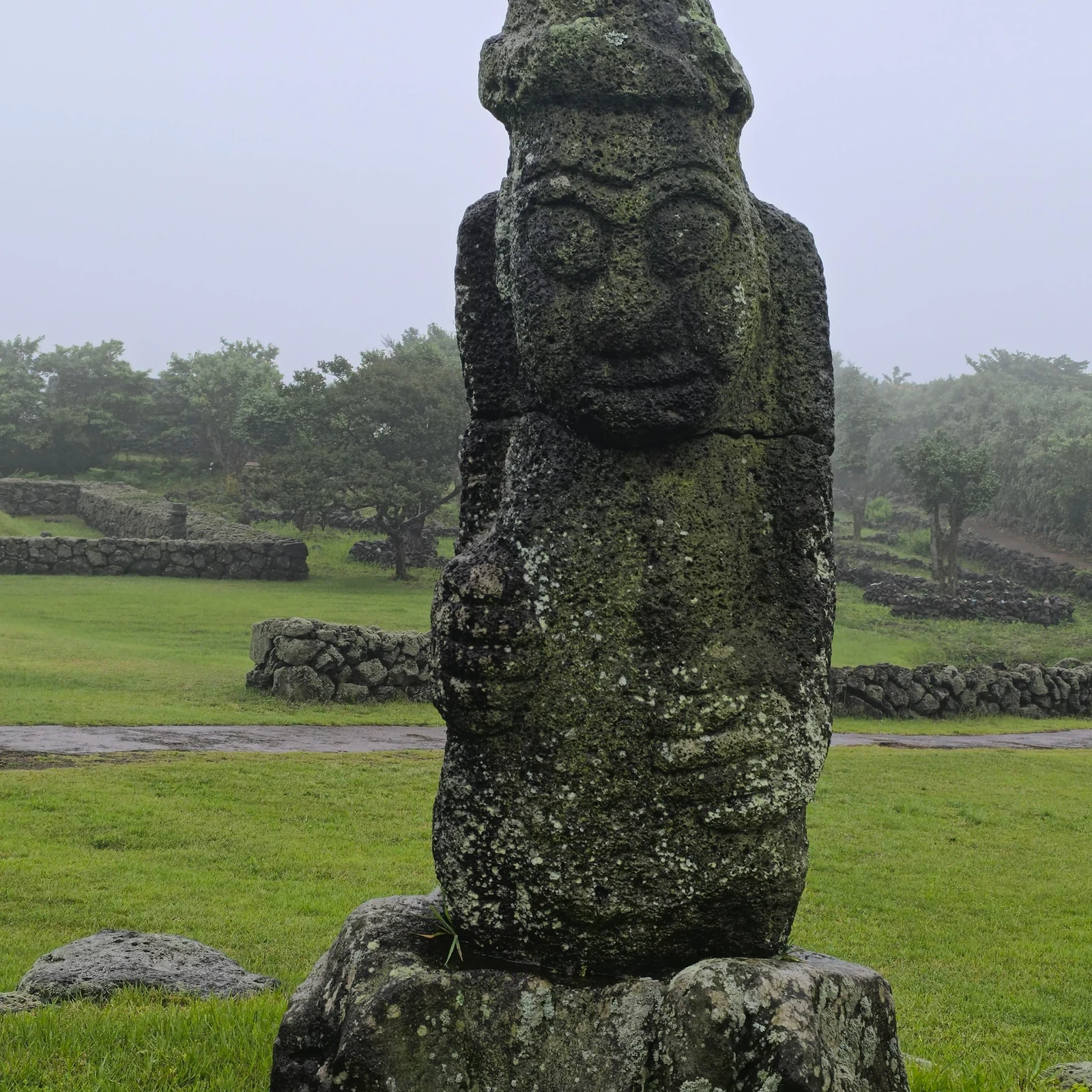 Activity on TourBookGo
Book a private Jeju taxi tour with an English-speaking driver-guide, an exclusive vehicle and a custom 8-hour itinerary for up to 4 people.
 Activity on TourBookGo
Book a private Jeju taxi tour lasting 5 to 8 hours, with a driver, flexible pickup and a custom route from Jeju or Gangjeong port.