Plan your Jeju trip step by step
Use these themed guides to choose the right season, accommodation base, transportation and landscapes for your route around the island.
1
Jeju essentials
What makes Jeju special
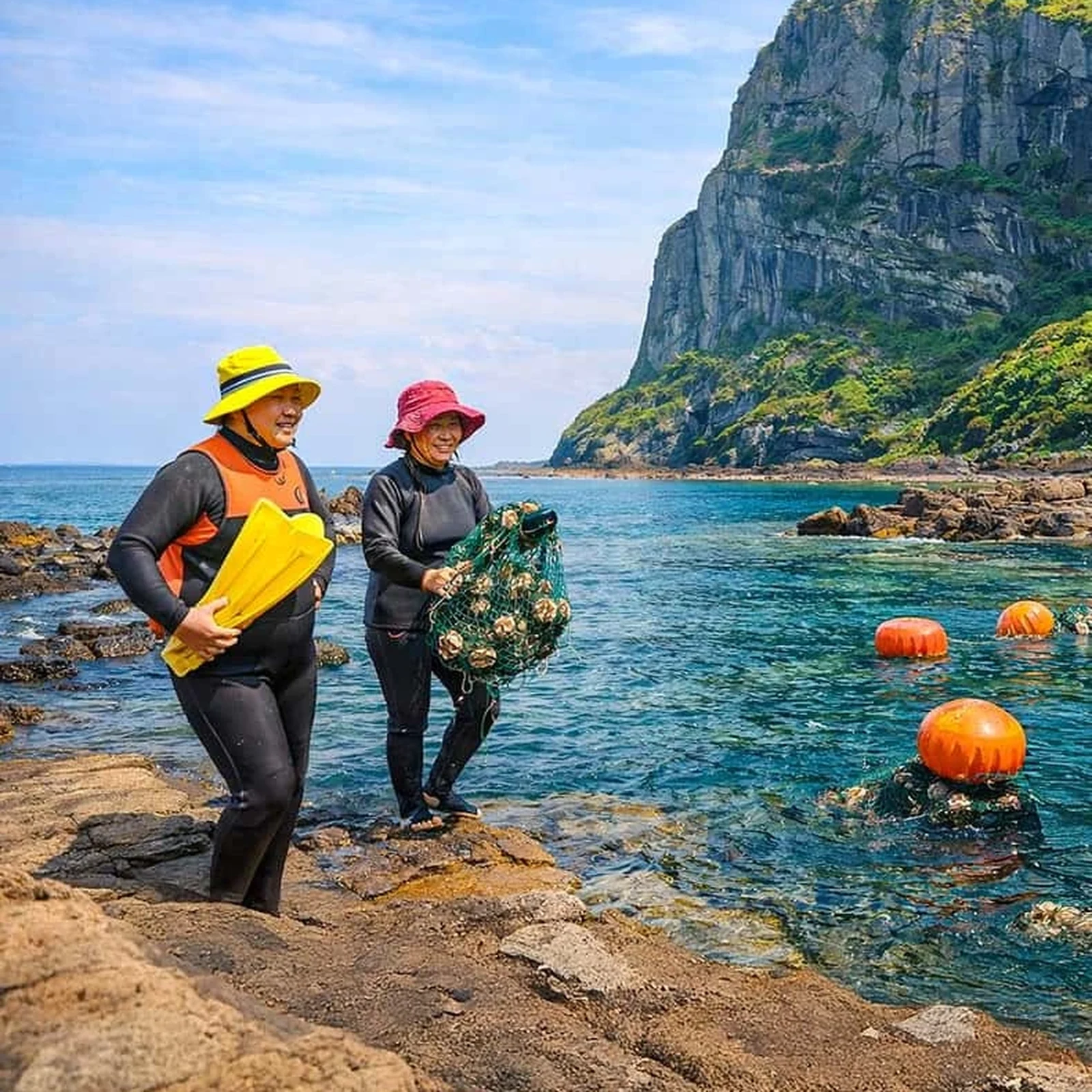
Discover the island's volcanic origins, oreum cones, lava tubes, basalt scenery, maritime traditions, tangerine orchards and distinctive local culture.
View guide →
2
Weather
When to visit Jeju
Compare temperatures, rainfall, wind, seasonal flowers, autumn colors and hiking conditions before choosing the best time for your plans.
View guide →
3
Accommodation
Where to stay in Jeju
Choose between Jeju City, Seogwipo, Seongsan, Aewol and other areas based on airport access, day trips, coastal atmosphere and route design.
View guide →
4
Top sights
Things to do in Jeju
Plan visits to Hallasan, Seongsan Ilchulbong, lava tubes, waterfalls, beaches, Olle trails, gardens and dramatic coastal viewpoints.
View guide →
5
Transportation
How to get around Jeju
Learn how to combine a rental car, buses, taxis and organized tours on a large island without a metro or railway network.
View guide →
6
Costs
Jeju travel budget
Estimate flights, accommodation, car rental, fuel, buses, food and admission costs for budget, mid-range and more comfortable trips.
View guide →
7
Food
Where to eat in Jeju
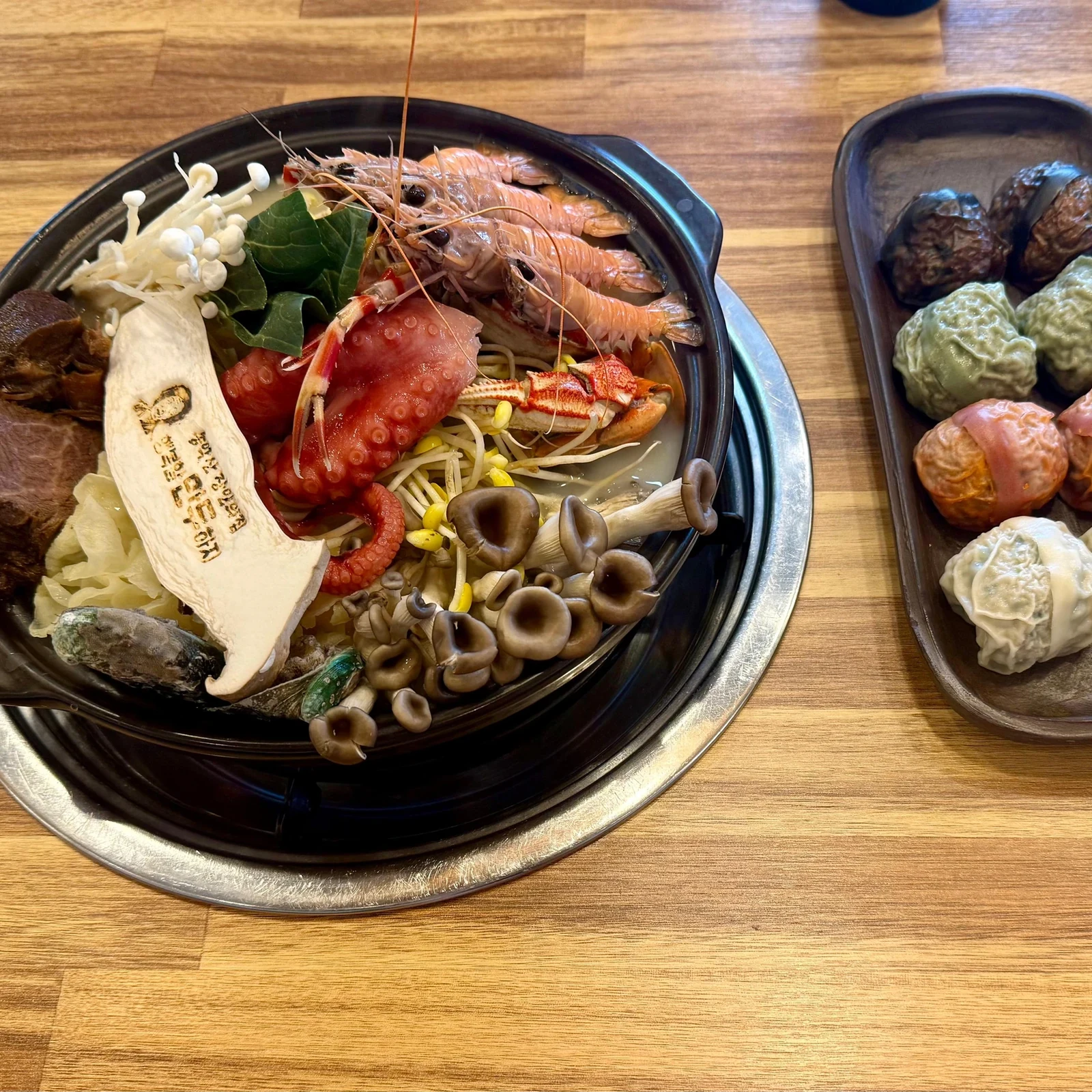
Try black pork, abalone, fresh fish, seaweed soup, seafood, tangerines and other products closely connected to the island and its waters.
View guide →
8
Safe travel
Safety in Jeju
Review practical advice about driving, strong winds, coastal waves, Hallasan hiking, changing weather and responsible access to natural areas.
View guide →
9
Travel tips
Mistakes to avoid in Jeju
Avoid crossing the island repeatedly, underestimating travel times, ignoring wind conditions or relying on buses without checking schedules and transfers.
View guide →
10
Suggested route
Jeju itinerary
Combine the north, Seogwipo, Hallasan, Seongsan and the east and west coasts in balanced routes adapted to the length of your stay.
View guide →

 Activity on TourBookGo