 Activity on TourBookGo
Jeju All Pass 24, 48 or 72 hours: explore Jeju your way
Book the Jeju All Pass for 24, 48 or 72 hours and save up to 70% on selected Jeju Island attractions, admission and experiences.
Planning a Jeju travel budget is much easier once you know which expenses make the biggest difference. The island can be a surprisingly affordable escape or a fairly expensive getaway, depending on how you explore it. Volcanic trails, beaches, and coastal scenery can fill several days at little cost, while hotels in Jungmun, cafés with a view, black pork, seafood, and a rental car can quickly increase the total cost.
To calculate a realistic Jeju travel budget, it helps to begin with the local currency. In late July 2026, one euro was worth approximately 1,658 South Korean won. Exchange rates fluctuate, so the euro conversions in this article are only approximate. Jeju is not particularly expensive, at least compared with other developed tourist islands. Nature is its greatest money-saving advantage: walking the Olle trails, spending the afternoon on beaches such as Hamdeok or Hyeopjae, and exploring certain volcanic sites costs little or nothing. Expenses rise sharply when you try to see the entire island in just a few days. Jeju looks compact on a map, but distances are long and attractions are spread out. Someone who books cheap accommodation and then constantly relies on taxis may end up spending more than someone who rents a car.
Compare locations and options to find a base that suits your trip. Booking.com confirms current availability and pricing.
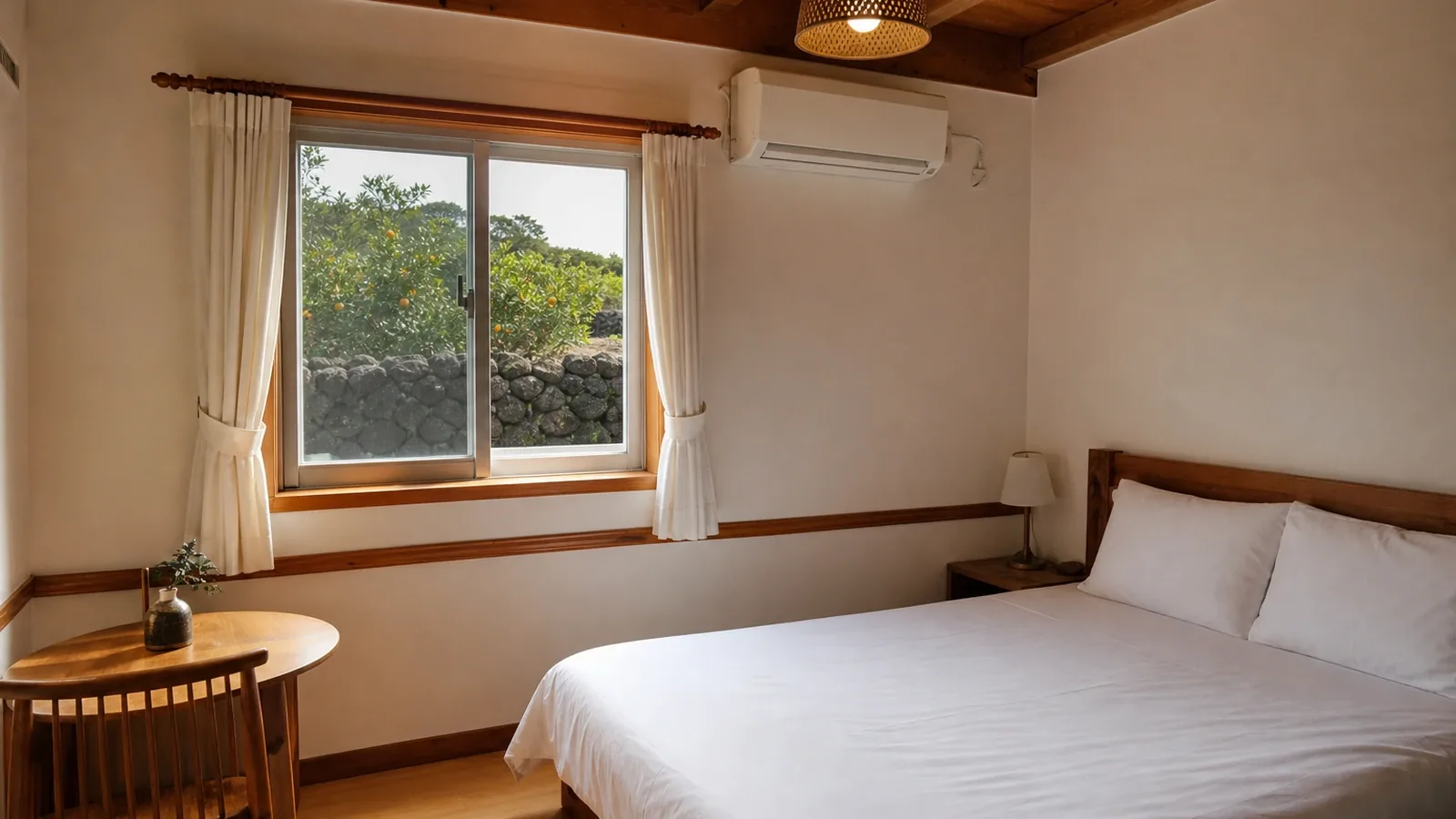
Find accommodation on BookingAccommodation prices in Jeju vary considerably by area. A 2026 analysis of prices at 450 hotels placed the average at approximately 66,000 won per night in Jeju City, 69,000 in Seogwipo, 70,000 in Seongsan, and 76,000 in Aewol. In Jungmun, home to many large resorts, the average rose to around 135,000 won, while luxury hotels could easily exceed 400,000 won per night.
For planning purposes, without relying on a specific deal: budget accommodation, 40,000–70,000 won per room; comfortable mid-range hotel, 80,000–160,000 won; resort or distinctive accommodation, from 200,000 won, with a much higher upper limit.
Solo travel puts more pressure on the budget. Couples can split the cost of a room and a car; solo travelers must cover almost all of those expenses themselves.
July, August, and Korean public holidays can significantly increase the cost of the most sought-after accommodation. In summer, some rates can multiply compared with quieter periods.
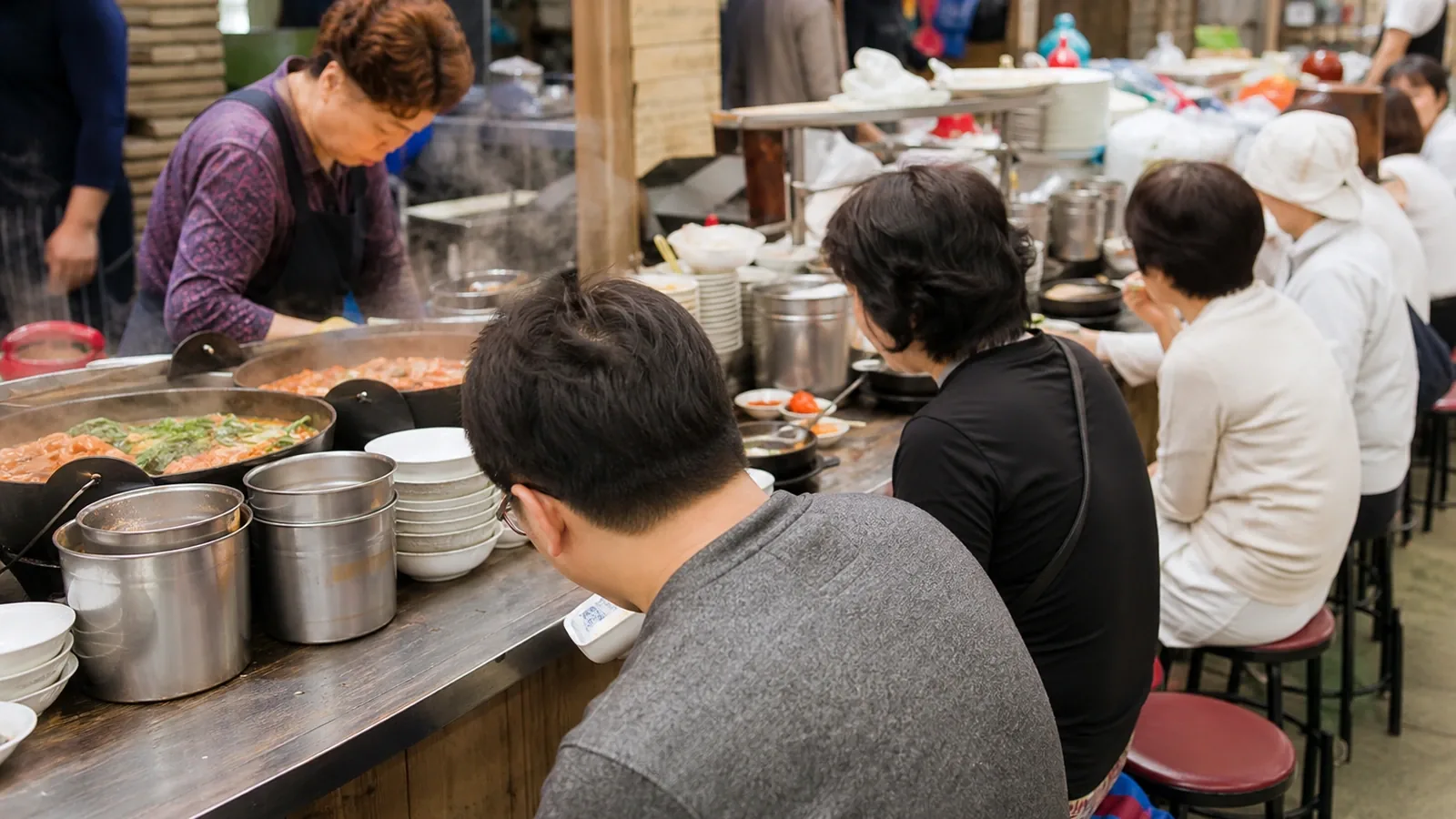
You do not have to live on fast food to save money in Jeju. In 2026, provincial tourism data put the average price of kimbap at around 3,625 won, a plate of jajangmyeon at 7,750, kalguksu at 10,375, and samgyetang at 16,250 won. These are reference prices for common dishes, not universal prices at every restaurant.
A reasonable daily food budget depends on how important food is to the trip.
Between 25,000 and 40,000 won per person per day. This budget covers breakfast at convenience stores or bakeries and simple meals such as soups, noodles, market food, and local restaurants.
Between 50,000 and 80,000 won per day. This allows you to combine local food, the occasional attractive café, and a more elaborate dinner.
From 100,000 won per day. Jeju black pork, hairtail fish, sashimi, seafood, and certain restaurants with views can become one of the trip’s main expenses.
Coastal cafés should be approached with some caution. Some charge more for the view than for the drink. An occasional stop can be enjoyable, but turning every viewpoint into a visit to a designer café can distort the budget without necessarily improving the experience.
The bus is the cheapest option. Local services can cost around 1,150 won with a transport card, while express buses start at approximately 2,000 won and can reach 3,000 depending on the distance. Some rural routes run infrequently, sometimes only once an hour or less.
When traveling by bus, it is sensible to set aside 5,000–10,000 won per day for public transport. This is enough for a slower-paced trip organized by area and without too many detours.
A budget rental car typically costs around 30,000–75,000 won per day, depending on the season, plus insurance and fuel. Prices can rise sharply in summer and during Korean public holidays.
For two or three people, a car can make financial sense. For a solo traveler with enough time, the bus remains the cheapest option, although it means accepting longer waits and less ambitious daily itineraries.
Jeju makes it easy to keep this category under control. Hallasan, several Olle trails, and many beaches are free. Other natural attractions charge modest admission fees: Seongsan Ilchulbong costs around 5,000 won, while some waterfalls and geological formations cost only a few thousand won. Private museums, theme parks, and organized experiences are considerably more expensive.
For a nature-focused trip, 10,000–30,000 won per day will usually cover admission fees. Travelers who add interactive museums, private tours, or family activities will need to increase that amount.
The following estimates are per person, excluding flights, and assume that two travelers share a room. Euro amounts are approximate.
3 days and 2 nights. Budget: 230,000–330,000 ₩, approximately €140–200. Comfortable: 430,000–650,000 ₩, approximately €260–390. High-end trip: from 900,000 ₩, approximately €540.
5 days and 4 nights. Budget: 390,000–570,000 ₩, approximately €235–345. Comfortable: 750,000–1,100,000 ₩, approximately €450–665. High-end trip: from 1,500,000 ₩, approximately €905.
7 days and 6 nights. Budget: 560,000–820,000 ₩, approximately €340–495. Comfortable: 1,050,000–1,500,000 ₩, approximately €635–905. High-end trip: from 2,100,000 ₩, approximately €1,270.
The budget option assumes simple accommodation, public transport, local meals, and nature-based activities. The comfortable budget allows for a mid-range hotel, a shared rental car, cafés, and several paid experiences. The high-end category includes resorts, specialty restaurants, taxis or a higher-end vehicle, and private activities.
The best strategy is to organize each day around a single area. Constantly crossing the island uses up fuel, time, and money.
Jeju City and Seogwipo offer a good balance of prices, restaurants, and transportation. Aewol and Jungmun may look more appealing in photographs, but they tend to encourage higher spending on accommodation, cafés, and tourist-oriented restaurants.
It is also worth prioritizing nature. Hallasan, the Olle trails, the forests, and the coastline contain much of what makes Jeju special. Visiting one private museum or theme park after another not only makes the trip more expensive; it can also obscure the island’s true character.
The biggest mistake is not booking an expensive hotel. It is trying to see everything.
An overly ambitious itinerary forces you to rent a car, drive for hours, rely on convenience food, and constantly change accommodation. Jeju is best enjoyed when your budget buys you time: a long morning by the sea, a walk among volcanic rocks, and lunch without watching the clock.
With around 80,000–120,000 won per person per day, sharing a room and traveling with some restraint, you can explore Jeju in reasonable comfort. It is also possible to spend less, but doing so requires buses, careful planning, and giving up a few indulgences. Above that amount, the island offers excellent resorts and cuisine, although spending more does not guarantee a more authentic experience of Jeju.
Discover selected experiences in Jeju to complete this guide with volcanic landscapes, local culture, coastal routes, food and well-organised day trips.
Activity on TourBookGoBook the Jeju All Pass for 24, 48 or 72 hours and save up to 70% on selected Jeju Island attractions, admission and experiences.
 Activity on TourBookGo
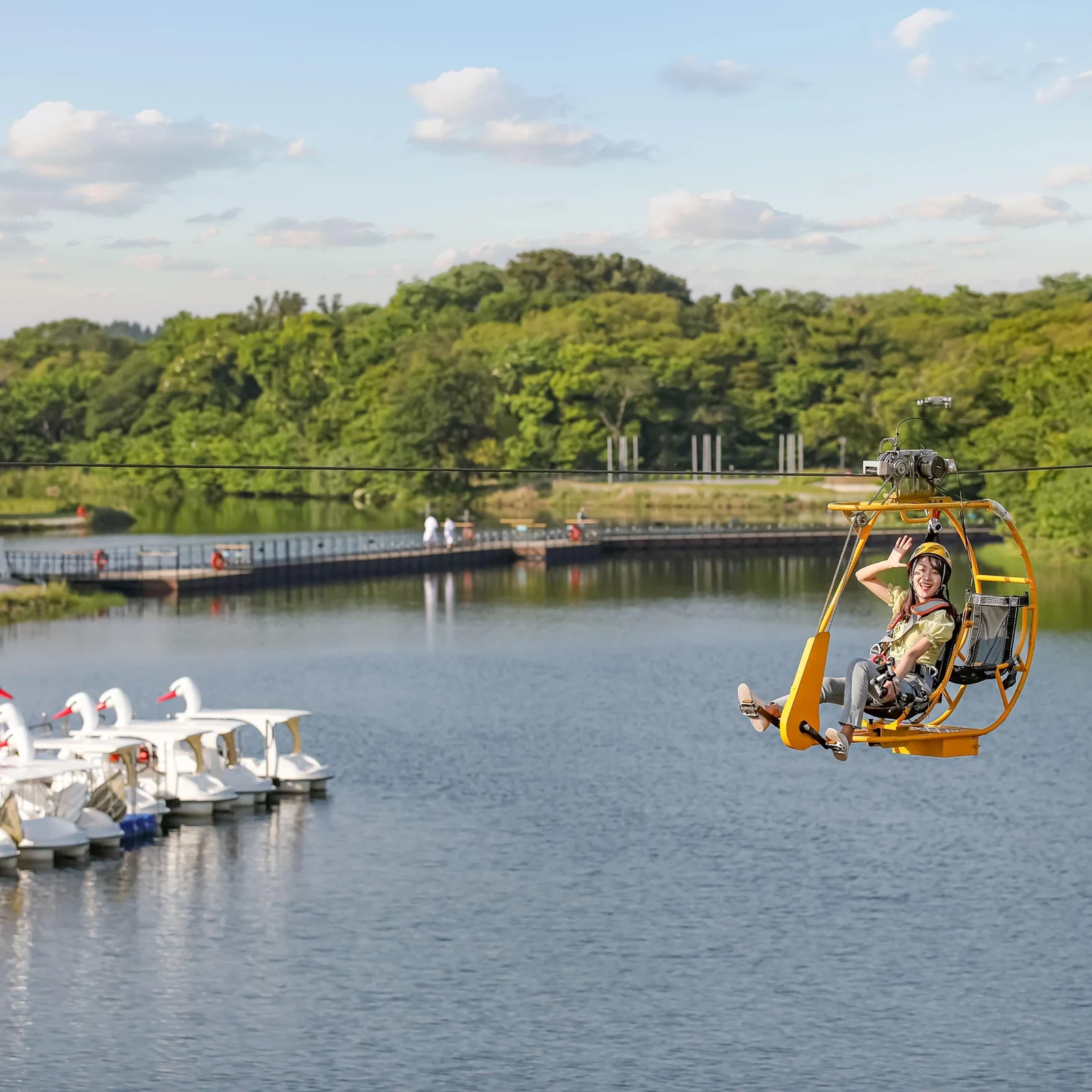
Book Eco Land Theme Park Jeju tickets, explore five stations by vintage-style train and choose a sky bike, boat ride, foot bath or creative workshop.
 Activity on TourBookGo
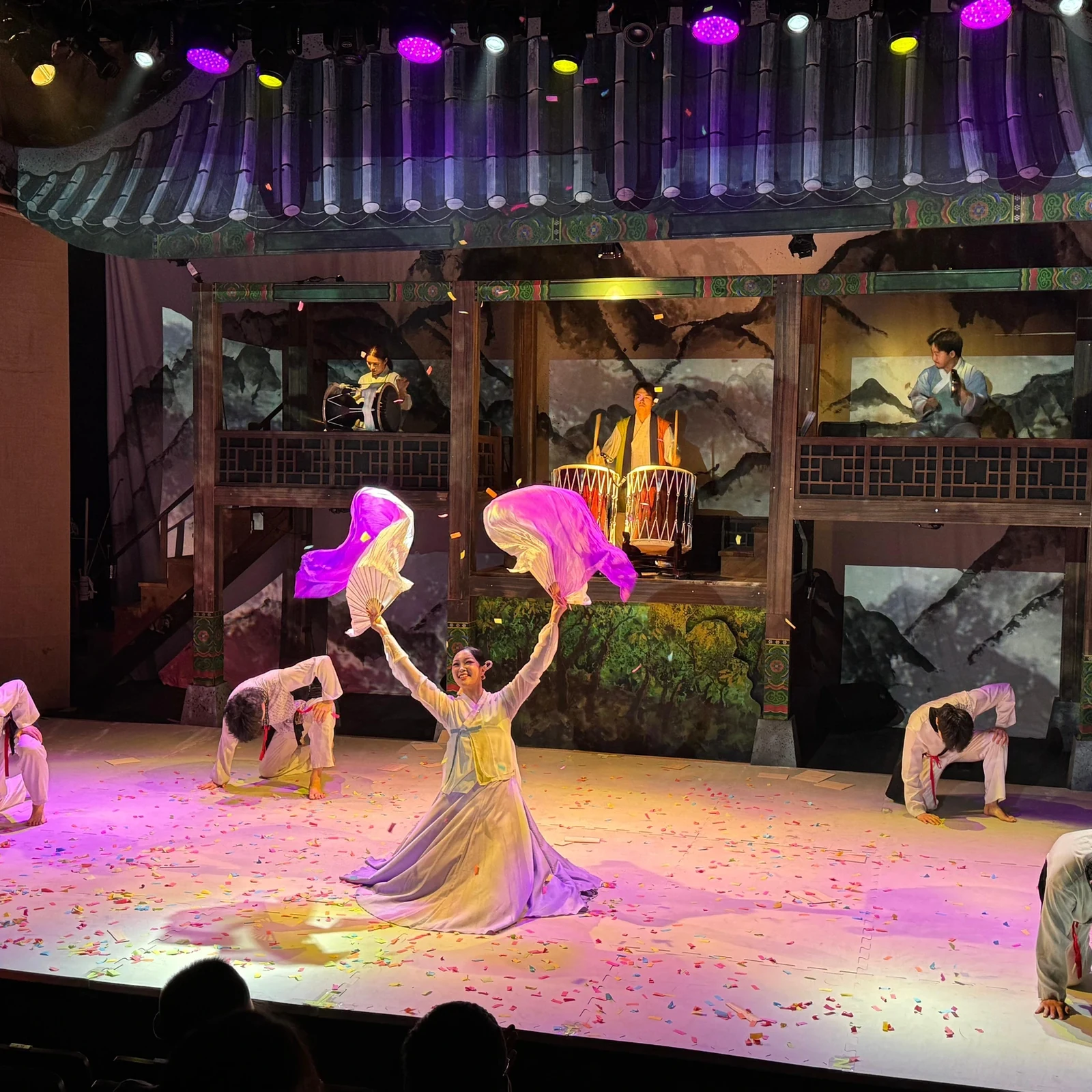
Book The K-Show Taekwondo in Jeju: 60 minutes of martial arts, music, dance and Korean culture. From €15, wheelchair accessible and free cancellation.