 Activity on TourBookGo
Eastern Jeju UNESCO Tour: Seongsan and Haenyeo Culture
Book an Eastern Jeju UNESCO tour with Seongsan Ilchulbong, Haenyeo culture, transport, a professional guide and admission on a 10-hour trip.
Safety in Jeju is generally excellent for solo travellers, couples, and families, although extra care is needed on the roads, along the coast, on Hallasan, and when the weather changes quickly.
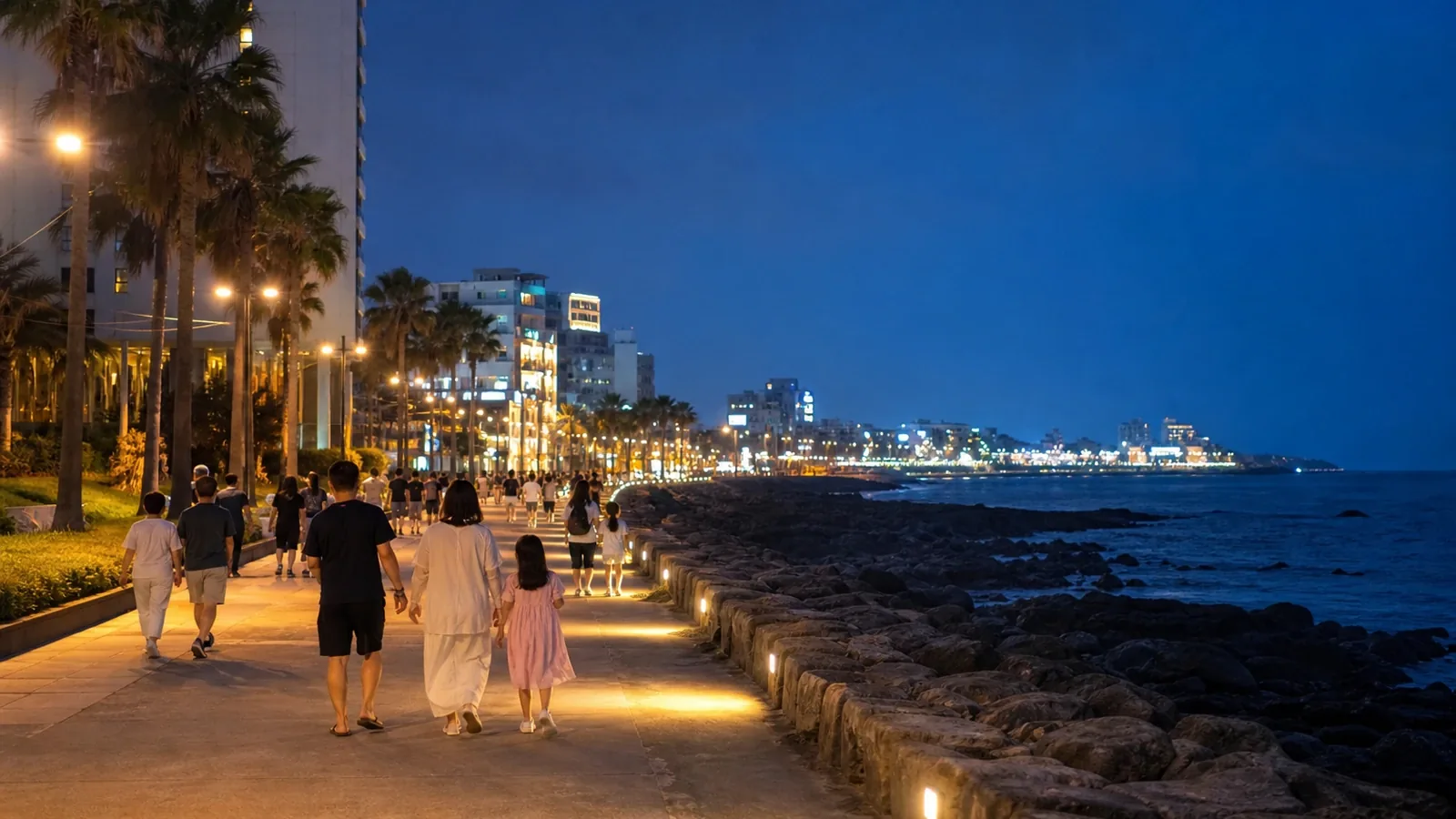
Safety in Jeju allows travellers to explore the island with a reassuring sense of calm: roads lined with volcanic stone walls, windswept fields, seaside cafés, and villages where evenings unfold at an almost rural pace. Overall, it is safe to travel to Jeju alone, as a couple, or with children, provided you follow normal precautions. Current international travel advice recommends taking standard precautions in South Korea. Crimes against foreign visitors are uncommon, although occasional theft and nightlife-related incidents can occur. The main risks in Jeju are usually connected less to crime and more to driving, the sea, the mountains, and weather that can change quickly.
Compare locations and options to find a base that suits your trip. Booking.com confirms current availability and pricing.
Find accommodation on BookingNone of Jeju’s main tourist areas are identified by major travel advisories as places to avoid. Jeju City, Seogwipo, Aewol, Seongsan, and the main coastal towns can all be visited as usual.
That does not mean the island is risk-free. A poorly lit side road, a windswept coastline, or a fog-covered trail may pose a more realistic danger than an encounter with criminals.
Jeju’s peaceful atmosphere can also create a false sense of invulnerability. Leaving your phone on a table, abandoning a backpack in the car, or walking through an isolated area late at night with no transport available are still bad ideas, however safe the surroundings may feel.
Central areas of Jeju City and Seogwipo generally remain lively until late, with restaurants, shops, and taxis still operating. Walking along busy streets is rarely intimidating, but some residential neighbourhoods and coastal roads become very quiet once businesses close.
The issue in these places is usually not the presence of a “dangerous neighbourhood,” but poor lighting, long distances, and the difficulty of finding transport back.
In bars and nightlife areas, follow the same precautions you would in any city: keep an eye on your drink, avoid accepting drinks from strangers, and return by a legitimate taxi or recognised transport service. Authorities in several countries warn that assault, harassment, and drink spiking can occur in South Korea, particularly in nightlife settings.
For many women, Jeju is a comfortable destination for solo travel. It is common to visit cafés, beaches, museums, and hiking trails alone, and everyday life on the island generally feels orderly and peaceful.
Even so, safety does not mean a complete absence of risk. When returning late, it is better to use authorised transport, share your location with someone you trust, and avoid completely deserted coastal or rural roads. In a bar, do not leave your drink unattended or accept food or alcohol from strangers.
In the event of an incident, the police can be reached on 112, and interpreter assistance in English may be available.
Jeju is not known for aggressive scams targeting tourists. The most likely problems are far more ordinary: forgetting an item, misunderstanding the terms of a booking, or failing to fully understand the insurance coverage for a rental car.
It is sensible to keep your passport and bank cards in a safe place, avoid leaving valuables visible inside the vehicle, photograph the rental car before driving it, and read carefully which types of damage are covered by the insurance.
Keep the address of your accommodation written in Korean and use official taxis and clearly identifiable operators.
Taxi drivers may speak little English, so having your destination saved in Korean helps avoid confusion, especially at night or in rural areas.
Renting a car allows you to explore Jeju freely, but it also introduces one of the trip’s main risks. The island combines fast roads, roundabouts, narrow lanes, urban traffic, and rural roads that can become completely dark after sunset.
Avoid driving when tired after a long excursion, and do not follow your navigation system blindly when it suggests minor access roads. Rain and wind can reduce visibility, and in rural areas you may encounter pedestrians, cyclists, or agricultural vehicles.
Drink-driving laws are strict. In addition, Korean authorities may assign considerable responsibility to drivers in accidents involving pedestrians or cyclists.
Hallasan rises above the island like a silent presence, but its weather does not always resemble conditions on the coast. Rain or fog can appear with little warning, even when Jeju City or Seogwipo is enjoying good weather. In winter, snow and ice make suitable footwear essential and, depending on conditions, crampons and thermal clothing may also be necessary.
Before setting out, check the official status of the trails. Some areas may close because of heavy rain, snow, or strong winds. It is also important to respect access cut-off times: starting a long climb too late may force you to turn back before reaching your destination.
Fog transforms the forest into a beautiful, almost unreal landscape, but it also removes visual reference points. Leaving the marked trail to take a photograph can result in serious disorientation.
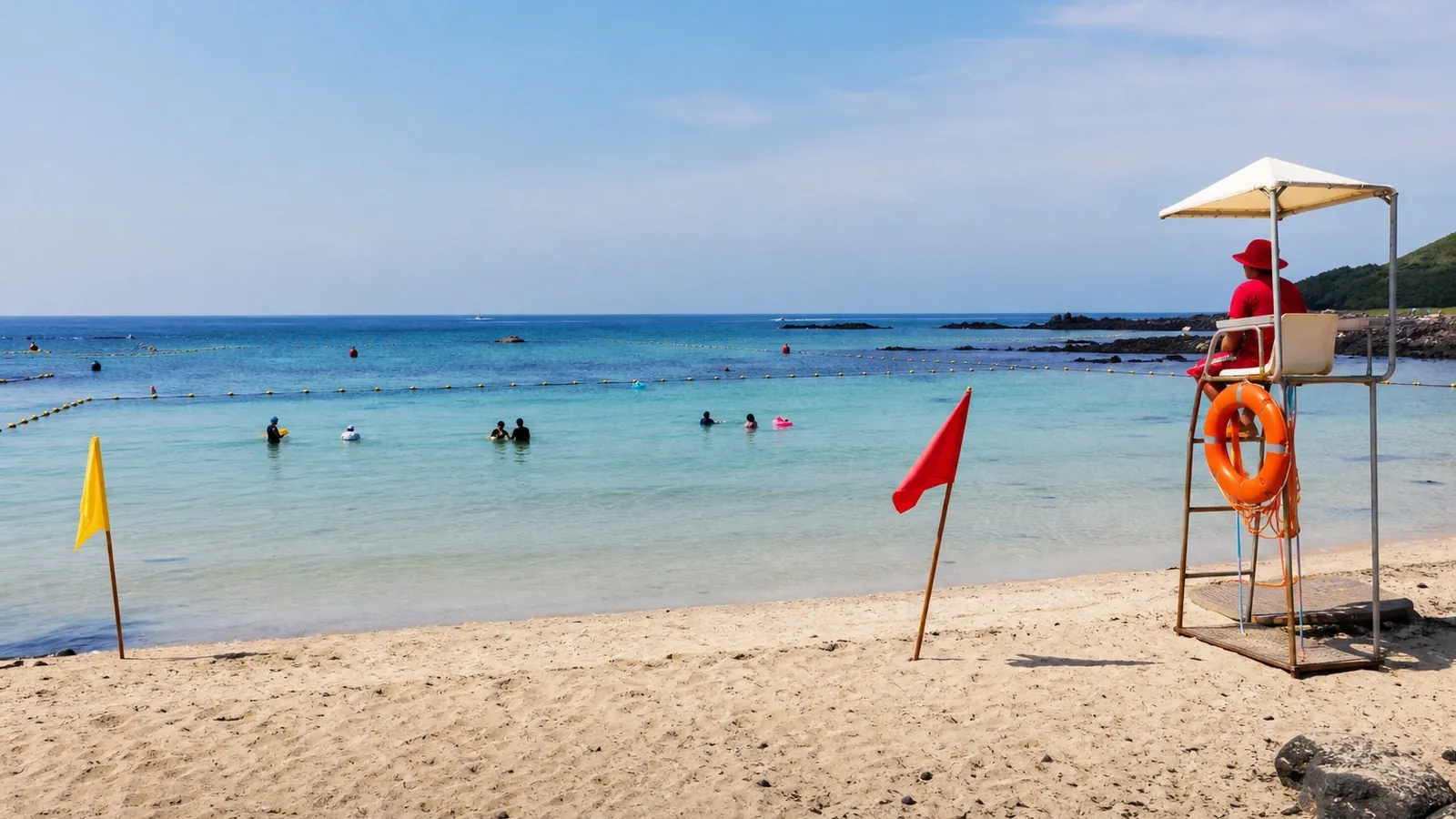
Jeju’s coastline is one of its greatest attractions and also one of its most hazardous environments. The sea may look calm from a café and become rough only a few minutes later. The dark, glossy basalt rocks are especially slippery when wet.
Avoid approaching cliff edges, crossing barriers to take photographs, or entering the water when warnings are in place. In summer, island authorities issue specific alerts about water-related accidents, outdoor activities, and heat-related problems.
When travelling with children, constant supervision is essential around harbours, waterfalls, viewpoints, and rocky platforms. A photogenic coastline is not necessarily a safe place to swim.
The safety situation varies considerably depending on the time of year. During the warmer months, heavy rain, flooding, landslides, and typhoons may occur. These events can lead to flight and ferry cancellations, trail closures, and difficult driving conditions.
When a severe storm is forecast, it is not worth improvising a coastal route to “watch the waves.” The sensible option is to remain in a safe place, follow local instructions, and check the status of transport services before travelling.
Foreign visitors can receive alerts through the government’s Emergency Ready app. Jeju also operates an emergency notification system for foreigners via text message or KakaoTalk.
Yes, Jeju is a good family destination, especially for those looking for nature, open spaces, and relaxed activities. However, some visits require more care than photographs might suggest.
The main risks for families are traffic and busy car parks, cliff edges and wet rocks, summer heat and humidity, routes that are too long for young children, rapid weather changes on Hallasan, and waves and currents in unsupervised areas.
A day with fewer stops and more flexibility is usually safer—and more enjoyable—than trying to cross the entire island while following an endless list of places to visit.
In Jeju and throughout South Korea: 112 for police; 119 for fire, rescue, and medical emergencies; 122 for maritime emergencies; and 1330 for multilingual tourist information and assistance.
Jeju’s official tourism portal also provides local assistance and information on hospitals, pharmacies, and visitor information centres.
Jeju may be more challenging for people who are uncomfortable driving in another country, inexperienced hikers planning to climb Hallasan in winter, and travellers arriving during typhoon season with a completely inflexible itinerary.
It may also disappoint anyone who interprets “safe island” as permission to enter any cove, walk without mobile coverage on isolated trails, or ignore a weather warning.
Jeju is a destination where most visitors can enjoy a genuine sense of peace. There is no need to remain constantly on alert or avoid large parts of the island. Everyday risks are moderate, and with normal precautions, most trips are trouble-free.
However, staying safe in Jeju means understanding the island’s true nature. It is a volcanic island exposed to the wind, surrounded by a changeable sea, and crowned by a mountain with its own weather system. Travellers who respect signs, check the forecast, drive calmly, and do not mistake silence for an absence of danger will find Jeju welcoming and easy to explore.
Discover selected experiences in Jeju to complete this guide with volcanic landscapes, local culture, coastal routes, food and well-organised day trips.
Activity on TourBookGoBook an Eastern Jeju UNESCO tour with Seongsan Ilchulbong, Haenyeo culture, transport, a professional guide and admission on a 10-hour trip.
 Activity on TourBookGo
Explore the Eastern Jeju UNESCO tour: a 10-hour guided day trip with pickup, transport and admission to Seongsan, Seopjikoji, Manjanggul and Hamdeok.
 Activity on TourBookGo
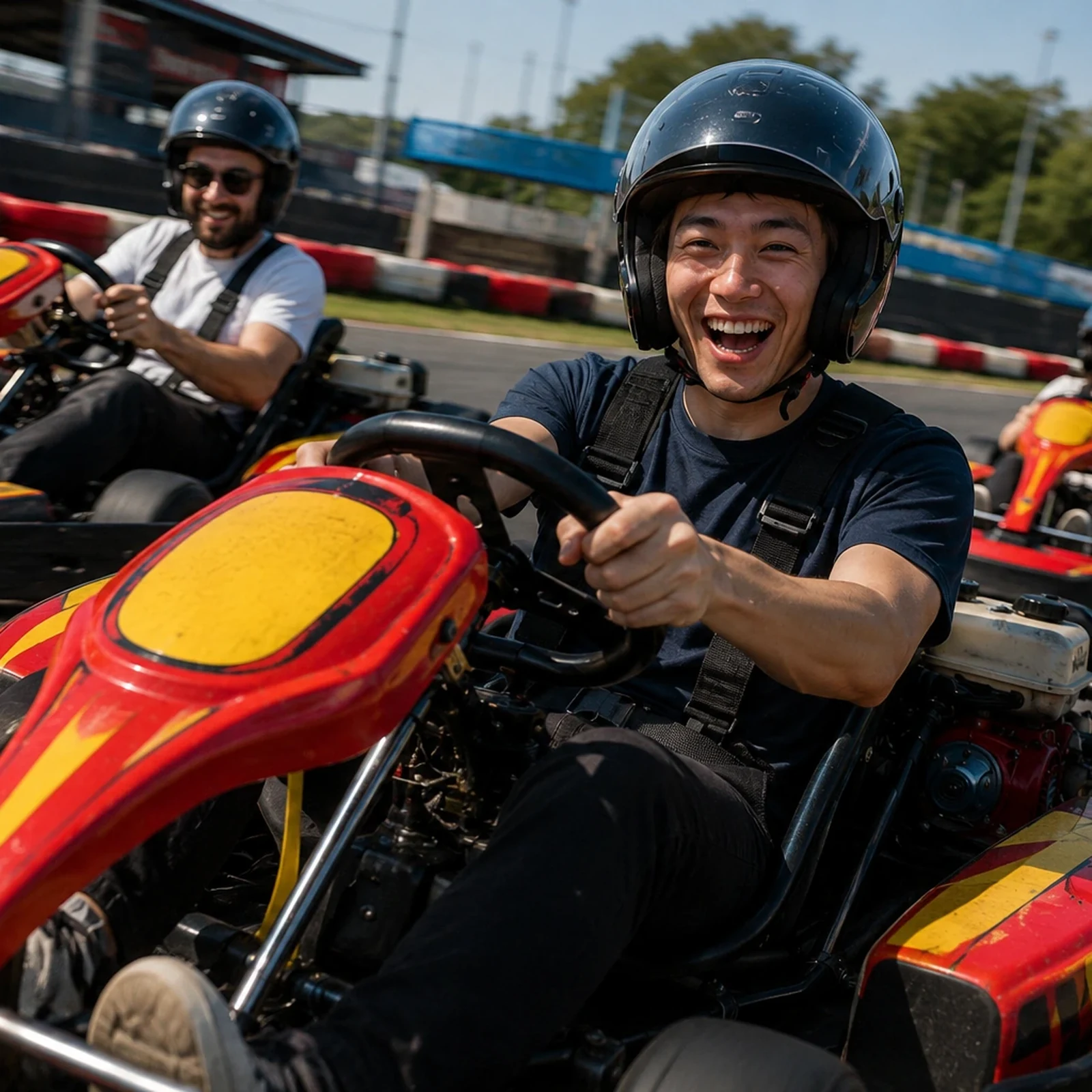
Book a private Jeju tour with archery and go-karts, Dongmun Market, an English-speaking driver-guide, private transport and hotel pickup.