 Activity on TourBookGo
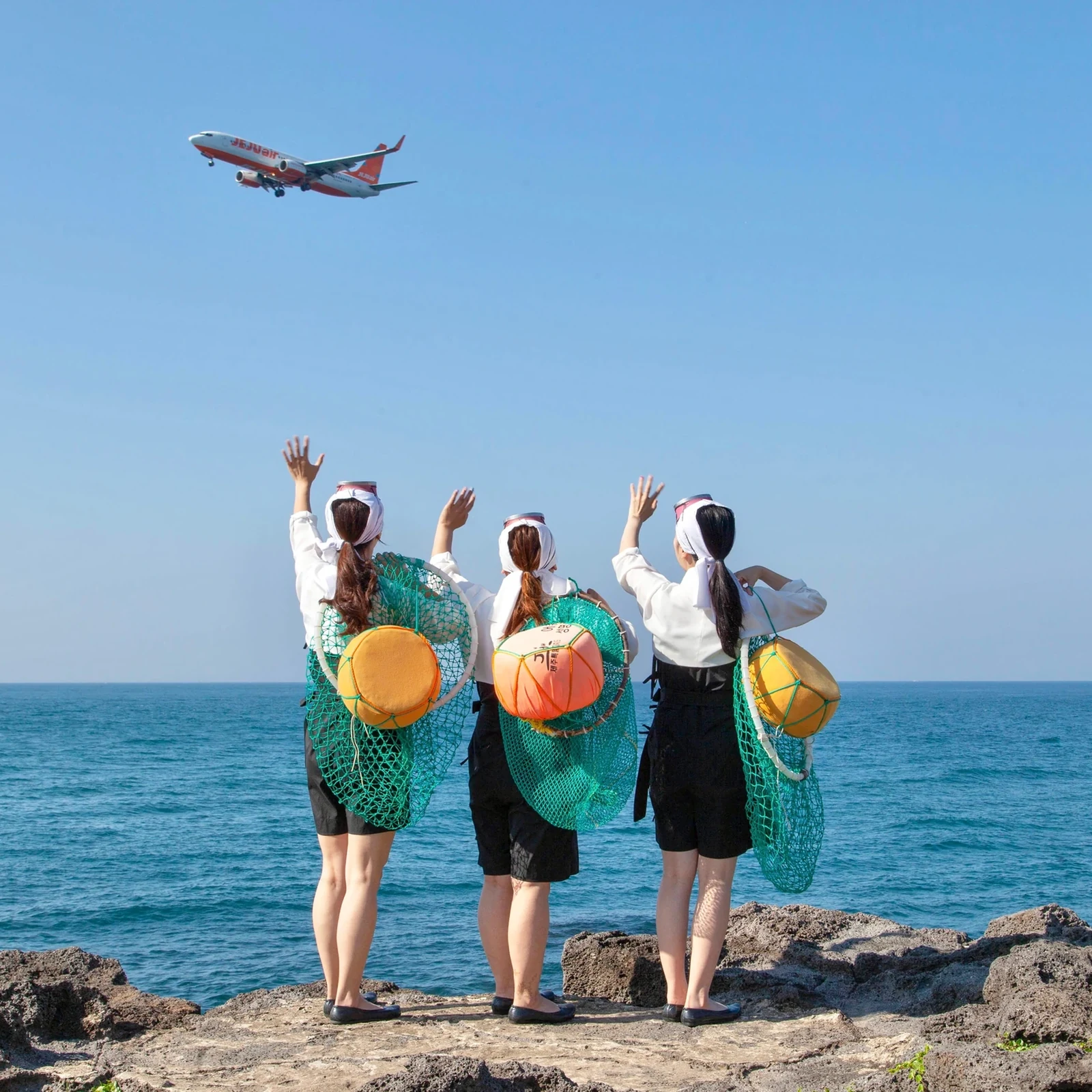
Jeju Haenyeo Cultural Experience with Traditional Clothing and Photos
Book a Jeju haenyeo cultural experience, wear a traditional outfit with authentic accessories and take photos at your own pace near the airport.
Yes, Jeju is worth visiting, especially for travellers who want to discover a side of Korea beyond skyscrapers, palaces and Seoul’s relentless pace. On this southern island, black lava, tangerine orchards, coastal trails and grass-covered volcanic cones shape the scenery.
When deciding whether Jeju is worth visiting, remember that it is not a flawless tropical getaway. Distances are greater than they appear, the weather can change suddenly, and some famous places are heavily geared towards tourism. Its real beauty emerges when you give it several days and let go of the urge to cover the entire island in one trip.
Compare locations and options to find a base that suits your trip. Booking.com confirms current availability and pricing.
Find accommodation on BookingJeju’s geography is unlike anywhere else in South Korea. Hallasan, the country’s highest mountain, rises at its centre, while hundreds of small volcanic cones known as oreum are scattered around it. Along the coast, dark cliffs meet a sea that shifts from deep blue to green depending on the light.
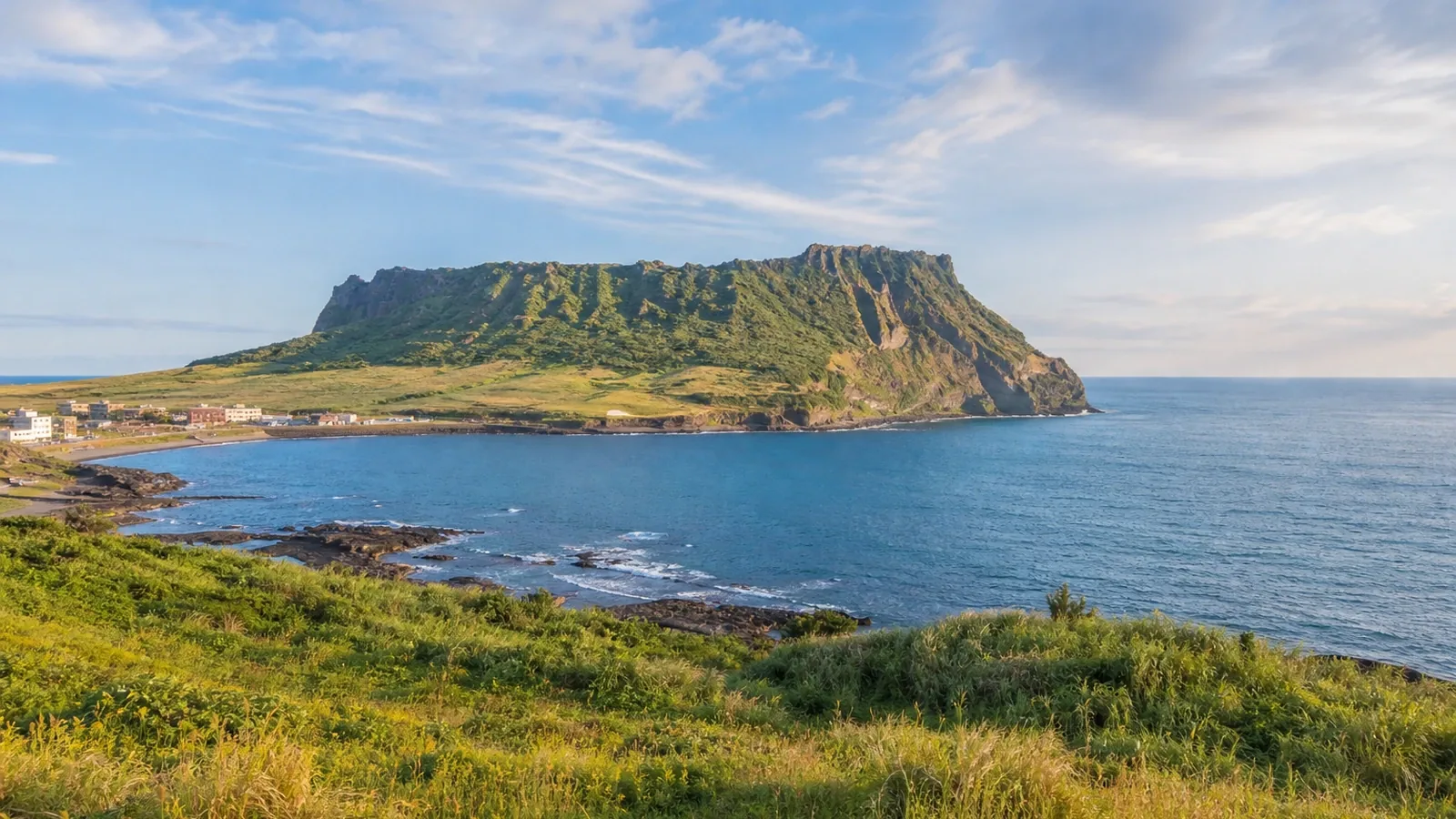
Part of this landscape is listed by UNESCO as the Jeju Volcanic Island and Lava Tubes. The site includes Hallasan, the Geomunoreum lava tube system and Seongsan Ilchulbong, the vast crater opening towards the sea that has become one of the island’s most recognisable sights.
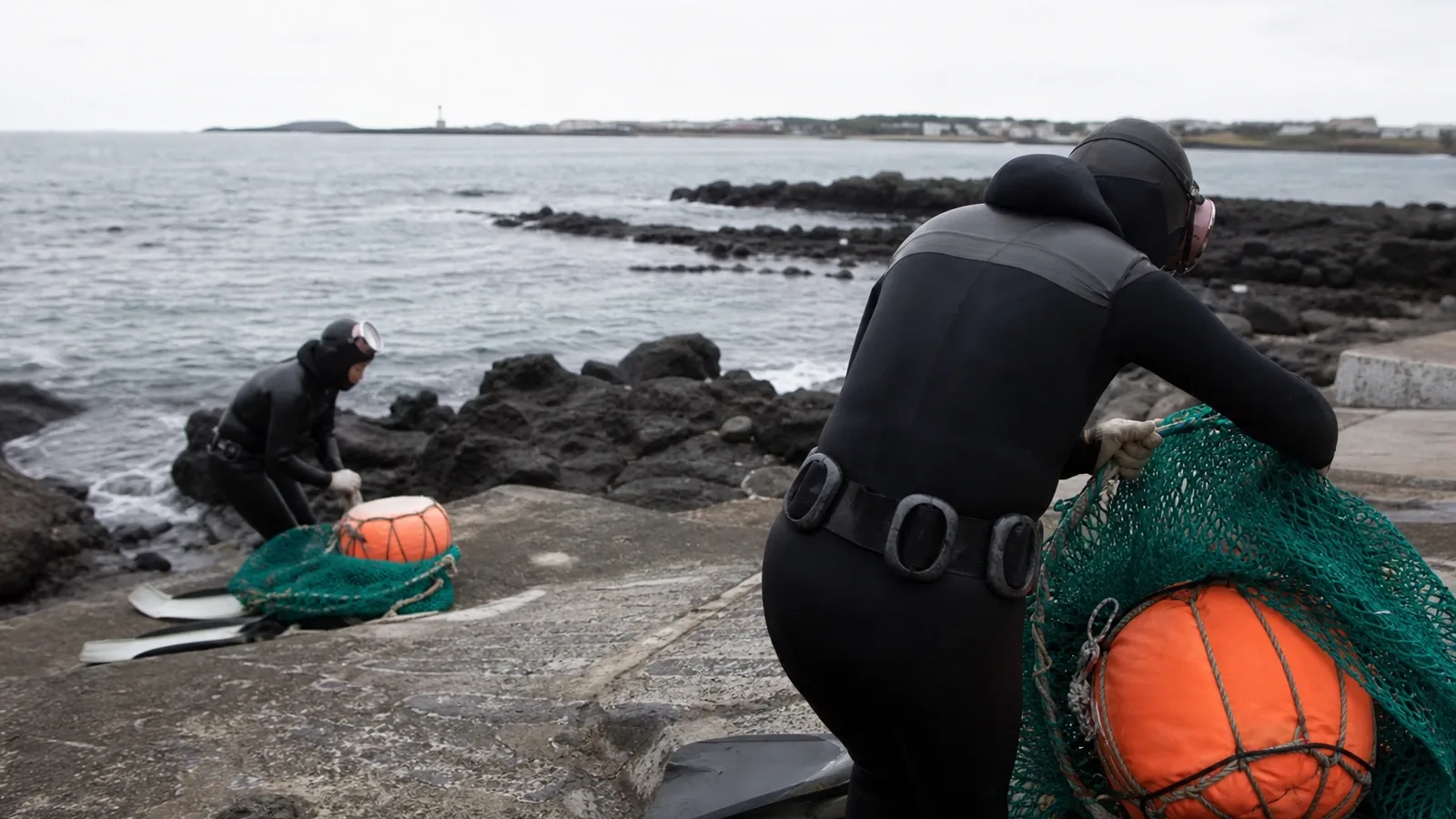
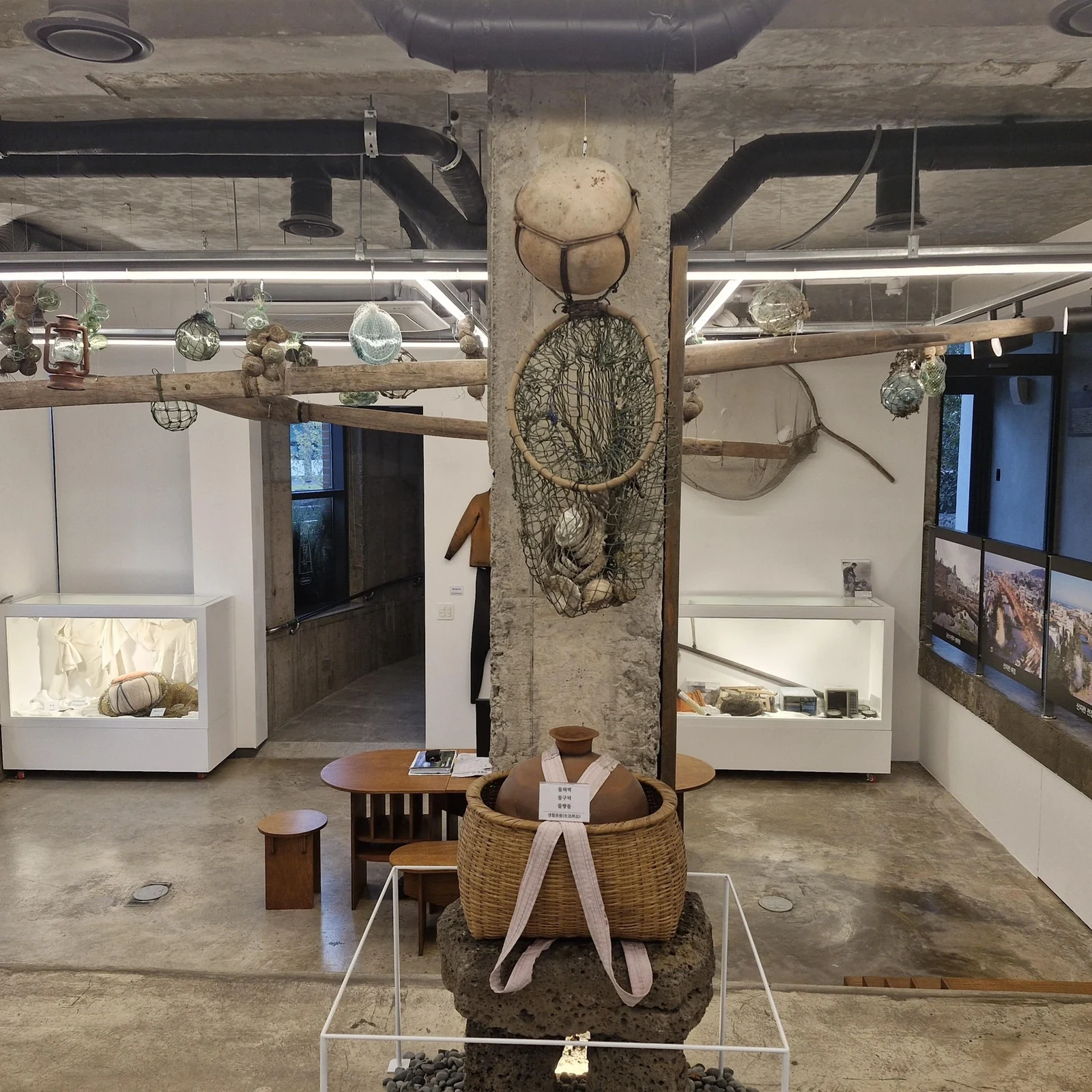
However, Jeju’s appeal is not limited to its natural landmarks. It can also be found in the volcanic stone walls dividing the fields, the small harbours where fish is left to dry, the cafés facing the ocean and the stories of the haenyeo, the traditional female divers who have harvested seafood by holding their breath for generations.
It is an island that combines nature, rural culture and a slower version of Korean life, although it is not always as quiet as the photographs suggest.
Jeju is particularly appealing to those who prefer to explore a destination on foot. In addition to the Hallasan routes, the island has the extensive Jeju Olle trail network, connecting coastlines, villages, forests and old country paths. Completing the entire network would take far longer than a conventional holiday allows, but choosing just a few sections is enough to discover a more intimate side of Jeju.
You do not need to be an experienced mountaineer. There are easy walks around several oreum, seaside paths and short routes with expansive views. Those wishing to reach the summit of Hallasan should prepare for a demanding full-day hike and check in advance whether reservations are required for their chosen trail.
Jeju works well as a couples’ destination, particularly outside summer and the main Korean holiday periods. There are small places to stay, coastal roads, gardens, beaches and restaurants where the trip can unfold without an elaborate plan.
Romantic expectations should be kept in check: some viewpoints are surrounded by car parks, shops and organised tour groups. Peace and quiet are often found a few kilometres away from the most photographed spots rather than at the sites themselves.
The island offers remarkable visual variety: yellow canola fields in spring, hydrangeas, damp forests, pale sandy beaches, basalt formations and expanses of silver grass in autumn. Mist may hide Hallasan for hours, but it can also give the island’s interior an almost otherworldly atmosphere.
Jeju can be a good choice for families with a car who do not try to pack every day with sightseeing. The beaches, accessible walks and numerous indoor attractions make it possible to adapt the trip to different ages.
It may be less convenient with young children when the itinerary relies on buses, long walks or frequent changes of accommodation.
Jeju may disappoint anyone expecting a tropical island with warm waters all year round. It has four distinct seasons, high humidity, frequent rain and strong winds along the coast. Summers are hot and wet, while spring and autumn generally offer more pleasant conditions for walking.
It is also not the best choice for a one-day trip from mainland Korea. Even if the flight is short, transfers, baggage collection and the distances within the island significantly reduce the amount of useful time available.
Travellers looking for intense nightlife, monumental historic districts or a major urban cultural scene will probably find more stimulation in Seoul or Busan. Jeju offers something different: horizons, trails, nature and pauses.
The cost of visiting Jeju can vary considerably. It is not necessarily prohibitively expensive, but neither should it be imagined as a very cheap rural escape.
Transport is one of the biggest factors. Hiring a car makes it easier to use your time efficiently, although it also adds fuel, parking and possible surcharges. Buses connect many towns and attractions; for example, routes operate from the airport to the eastern coast, but journeys can take up a substantial part of the day.
Dining options range from markets and simple Korean restaurants to panoramic cafés, black pork restaurants and establishments specialising in seafood. In tourist areas, eating with a sea view usually costs more than dining in a residential neighbourhood.
Accommodation prices also vary greatly according to the season and location. Staying in Jeju City generally makes arrival easier and can provide cheaper options, while Seogwipo and the coastal areas offer more of a holiday atmosphere.
Budget travel: buses, simple guesthouses, markets and few paid attractions.
Mid-range travel: a shared hire car, a comfortable hotel and local restaurants.
A more exclusive trip: seafront accommodation, taxis, private experiences and high-end dining.
Two days allow you to choose one specific area, but you will have to give up seeing much of the island. The sensible option is to focus on the east, the south or Hallasan rather than attempting to drive around the entire coast.
This is enough time to combine a volcanic landscape, a coastal walk, Seogwipo or Jeju City and some unplanned downtime. It will still be a selective trip, but it already allows you to understand the island’s character more clearly.
Five days give you enough time to explore two or three regions without turning every day into a race. They also make it easier to rearrange your itinerary when rain or mist disrupts your plans.
A week is worthwhile for travellers who want to walk, visit small villages, spend time by the sea or divide their stay between different areas. Jeju improves when it stops being a collection of attractions and becomes an everyday landscape.
The first potential disappointment is the crowds at certain locations. Seongsan Ilchulbong, some beaches and the best-known cafés can be extremely busy, particularly during high season and at weekends.
The second is the distances. On the map, Jeju appears manageable; in practice, crossing it several times during the same trip becomes tiring.
There is also a very visible commercial side: themed museums, photo parks, souvenir shops and cafés designed for social media. Some have charm; others may feel artificial beside the genuine power of the landscape.
Finally, the weather does not always cooperate. Hallasan may disappear behind the clouds, wind can ruin an afternoon at the beach, and rain can turn certain trails into an uncomfortable experience.
For walking and exploring Jeju Island, spring and autumn generally offer the best balance of pleasant temperatures and attractive scenery. Spring brings flowers and brighter colours, while autumn covers many oreum in silver grass.
Summer appeals to those who prioritise the sea, but it also brings heat, humidity, monsoon rains and possible weather disruptions.
Winter reveals a quieter Jeju and may bring snow to Hallasan, although the days are colder, windier and less suitable for a beach-focused experience.
Jeju is worth visiting when you see it for what it is: a volcanic island with a rural character, changeable weather and rugged beauty, not a beach extension of Seoul or a tropical resort.
It is especially recommended for hikers, couples, photographers, nature lovers and travellers who have already visited Korea’s major cities. It is less suitable for those with very little time, those unwilling to drive or anyone expecting constant urban entertainment.
The best of Jeju is not always found at its most famous viewpoint. Sometimes it lies along a road bordered by black stone, on an empty trail after the rain or in the smell of the sea at dusk. The island does not respond well to haste. Travel through it slowly, and its landscape begins to tell a story far deeper than that of a simple holiday escape.
Discover selected experiences in Jeju to complete this guide with volcanic landscapes, local culture, coastal routes, food and well-organised day trips.
Activity on TourBookGoBook a Jeju haenyeo cultural experience, wear a traditional outfit with authentic accessories and take photos at your own pace near the airport.
 Activity on TourBookGo
Book a Jeju 4.3 Incident history tour with a guide, minivan transport and a small group. Visit memorials, Seoubong caves, Hamdeok and Dongmun.
 Activity on TourBookGo
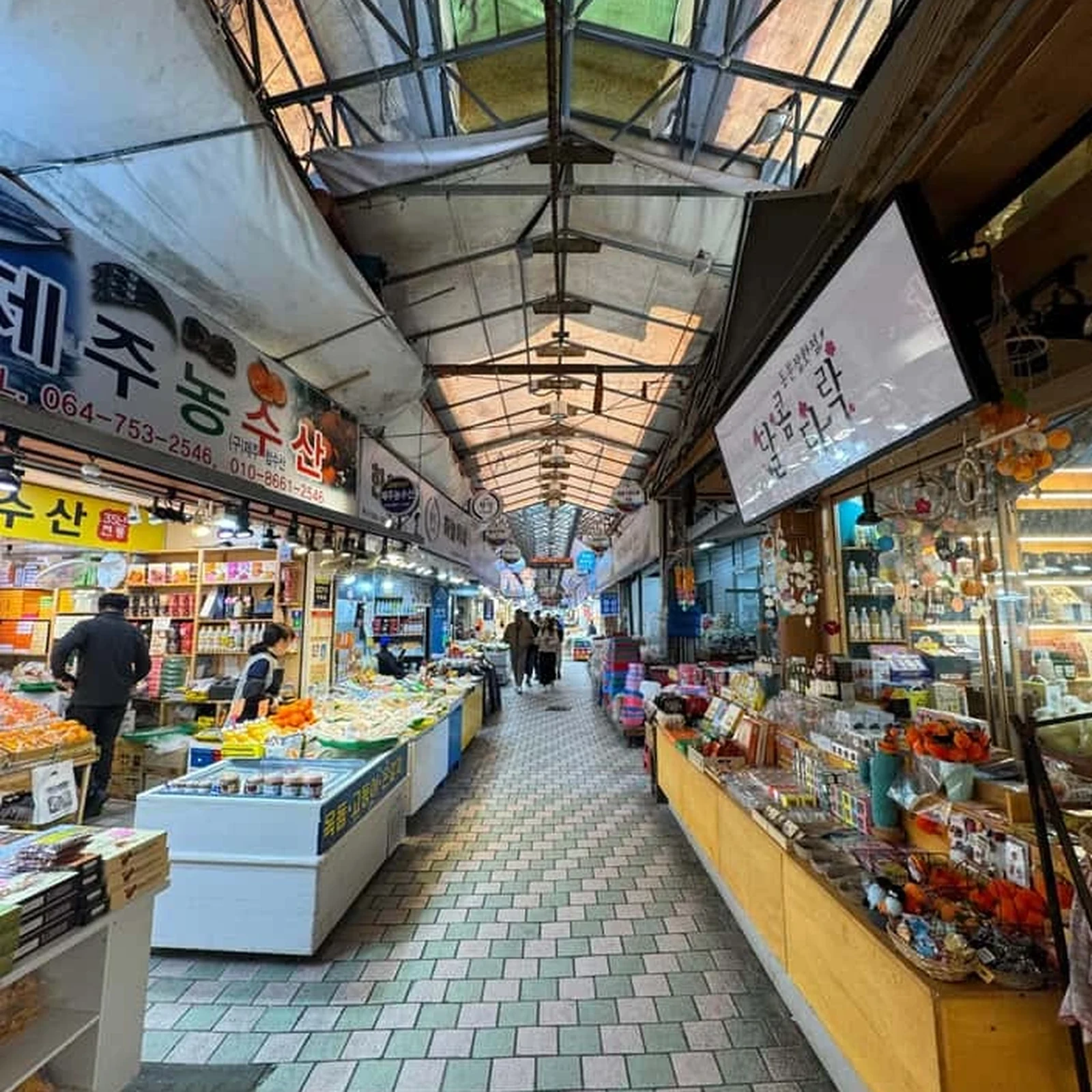
Book a three-hour Jeju City walking tour with a certified guide, admission to Gwandeokjeong and a visit to Dongmun Traditional Market.