 Activity on TourBookGo
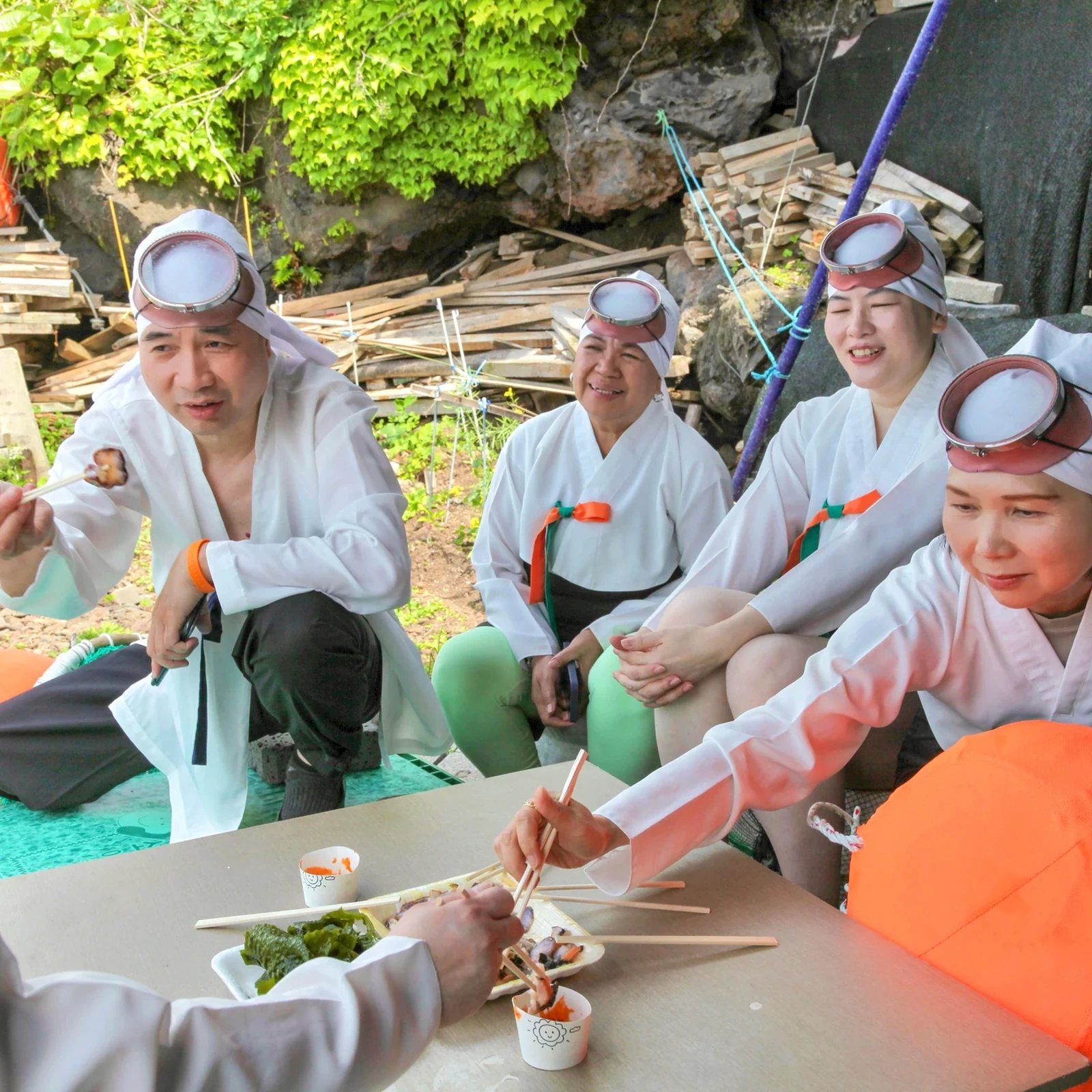
Enjoy a private Jeju haenyeo experience
Book a Jeju haenyeo experience with a private encounter, traditional diving gear, professional photos and a seasonal seafood tasting.
Discover where to eat in Jeju among black pork grills, sea-scented broths, and markets filled with fresh fish, citrus fruit, and island specialties.
Knowing where to eat in Jeju opens the door to a cuisine shaped by the sea, the weather, and the island’s volcanic landscape. Pork sizzles over glowing coals; broths carry the scent of seaweed, bracken, and the ocean; markets display silver-skinned fish beneath almost theatrical lighting. Yet eating well requires a little discernment: alongside authentic Jeju local food, photo-ready restaurants, cafés where you pay for the view, and street-food stalls that look better than they taste have all sprung up. The best strategy is not to chase an endless list of famous restaurants, but to choose the right dish in the right area.
Compare locations and options to find a base that suits your trip. Booking.com confirms current availability and pricing.
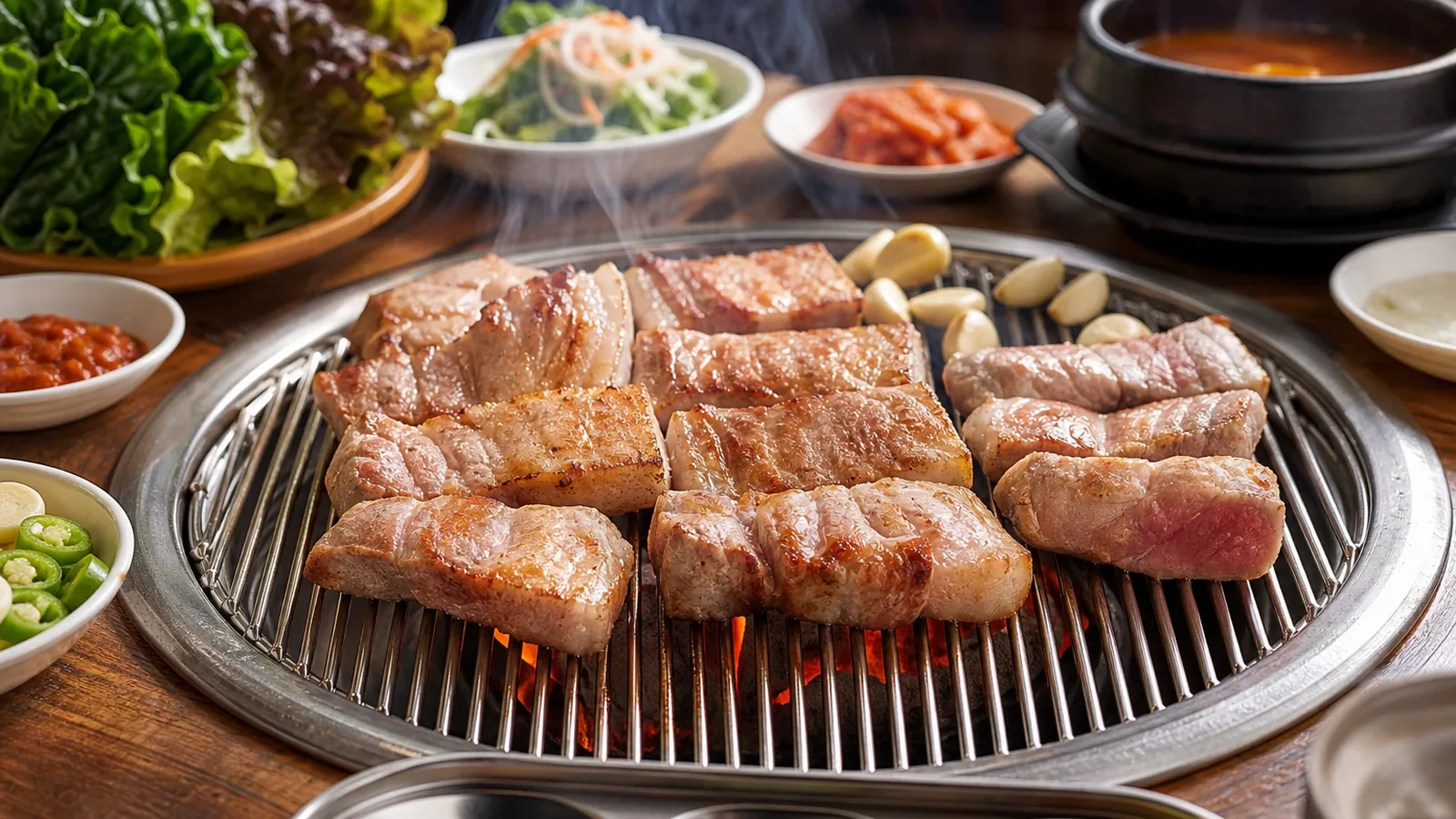
Find accommodation on BookingHeukdwaeji, or Jeju black pork, is the island’s best-known specialty. It is usually served in thick cuts, grilled at the table, and accompanied by garlic, kimchi, leafy greens, and meljeot, a salty sauce made from fermented fish. The meat can be juicy, rich, and lightly smoky, especially when the staff manage the grill well.
Not every restaurant justifies the price. Some trade heavily on the “black pork” label without paying much attention to the cut or the cooking. Check whether the restaurant clearly states where the meat comes from, compare portion weights, and avoid agreeing to large set menus before understanding exactly what they include.
For a wide choice, Black Pork Street in the old part of Jeju City is home to numerous specialist restaurants. It is convenient and lively, but also touristy: having plenty of competition does not mean every restaurant offers the same quality.
Gogi-guksu is a bowl of noodles served in pork broth with slices of boiled meat. It is less dramatic than a barbecue feast, but often tells Jeju’s domestic story more clearly: a warm, hearty, straightforward dish.
Dombe-gogi consists of boiled pork sliced and served on a wooden board, usually with seasonings and vegetables. Both dishes belong to the island’s traditional repertoire and are good choices for an informal meal.
Jeju City, particularly the areas near the airport and the city center, has many noodle restaurants. The best-known places can attract long lines; a simple restaurant with a steady turnover of customers often provides an equally satisfying experience.
Galchi, known in English as cutlassfish or hairtail, is served grilled or braised in a red, spicy sauce. Its flesh is white and delicate, although it contains many fine bones. Galchi-jorim, slowly braised with vegetables, has a stronger flavor and is well suited to sharing; grilled fish makes it easier to appreciate the texture.
Before ordering, ask whether the price is for a single serving, a whole fish, or a set menu for several people. In coastal restaurants, large fish platters can quickly turn what seemed like a simple meal into an expensive one.
Jeonbokjuk, or abalone rice porridge, has a creamy texture and a mild ocean flavor. It is a good choice for breakfast, on a cold day, or whenever you want something less spicy. Abalone is also traditionally grilled, cooked in a hot pot, or mixed with rice.
Bomal-kalguksu combines knife-cut noodles with small sea snails. The result is usually a thick, salty, earthy broth—less immediately accessible than seafood ramen, but far more closely connected to the island’s cuisine.
Momguk, a pork and seaweed soup, and gosari-yukgaejang, a thick stew made with bracken, are also worth seeking out. They are deeply comforting dishes, especially when wind and rain erase the postcard-blue skies.
During the warmer months, mulhoe appears on menus: a cold, spicy, slightly tangy dish made with raw fish or seafood. It is refreshing, but the combination of ice, vinegar, chili, and briny flavors may surprise anyone expecting delicate sashimi.
For raw fish, prioritize restaurants with a high turnover of customers and do not choose solely on the basis of the view. In Jeju, an unassuming place beside a harbor may hide a more serious kitchen than a large panoramic dining room.
Dongmun Market lets you sample snacks, citrus fruit, fish, pork, and local sweets in a single visit. The food stalls become busier after dark. It is a good introduction to the island’s flavors, though not necessarily the place to find its most refined dishes.
Arrive moderately hungry and buy small portions. The longest lines often form in front of flashy dishes that are torched, flambéed, or covered in sauce; popularity and quality are not always the same thing.
In the south, Maeil Olle Market brings together mandarins, fish, black pork, snacks, and takeaway products. Its location makes it easy to combine with central Seogwipo, the harbor, and nearby walking routes.
It is practical for an informal dinner, although you should inspect the food, ask for a receipt, and check the dates on packaged products. The market has become increasingly visitor-oriented, so some stalls prioritize spectacle and speed.
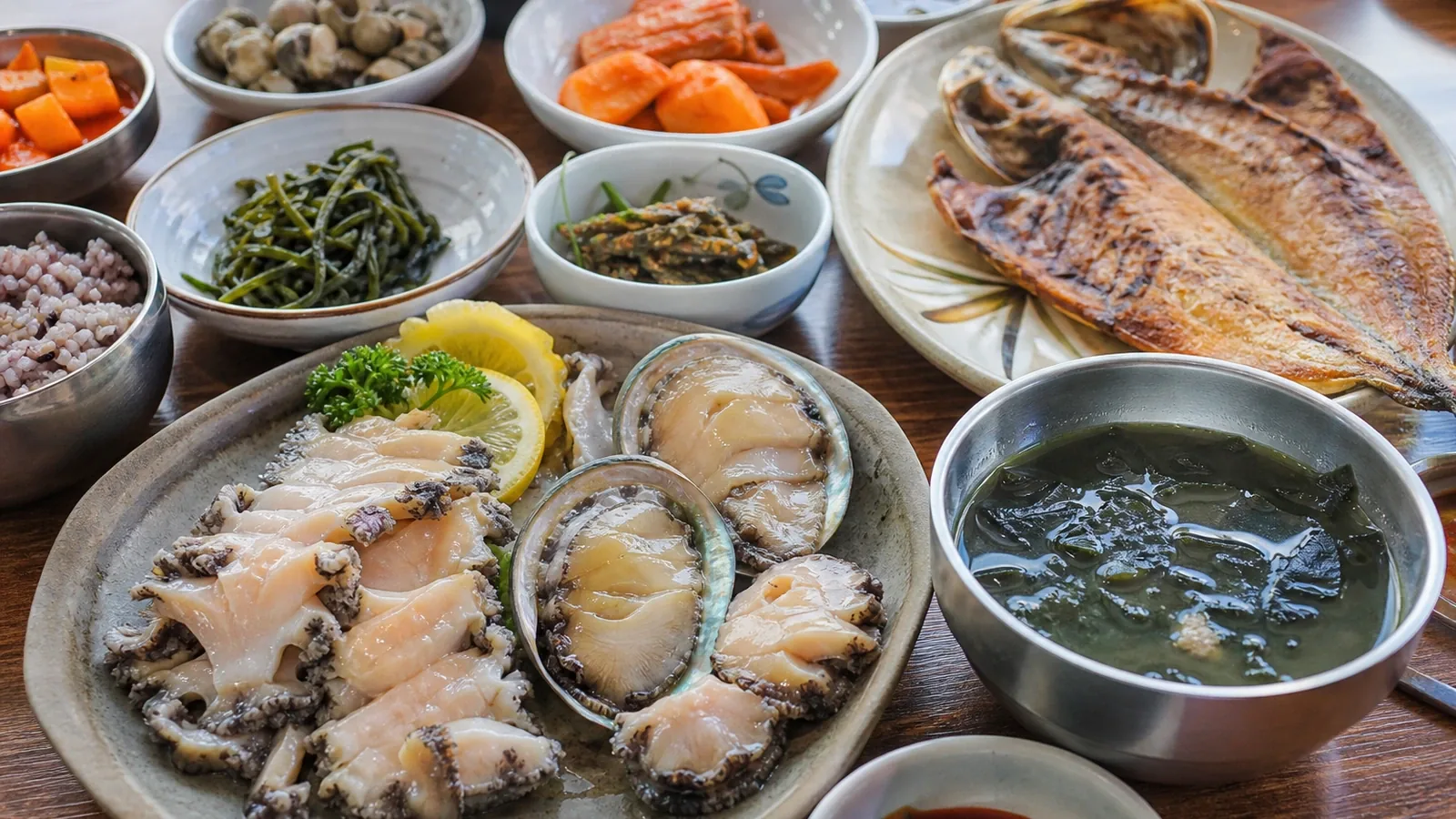
The haenyeo, Jeju’s traditional women divers, have shaped the island’s maritime culture. In some coastal communities, restaurants connected to these groups serve abalone, sea snails, octopus, sea urchin, porridge, and seafood soups. Availability may vary according to the season and sea conditions.
These places do not always offer service designed for international visitors, and parts of the menu may be available only in Korean. That simplicity is part of the experience, but it is wise to confirm prices before ordering a seafood selection.
The west coast combines fish restaurants with a thriving culture of seaside cafés. It is a pleasant area for a leisurely meal, especially in the late afternoon, but also one of the easiest places to end up paying mainly for the location.
A drink can cost as much as a simple lunch. Choose a panoramic café for the atmosphere, not because it necessarily represents the best of Jeju’s food.
Udo is known for its peanut products, especially ice cream and drinks, as well as its small seafood restaurants. Udo peanut ice cream is enjoyable after exploring the island, although its popularity has led to highly uneven versions.
Eastern Jeju also has many restaurants specializing in abalone, fish, and seafood soups. It is worth eating early here: some small businesses keep irregular hours or close once they sell out.
The best budget options are usually noodle shops, small family-run restaurants, markets, and places specializing in a single dish.
A bowl of gogi-guksu, bracken soup, or abalone porridge can offer more local character than a tourist set menu made up of numerous dishes. At markets, sharing several snacks allows you to try different flavors without turning the visit into an excessively heavy meal.
Convenience stores are also useful for early breakfasts and late dinners, but they should not completely replace local cooking. Jeju deserves at least one pork meal, one seafood meal, and a third devoted to its soups or noodles.
Omegi-tteok is a chewy rice cake usually coated in red beans. It is sold fresh and in boxes, although it is worth asking how it should be stored.
Jeju citrus fruit appears in juices, chocolates, cakes, and jams. Not every “mandarin” product contains a significant amount of fruit, so check the ingredients if you want more than an attractive souvenir. Other common desserts include peanut ice cream, carrot cake, and green tea treats.
Do not plan your entire itinerary around viral restaurants. Distances in Jeju are greater than they appear, and crossing the island for a single dish is rarely worthwhile.
Do not assume that every barbecue restaurant accepts solo diners either: some require a minimum meat order. Solo travelers will find it easier to eat at noodle shops, markets, soup restaurants, and places offering individual set meals.
Vegetarian, vegan, and halal diners will find options, but they need to ask precise questions: a dish with no visible meat may still contain pork broth, fermented fish, or seafood. Choices do exist, although they become more limited outside the main urban areas.
Finally, check opening hours and break times on the day itself. Small businesses may close between services, take a weekday off, or finish early when ingredients run out.
Yes, provided you are looking for island cooking rather than a succession of fashionable restaurants. Jeju is at its most convincing when the food is eaten close to the landscape that shaped it: a hot soup after walking in the rain, abalone beside a harbor, pork noodles before a flight, or shared fish while the wind rattles the windows.
Anyone expecting fine dining on every corner may be disappointed. Those willing to embrace briny flavors, unfamiliar textures, simple dining rooms, and a degree of improvisation will discover a cuisine with a character of its own: austere in its roots, generous at the table, and deeply connected to the sea.
Discover selected experiences in Jeju to complete this guide with volcanic landscapes, local culture, coastal routes, food and well-organised day trips.
Activity on TourBookGoBook a Jeju haenyeo experience with a private encounter, traditional diving gear, professional photos and a seasonal seafood tasting.
 Activity on TourBookGo
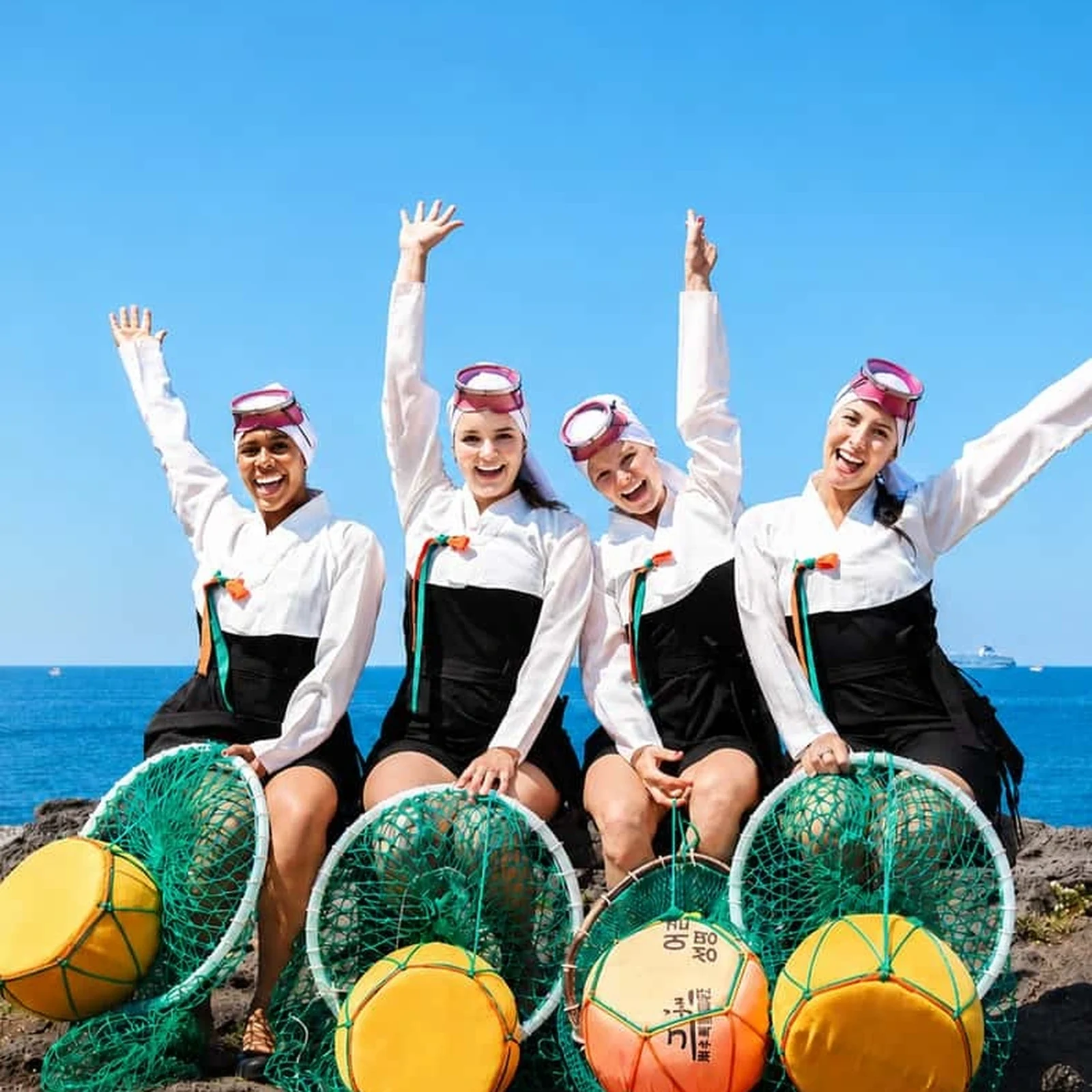
Discover a Haenyeo photoshoot in Jeju with traditional clothing, a professional photographer, up to 70 originals and 10 edited images. Check availability.
 Activity on TourBookGo
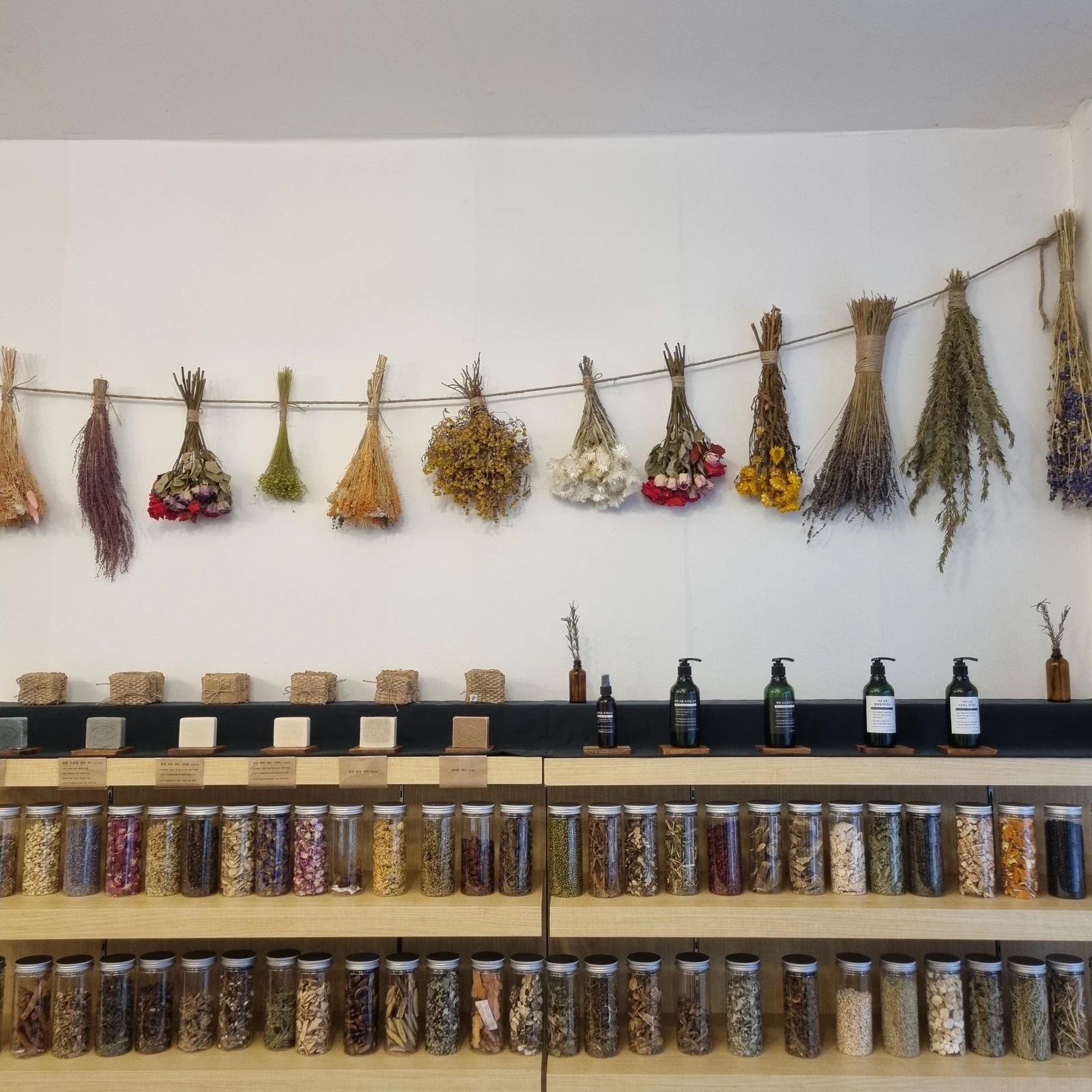
Book a handmade soap workshop in Jeju and create three personalised bars near the airport. Materials included and free cancellation available.