 Activity on TourBookGo
East Jeju Tour: Beaches, Volcanoes and Hydrangeas in One Day
Book an East Jeju tour with hotel pickup and explore Hamdeok Beach, Seongsan Ilchulbong, traditional villages, a lava cave and seasonal hydrangeas.
This Jeju itinerary divides the island into logical routes, helping you explore volcanoes, waterfalls, beaches and coastal villages without spending the whole trip on the road.
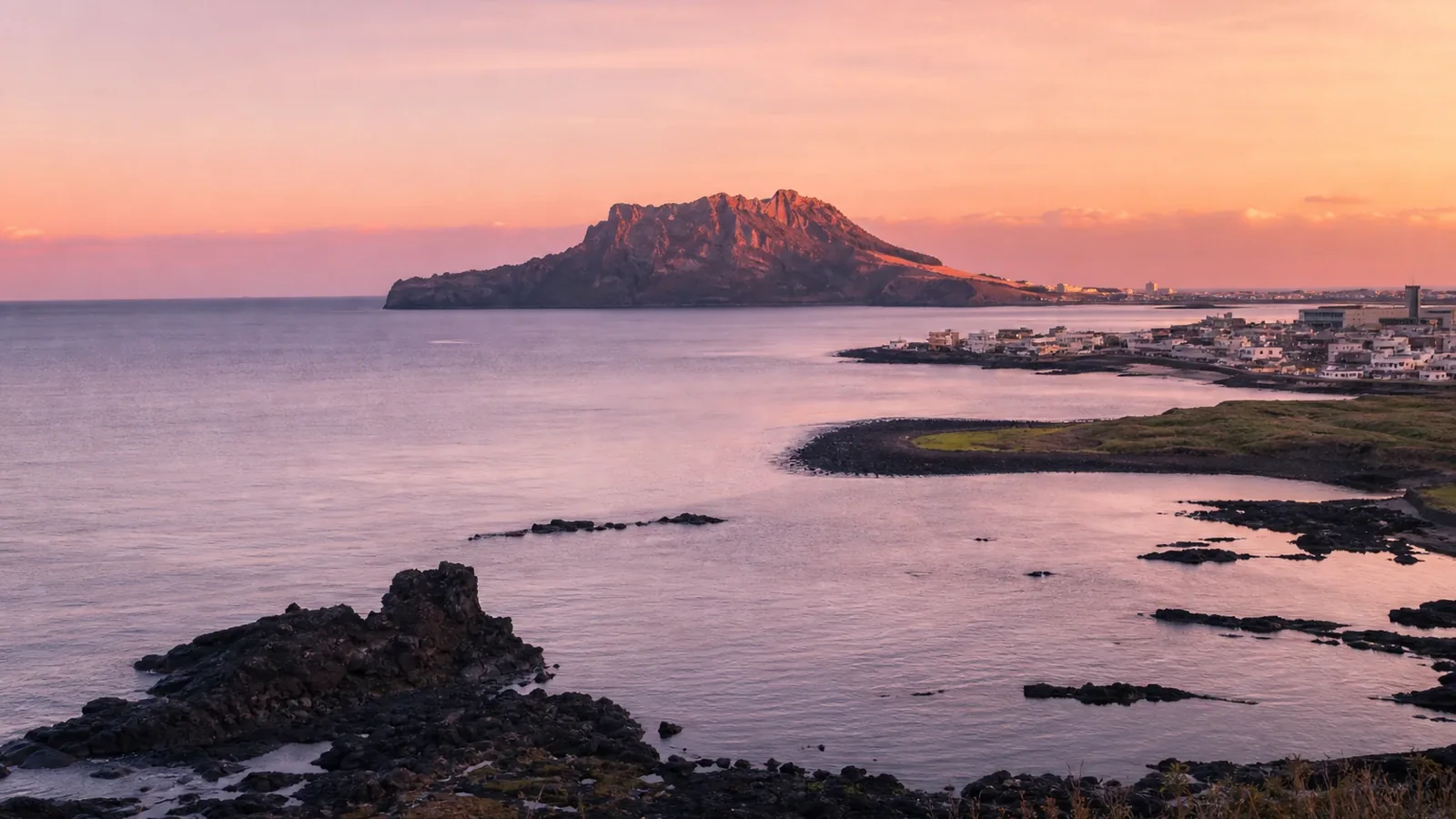
A successful Jeju itinerary begins with accepting that the island is larger and slower to explore than it appears on the map. Roads circle Hallasan volcano, public transport can be slow, and many places that seem close together require long detours. A common mistake is trying to see everything: sunrise in the east, waterfalls in the south, beaches in the west and mountains in the centre, all before dinner. The result is usually more time on the road than enjoying the scenery. The most practical way to plan a Jeju Island itinerary is to divide the island into four areas: the volcanic east, the southern coast of waterfalls and cliffs, the western shoreline and the mountainous centre. Hallasan, Seongsan Ilchulbong and the island’s volcanic system account for much of its geological appeal, but Jeju is also best understood through its small harbours, basalt walls, cultivated fields and coastal trails.
Compare locations and options to find a base that suits your trip. Booking.com confirms current availability and pricing.
Find accommodation on BookingWith only one day, it is best to abandon the idea of driving around the entire island. The east offers the most balanced combination of scenery, geology and coastline.
Morning: Seongsan Ilchulbong
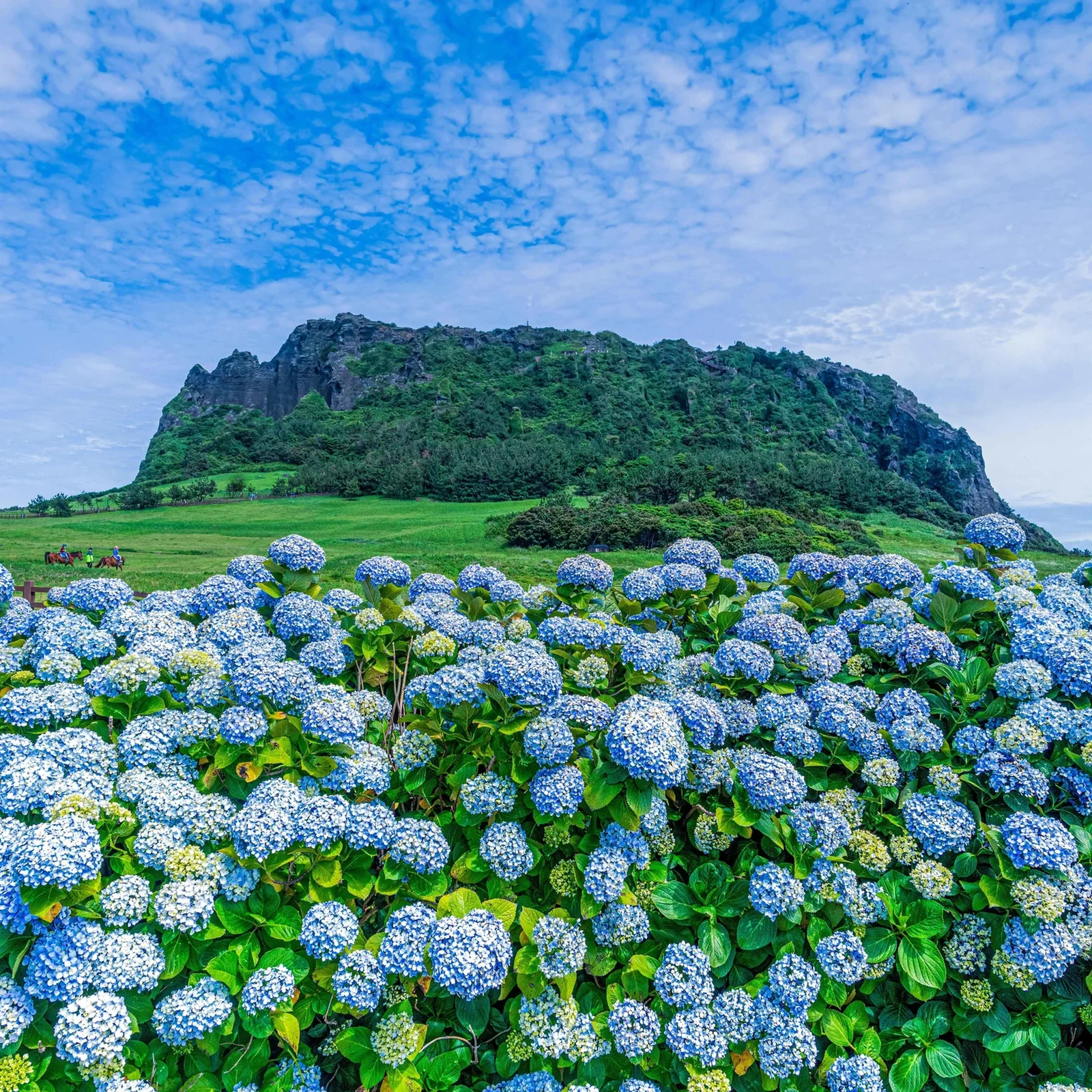
Start early at Seongsan Ilchulbong, the volcanic cone rising above the ocean like a green fortress. Sunrise can be unforgettable, although it also means getting up early, braving the wind and accepting that clouds may hide the sun. Even without the perfect photograph, the climb is worthwhile for the views over the eastern coast.
Then follow the coastline towards Seopjikoji. Its grasslands, dark rocks and open sea reveal a side of Jeju that feels more rugged than tropical. On public holidays it can become crowded and lose some of its tranquillity.
Afternoon: Forest or Lava
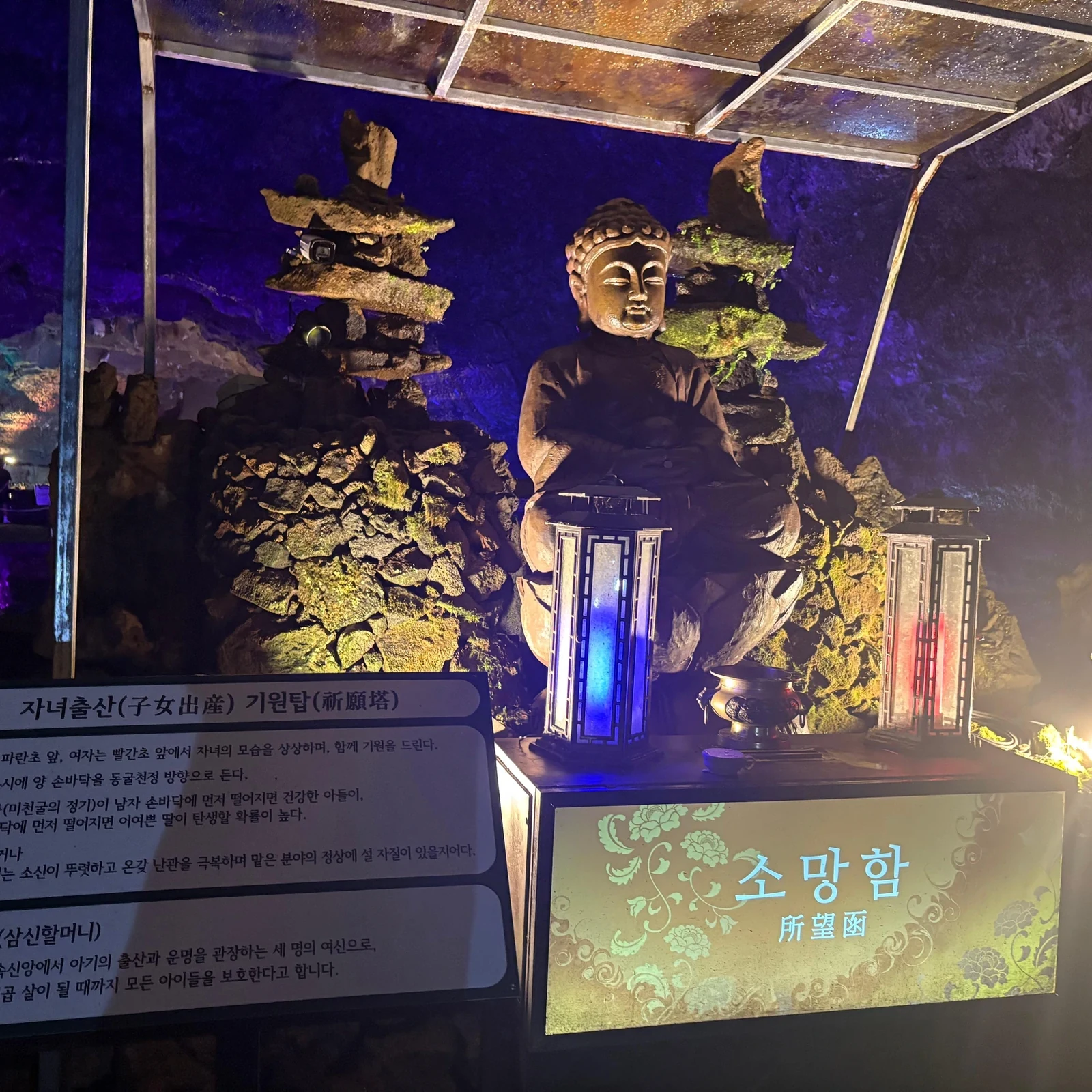
Choose just one inland attraction: Bijarim, for a shaded walk among the trees, or Manjanggul, to explore Jeju’s underground volcanic landscape, provided it is open and you have checked access conditions in advance. The section open to visitors reveals formations created by ancient lava flows.
Finish by the sea at Woljeongri or in a lesser-known coastal village. Woljeongri has pleasant cafés and a bright, attractive beach, but it is also highly commercial. Travellers looking for peace should walk a few streets away from the main waterfront.
Logical route: Seongsan → Seopjikoji → Bijarim or Manjanggul → north-eastern coast → Jeju City.
Two days allow you to experience the island’s two most recognisable sides without turning the trip into a race.
Day 1: East Coast
Follow the route through Seongsan, Seopjikoji and the volcanic interior. If the weather is settled, you can replace the forest or cave with Udo, but do not try to combine the island, Seongsan and several additional stops.
Ferries to Udo depend on the wind and sea conditions, and delays or cancellations can disrupt the entire day. Access for rental cars is also usually restricted, so visitors generally get around by bus, bicycle or authorised vehicles.
Stay overnight in Seongsan if you want to see the sunrise without driving before dawn, or continue to Seogwipo to avoid changing accommodation again.
Day 2: Seogwipo and the South Coast
Spend the morning at one waterfall—Jeongbang, beside the sea, or Cheonjiyeon, which offers a more leisurely visit—then explore the area around Seogwipo. Seogwipo Maeil Olle Market is a convenient place to sample local specialities, although at peak times it can feel more tourist-oriented than genuinely local.
In the afternoon, continue to the Jusangjeolli cliffs, where the rock columns look as though they were carved by hand. The scenery is dramatic, but visitors view it from designated platforms: this is neither a wild hike nor a solitary experience.
Logical route: eastern Jeju → Seogwipo → waterfalls → Jungmun coast.
Three days is the reasonable minimum for combining coast, mountains and villages without spending the entire trip inside a car.
Day 1: Eastern Jeju
Seongsan Ilchulbong, Seopjikoji and a stop at either Bijarim or Manjanggul. Avoid adding Udo unless you are prepared to devote almost the entire day to it.
Day 2: Hallasan and Seogwipo
Well-prepared hikers can attempt to reach the upper slopes of Hallasan. The Seongpanak and Gwaneumsa trails require reservations and may be subject to checks or partial closures for safety, weather or conservation reasons. Always check their status before setting out.
The ascent is not a short excursion. It requires an early start, suitable footwear, water, food and a reasonable level of fitness. Fog, wind or rain can erase the views and make the effort feel less rewarding than expected.
For a less demanding experience, choose Yeongsil or Eorimok, which offer a taste of the mountain landscape without taking up the entire day. Afterwards, head down to Seogwipo for dinner and rest.
Day 3: West Coast
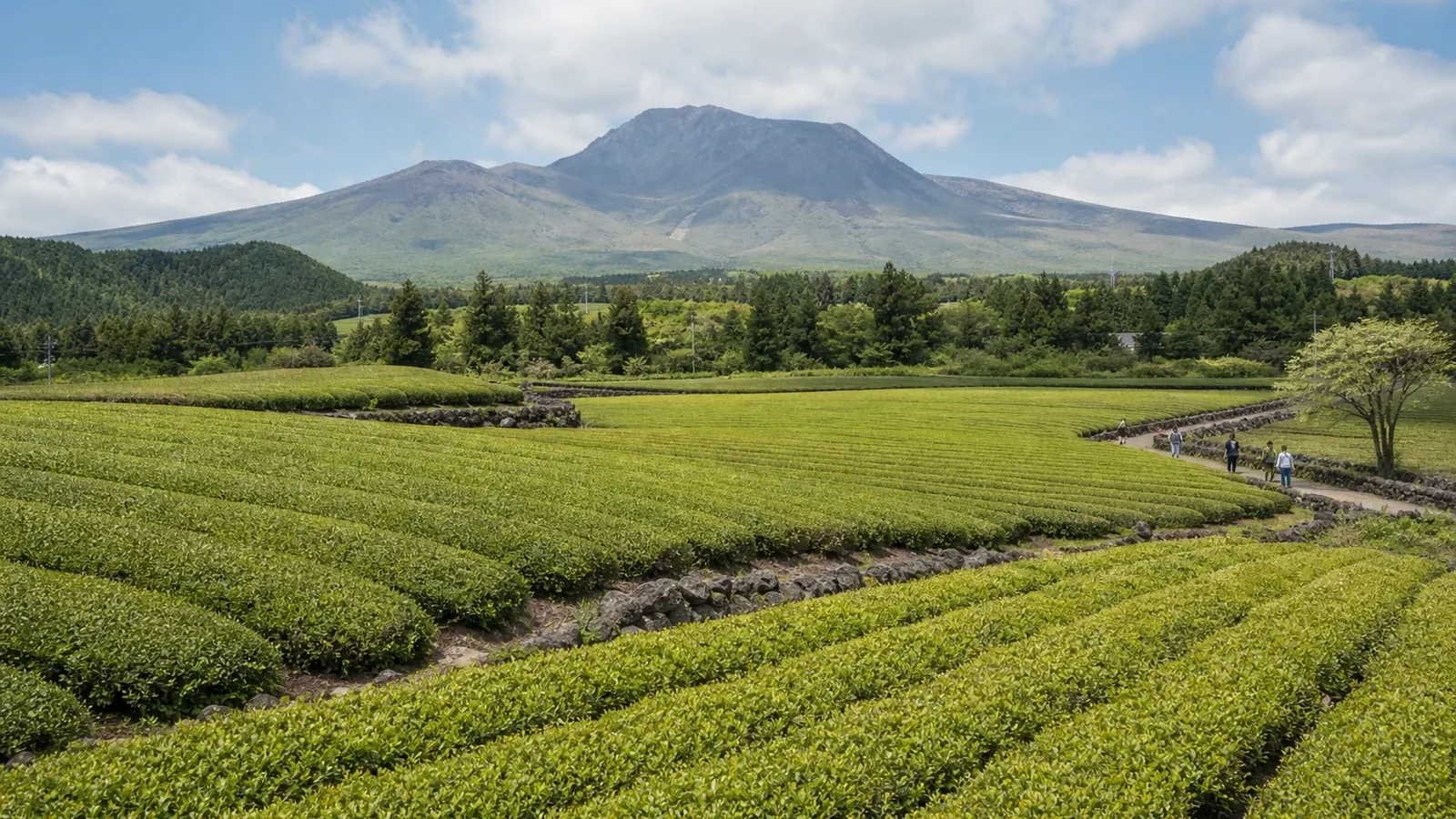
Set out towards Oedolgae or a nearby coastal section around Seogwipo, then continue west. You can combine the tea fields at Osulloc, Hyeopjae Beach, the Hallim area and sunset overlooking Biyangdo.
Hyeopjae is especially beautiful when the tide and light are favourable, but it can become very crowded in summer. In winter, the turquoise water remains; what changes is the wind, which can make an apparently gentle walk surprisingly uncomfortable.
Logical route: east → Hallasan and the south → west → Jeju City.
A full week allows you to discover Jeju’s true character: not only its famous landmarks, but also its villages, paths and quiet corners.
Day 1: Jeju City and the North Coast
Settle in, visit Dongmun Market and walk along the coast. It may not be the most spectacular day, but it helps you ease into the island’s rhythm without driving while tired after your flight.
Day 2: North-East and Volcanic Landscapes
Visit Manjanggul—after confirming that it is open—Bijarim and a beach on the north-eastern coast. The combination of forest, volcanic rock and sea works better than a succession of museums or cafés.
Day 3: Seongsan and Udo
Keep one flexible day for Udo. If sea conditions prevent ferries from operating, replace it with Seopjikoji, an accessible oreum or a coastal walk. Flexibility is essential: insisting on a maritime plan in bad weather usually ends in delays and frustration.
Day 4: Hallasan
Devote the entire day to the mountain. To reach the summit, book in advance and check trail conditions again that morning. For a gentler day, complete only part of a trail and add a nearby forest or a peaceful walk on the way down.
Day 5: Seogwipo and the South Coast
Waterfalls, the market, Oedolgae and the cliffs. There is no need to visit every waterfall: after the second, the scenery may begin to feel repetitive. Leave time to wander without a fixed destination through Seogwipo’s less touristy neighbourhoods.
Day 6: South-West and West
Jusangjeolli, the tea fields and Hyeopjae make for a straightforward route. Travellers who prefer nature to attractions can cut back on organised visits and spend more time along the coast.
Day 7: A Section of the Jeju Olle Trail
Finish the trip on foot. The Jeju Olle network circles the island through numerous signposted routes, although some sections may be temporarily diverted. Check official alerts before choosing a stage.
There is no need to complete an entire route. A few hours among harbours, fields, low houses and black stone walls may reveal more about Jeju than another day spent collecting viewpoints.
For a three-day trip, use no more than two bases: one night in the east and two in Seogwipo, or all three nights in Seogwipo if you prefer not to keep packing.
For a week, a comfortable arrangement would be two nights in Jeju City or on the north coast, two nights in Seongsan and three nights in Seogwipo.
Changing hotels every day may look efficient on the map, but it wastes time and forces you to travel with your luggage constantly in mind.
It is not essential, but it makes short itineraries much easier. Jeju’s bus network reaches many parts of the island and is suitable for slower trips, although journeys may involve waiting, transfers and additional walking.
When using public transport, organise each day around a single area. Even with a car, avoid crossing the island several times: the freedom to drive does not make the distances disappear.
Do not try to combine Hallasan, Udo and the west coast in a single day. Nor should you schedule a mountain ascent on the day you arrive or book activities back to back without leaving room for wind or rain.
Jeju rewards travellers who slow down. Its beauty does not always lie in a major landmark, but in sunlight falling on a basalt wall, a road running between fields or the salty air of a small harbour. A good itinerary is not the one that ticks off the most places, but the one that leaves enough time to truly experience them.
Discover selected experiences in Jeju to complete this guide with volcanic landscapes, local culture, coastal routes, food and well-organised day trips.
Activity on TourBookGoBook an East Jeju tour with hotel pickup and explore Hamdeok Beach, Seongsan Ilchulbong, traditional villages, a lava cave and seasonal hydrangeas.
 Activity on TourBookGo
Book a Southwest Jeju tour visiting Hallasan, Jusangjeolli, Cheonjeyeon Waterfall and O’sulloc. A 10-hour trip with transport and an English-speaking guide.
 Activity on TourBookGo
Explore Seongsan Ilchulbong, Micheon Lava Cave and Haenyeo culture on an eastern Jeju tour from Jungmun and Seogwipo with transport and admission included.