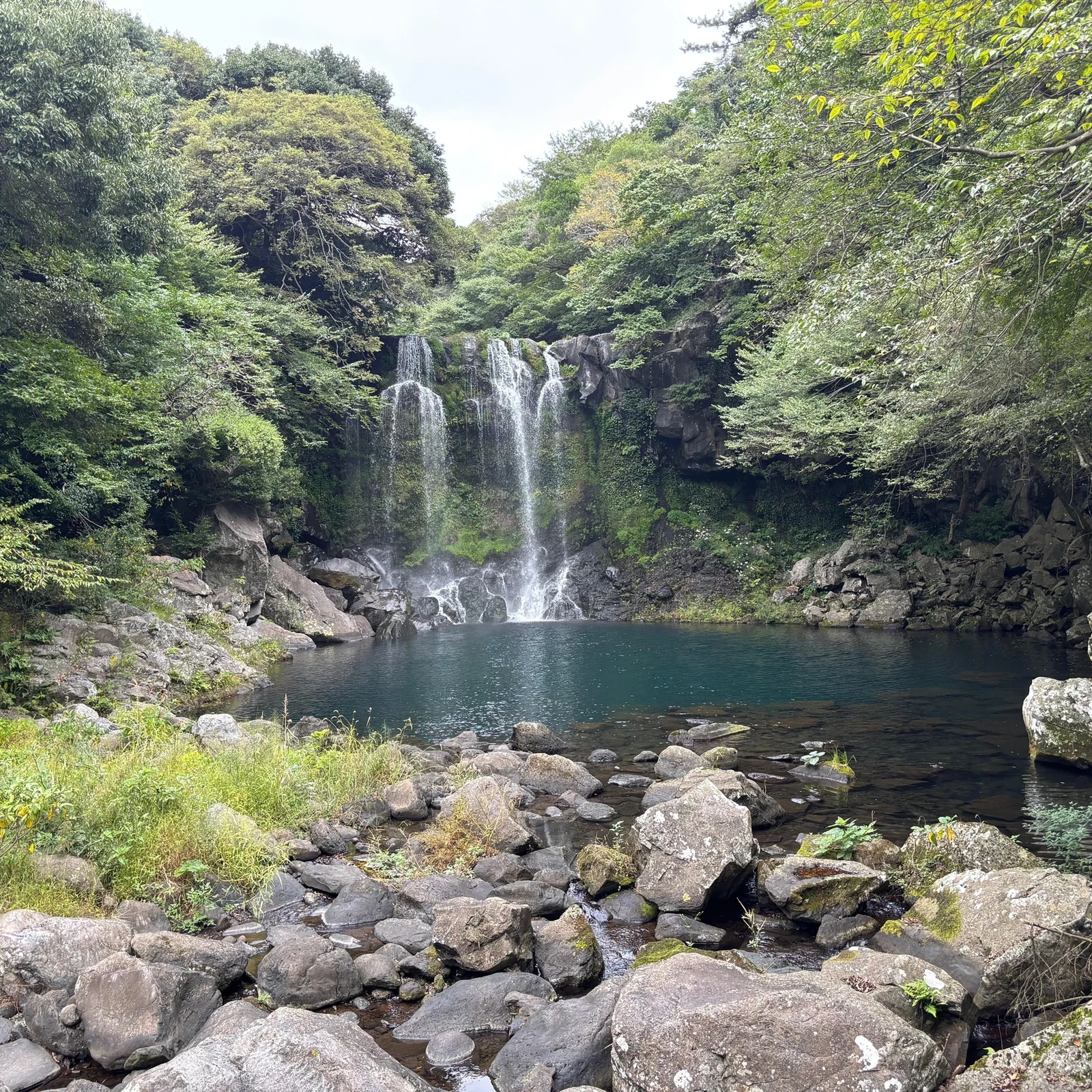
 Activity on TourBookGo
Jeju UNESCO Tour for Cruise Passengers
Explore the Jeju UNESCO tour for cruise passengers, a 7–8 hour shore excursion with a guide, transport, port pickup and coordinated return. From €53.
Knowing the mistakes to avoid in Jeju can make the difference between a rushed itinerary and a rewarding island trip. From the air, Jeju looks simple: a rounded green island crowned by Hallasan. Once you land, winding roads, tangerine orchards, basalt villages, and a changeable ocean reveal a destination that rewards careful planning.
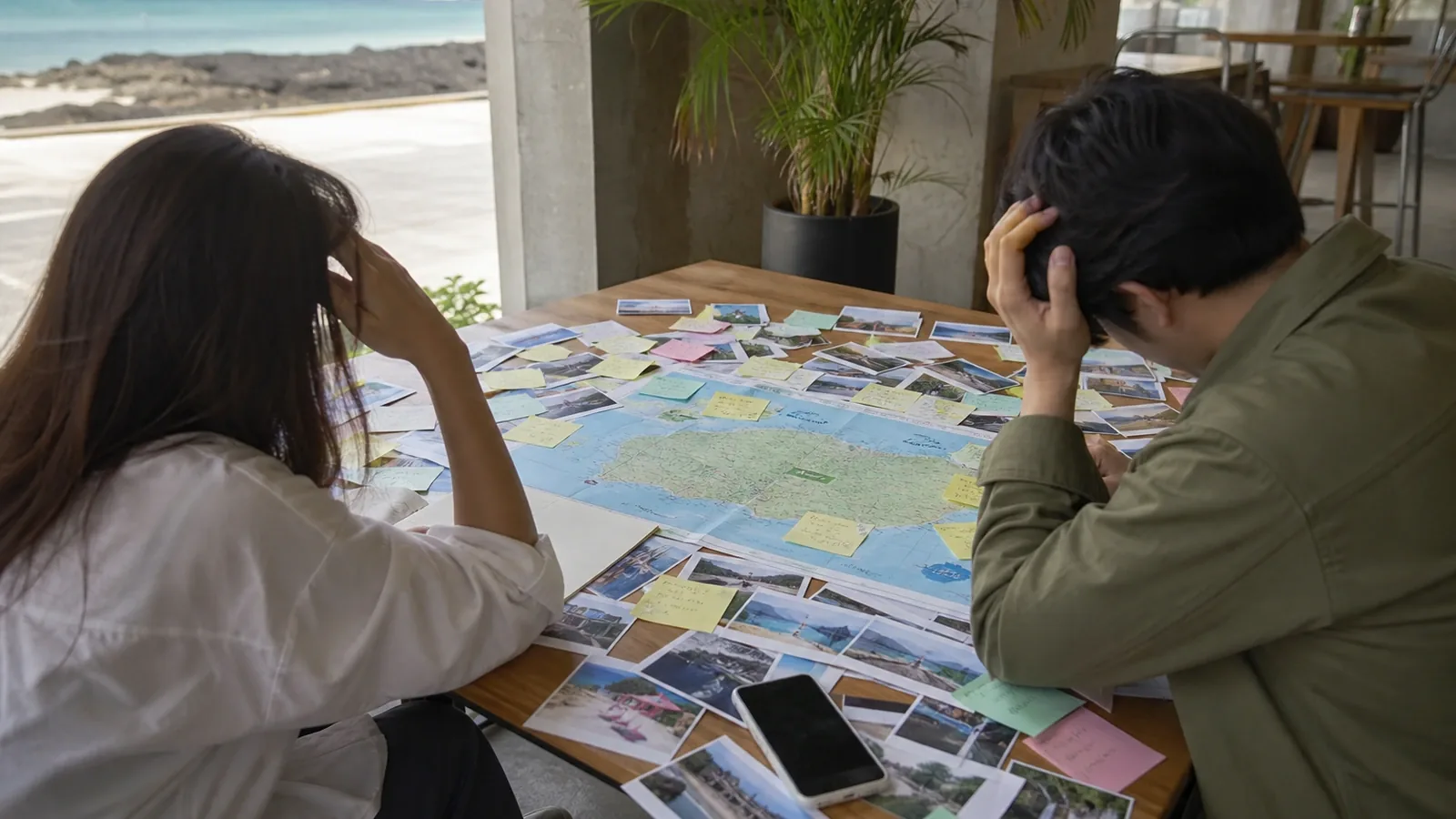
Distances can be deceptive, weather can disrupt plans, and some of the island’s most beautiful places only open when conditions allow. This guide covers the main mistakes to avoid in Jeju, with practical advice on transport, accommodation, car rental, Hallasan, Udo, and coastal activities.
Compare locations and options to find a base that suits your trip. Booking.com confirms current availability and pricing.
Find accommodation on BookingOne of the most common mistakes when visiting Jeju is treating it as a small island that can be covered on a quick excursion. Technically, you can drive around much of the coastline, but that does not mean it makes sense to squeeze Aewol, Udo, Seongsan, Seogwipo, and the western side into a single day.
Jeju is best explored by area. Dedicate each day to the east, west, south, or interior. This gives you time to stop at a volcanic beach, walk part of an Olle trail, or step into a village restaurant without constantly checking the time.
With fewer than three days, you will see a selection of the island’s highlights. To experience Jeju’s rhythm without turning the trip into a race, four or five nights is a better choice.
A cheap hotel can end up costing you dearly in time and transport. Jeju City is convenient for the airport and for travelers relying on buses, but it is not always the best base for exploring the southern coast. Seogwipo has a slower atmosphere and offers easier access to waterfalls, southern routes, and several volcanic landscapes.
Changing hotels every night is another common mistake. Packing, parking, and check-in times can consume the hours you had set aside for exploring. Two well-chosen bases usually work better than moving from hotel to hotel around the island.
Thirty kilometers may seem insignificant, but the journey can involve villages, secondary roads, traffic lights, and detours. Many attractions also require a walk from the car park or a wait for connecting transport.
Do not plan your days based on distance alone. Group nearby places together and leave generous buffers, especially before a flight, a reservation, or the last ferry.
Jeju can be explored by public transport, particularly if you focus on a specific area and organize your connections carefully. However, services are less frequent in some rural areas, and transfers can make the day much longer. The official network publishes routes, arrival times, and timetable changes, which is especially important because services may be adjusted.
Travelers without a car should stay near a useful bus stop, avoid itineraries involving too many connections, and use taxis for isolated stretches. Buses are well suited to slow travel; they become frustrating when used to replicate an itinerary designed for driving.
Booking a vehicle only to discover at the rental desk that you do not have the correct permit can ruin your itinerary. Requirements vary by company, but international visitors generally need a passport, an International Driving Permit, and, in some cases, their original domestic driving licence. It is also wise to book in advance during busy periods and photograph the vehicle’s exterior and fuel level before setting off.
Extra caution is advisable when driving at night. Outside the cities, some roads are poorly lit, and wildlife may appear on the road.
Hallasan is not a casual urban walk with scenic views. The weather changes with altitude, the routes are long, and there are cut-off times for continuing the ascent. Anyone planning to reach the summit via the Seongpanak or Gwaneumsa trails must make an online reservation in advance.
Bring suitable footwear, water, food, and a waterproof layer, even when the coast is clear in the morning. Those who do not want a demanding full-day hike can choose shorter routes that reveal the mountain landscape without turning the holiday into an endurance test.
In Jeju, the ocean also dictates the schedule. Access to Yongmeori may be closed because of high tide, rough seas, or poor weather, and daily opening hours are announced according to current conditions.
Ferries to Udo may also be rescheduled or canceled. There are also restrictions on taking rental cars onto the island, with certain exceptions that should be checked before arriving at the port.
Do not make Yongmeori or Udo the only activity planned for an entire day. Always have a nearby alternative that does not require a long transfer.
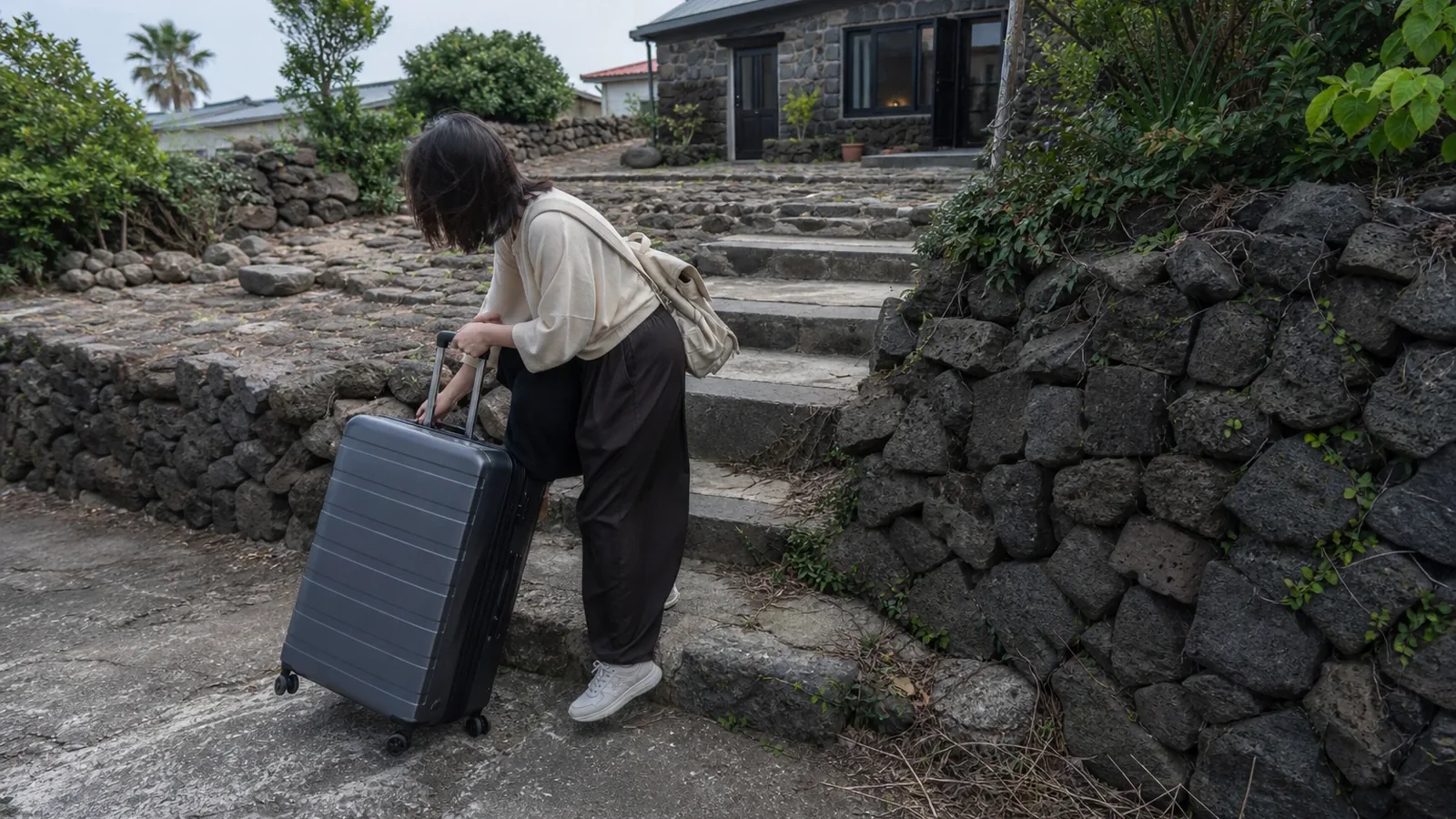
Jeju’s climate does not behave like Seoul’s. Summers are hot and humid, coincide with the rainy season, and may be affected by typhoons. In winter, the coast can feel relatively mild while Hallasan is covered in snow and experiencing completely different conditions. The southern side of the island is generally slightly warmer and sunnier than the north.
A lightweight windproof jacket, sun protection, and water-resistant footwear are more useful than luggage chosen solely with summer photographs in mind.
Photogenic cafés, flower fields, and viewpoints are part of the experience, but they should not replace it. Some popular spots become crowded for a few minutes, then fall quiet again as soon as a tour bus leaves.
Walking a section of the Jeju Olle trails offers a better understanding of the landscape: coastal paths, forests, small villages, and stone walls. Some routes pass through remote areas where phone coverage may be lost and darkness falls quickly, so check the level of difficulty and make sure you finish while there is still daylight.
The black stone walls are not decorations, and the fields are not photography studios. Many belong to working farms or private homes. Do not cross a fence to get closer to flowers, horses, or tangerine trees, even if other people are doing so.
Stay on the paths, do not collect volcanic stones, and avoid parking in a way that blocks rural entrances. Much of Jeju’s beauty comes from the fact that its landscape is still lived in and worked.
The haenyeo, Jeju’s women divers, are not performers. They belong to professional communities with knowledge passed down through generations, their own working practices, and a deep relationship with the marine ecosystem.
Watch from a distance, do not interrupt their work, and ask permission before taking a close-up portrait. Buying seafood from an authorized stall can be a respectful way to support their livelihood; entering a working area for the sake of a photograph is not.
Independent cafés, small museums, and family-run restaurants may close on a particular day or change their hours outside the main season. In Jeju, it is not unusual for a local business to announce changes through its social media channels.
Confirm the opening hours before driving to an isolated establishment. It is also sensible to have a backup option for meals, especially in the afternoon or in smaller villages.
The best approach in Jeju is not to memorize an elaborate set of formalities, but to travel with consideration and restraint.
A slight nod when greeting someone, together with a warmly spoken annyeonghaseyo and gamsahamnida, will open more doors than a demand made in a loud voice. Respect carries considerable weight in Korean culture, and bowing the head remains a common gesture of courtesy.
Give and receive money, cards, or other objects with both hands whenever possible. Do not mistake brief communication for hostility: the language barrier and the pace of work can make interactions seem direct.
In restaurants, observe first. Water and side dishes may be self-service, and many tables have a button for calling the staff. Tipping is not generally expected in Korea.
Above all, remember that Jeju is not only coastlines, volcanoes, and cafés. It is an island where people fish, farm, commute to work, and live behind those basalt walls. Travelers who understand that distinction return with something more valuable than a collection of photographs: the feeling that they have experienced a real place.
Discover selected experiences in Jeju to complete this guide with volcanic landscapes, local culture, coastal routes, food and well-organised day trips.
Activity on TourBookGoExplore the Jeju UNESCO tour for cruise passengers, a 7–8 hour shore excursion with a guide, transport, port pickup and coordinated return. From €53.
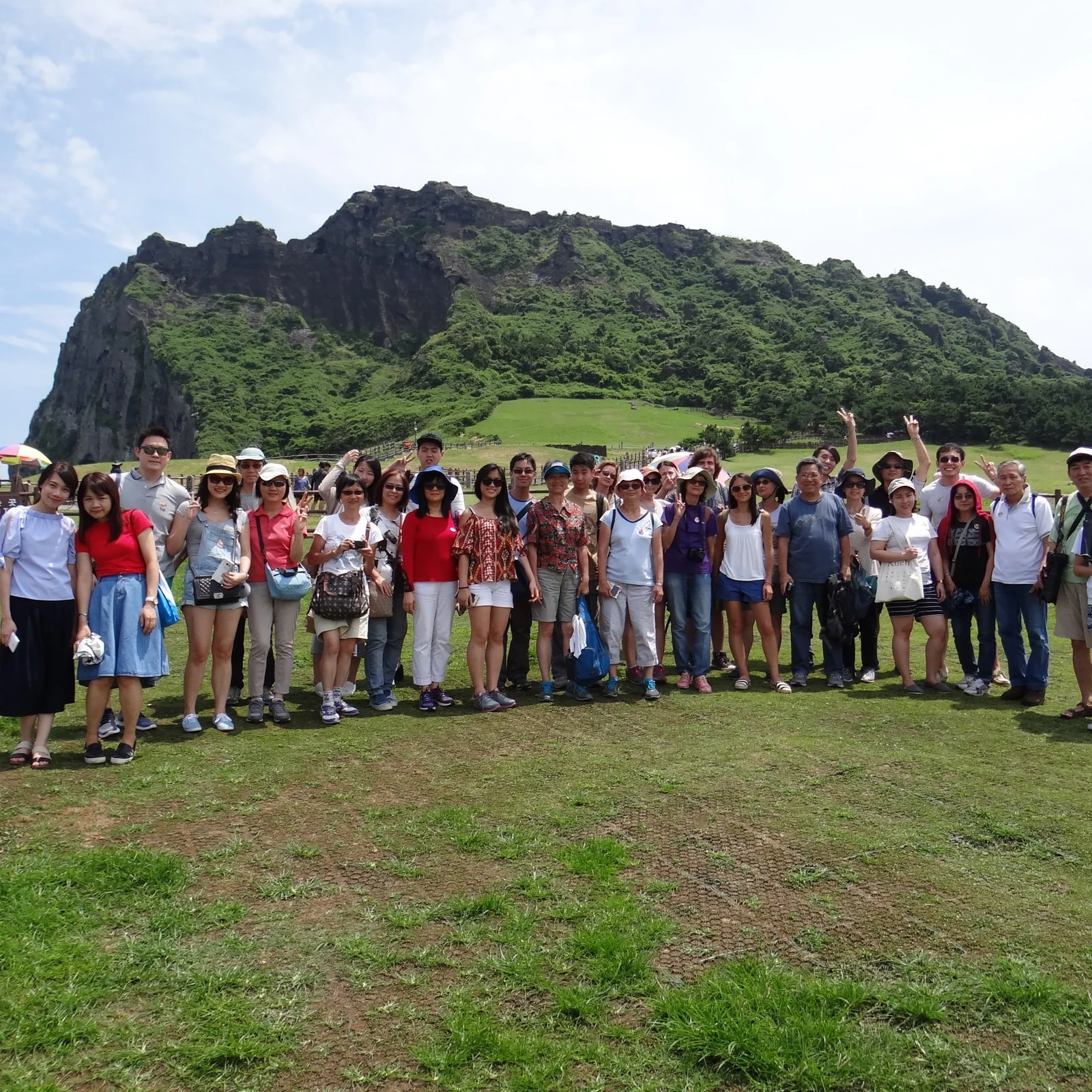 Activity on TourBookGo
Join an eastern Jeju day tour with an English-speaking guide, transport, Seongsan Ilchulbong, Manjanggul Lava Tube and Haenyeo culture.
 Activity on TourBookGo
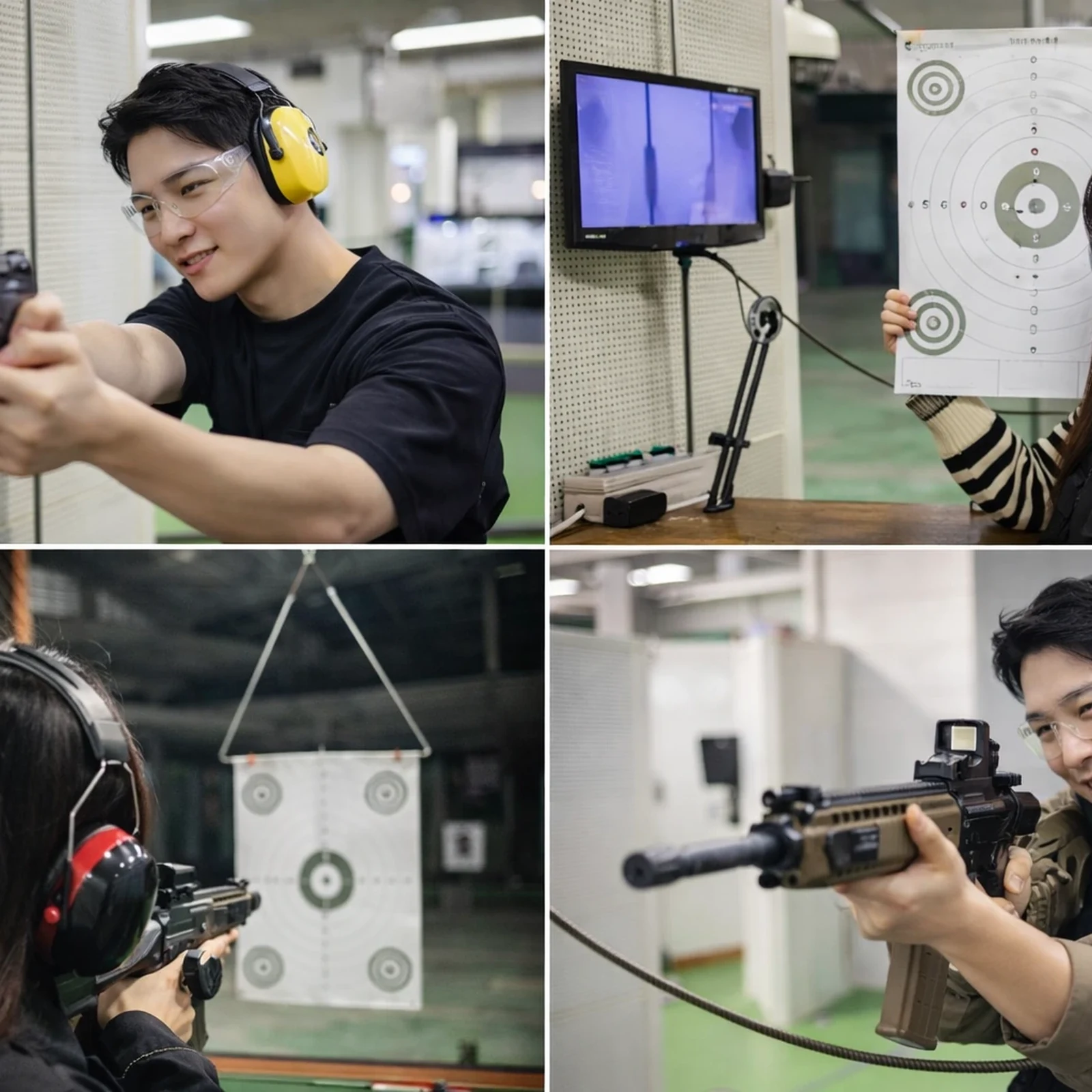
Book an indoor shooting experience in Jeju with an instructor, real firearms, air pistols and simulators at a covered range in Jungmun.