 Activity on TourBookGo
Udo and Seongsan Ilchulbong Day Tour from Jeju
Book a Udo and Seongsan Ilchulbong day tour from Jeju with return ferry tickets, transfers, Hamdeok Beach and Dongmun Market in 9 hours.
Discover the best things to do in Jeju, from volcanic peaks and coastal trails to beaches, waterfalls, caves and markets. Explore one area each day and keep your plans flexible for changing weather.
Choosing the best things to do in Jeju is not about collecting as many stops as possible. The island reveals itself as you walk over hardened lava, feel the salty wind along the cliffs and pass through villages where black-stone walls protect mandarin orchards. The places to visit in Jeju include mountains, beaches, waterfalls, caves and markets, but distances are greater than they appear: trying to see everything often turns the trip into a succession of car parks. A better approach is to choose one area per day, combine nature with local culture and leave room for the weather, which can change quickly.
Compare locations and options to find a base that suits your trip. Booking.com confirms current availability and pricing.
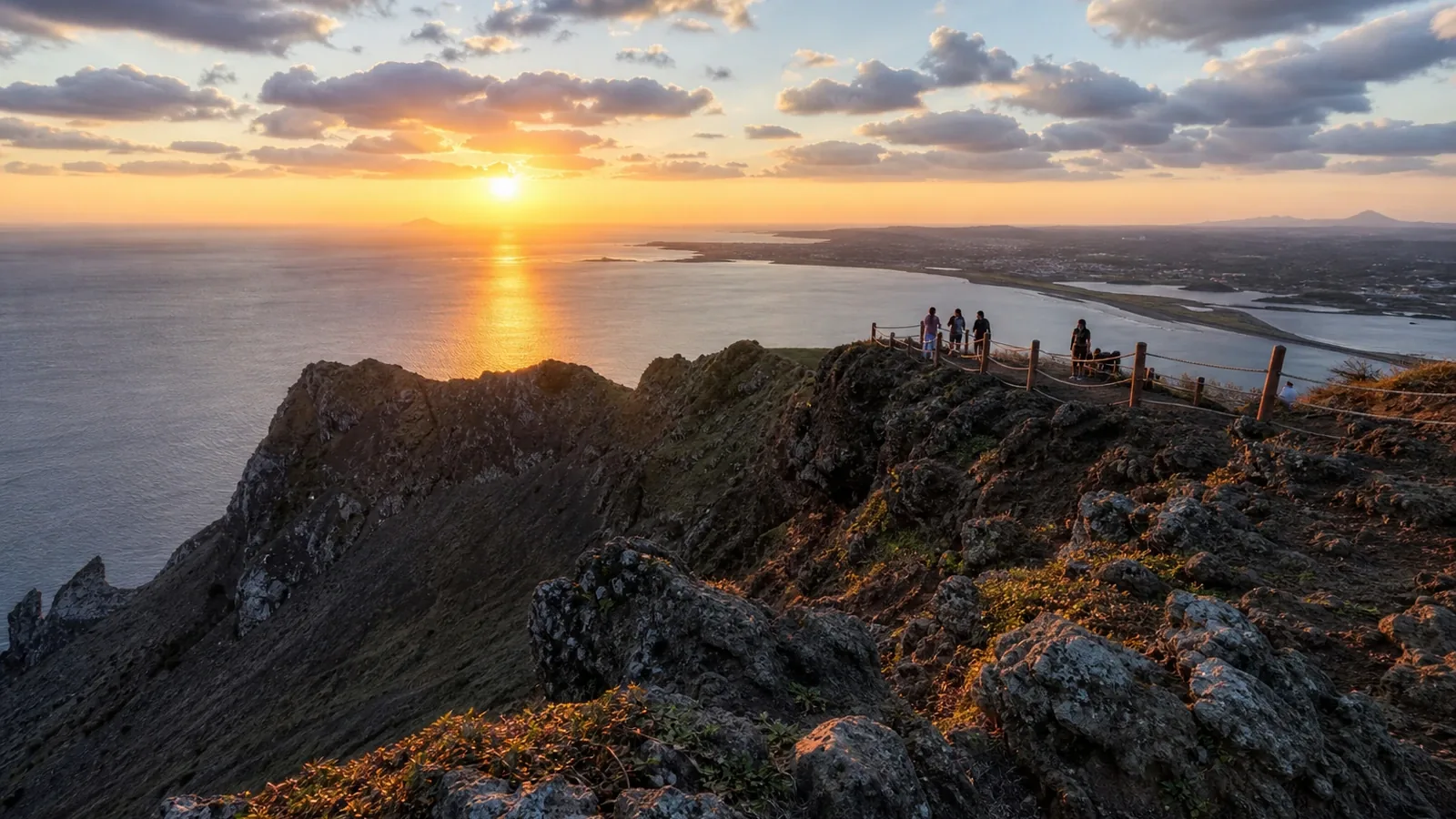
Find accommodation on BookingThe volcanic cone of Seongsan Ilchulbong rises beside the sea like a vast green fortress. The climb is short but steep, with numerous steps, and leads to an open viewpoint overlooking the crater, the fields and Jeju’s eastern coastline.
Although its name means “Sunrise Peak,” getting up early does not guarantee clear skies. Mist and clouds may hide the sun, especially on humid days. Even so, arriving early usually means fewer crowds and softer light.
Afterwards, visit Gwangchigi Beach or continue to Seopjikoji, where coastal paths cross open, windswept grasslands.
The Jeju Olle trails follow the coast, cross fields and connect the island’s small villages. There is no need to complete an entire route: a two- or three-hour walk is enough to discover a more intimate side of Jeju, away from large car parks and attractions designed for quick photo stops.
Some sections pass beside pale beaches, while others wind through volcanic rock, low houses and moss-covered walls. The ground can be uneven and slippery after rain, so shoes with good grip matter more than an ambitious itinerary.
Walking the Jeju Olle trails is one of the best free activities in Jeju, although it requires time and some flexibility when arranging the return journey.
Hallasan dominates Jeju even when it is hidden by clouds. Travellers who want to reach the summit area must take on a long, demanding hike; it is not an outing to attempt on a whim, nor is it suitable for everyone.
The main routes to the summit require advance reservations and may be restricted because of wind, rain, snow or maintenance. Before setting out, check the trail status even when the weather looks clear along the coast.
For a less strenuous experience, there are forest walks and lower-altitude trails. In autumn, the slopes turn warm shades of red and gold; in winter, snow transforms the landscape but also makes hiking more difficult. In summer, humidity can make the ascent far more exhausting than expected.
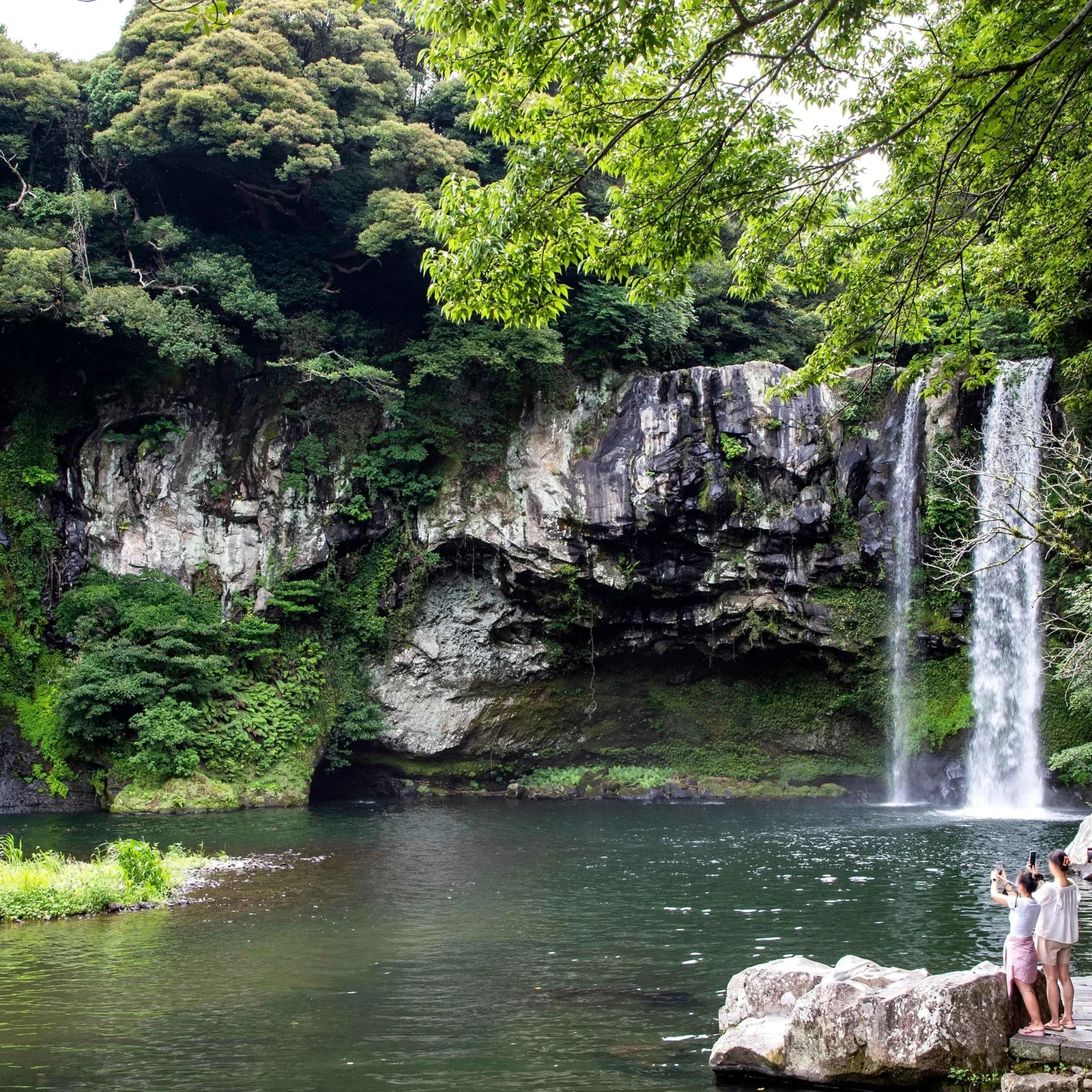
Southern Jeju is home to some of the island’s best-known waterfalls. Jeongbang plunges from a cliff facing the sea and is especially dramatic when the water flow is strong. The final approach crosses wet, uneven rocks, something to bear in mind when travelling with young children or people with limited mobility.
Cheonjiyeon is easier to visit and fits well into a relaxed afternoon in Seogwipo. Maeil Olle Market and several restaurant streets are nearby, making it easy to combine nature, local food and an evening stroll.
Udo is a small island off Jeju’s eastern coast. Its beaches, gentle hills and coastal roads can be explored on foot, by bicycle or using local transport. Half a day may be enough to see several popular sights, although staying longer makes it easier to escape the pace of organised tour groups.
Ferries leave from Seongsan and Jongdal ports, but services may be altered or cancelled depending on wind and sea conditions. Restrictions also apply to certain rental vehicles, so check the current rules before heading to the port.
The main drawback of a Udo Island day trip is its popularity. On sunny days and weekends, some areas can feel more commercial than peaceful, especially around the most photographed stops.
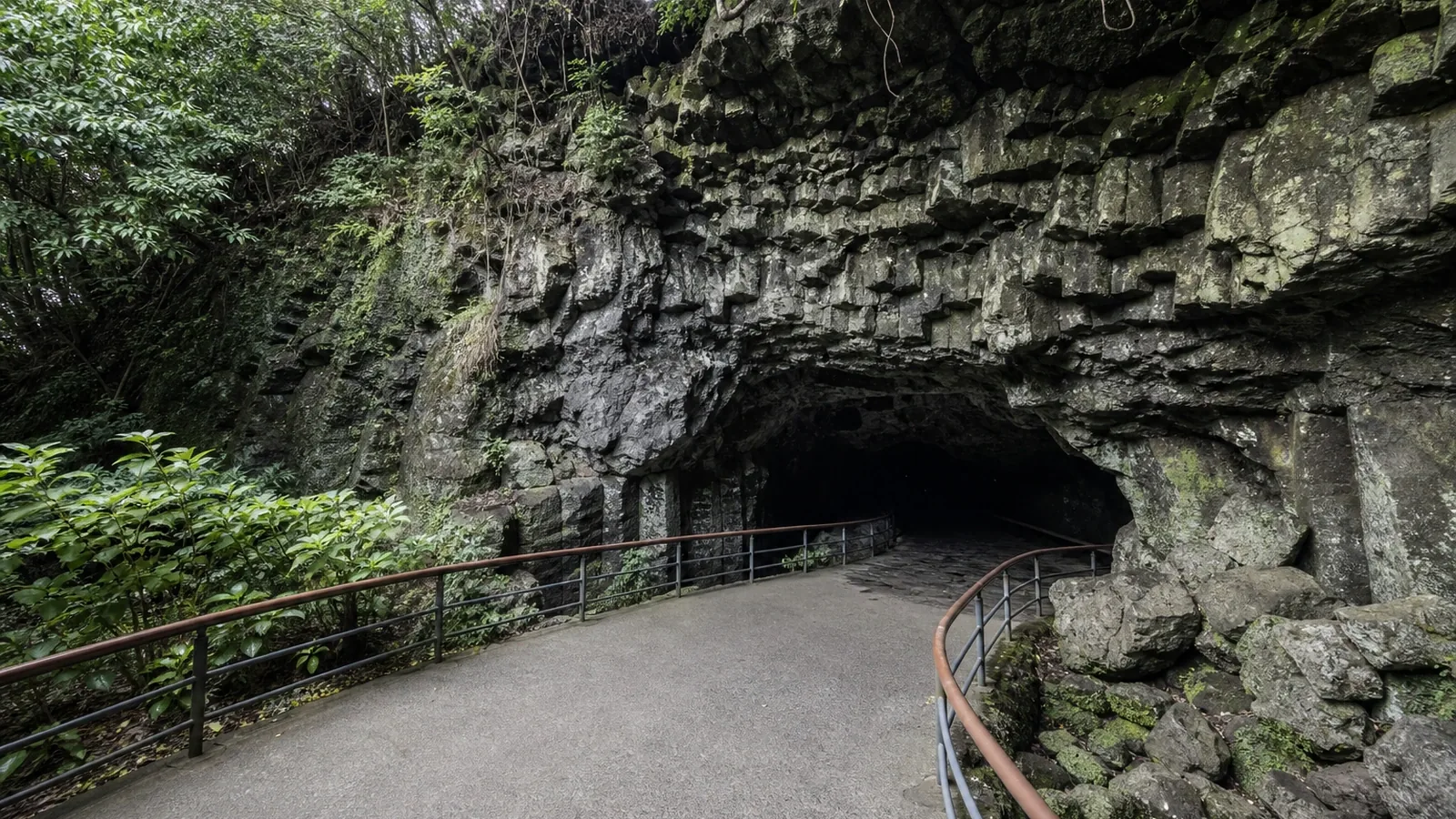
Manjanggul allows visitors to walk through part of the Geomunoreum lava-tube system. The interior is dark, damp and cool, with an uneven floor that reveals Jeju’s volcanic origins in a particularly vivid way. Only a section of around one kilometre is open to the public.
It is a good option on hot or overcast days, but it is not a complete substitute for a rainy-day plan: the outdoor access areas remain exposed, and the ground can be slippery. After periods of closure or maintenance, check that the site is open before making the journey.
Hamdeok and Hyeopjae stand out for their clear water and pale sand, although they can become very crowded in summer. Outside the swimming season, they offer a different kind of appeal: walking along the shore, watching the changing tides and then taking shelter in one of the coastal cafés.
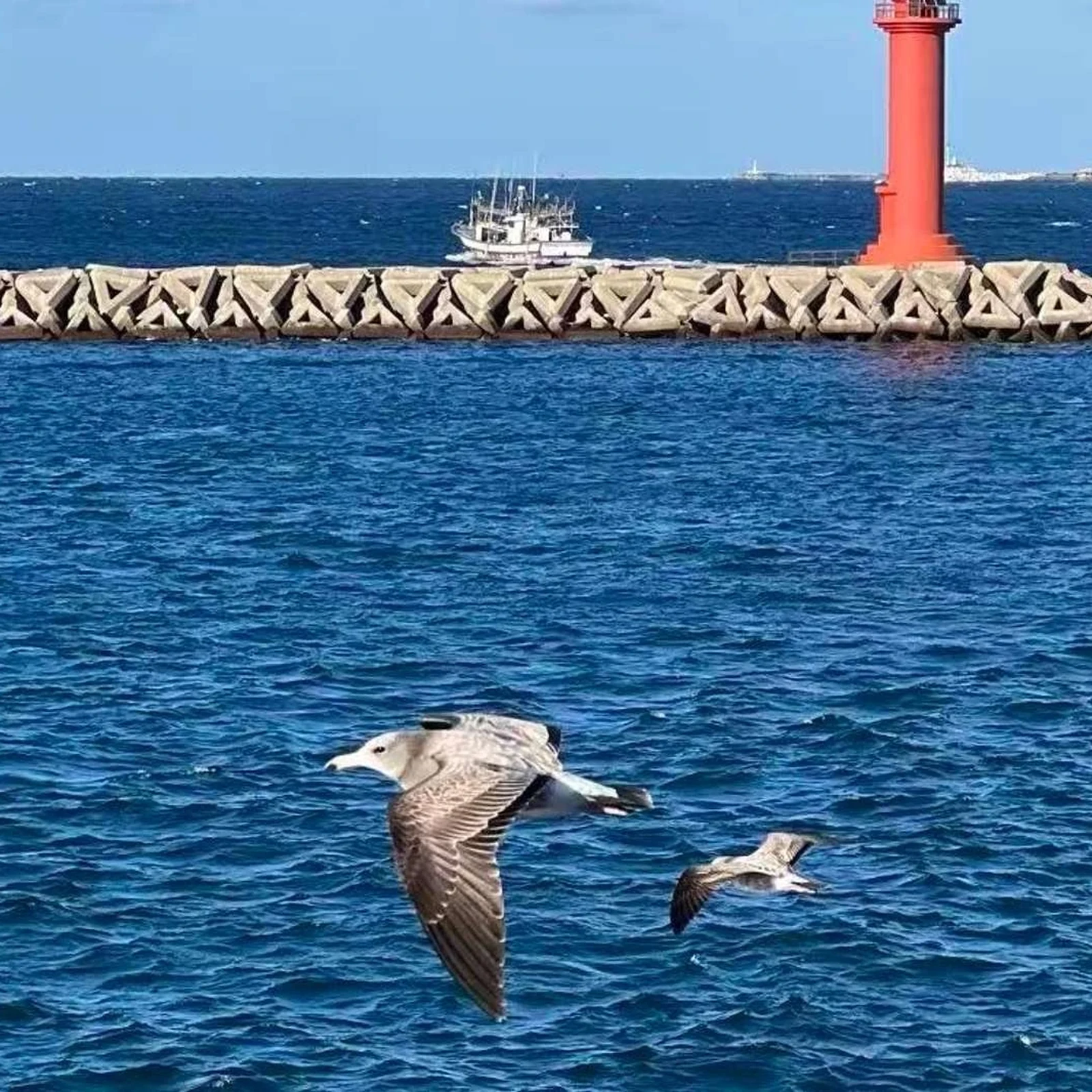
Jeju is windy, and the sea is not always calm. A beach that looks peaceful in the morning may become uncomfortable only a few hours later. To enjoy the coast properly, avoid planning the entire day around a single beach stop.
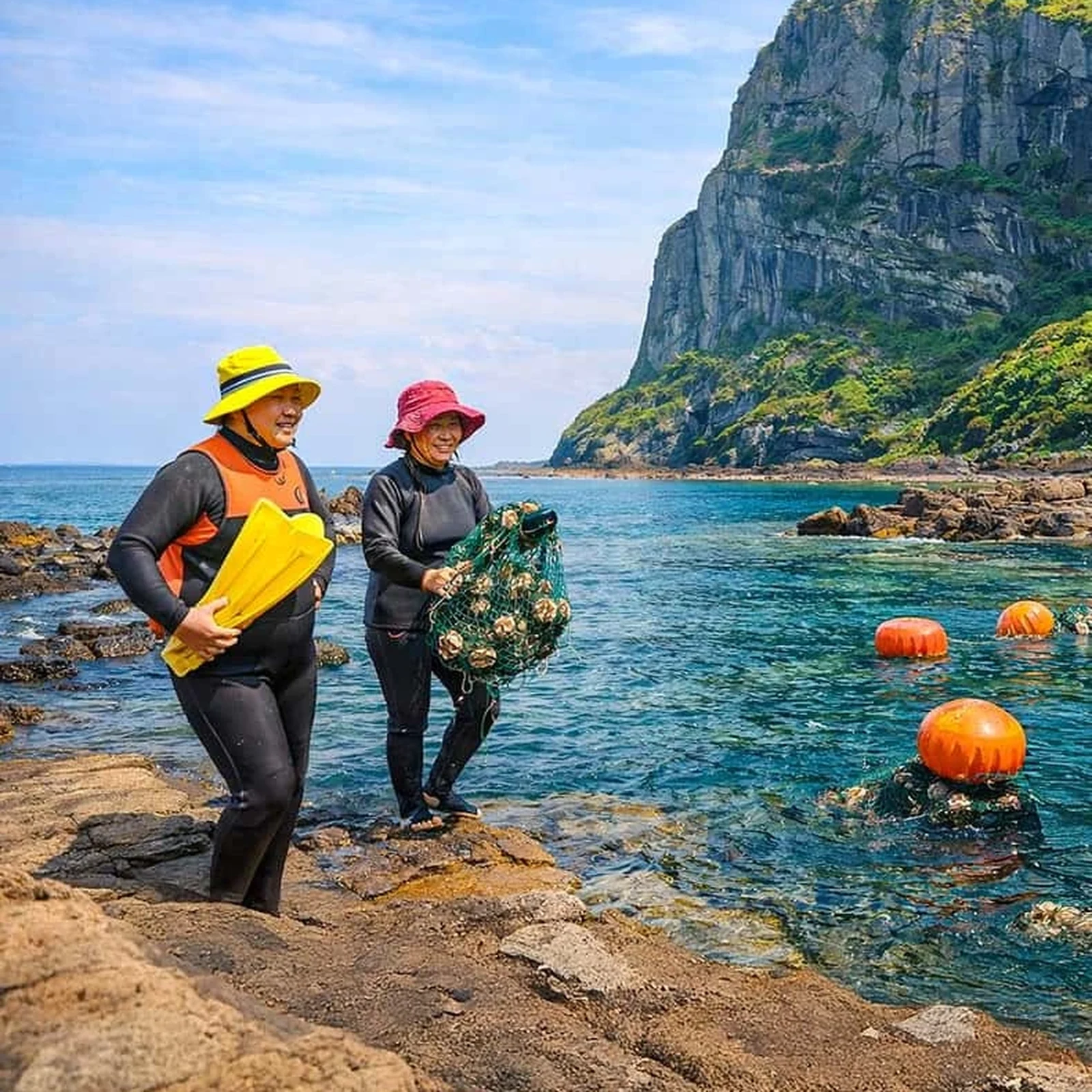
The haenyeo, women divers who traditionally harvest marine products while holding their breath, are an essential part of Jeju’s identity. Their history deserves more than a brief performance by the sea.
The Haenyeo Museum helps visitors understand their work, community organisation and the hardships of a life governed by the tides. It is also a valuable alternative when the weather makes outdoor activities impossible. Watching the divers along the coast requires respect: they are working, not posing for visitors.
Rain can erase the views of Hallasan and lead to the cancellation of some sea excursions, but it does not have to ruin the trip. Manjanggul, the Haenyeo Museum, the Jeju Museum of Art, the Arario Museum and other cultural venues make it possible to enjoy a slower-paced day. Museums, galleries and cafés are also useful alternatives when adapting your itinerary to wet weather.
Digital museums offer an eye-catching visual experience, although travellers interested in local history will probably gain more from spaces devoted to the island’s culture, art and collective memory.
For families with children, shallow beaches on calm days, markets, the Haenyeo Museum and short visits to waterfalls or caves are good options. Hallasan and some coastal sections require an honest assessment of each child’s age, stamina and ability to cope with the heat.
For couples, Jeju offers sunsets, seaside walks and rural accommodation, but it should not be idealised as a permanently quiet island: famous attractions receive large numbers of visitors, and many areas depend heavily on cars.
At night, most activity is concentrated in Jeju City and Seogwipo. Dongmun Market and Maeil Olle Market bring together food stalls, local products and a livelier atmosphere after sunset. Outside the cities, many roads become dark and nightlife is limited.
Jeju is large, its attractions are spread out, and public transport does not always make it easy to connect several places quickly. Some coastal areas have also filled with photogenic cafés, shops and traffic, losing part of the sense of isolation shown in promotional images.
The island rewards travellers who shorten their list, accept changes in the weather and devote an entire morning to walking without chasing every viewpoint. Those expecting tropical beaches, intense nightlife and quick sightseeing may find the experience less spectacular than imagined. Those who enjoy volcanic landscapes, hiking trails and slower rhythms will discover an island with a personality that is hard to mistake for anywhere else.
Discover selected experiences in Jeju to complete this guide with volcanic landscapes, local culture, coastal routes, food and well-organised day trips.
Activity on TourBookGoBook a Udo and Seongsan Ilchulbong day tour from Jeju with return ferry tickets, transfers, Hamdeok Beach and Dongmun Market in 9 hours.
 Activity on TourBookGo
Book a Mount Hallasan and South Jeju Coast tour with transport. Visit Jeongbang Waterfall, Olle Trail 7, Yakcheonsa Temple and Osulloc tea fields.
 Activity on TourBookGo
Book an east Jeju UNESCO tour with Seongsan Ilchulbong, Haenyeo culture, volcanic scenery, transport and admission on a 10-hour day trip.