 Activity on TourBookGo
Professional Photo Shoot in Jeju
Book a professional photo shoot in Jeju and explore three landmarks with transport, admission, kimbap and more than 250 same-day photos included.
Choosing where to stay in Jeju can shape your entire trip. The island is large, its main attractions are spread out, and the wrong base can turn a relaxing holiday into a series of long journeys.
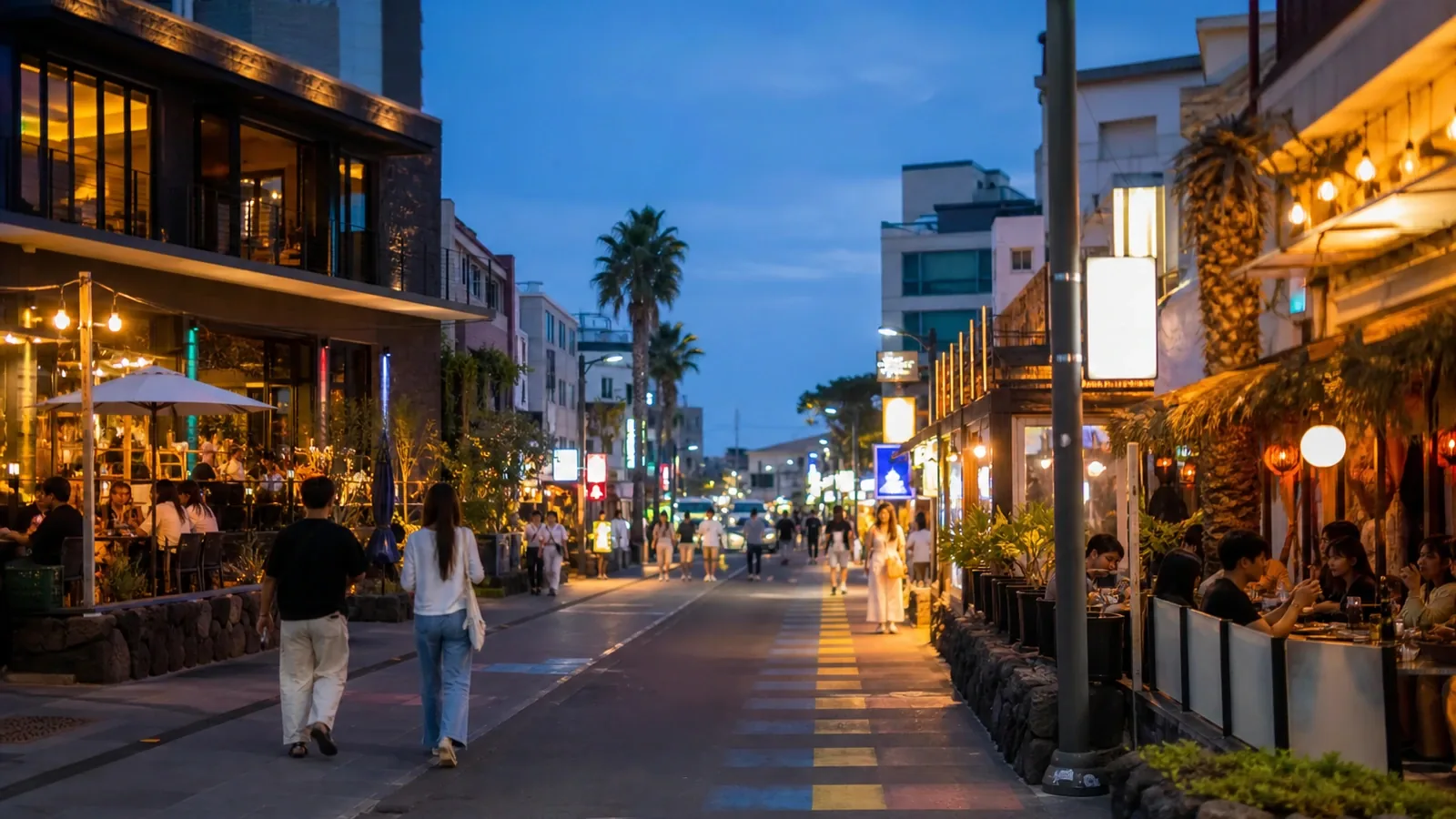
Deciding where to stay in Jeju depends on the length of your trip, the places you plan to visit and whether you will rent a car. Most hotels are concentrated around Jeju City, Seogwipo and Jungmun, while smaller coastal towns offer guesthouses, private homes and more characterful accommodation.
Compare locations and options to find a base that suits your trip. Booking.com confirms current availability and pricing.
Find accommodation on BookingJeju City | Best for: short trips, public transport and proximity to the airport | Main drawback: urban atmosphere.
Seogwipo | Best for: first-time visitors and a balance of nature and amenities | Main drawback: far from the eastern end of the island.
Jungmun | Best for: families, relaxation and upscale hotels | Main drawback: higher prices and a tourist-oriented setting.
Aewol and Hallim | Best for: couples, sunsets and the west coast | Main drawback: a car is almost essential.
Hamdeok | Best for: beaches, families and exploring the northeast | Main drawback: very crowded in summer.
Seongsan | Best for: nature, sunrises and trips to Udo | Main drawback: isolated location.
Rural interior | Best for: peace, design and slow getaways | Main drawback: few options for dining out or getting around.
Jeju City is the most practical choice for your first or last night. The airport is nearby, and there are plenty of restaurants, markets, shops and functional hotels to choose from.
It is also a sensible base for anyone wondering where to stay in Jeju without a car. Bus connections are better than in rural areas, and it is easier to organise excursions or travel to different parts of the island.
However, it does not reflect the dreamlike image many people have of Jeju. From many hotel rooms, the view is of avenues, buildings and traffic rather than tangerine orchards or volcanic cliffs. Staying here for the entire trip may be convenient, but it takes away some of the island atmosphere.
Seogwipo stretches along the south coast, surrounded by subtropical vegetation, small islands and slopes rising towards Hallasan. It offers urban amenities, but its pace is more relaxed than Jeju City’s.
It is probably the most complete base for a first visit. There are restaurants, markets, coastal trails and natural attractions within relatively easy reach. Staying in the centre also means being able to walk out for dinner, which is especially welcome after a full day of driving.
The city also works well for combining excursions with quiet afternoons. It lacks the intimacy of a coastal village, but it offers an appealing mix of local life and tourism. Its network of urban and coastal trails makes it possible to explore parts of Seogwipo without constantly relying on a car.
Its main weakness is geographical: reaching Seongsan, Hamdeok or the far west from here can involve long drives.
Jungmun is the area most geared towards resort-style tourism. It is home to large hotels, swimming-pool resorts, gardens, restaurants and facilities designed for guests to spend much of the day at their accommodation. It also has a beach, museums and family-friendly attractions.
It is a good choice for families, honeymooners or travellers who want to relax without planning every day in detail. When it rains, having spacious facilities and indoor services can make a significant difference.
However, Jungmun presents a more polished and less spontaneous version of Jeju. Some resorts are separated from local neighbourhoods, prices are generally higher, and going out for dinner may require a car or taxi.
Western Jeju is especially beautiful in the evening light. The Aewol coastal road runs past cliffs and black volcanic rock formations lined with cafés, while farther west you will find beaches such as Gwakji and Hyeopjae. The area offers some of the island’s finest sunsets.
Staying here allows you to wake up by the sea and experience a more open, horizontal side of Jeju: fields, stone walls, small villages and coastal roads. Its guesthouses and design-led private homes can be unforgettable.
The downside is how spread out everything is. Two places that look close on a map may be separated by slow roads and limited direct transport links. Aewol has also become increasingly popular, so some café areas lose their tranquillity at weekends and during peak season.
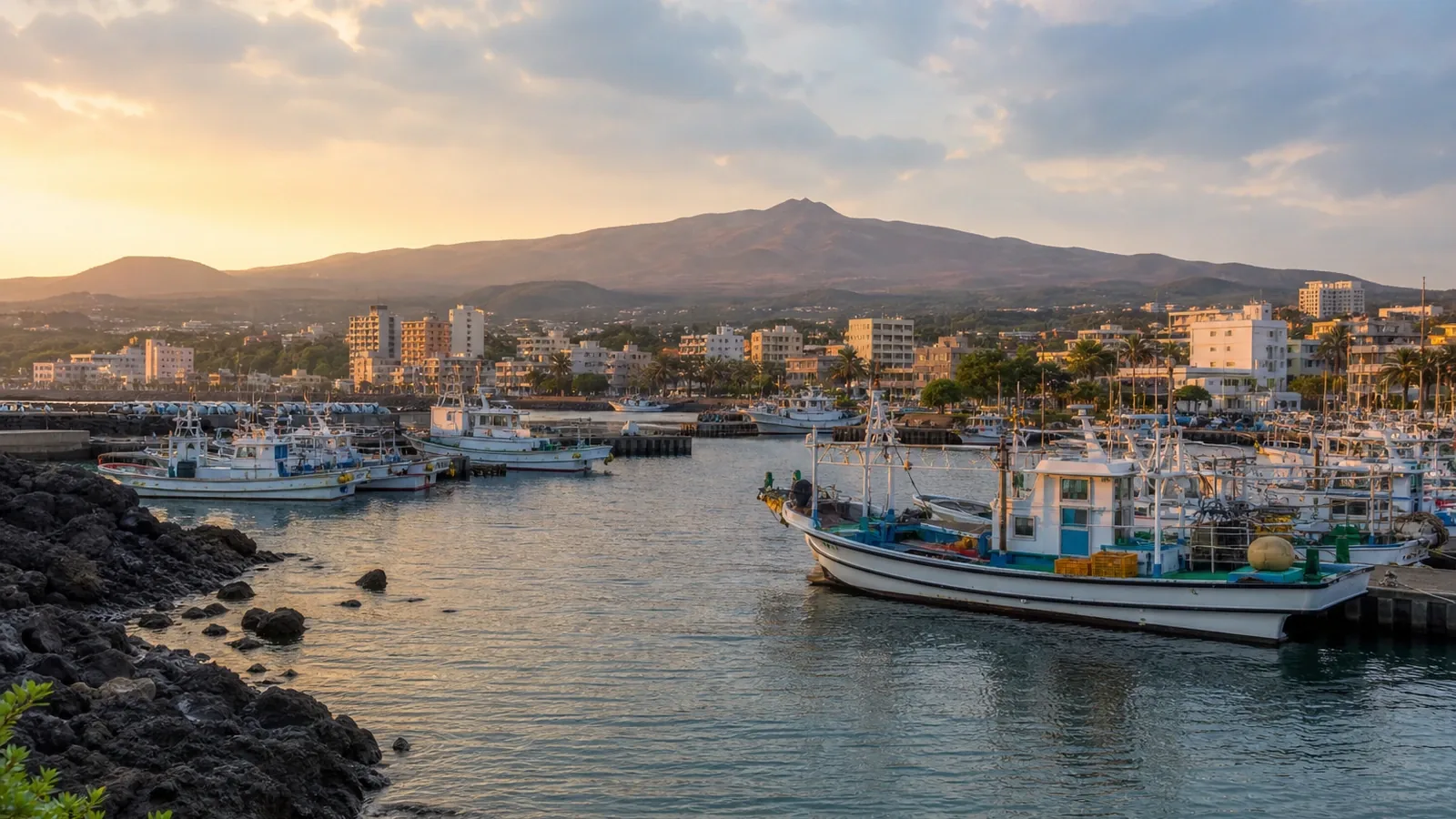
Hamdeok offers one of the most convenient combinations of beach, restaurants and amenities. Its clear, shallow water is especially popular with families in summer, while nearby Seoubong offers elevated views of the coastline.
It is an appealing base for exploring the eastern half of the island without feeling completely isolated. It is also easier for travellers without a car than many smaller towns, provided they are willing to plan their days around bus timetables.
In summer, it can feel extremely crowded. Accommodation along the seafront promenade is exposed to more noise and activity, so it is worth checking the exact location rather than relying solely on a photograph of the sea.
Seongsan is the right base when eastern Jeju is the main focus of the trip. It allows you to reach Seongsan Ilchulbong early, explore coastal villages and arrange a trip to Udo with ease. The landscape is dominated by the volcanic cone, fields and a sea that changes colour with the clouds.
Spending one or two nights here saves you from crossing the island before dawn. However, it is rarely the best single base for a long holiday. Evenings are quiet, dining options close early in some areas, and journeys to Jungmun or the west can become tiring.
Jeju does not have a major no-go area for tourists. The most common mistake is not choosing an unsafe neighbourhood, but booking a beautiful property in a location that does not suit the itinerary.
Think twice before choosing a rural guesthouse without a car or nearby restaurants.
An airport hotel for an entire week, Seongsan when most of your plans are in the west, Aewol when you intend to explore Seogwipo and the south every day, or a beachfront room in summer when you are looking for peace and quiet can also be poor choices.
It is also wise to check the actual distance to a bus stop, supermarket and restaurant. Near the sea may mean an isolated road several kilometres from the nearest town.
It is not essential, but it changes the experience significantly. The public bus network reaches many parts of the island and can work well for slow-paced trips, Jeju Olle routes and stays focused on a single region.
A car is particularly advisable when time is limited, when travelling with children, when staying in rural accommodation or when planning to visit several distant parts of the island. Without one, it is best to choose an urban base and accept that each day will include fewer stops.
A sensible strategy for stays of four nights or more is to split your time: two nights in Seogwipo or Jungmun, followed by two nights in Seongsan, Hamdeok or on the west coast. Changing hotels once often saves more time than you might expect.
For a first visit, Seogwipo offers the most convincing balance. For travellers without a car, Jeju City is more practical. Families will find comfort in Jungmun or Hamdeok, while couples with their own vehicle are likely to especially enjoy Aewol, Hallim or Hyeopjae.
Jeju rewards travellers who choose their accommodation according to the pace of their trip. Sometimes the most beautiful room is not the best decision. On an island where wind, rain and distance can reshape each day, sleeping in the right place can be just as important as any landscape.
Discover selected experiences in Jeju to complete this guide with volcanic landscapes, local culture, coastal routes, food and well-organised day trips.
Activity on TourBookGoBook a professional photo shoot in Jeju and explore three landmarks with transport, admission, kimbap and more than 250 same-day photos included.
 Activity on TourBookGo
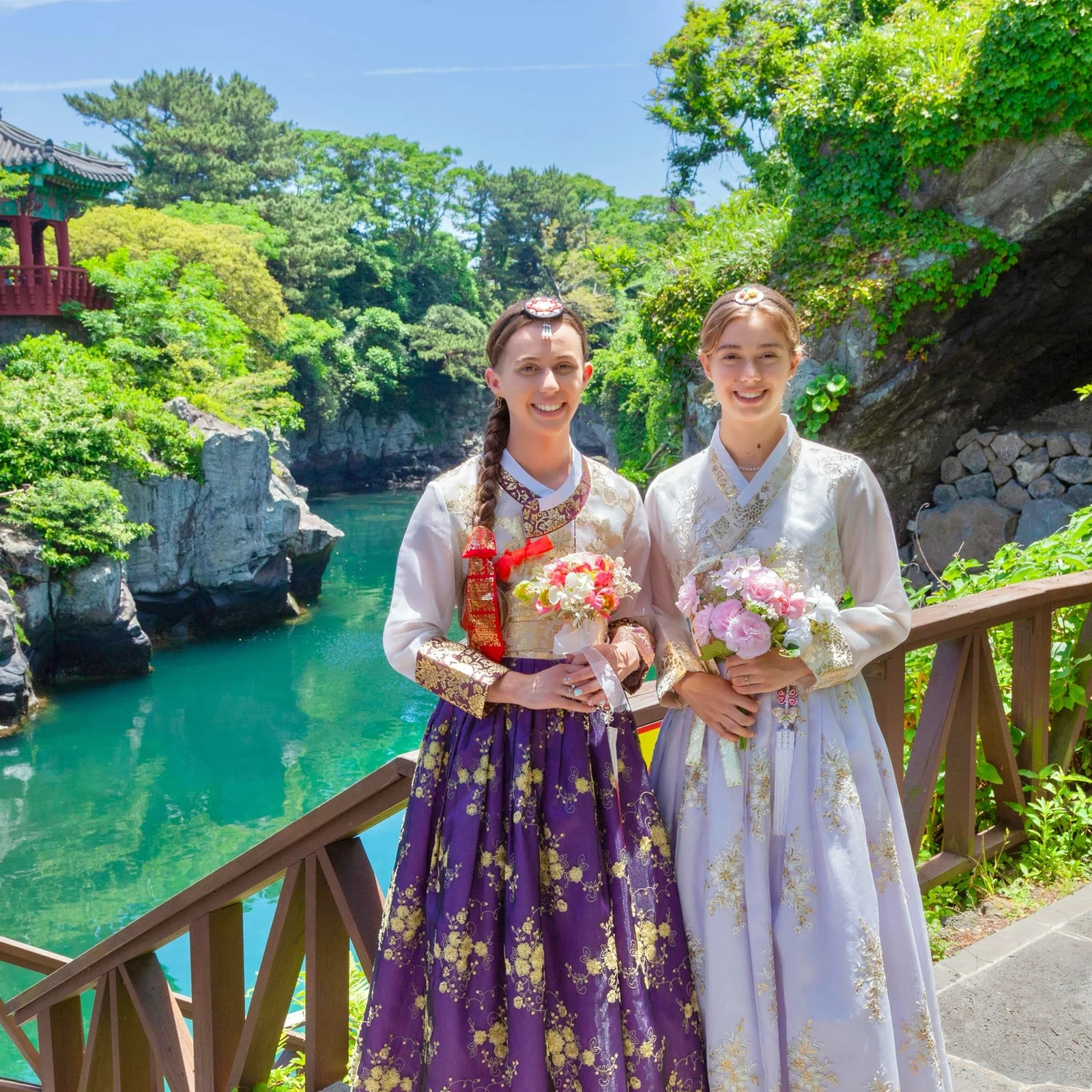
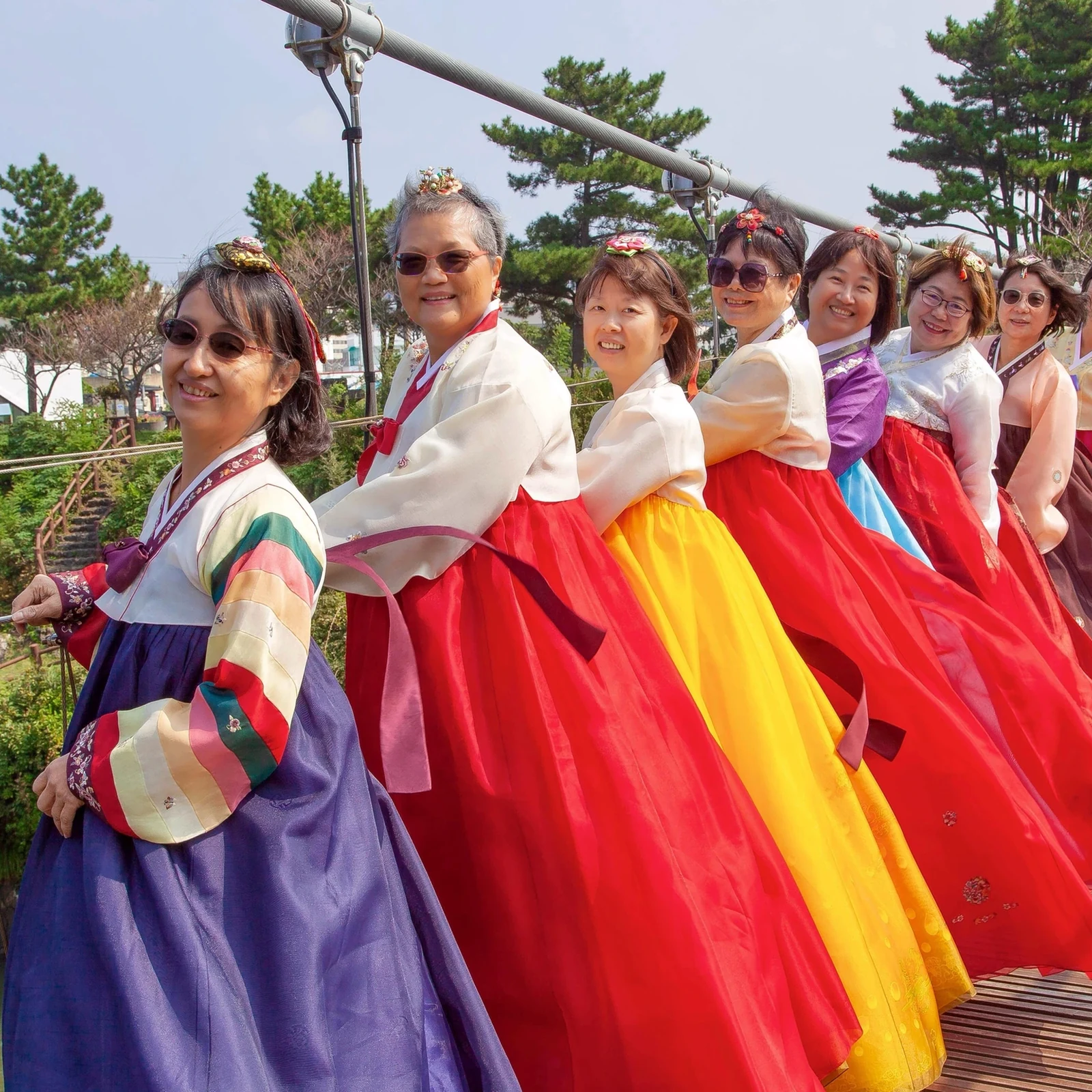
Book a private hanbok photoshoot in Jeju with a professional photographer, premium rental and a cultural walk to Yongyeon Pond.
 Activity on TourBookGo
Book a hanbok rental in Jeju with premium designs, accessories, dressing assistance, basic hairstyling and a private indoor photo zone near the airport.