 Activity on TourBookGo
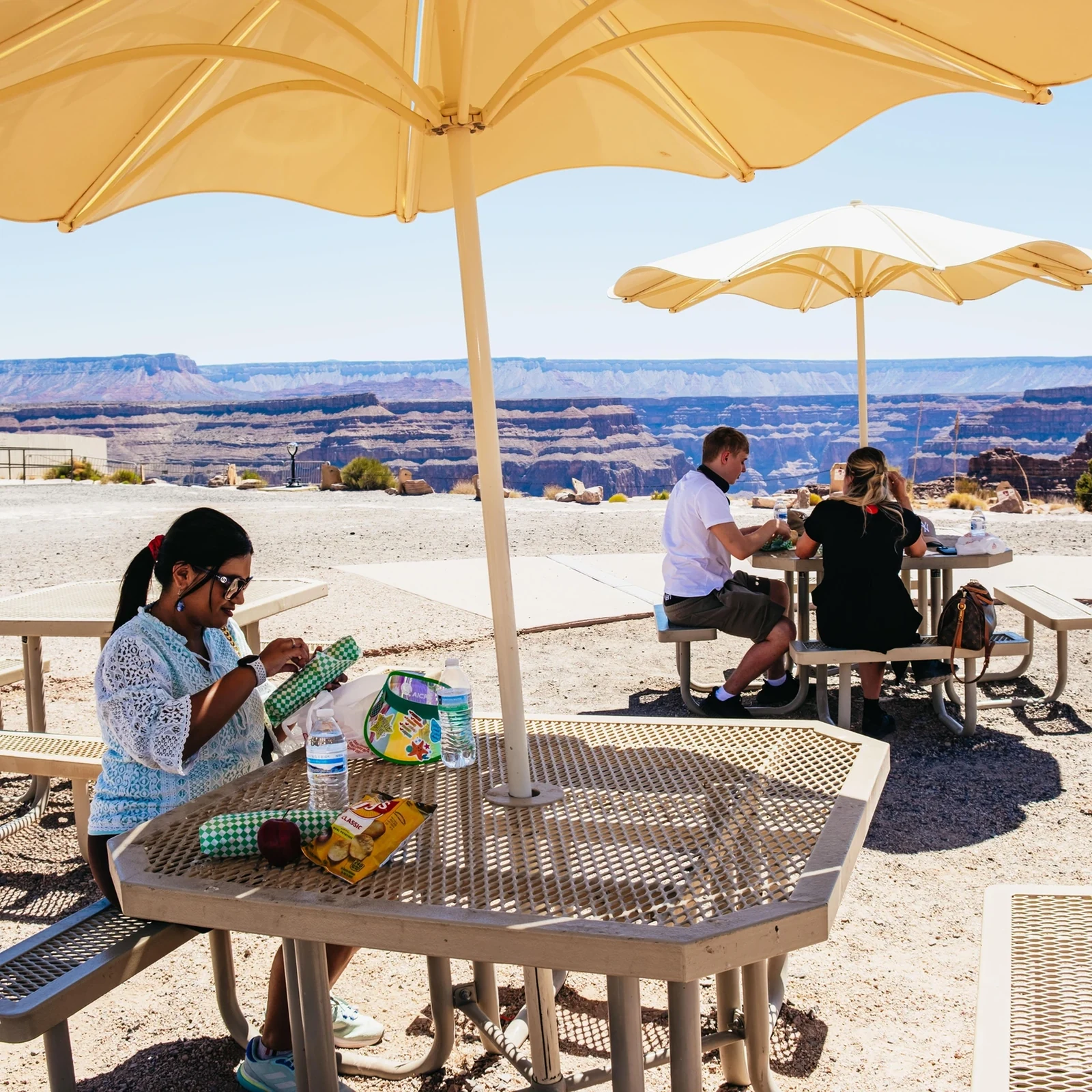
Grand Canyon West Tour from Las Vegas and Hoover Dam
Book a Grand Canyon West tour from Las Vegas: 10.5 hours with Eagle Point, Guano Point, Hoover Dam views, onboard WiFi and optional Skywalk.
Las Vegas safety is largely about staying aware: the Strip and Fremont Street are busy tourist areas, but alcohol, scams, traffic, and extreme heat still require sensible precautions.
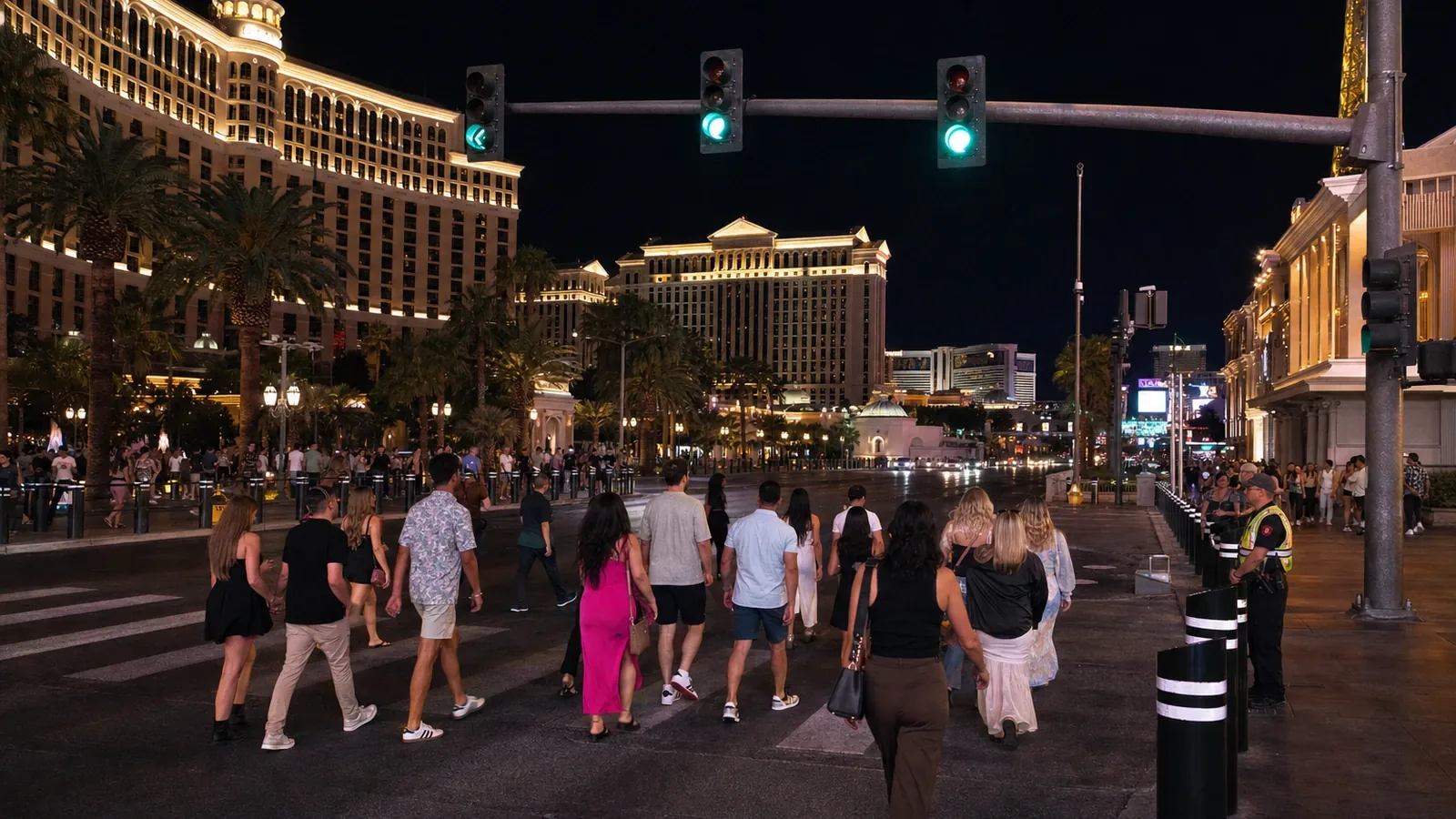
Las Vegas safety does not mean giving up the city’s energy. Las Vegas seems designed to erase the boundary between day and night: beneath casino ceilings, it never gets completely dark, while outside, neon lights blur the passing hours as crowds move through music, fountains, drinks, and promises of fortune. That energy can be fascinating, but it also makes distraction more likely. Generally speaking, safe travel in Las Vegas is possible throughout the main tourist areas with ordinary precautions. The Strip and the area around Fremont Street have a police presence, private security, surveillance cameras, and a constant flow of visitors. However, being monitored does not mean an area is free from pickpocketing, harassment, scams, or alcohol-related incidents. Local police place particular emphasis on protecting phones, wallets, and bags in crowded places. The city does not usually call for fear, but it does require awareness. At times, extreme heat, traffic, or a night of excess may pose a more likely danger than violent crime.
Compare locations and options to find a base that suits your trip. Booking.com confirms current availability and pricing.
Find accommodation on BookingThe central section of the Strip has the highest concentration of hotels, casinos, restaurants, and shows. There is activity at almost every hour, although some stretches may become quieter in the early morning. Fremont Street Experience also draws large numbers of visitors, street performers, and security staff.
Rather than dividing Las Vegas into “safe” and “dangerous” neighborhoods, it is more useful to distinguish between two types of environment: main streets that are well lit and busy; and parking lots, service entrances, vacant lots, and side streets with little foot traffic.
Just a few minutes from an avenue flooded with light, you may find a silent area with no open businesses and little appeal for walking. Avoid improvising shortcuts between hotels, and do not assume that two visible buildings are close together: distances on the Strip can be deceptive.
The most sensible recommendation is to stay on familiar routes, check your journey before setting out, and use transportation whenever the route crosses isolated areas. The tourist police also advise visitors to plan their route and remain aware of their surroundings.
The Strip remains fairly busy at night, so walking through its central sections is generally reasonably comfortable. The risk increases when fatigue, alcohol, large crowds, and distracted phone use are combined.
Opportunistic theft is a more realistic concern than the dramatic scenarios some people imagine. Keep your wallet in a front pocket, do not hang your bag over the back of a chair, and avoid displaying expensive jewelry. Police also warn about phones being stolen when they are held carelessly in the hand.
Keep an eye on your drink. Accept drinks only from venue staff, never leave them unattended, and order a new one if you have lost sight of your glass. If you feel dizzy, disoriented, or inexplicably unwell, immediately alert someone you trust or a member of the security staff.
Do not walk back alone through empty streets. A pleasant stroll along Las Vegas Boulevard can turn into an uncomfortable walk once you leave the tourist corridor. When returning to your hotel late at night, especially after drinking, it is preferable to take a taxi or book a ride through a reputable platform.
Do not invite strangers to your room. Do not share your room number, do not open the door for services you did not request, and confirm any unexpected visitor with reception. Police also recommend using the additional door locks and keeping valuables in the safe.
Las Vegas thrives on spectacle, but not every performance is harmless.
On the Strip and Fremont Street, you may encounter costumed characters, photographers, club promoters, vendors, or people who hand you an item and then demand money. Taking a photo with a street performer usually implies a tip, but no one has the right to intimidate you or impose a specific amount. Police remind visitors that they are not required to pay performers, distributors, vendors, or promoters who approach them on the street.
Be wary of food flyers slipped under the door. Some hotels receive unsolicited advertising from fake delivery businesses whose aim may be to obtain credit card details. Give the flyer to security and ask the hotel directly for recommendations.
Be wary of calls requesting banking information. Hotel staff should not call after check-in to ask for your card details or personal information again. Hang up and contact reception yourself.
Be wary of offers from escorts or “models.” Local authorities warn that visitors have been robbed, scammed, or assaulted after contacting supposed escort services. The combination of strangers, cash, and a private hotel room can end very far from the fantasy being advertised.
A woman can visit Las Vegas alone and enjoy the trip, but the city rewards planning more than late-night spontaneity.
Staying at a hotel with a staffed reception desk, a busy lobby, and indoor access to restaurants can reduce the need to travel alone. It is also advisable to tell someone about your plans for the evening, limit your alcohol consumption, and decline invitations that involve going to a hotel room or leaving the venue with someone you have just met.
In clubs and bars, the risk does not come only from the street. An elegant atmosphere can create a false sense of security. Keeping an eye on your drink, not revealing your room number, and approaching security if someone behaves persistently are reasonable precautions, not signs of paranoia.
Families generally find safety and convenience inside the large resorts, but Las Vegas is not always easy with young children. Walking distances are long, crowds can be intense, and exposure to alcohol, smoke, or adult-oriented advertising may be uncomfortable.
There are also curfew rules for people under 18 in certain areas and at certain times, with specific restrictions on the Strip during weekends and public holidays. Families traveling with teenagers should check the current rules and avoid allowing minors to walk around alone at night.
The greatest danger for families during summer is the heat. A child should never be left inside a vehicle, even for a few minutes.
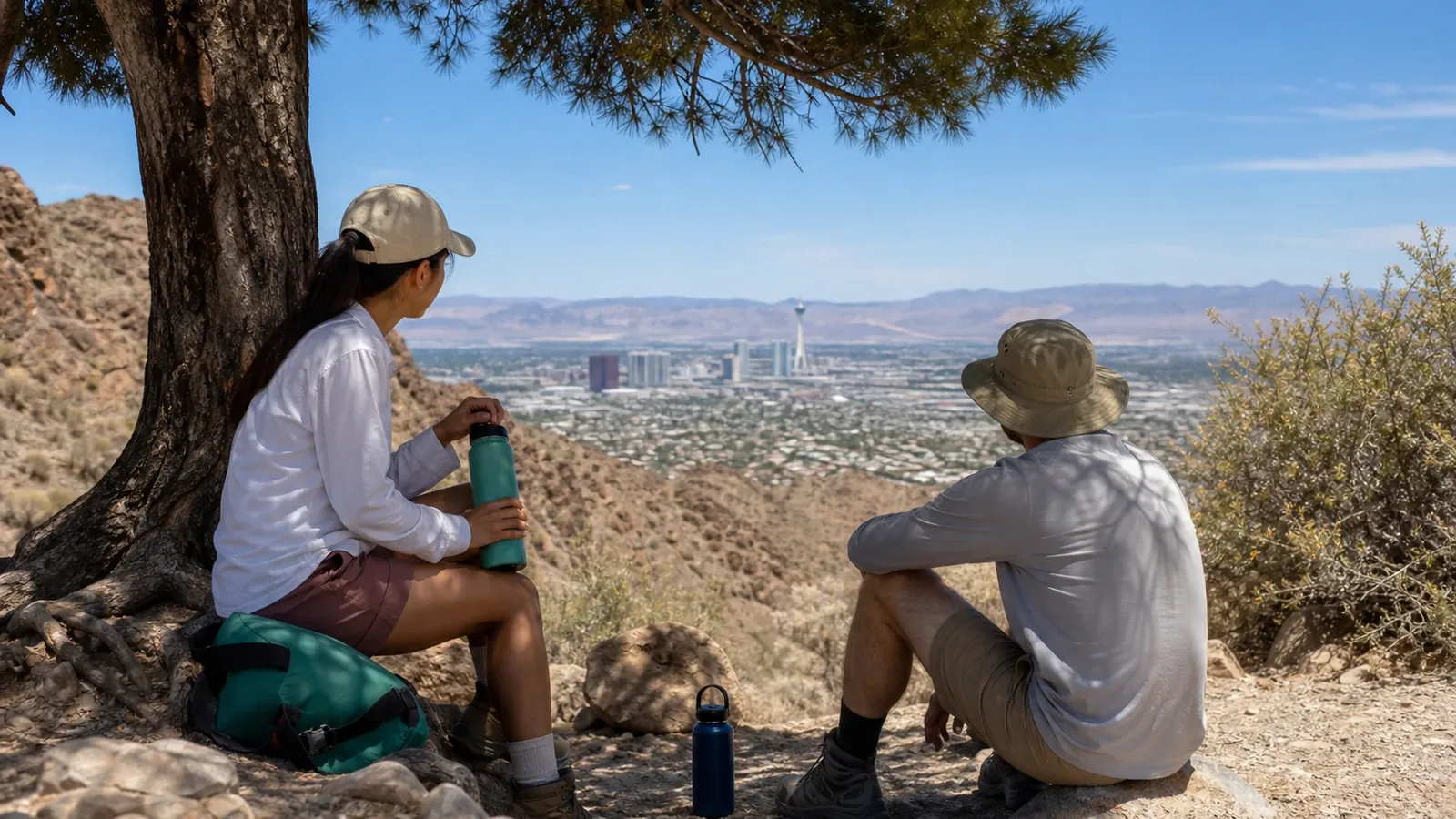
The Las Vegas sun is not merely part of the scenery. During extreme heat events, temperatures in the Mojave Desert can reach dangerous levels, with nighttime bringing little relief. The National Weather Service warns of a significant increase in heat-related illness and recommends limiting outdoor activity, staying hydrated, and seeking air-conditioned spaces.
Walking several miles between hotels at midday, after drinking alcohol and without enough water, can lead to exhaustion, confusion, or heatstroke. In summer, plan outdoor journeys for dawn or after sunset.
From late June to mid-September, monsoon storms, flash floods, lightning, and dust storms may also occur. Never drive or walk through a flooded road or enter drainage channels, even if the water appears shallow.
Las Vegas avenues are wide, and traffic moves quickly. The city’s Vision Zero plan acknowledges that pedestrians, cyclists, and motorcyclists are disproportionately represented in serious crashes.
Use pedestrian bridges and marked crossings, obey traffic lights, and do not cross between vehicles. After drinking, your ability to judge distance and speed becomes impaired. In Las Vegas, an avenue that looks close may require several road crossings, escalators, and long elevated walkways.
Yes, for most travelers who take basic precautions. The city is accustomed to receiving visitors, and its major resorts have extensive security. However, it is not a place where you should completely abandon common sense.
Las Vegas may be less suitable for people who feel uncomfortable in crowds, around visible alcohol consumption, constant noise, or persistent approaches from strangers on the street. Those planning to walk for hours in the height of summer or improvise intense nights without managing their drinking, transportation, and return to the hotel should also think twice.
The best way to enjoy Las Vegas is not to distrust everything, but to preserve a small measure of clear judgment amid the glare. Protecting your phone, watching your drink, avoiding isolated shortcuts, and respecting the heat are usually enough to keep the city in the realm of fascination rather than trouble.
In an emergency, call 911. For non-emergency situations, the Metropolitan Police Department can be reached by dialing 311 from local lines or 702-828-3111.
Discover selected experiences in Las Vegas to complete this guide with shows, viewpoints, nightlife, adventure and well-organised day trips.
Activity on TourBookGoBook a Grand Canyon West tour from Las Vegas: 10.5 hours with Eagle Point, Guano Point, Hoover Dam views, onboard WiFi and optional Skywalk.
 Activity on TourBookGo
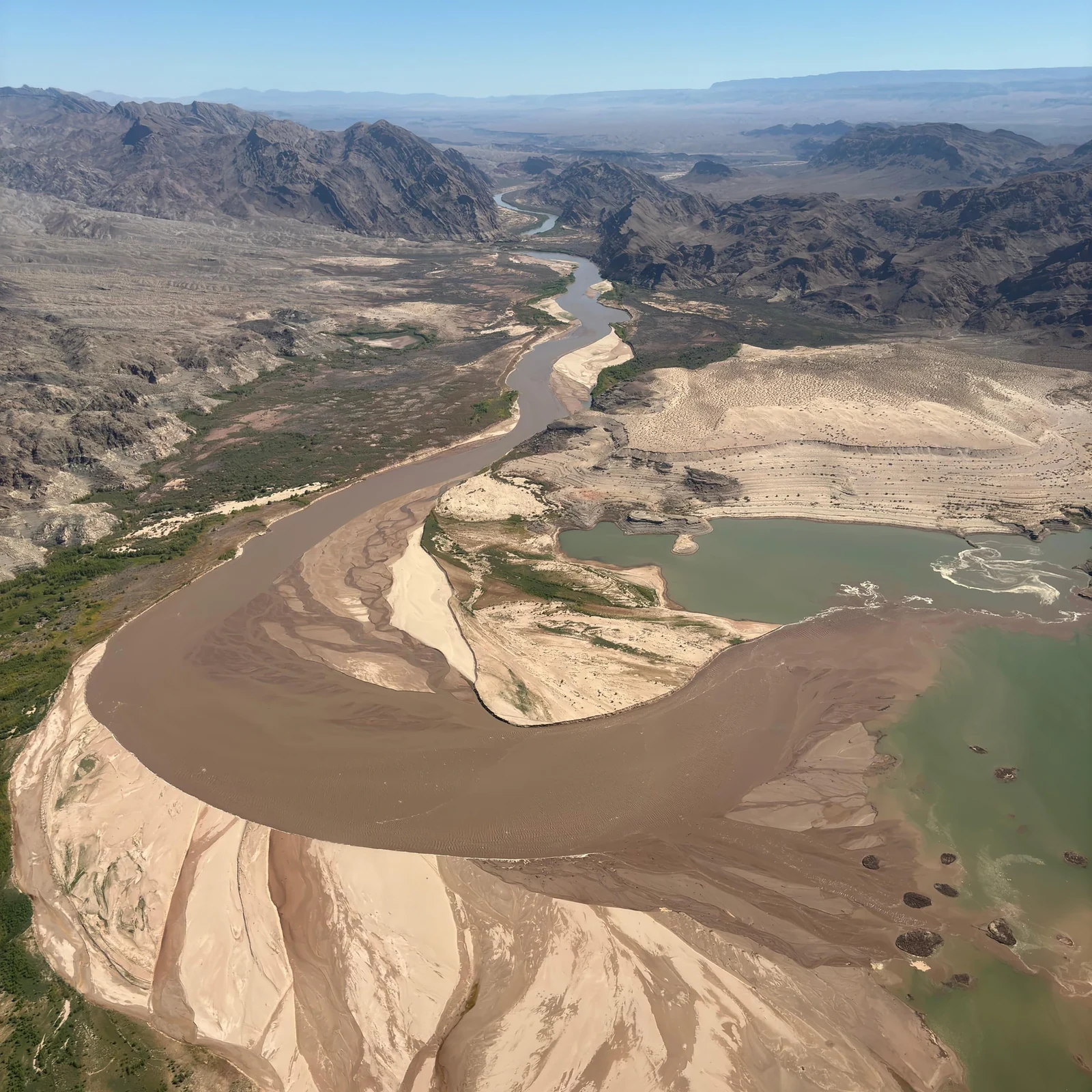
Grand Canyon helicopter tour from Las Vegas with Hoover Dam views, a Grand Canyon West landing, Champagne, and scenery near the Colorado River.
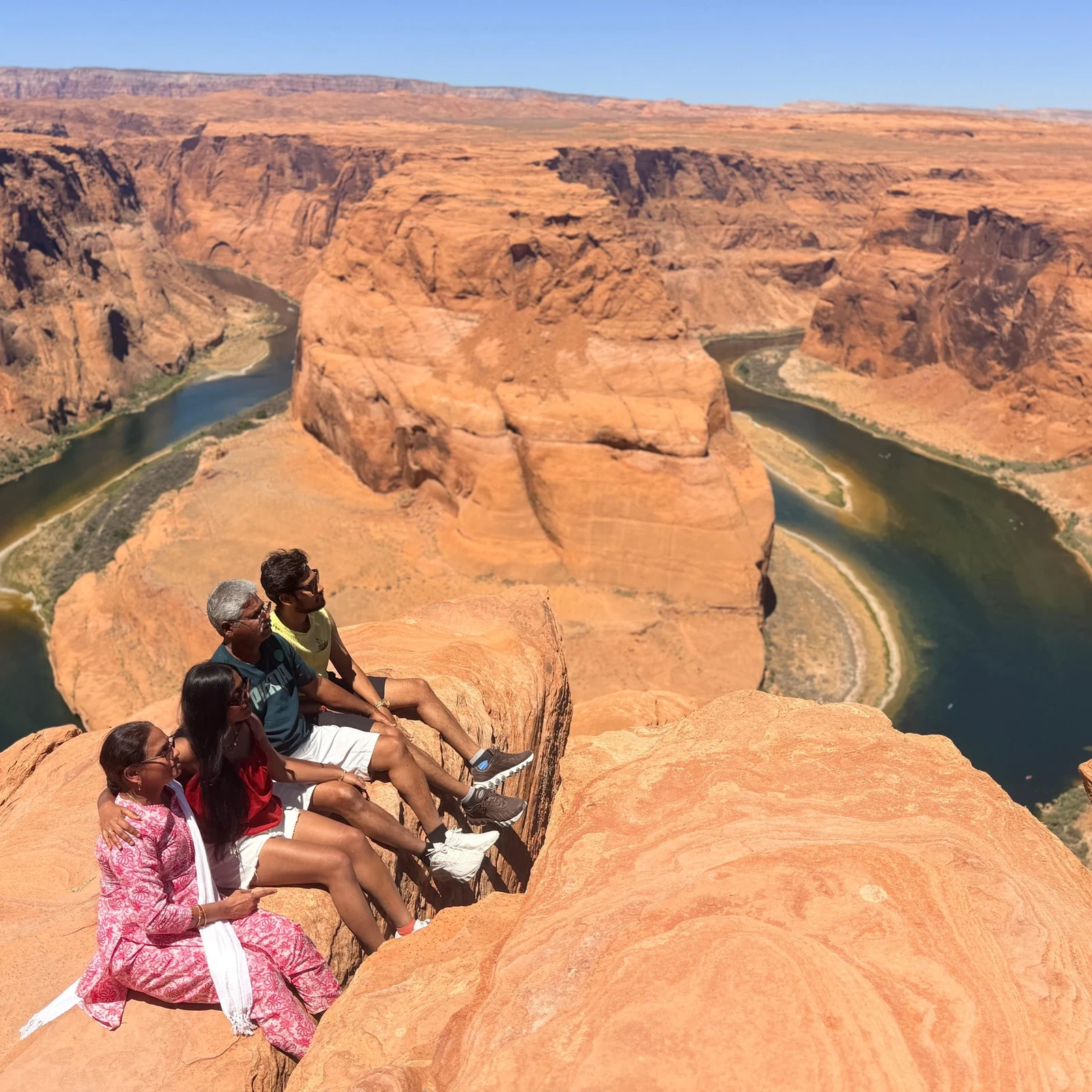 Activity on TourBookGo
Book an Antelope Canyon and Horseshoe Bend tour from Las Vegas: around 15 hours with coach transport, Navajo guide, admission, lunch and WiFi.