

Book your Tower of London and Crown Jewels ticket, explore the fortress at your own pace and visit historic exhibitions. Free cancellation up to 24 hours.
View experienceHow to get around London: the best option for most travellers
For most visits, the easiest formula is to combine London public transport with short walks. The London Underground is fast for long distances, London buses let you see the city, the Elizabeth line is very useful for some east-west journeys and from Heathrow, and walking works especially well in central areas where stations look close together but the Tube map can be misleading.
The Transport for London network lets you pay with a contactless card, mobile device or Oyster card on a pay as you go basis, without needing to buy individual tickets for each journey. For visitors, that simplicity makes the first day feel much less confusing.
The most practical formula is to combine the Tube, buses and short walks within each area.
London Underground: fast, useful and not always pleasant
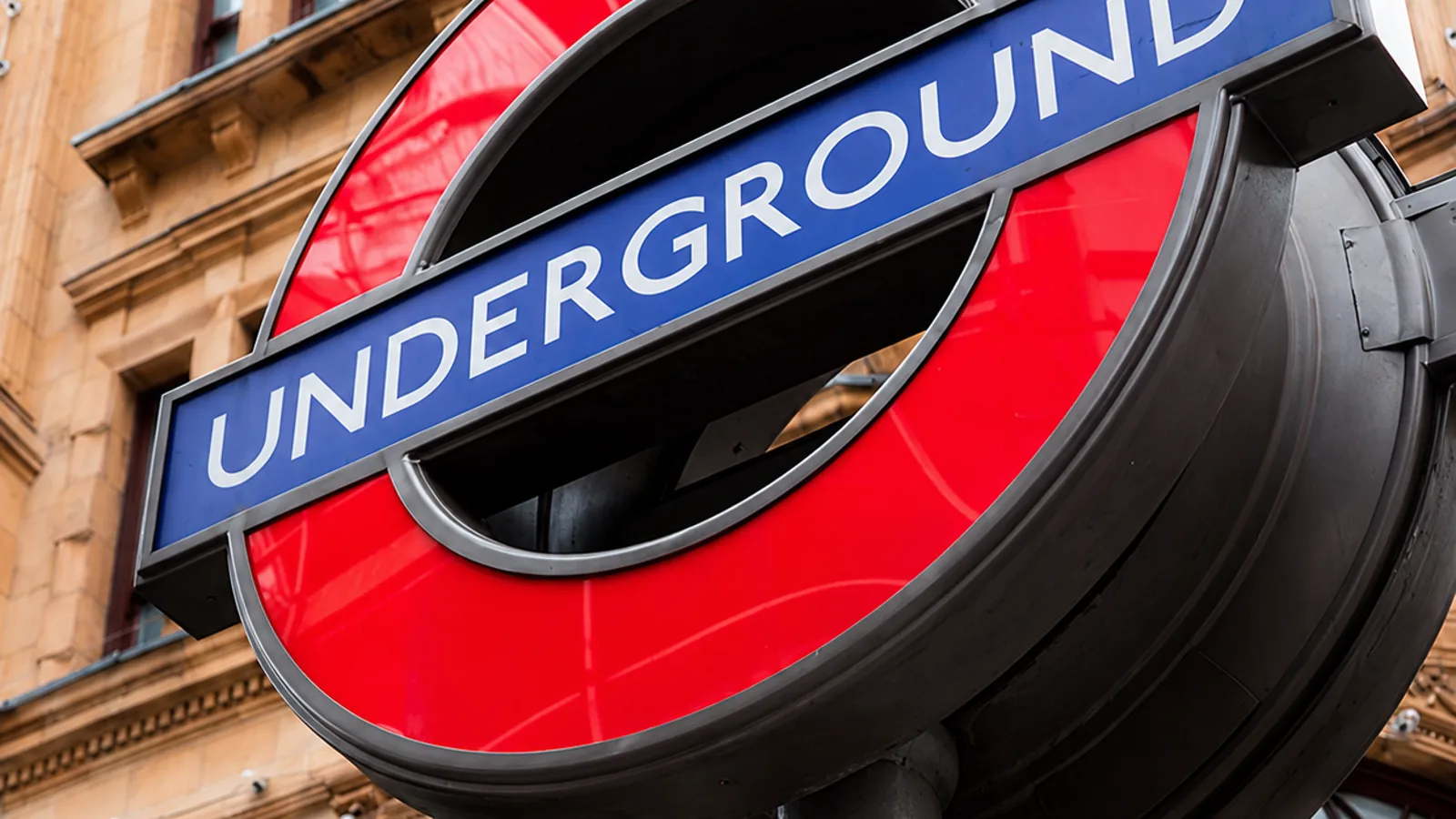
The Tube is London’s great underground skeleton. It gets you from Notting Hill to Westminster, from King’s Cross to South Kensington or from Liverpool Street to the museum district without losing half the morning. It is especially useful when it rains, when it is cold or when distances become too long.
But it should not be romanticised. At peak times it can feel overwhelming, some lines are hot even on cool days, and not all stations are convenient with suitcases, pushchairs or reduced mobility. Besides, in central London there are journeys that seem to call for the Tube but are actually better done on foot: Covent Garden–Leicester Square, Oxford Circus–Bond Street or Westminster–St James’s Park are classic examples.
In central London, some stations are so close that walking can be faster and more pleasant than taking the Tube.
London buses: slower, but far more visual
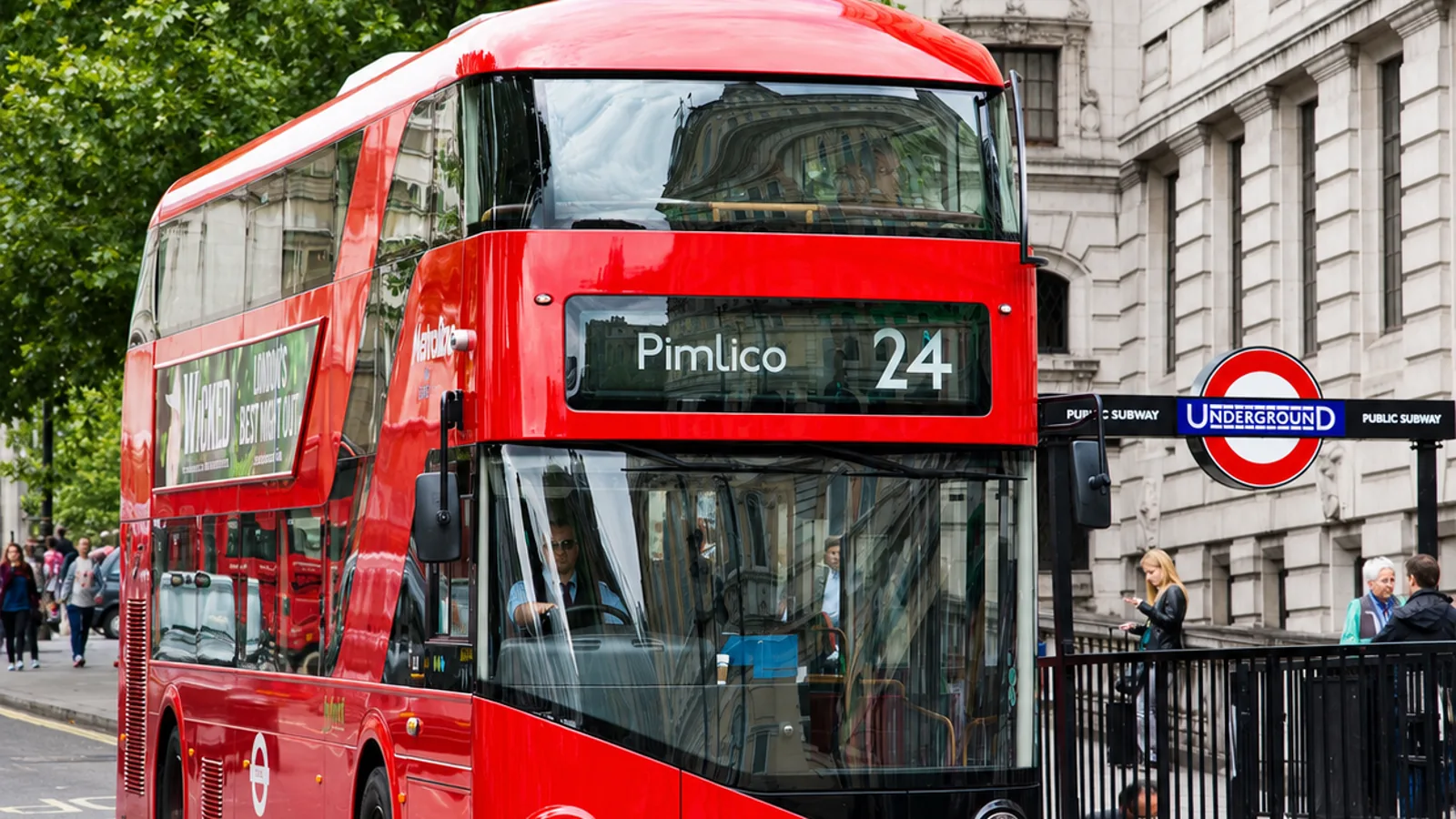
London buses offer something the Tube cannot: the city itself. From the upper deck, you see shop windows, parks, pubs, brick façades, glass offices and neighbourhoods that change character within minutes.
They are not always the fastest option. Traffic can make a short journey drag on, especially in the centre. But for travellers in no hurry, or for scenic routes between Westminster, Chelsea, Kensington, Camden or Shoreditch, the bus can become a small urban excursion.
An adult pay as you go bus or tram fare costs £1.75, with a daily cap of £5.25; in addition, the Hopper fare allows unlimited bus and tram journeys within one hour of the first tap, using the same payment method.
The bus does not always save time, but it helps you understand how London changes from one neighbourhood to another.
Walking in London: essential, but with a plan
London is a wonderful city to enjoy on foot, although its size should not be underestimated. The centre is full of rewarding routes: from Westminster to Trafalgar Square, from Covent Garden to Soho, from the South Bank to Tower Bridge, from Hyde Park to Kensington Gardens. It is on these walks that the most memorable London appears: street musicians, bookshops, quiet cafés, Georgian doorways, markets and the river changing colour with the sky.
The usual mistake is planning the day as if everything were close together. London looks compact on a tourist map, but walking without a strategy can end in needless exhaustion. The best approach is to group visits by area: Westminster and the South Bank on one day, the South Kensington museums on another, Camden and Regent’s Park as another block, Shoreditch and the City in the same day.
Grouping visits by area helps you walk better, get less tired and enjoy more.
Do you need to rent a car in London?
No. For visiting London, renting a car is usually a bad idea. Parking is expensive and scarce, traffic can be maddening, and driving on the left adds stress for anyone not used to it. In addition, entering certain areas can involve charges.
The Congestion Charge requires a daily payment of £18 if you drive within the congestion zone during charging hours, and the ULEZ operates across all London boroughs, 24 hours a day, every day except Christmas Day; if the vehicle does not meet emissions standards, a daily charge of £12.50 applies.
A car only makes sense if you are leaving London for rural areas or specific routes outside the metropolitan area. Even for day trips to Oxford, Cambridge, Windsor or Brighton, the train is usually more convenient.
For visiting London, a car usually adds cost, stress and complications.
Heathrow to London: Elizabeth line, Piccadilly line and transfers
From Heathrow, the Elizabeth line is one of the most balanced ways to reach London: it connects the airport with areas such as Paddington, Bond Street, Tottenham Court Road, Farringdon, Liverpool Street and Canary Wharf. The journey between Paddington and Heathrow takes around 28 minutes, and there are six trains per hour to the airport.
The Piccadilly line is usually cheaper, although slower and less comfortable with luggage. Taxis and private transfers can be worthwhile when travelling in a group, with small children or with lots of bags, but for solo travellers they are almost always more expensive.
The Elizabeth line often strikes a good balance between time, comfort and connections across London.
Cycling in London: a lovely idea, not always easy
London has improved greatly for cyclists, and on dry days it can be a beautiful way to explore parks, canals and quieter stretches along the river. Santander Cycles offer hire from £1.65 for short journeys, with different fares for e-bikes.
Even so, it is not an option for everyone. The traffic can be intimidating, some routes require confidence, and it is best not to launch into major avenues without experience. For beginners, protected cycle lanes, parks and areas along the Thames are better choices.
For beginners, protected cycle lanes, parks and quieter areas along the Thames are better choices.
Getting around London at night
London does not shut down early, but transport changes pace. The Night Tube runs on Friday and Saturday nights on the Central, Jubilee, Northern, Piccadilly and Victoria lines, although it is worth checking the service status before going out.
During the week, night buses and taxis or ride-hailing/private hire vehicles cover many journeys, but distances can be long. At night, staying somewhere well connected is worth more than saving a few euros in a neighbourhood that is too far out.
At night, staying somewhere well connected can matter more than saving a little on accommodation.
Common mistakes when using public transport in London
The first mistake is paying for individual paper tickets unnecessarily. For most visitors, contactless or Oyster makes the experience much simpler and avoids wasting time at ticket machines.
The second is trying to cover too many areas in one day. Going to Greenwich in the morning, then Camden, then Kensington and finishing in Shoreditch may seem possible, but it leaves little time to enjoy anything.
The third is failing to check for works, delays or weekend closures. In London, especially on Saturdays and Sundays, some lines may be interrupted for maintenance. The official TfL Go app shows real-time service status for the Tube, Overground, Elizabeth line, DLR and trams.
Check service status before heading out, especially on weekends.
So, what is the best way to get around London?
The most sensible formula is simple: Tube or Elizabeth line for long distances, bus when you want to see the city, walks within each neighbourhood and taxis only for specific situations. London rewards travellers who do not try to take in everything at once.
Getting around the city well does not mean going faster, but getting less tired and looking more closely. Because London is not only in its monuments: it is also in that slow ride through Marylebone, in a Tube exit onto an unexpected square, in the reflection of a red bus on wet pavement.