Where to Eat in Melbourne: Best Neighbourhoods, Markets and Local Food
To discover where to eat in Melbourne, follow the smell of coffee, wander through its markets and let each neighbourhood lead you to a different cuisine.
Where to Eat in Melbourne: A Neighbourhood-by-Neighbourhood Guide
If you are wondering where to eat in Melbourne, the best answer is not a single restaurant or one signature dish. It is sitting over a coffee while the rain polishes the pavement, stepping into an Asian eatery hidden behind an unassuming façade, wandering among cheeses, breads and fruit at a market, or crossing half the city for a bowl of noodles that costs considerably less than an elegant dinner in the centre.
That is precisely Melbourne’s great culinary strength: there is no single cuisine that defines it. Its identity has been shaped by migration, neighbourhoods and generations of Italian, Chinese, Vietnamese, Greek, African and many other families. This mix exists alongside an exceptionally deep-rooted coffee culture and a contemporary food scene that is constantly evolving.
More than any single dish, what feels truly Melburnian is eating across cultures.
Chinatown combines atmosphere, dumplings, noodles and excellent value.
The best places to eat in Melbourne often appear when you leave room for curiosity.
Booking.com
Accommodation in Melbourne
Compare locations and options to find a base that suits your trip. Booking.com confirms current availability and pricing.
Searching for “the typical Melbourne dish” can be slightly disappointing: the city becomes far more interesting once you stop looking for one.
The food experience here is made up of layers.
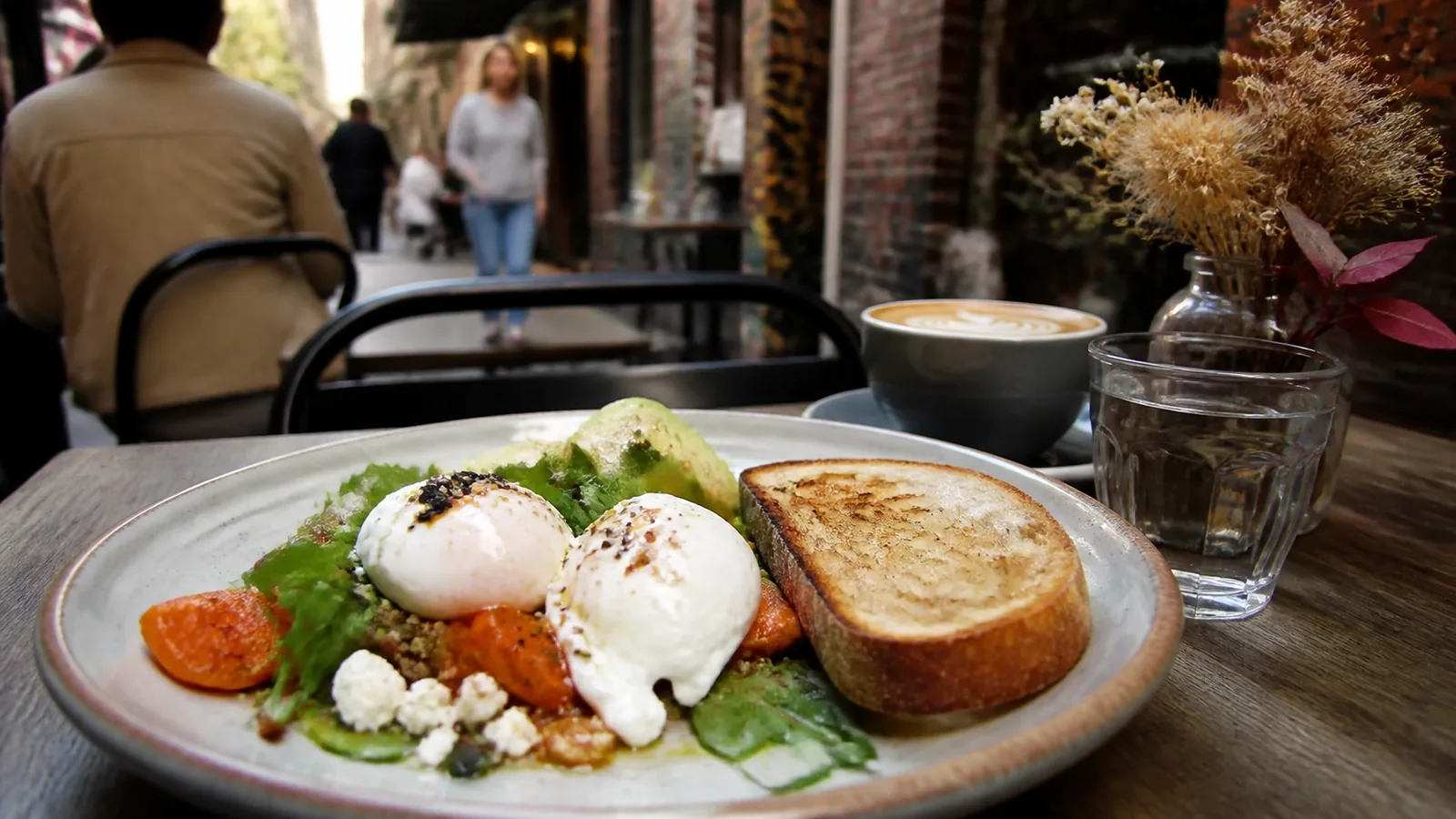
In the morning, there are cafés, espresso, flat whites, sourdough bread, eggs and leisurely breakfasts that stretch on without any rush. Coffee culture extends far beyond the city centre, with neighbourhoods such as Carlton, Richmond, Fitzroy, Prahran, South Melbourne and St Kilda packed with cafés that have personalities of their own.
Then come the cuisines Melbourne has embraced as part of everyday life: dumplings and yum cha in Chinatown, Italian pasta and pastries in Carlton, pho and other Vietnamese specialities in the west, as well as African, Indian, Chinese and Middle Eastern restaurants scattered across different neighbourhoods.
More than any particular dish, what is truly Melburnian is eating multicultural food.
Melbourne CBD and laneways: coffee and food in the city centre
In the city centre, food hides between buildings.
Degraves Street, Centre Place and the narrow lanes running through the CBD are packed with cafés, small restaurants, bars and tiny venues that seem to squeeze kitchens into spaces where one should barely fit. The laneways are constantly being refreshed with new cafés and restaurants, which means a specific recommendation can become outdated long before the neighbourhood itself does.
It is a good area for a first morning in Melbourne and for understanding the city’s obsession with coffee.
But it has one limitation: this is the most photographed side of Melbourne’s food scene. Some venues trade as much on their location as on what they serve. Don’t mistake a pretty terrace for a guarantee of good food.
Chinatown Melbourne: dumplings, atmosphere and great value
Little Bourke Street and the surrounding streets form one of the easiest food districts to recommend.
Melbourne has a historic Chinatown here, filled with Chinese restaurants, dumplings, yum cha, hot pot and small eateries tucked away inside arcades and on upper floors. The selection also extends to Korean, Japanese and other Asian cuisines.
For travellers on a moderate or tighter budget, it can be an especially smart choice: sharing dumplings, noodles or several dishes is often far more rewarding than spending the same amount on a mediocre meal beside a tourist attraction.
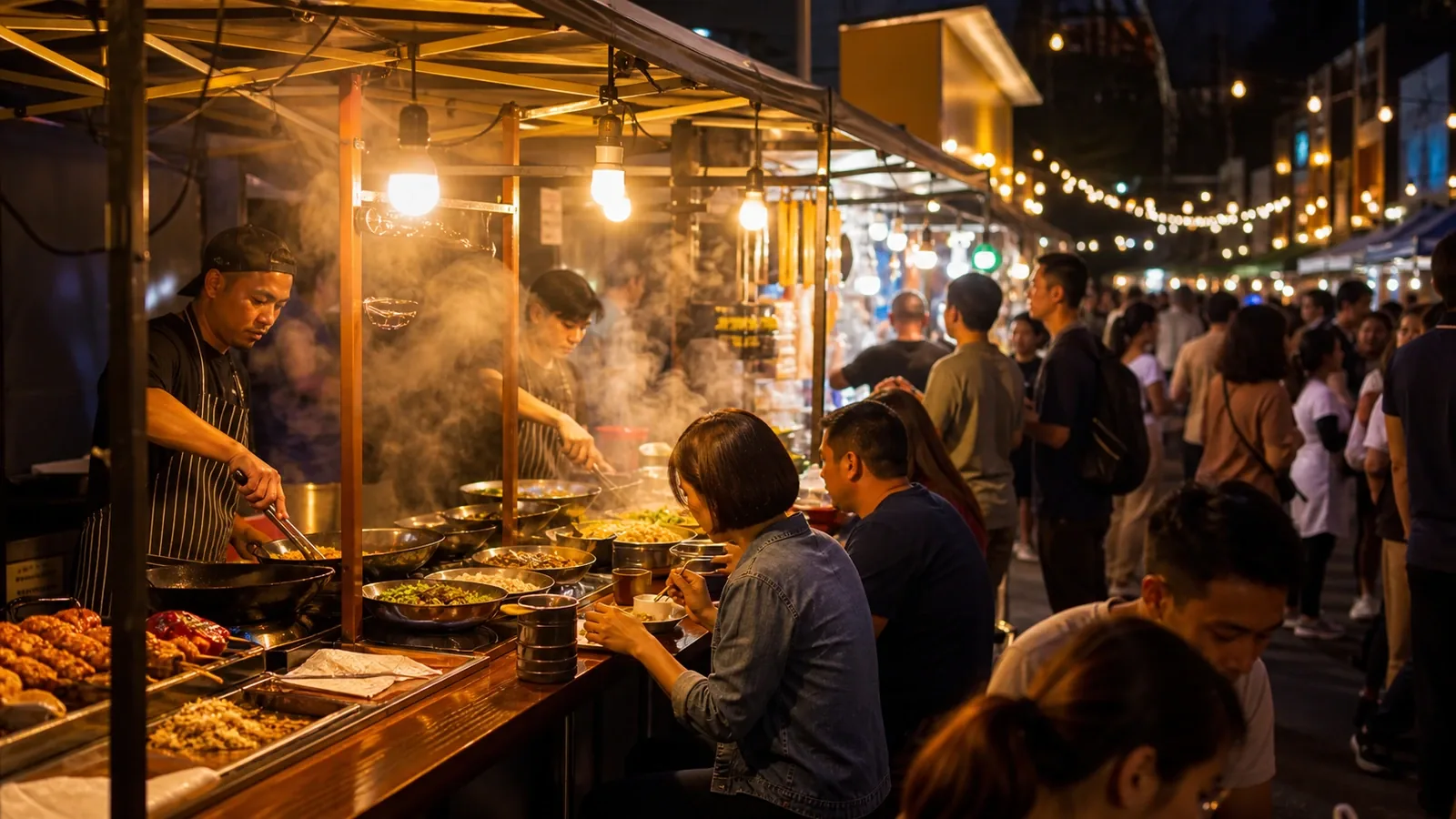
And there is something especially enjoyable about eating here at night: lanterns, neon lights, doors opening onto narrow staircases and the constant hum of Little Bourke Street.
Carlton and Lygon Street: pasta, pizza and Melbourne’s Italian legacy
Lygon Street has a long and important connection with Italian immigration and the development of Melbourne’s café culture. Pasta, pizza, gelato and pastries are still part of Carlton’s landscape, although today the street is far more diverse than its “Little Italy” label might suggest.
It is worth visiting, but choose carefully.
Lygon Street attracts plenty of visitors and has an enormous concentration of restaurants. That means quality varies. Instead of automatically choosing the most visible restaurant or the one with the busiest terrace, look at what people are eating, check the menu and compare a few options.
The neighbourhood is more interesting when you explore it than when you consume it as an attraction.
Fitzroy and Collingwood: cafés and restaurants with personality
North of the CBD, Fitzroy and Collingwood have a different feel: independent cafés, bakeries, small restaurants, bars and more creative concepts line Brunswick Street, Gertrude Street, Smith Street and the surrounding side streets. Victoria’s own tourism authority highlights the abundance of restaurants and cafés around these areas.
It is particularly appealing to travellers who value the atmosphere of a neighbourhood as much as the food itself.
This is a good place to improvise.
Footscray: Vietnamese food and multicultural Melbourne
If you only eat in the CBD, you will experience an incomplete version of the city.
Footscray, in Melbourne’s west, combines a strong Vietnamese food tradition with a wide range of other international cuisines and generally offers better value than the more tourist-oriented parts of the city. Melbourne’s official guide specifically highlights the area’s broad selection, from pho and Vietnamese food to contemporary dining.
This is not the polished Melbourne of postcards. It is more everyday, more chaotic and, from a food perspective, far more revealing.
If you enjoy discovering a destination through the neighbourhoods where people actually live, it is worth making the trip.
Queen Victoria Market: what to eat and how to visit
Queen Victoria Market is the obvious choice, but that does not make it a bad one.
Its stalls include butchers, delicatessens, fresh produce and prepared food, alongside market classics such as hot jam doughnuts. Today you will also find Malaysian, Cantonese and other international food stalls.
Come hungry and do not feel you need to sit down for a formal meal. Sampling several small things works better.
Opening days and hours vary, so it is worth checking the market’s information before planning your visit around it.
South Melbourne Market: local flavour in a neighbourhood market
This one feels slightly more like a neighbourhood market. It combines fresh produce, cafés, specialist food shops, a food hall and restaurants, and has been part of South Melbourne since the 19th century.
It is a good alternative for travellers who enjoy looking at ingredients, traders and local life more than simply collecting photographs.
Prahran Market: fresh produce and gourmet food
Prahran is another excellent option for travellers who are genuinely passionate about food. It has a particularly strong focus on fresh and gourmet produce, with specialist traders and stalls where you can eat inside the market itself.
If food is a major part of your trip, you may find it more rewarding than adding yet another conventional attraction to your itinerary.
What to eat in Melbourne: coffee, dumplings, pho and markets
I wouldn’t try to tick off a list as though you were collecting cards. But I would seek out a few experiences:
a really good coffee, prepared with care;
brunch in a residential neighbourhood;
dumplings or yum cha in Chinatown;
pho or Vietnamese food in Footscray;
pasta, pizza or an Italian sweet treat in Carlton;
something freshly prepared at Queen Victoria Market;
good Australian produce — seafood, cheeses, breads and seasonal fruit — at one of the markets.
And I would make sure at least one meal was somewhere I had never seen on social media.
Melbourne rewards curiosity.
Where to eat cheaply in Melbourne without sacrificing quality
Strategy matters more than chasing a list of cheap restaurants.
Chinatown is excellent for dumplings, noodles and shared dishes. Footscray is often superb for Vietnamese and other international cuisines at more affordable prices. Queen Victoria Market lets you turn several small bites into an informal lunch. And bakeries, small cafés and neighbourhood eateries usually offer better options than areas aimed primarily at visitors.
The worst money-saving strategy is often sitting down, simply because you are tired, at the first restaurant opposite a major attraction.
Food mistakes to avoid when choosing where to eat in Melbourne
The first would be eating in the CBD all the time. There are excellent restaurants in the city centre, but much of Melbourne’s culinary personality lives in its neighbourhoods.
The second would be confusing popularity with quality. A queue may lead to something extraordinary — or simply to somewhere that has become famous online.
The third would be spending the entire budget on sophisticated dinners. Melbourne has an important fine-dining scene, but some of your best food memories may cost far less: coffee, freshly baked bread, dumplings, pho or market food.
And the fourth would be following such a rigid list that there is no room left to discover anything.
Does Melbourne’s food experience change with the seasons?
Yes, even though the restaurants remain open.
In the warmer months, terraces, markets and the streets of neighbourhoods such as Fitzroy, Carlton and South Melbourne are much more enjoyable. In winter, Melbourne takes on a different character: light rain, early evenings, fogged-up windows and small cafés and restaurants that feel particularly inviting.
The weather can change several times in a single day, so it is best not to plan a food itinerary that depends entirely on terraces or outdoor activities.
Where to eat in Melbourne on a first visit: my route
I would do four things.
I would have coffee and breakfast in a laneway or in Fitzroy. I would eat dumplings in Chinatown. I would save another meal for Carlton or a contemporary restaurant in one of the inner neighbourhoods. And I would set aside half a day to explore Queen Victoria Market or South Melbourne Market.
If I had more time, I would head over to Footscray.
Because the further you move away from the Melbourne designed for visitors, the more clearly you understand something essential about the city: its food is not contained within a national dish or a famous street. It is spread across communities, markets, cafés and entire neighbourhoods.
And that is precisely where much of its appeal lies.
C
DiscoverCars
Car rental
Compare prices and book your rental car at the best price.
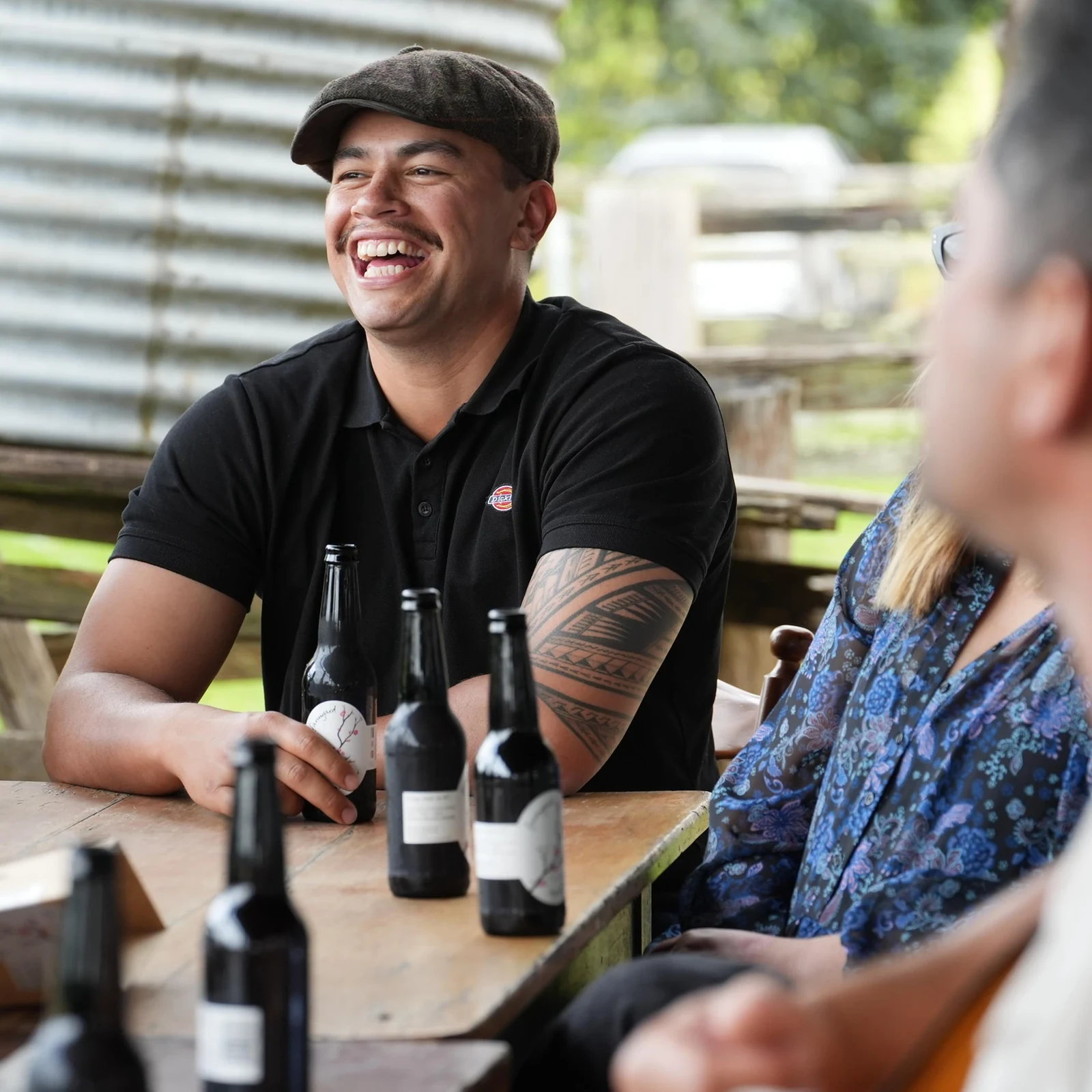
Explore the Yarra Valley from Melbourne on an approximately 8-hour trip featuring wineries, gin, chocolate and optional beer or cider alternatives. See what is included and whether it is worth booking.
From €80 per personApproximately 8 hours including transport from and back to Melbourne.
 Activity on TourBookGo