 Activity on TourBookGo
Osaka to Nara and Uji Day Trip in One Day
Book an Osaka to Nara and Uji day trip with transport, Nara Park deer, time to explore Uji's matcha culture and an optional Japanese onsen.
Getting around Nara is part of the experience: the centre is ideal for walking, while buses, bicycles, taxis and cars become useful depending on the distance and the areas you want to explore.
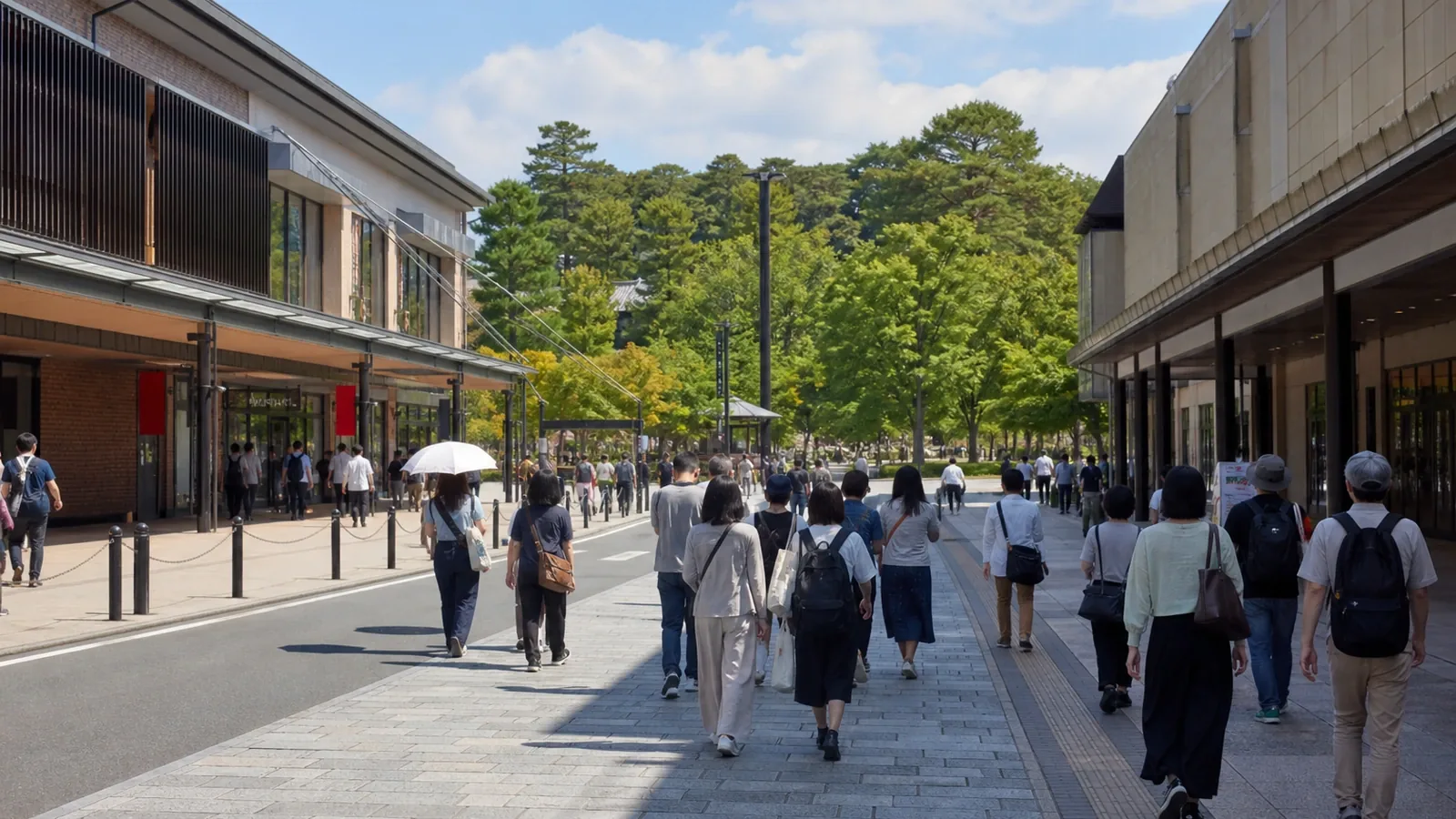
Getting around Nara is part of what makes visiting the city so enjoyable. Walking here is not simply a way to get from one monument to another: it means strolling beneath ancient trees, coming across deer in the middle of the path and moving almost without noticing from a shopping street to a temple surrounded by forest. There is, however, an important distinction between the city and the wider prefecture. Central Nara is very easy to explore without a car; Nara Prefecture, which is much larger and more mountainous, requires more planning. The city combines the Kintetsu and JR rail networks with Nara Kotsu's extensive public transport system. Most major sights in the central tourist area are concentrated around Nara Park, Naramachi and Nishinokyo.
Compare locations and options to find a base that suits your trip. Booking.com confirms current availability and pricing.
Find accommodation on BookingFor a first visit, exploring Nara on foot is usually the best way to experience the city and everything that happens between its major sights.
Kintetsu-Nara Station is within easy walking distance of the western edge of Nara Park, while the walk from JR Nara Station to the park takes around 20 minutes along Sanjo-dori. From there, you can continue towards Kofukuji, the National Museum, Todai-ji and the wooded paths leading towards Kasuga Taisha.
The great advantage of walking in Nara is that much of its atmosphere lies between the monuments themselves. Gravel underfoot, moss-covered stone lanterns, small gardens, the traditional houses of Naramachi and deer appearing among the trees are easier to appreciate when you are not constantly checking a transport timetable.
That said, distances in Nara can be deceptive. The park is huge and the temples are not all clustered together. Visiting Todai-ji, Kasuga Taisha, the surrounding park and Naramachi can easily turn into a day involving many kilometres of walking.
In summer heat and humidity, or on rainy days, those distances can feel much longer. Families with young children, older travellers and visitors with reduced mobility may find it more comfortable to combine walking with buses or taxis.
If you mainly plan to explore Nara Park, Kintetsu-Nara is generally the more convenient station because it is much closer to the main cluster of monuments. It also offers direct connections towards Osaka and has a taxi rank, luggage storage and other useful traveller facilities.
JR Nara lies a little farther west. Its location is still perfectly practical —the walk to the park is straightforward— and it can be particularly convenient if the rest of your Japan itinerary relies on the JR network. A major bus interchange is also located directly outside the station.
There is no need to overthink Kintetsu Nara or JR Nara: both stations work well. On a visit lasting only a few hours, however, the shorter walk from Kintetsu-Nara can help you make better use of your time.
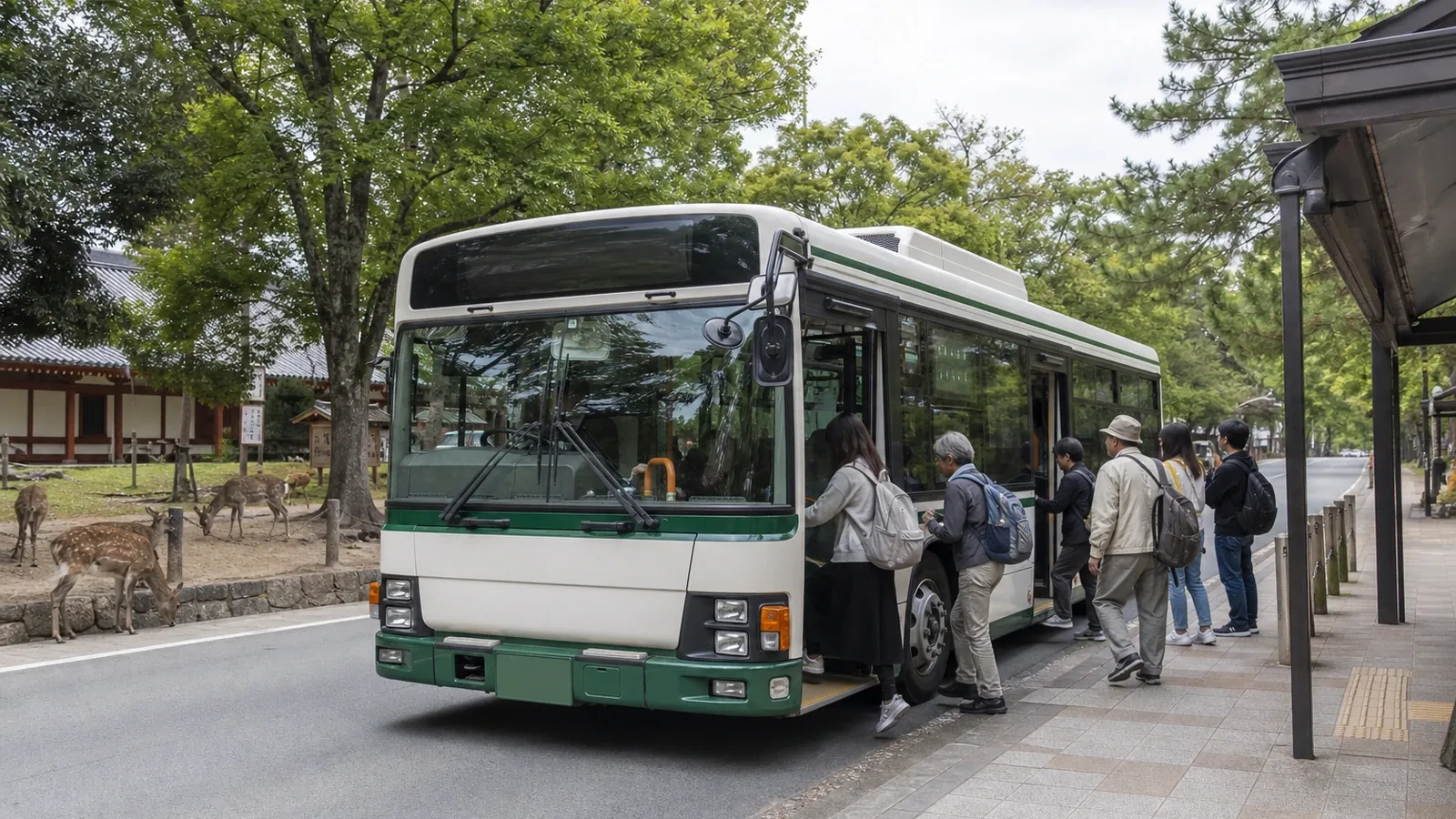
Buses in Nara are particularly useful when you want to connect the city centre with more distant areas such as Nishinokyo, home to temples including Yakushiji and Toshodaiji, or simply when you have already spent several hours on your feet.
Nara Kotsu operates an extensive public transport network across the city and prefecture, including routes serving many tourist attractions. Nara's official travel guide also highlights the Gurutto buses, which operate around central areas for a low flat fare per ride.
Nara Kotsu also offers day passes covering places including Nara Park, Todai-ji, Kasuga Taisha, Kofukuji, Naramachi, the former Heijo Palace, Toshodaiji and Yakushiji. Different versions cover different areas, so it is worth checking which pass genuinely fits your itinerary before buying one.
For a day focused only on Todai-ji, Kasuga Taisha and Naramachi, you may not need a pass at all. Walking and taking one or two buses once tiredness sets in often gives you more flexibility.
Nara works surprisingly well on two wheels, especially when you want to connect areas that are slightly farther apart without relying entirely on timetables.
There are several bicycle rental services in Nara, including electric bikes that are useful when your route involves hills. Some companies even allow you to return the bicycle at a partner location different from where you picked it up.
Cycling in Nara can be an excellent way to connect more dispersed areas. In parts of the prefecture such as Asuka, where historic sites are scattered across a broad rural landscape, combining a bicycle with public transport makes even more sense.
However, renting a bicycle solely for the busiest part of Nara Park does not always improve the experience. Around temples, paths and crowds, walking is often more relaxing and lets you appreciate the surroundings at a slower pace.
For visiting Nara city, usually not.
Arriving by train, exploring the centre on foot and taking the occasional bus is generally easier than worrying about traffic and parking. Car rental in Nara is available near both Kintetsu-Nara and JR Nara, so you can hire a vehicle if you genuinely need one, but it is not necessary for the classic city visit.
The situation changes if you want to explore rural and mountainous Nara. The prefecture extends far beyond its famous city: Yoshino, the southern mountains, small temples, valleys and villages can involve lengthy combinations of trains and buses. Some destinations have relatively infrequent connections and reaching remote places can take considerable time.
In those cases, a car can provide much more freedom, particularly if you are travelling between several rural locations over two or three days.
It is worth remembering, however, that people drive on the left in Japan. If you are not used to it, renting a car solely to save a few minutes is rarely worthwhile.
Taxis in Nara can be a very convenient choice when it is raining, you are carrying luggage or you simply want to reduce the amount of walking.
Taxi ranks can be found at both JR Nara and Kintetsu-Nara stations, as well as at certain points around Nara Park. In rural areas, more planning is required: taxis are generally concentrated outside railway stations and calling one by phone may require assistance in Japanese.
A taxi can therefore be an excellent solution for a specific part of your journey, but it is best not to assume one will be waiting outside every remote temple.
Nara Park is not a small urban garden. Its monuments are spread across a substantial area, and the landscape becomes increasingly natural and wooded as you move towards Todai-ji, Nigatsudo or Kasuga Taisha.
As a practical reference, the walk from JR Nara to the park takes around 20 minutes, while Kintetsu-Nara is considerably closer. Even once inside the park, moving between different temples adds a significant amount of walking time.
Nishinokyo is far enough away that taking a train or bus makes much more sense. Horyuji is farther still: the train from JR Nara to Horyuji Station takes around ten minutes, followed by roughly a 17-minute walk to the temple.
These distances can completely change your itinerary. Trying to link Nara Park, Nishinokyo and Horyuji entirely on foot is not a relaxed sightseeing walk; using transport in Nara for the longer stretches leaves more time and energy for the places you actually came to see.
For most travellers, the best way to get around Nara is simple: arrive by train, explore Nara Park and Naramachi on foot, and use buses for longer distances or once tiredness starts to set in.
Cycling becomes more appealing if you want to explore open or more dispersed areas. Taxis are useful in specific situations. A car begins to make sense once Nara stops being an urban day trip and becomes a journey through the wider prefecture.
A common mistake is assuming that because Nara looks peaceful and compact in photographs, everything must be five minutes apart. It is not. Part of Nara's beauty lies in the space between its temples, parks, forests and historic neighbourhoods.
Rushing does not suit Nara, but neither does walking absolutely everywhere. The most enjoyable balance is to walk when the journey itself adds to the experience and use public transport, a bicycle, taxi or car when the distance is simply a means of getting somewhere.
Discover selected experiences in Nara to complete this guide with historic temples, deer, Japanese culture, nature and well-organised tours.
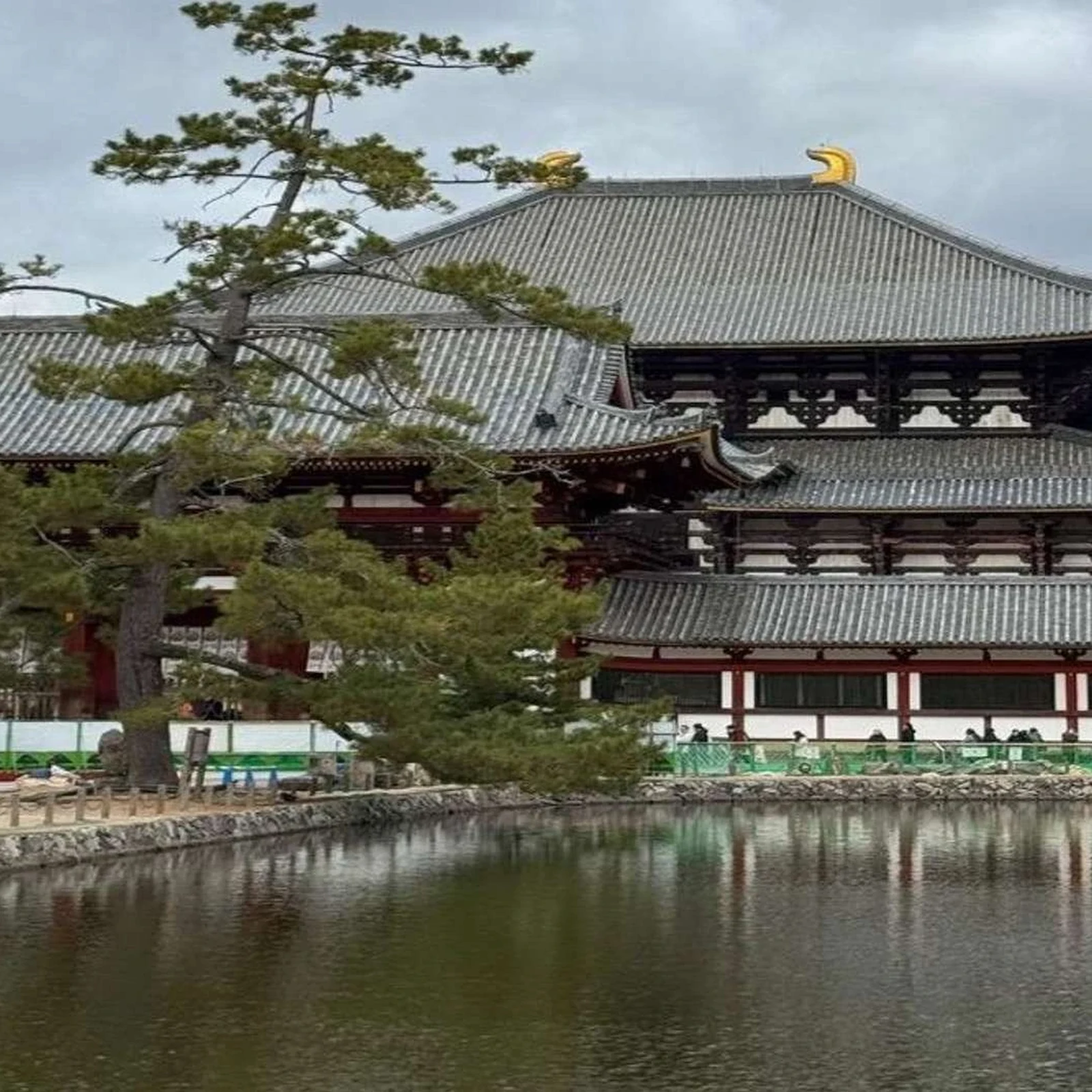
Activity on TourBookGoBook an Osaka to Nara and Uji day trip with transport, Nara Park deer, time to explore Uji's matcha culture and an optional Japanese onsen.
 Activity on TourBookGo
Book a private Nara tour from Tokyo with an English-speaking guide, pickup and a flexible 12-hour itinerary covering Nara Park and UNESCO sites.
 Activity on TourBookGo
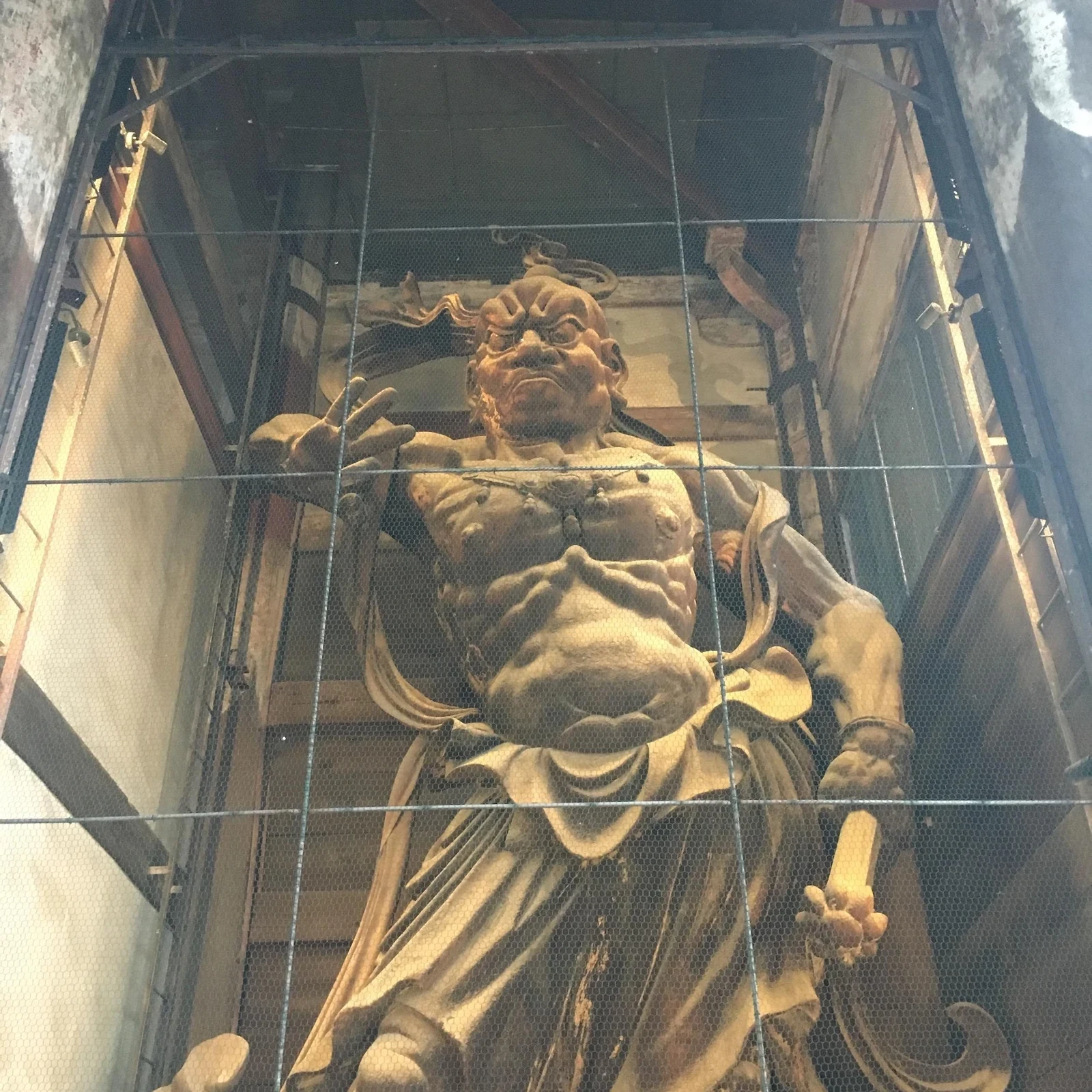
Join a Nara UNESCO walking tour of about 5 hours with a guide, visiting Tōdai-ji, the Great Buddha, Kasuga Taisha and Nara Park, with admission and lunch included.