 Activity on TourBookGo
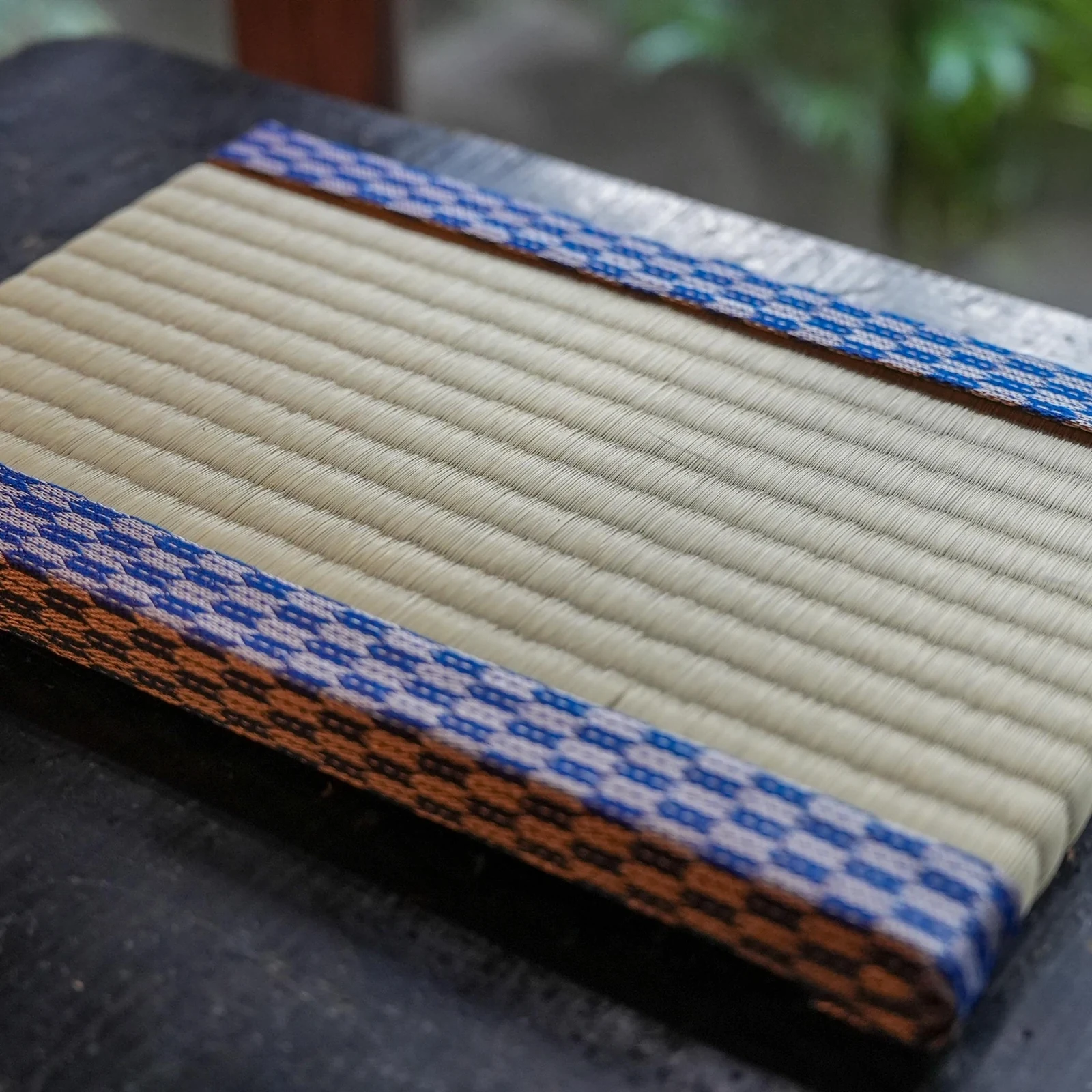
Tatami Workshop in Nara: Make Your Own Mini Tatami
Book a tatami workshop in Nara inside a traditional machiya, make your own mini tatami with a craftsman, and enjoy Japanese tea and seasonal sweets.
If you are looking for the best things to do in Nara, there is far more to discover than a quick day trip for a photo with the deer. Japan's ancient capital blends monumental temples, forest shrines, gardens and historic neighborhoods in a peaceful city that rewards taking your time.
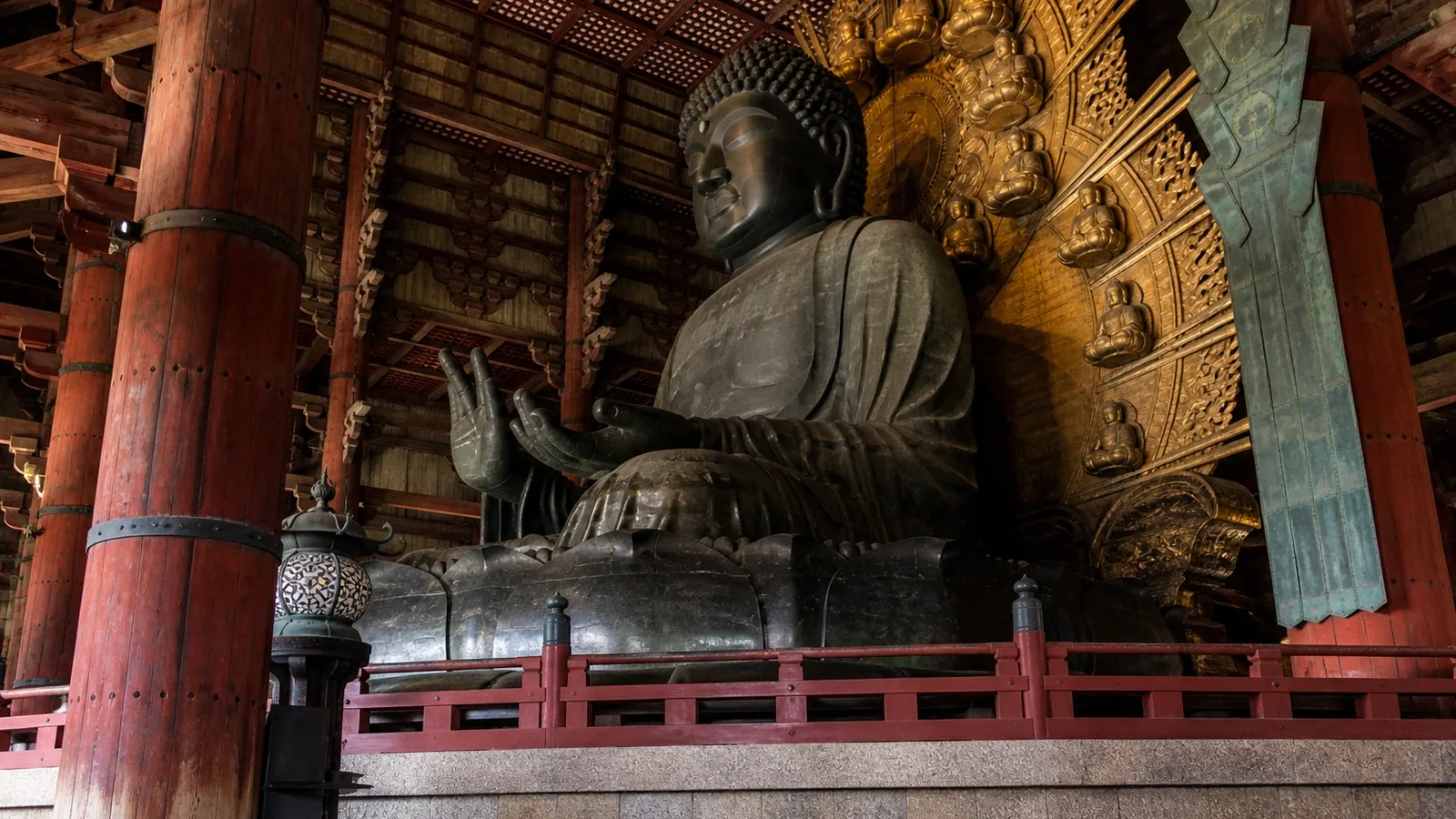
Among the best places to visit in Nara are Tōdai-ji, Kasuga Taisha and the paths of Nara Park, where deer wander naturally through the landscape. Nearby, Naramachi reveals a quieter local side of the city, while Mount Wakakusa offers sweeping views for travelers who stay beyond the standard Nara day trip from Kyoto or Osaka.
Compare locations and options to find a base that suits your trip. Booking.com confirms current availability and pricing.
Find accommodation on BookingIf you had to choose just one of Nara's major temples, Tōdai-ji would be very hard to overlook.
The approach is already part of the experience: tall trees, deer weaving among visitors, and, little by little, the temple architecture filling the horizon. Inside awaits the enormous Great Buddha, a presence best understood face to face rather than through photographs.
But it is worth resisting the urge to leave as soon as you have visited the main hall. One of the best things you can do is continue walking toward Nigatsudō, in a higher and generally less hectic part of the complex. From there, you can enjoy sweeping views over Nara, especially beautiful as the afternoon draws to a close.
The deer are inseparable from the image of Nara. More than a thousand live in and around the park, and they are deeply connected to the city's religious traditions. Although they are used to people, they are still wild animals, not pets.
You can buy the traditional shika senbei, crackers made specifically for them, but it is best to feed them calmly. Do not give them any other food, touch them, chase them, or provoke them for the sake of a photograph. They can become persistent when they spot food, and small children may find them intimidating.
That caution takes nothing away from the charm of the encounter. Quite the opposite: what makes Nara Park special is seeing how naturally the animals belong to the landscape, resting beneath the trees or crossing a path with an almost surreal ease.
The approach to Kasuga Taisha has a beauty very different from the monumental scale of Tōdai-ji.
The path leads into the forest among hundreds of moss-covered stone lanterns. Then come the vermilion of the shrine, the shade of the trees and, now and then, a deer moving quietly among them. The route also connects with other paths through Nara Park and the surrounding Kasugayama Primeval Forest.
This is one of those places that loses something when you explore it while constantly checking the time. If Nara allows for one small luxury, it is precisely this: walking slowly.
Anyone wanting a break from temples and museums for a few hours can head to Mount Wakakusa.
The climb brings a sense of openness and landscape after hours spent among monuments. From higher ground, you get a different perspective over the Nara Basin, and the setting is particularly appealing toward the end of the day. Wakakusa is also known for its sunsets and nighttime panoramas.
It is not something I would add to an itinerary of just a few hours. But with a full day — or better still, an overnight stay — it starts to make much more sense.
After the religious grandeur of Nara Park, Naramachi changes the pace.
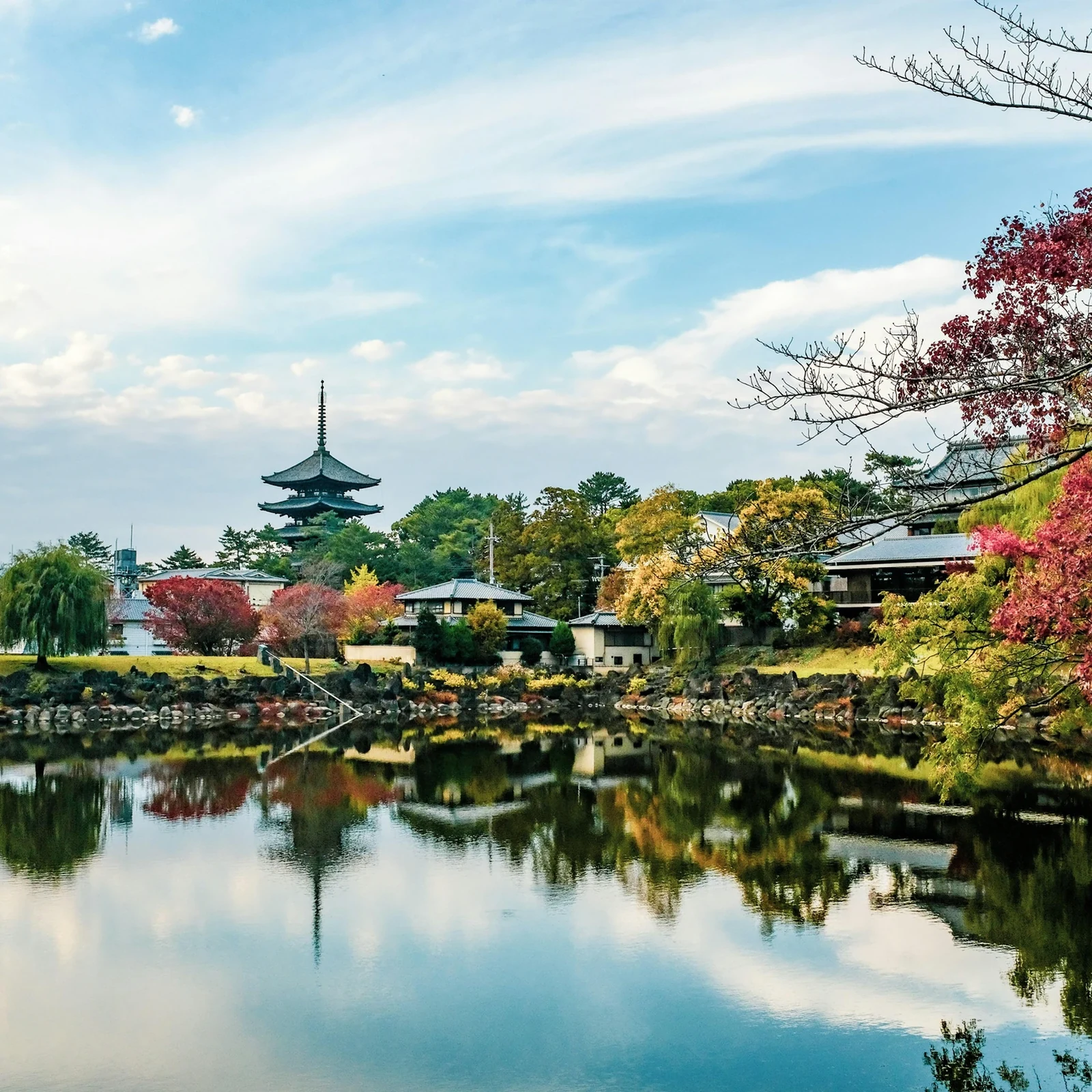
This old urban district, within easy walking distance of Kintetsu-Nara, is ideal for wandering through narrow streets lined with traditional houses, small shops, and cafés. The official tourism office presents it as a historic area particularly well suited to walking and shopping, with far fewer crowds than the park's most famous sights.
Here, Nara begins to feel less like a collection of monuments and more like a lived-in city.
For couples, it is probably one of the most pleasant places to stroll: there is no need to chase major attractions, just let the afternoon unfold through the backstreets and stop wherever takes your fancy.
Nara has places where beauty does not need monumentality.
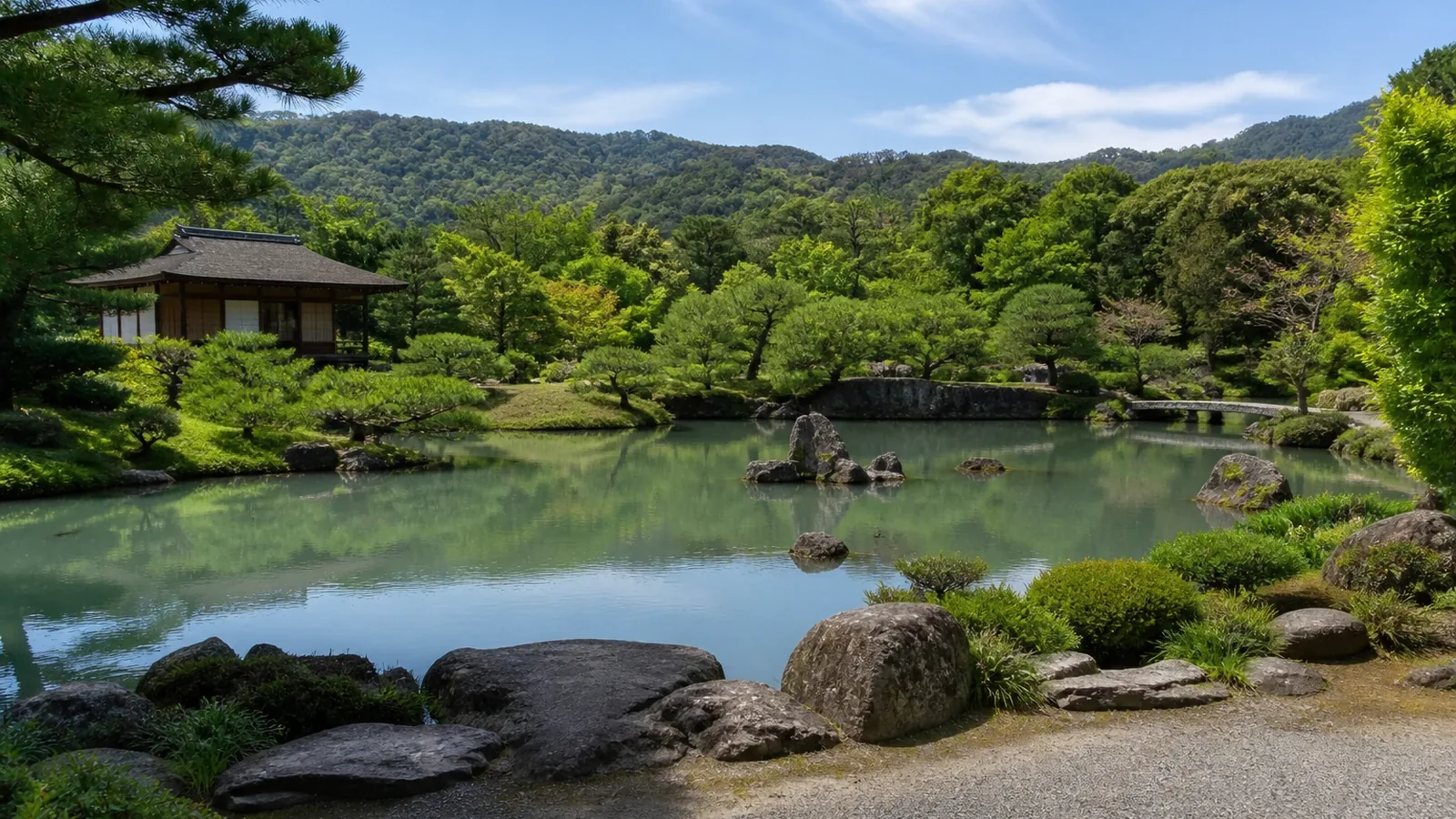
Isuien and other gardens near Nara Park offer an especially welcome pause after the busier areas. Water, stones, carefully composed greenery, and silhouettes of mountains or rooftops create an experience that is more contemplative than spectacular. Nara Park's official guide includes Isuien and Yoshikien among its main natural attractions.
If you only have a few hours, they can be skipped. But if you enjoy Japanese gardens or want to understand another dimension of Nara's aesthetic, they deserve far more time than they usually receive.
Rain does not necessarily ruin a visit to Nara.
The Nara National Museum, next to the park, houses important collections related to Buddhist art and has extensive indoor areas. The official guide itself recommends it as one of the best options for a rainy day.
You can also combine it with the covered shopping arcades near Kintetsu-Nara. And one thing is worth remembering: temples, rain-soaked lanterns, and forest moss take on an extraordinary atmosphere in wet weather. The real drawbacks are wet shoes, umbrellas, and fatigue — not necessarily a lack of things to do.
You do not need to keep paying admission fees to enjoy the city.
Walking through Nara Park, seeing the deer, exploring many of the outdoor paths, visiting Sarusawa Pond, or wandering through Naramachi can easily fill several hours without turning the day into a succession of ticket booths. The park itself is free to visit.
This makes Nara particularly well suited to travelers who prefer to combine one or two paid attractions with long walks.
The deer are usually the main attraction, but adults should supervise the encounter. They can approach quickly when they see food and do not always react the way a child might expect. Official advice is to remember that they remain wild animals, avoid bothering them, and never feed them anything other than the special deer crackers.
Beyond the park, the region also offers other family-friendly options, and the official tourism guide highlights activities designed for children in addition to the temples.
The main risk of a family day in Nara is not running out of things to do; it is trying to visit too many temples in a row. Breaking things up with gardens, deer, and open spaces usually works much better.
Nara does not compete with Osaka for nightlife, nor should it try. Anyone looking for mega-clubs will find little reason to stay; evenings here are more about bars, izakaya, sake, and small local venues.
That is precisely why spending the night in Nara can change the way you experience the city.
Once most day-trippers have left, Nara becomes far more peaceful. Sunset from Nigatsudō or Wakakusa, a relaxed dinner, and then a drink around Naramachi make for an end to the day that feels far more in tune with the city's character than a frantic night out.
If you have more than one day, the prefecture offers plenty of opportunities to go beyond the classic circuit.
Asuka combines rural landscapes, ancient monuments, and very enjoyable cycling routes; the official guide recommends giving it more than just a few hours. Hōryū-ji is an especially interesting choice for anyone wanting to delve deeper into the history of Buddhism in Japan. And Yoshino has a completely different character: mountains, temples, and trails that are particularly famous during cherry blossom season, although some services may operate less regularly outside peak periods.
The deer area and the approaches to the major temples can be very crowded. Anyone expecting a city frozen in time will also encounter tour groups, souvenir shops, and plenty of tourist activity.
A common mistake is to arrive, feed a few deer, photograph Tōdai-ji, and leave.
Nara gets better when you move a few hundred meters away from that automatic route. Quiet paths appear, along with shrines hidden among trees, old neighborhoods, and moments when the ancient capital begins to feel ancient again.
The city also changes dramatically with the seasons: spring and autumn make the park especially beautiful, while summer can be hot, humid, and rainy.
Nara deserves to be contemplated rather than consumed. One day is enough to see its great icons; staying overnight allows you to begin to understand it.
Discover selected experiences in Nara to complete this guide with historic temples, deer, Japanese culture, nature and well-organised tours.
Activity on TourBookGoBook a tatami workshop in Nara inside a traditional machiya, make your own mini tatami with a craftsman, and enjoy Japanese tea and seasonal sweets.
 Activity on TourBookGo
Join a Nara samurai tour with a private 3.5-hour hike through Yagyu, bamboo trails, clan history and the split rock Itto-seki. From €49.
 Activity on TourBookGo
Take an Asuka e-bike tour with a private guide to Ishibutai Kofun, ancient megaliths and Asuka-dera through rural Nara. From €73.