 Activity on TourBookGo
Paris Big Bus Tour with Seine River Cruise
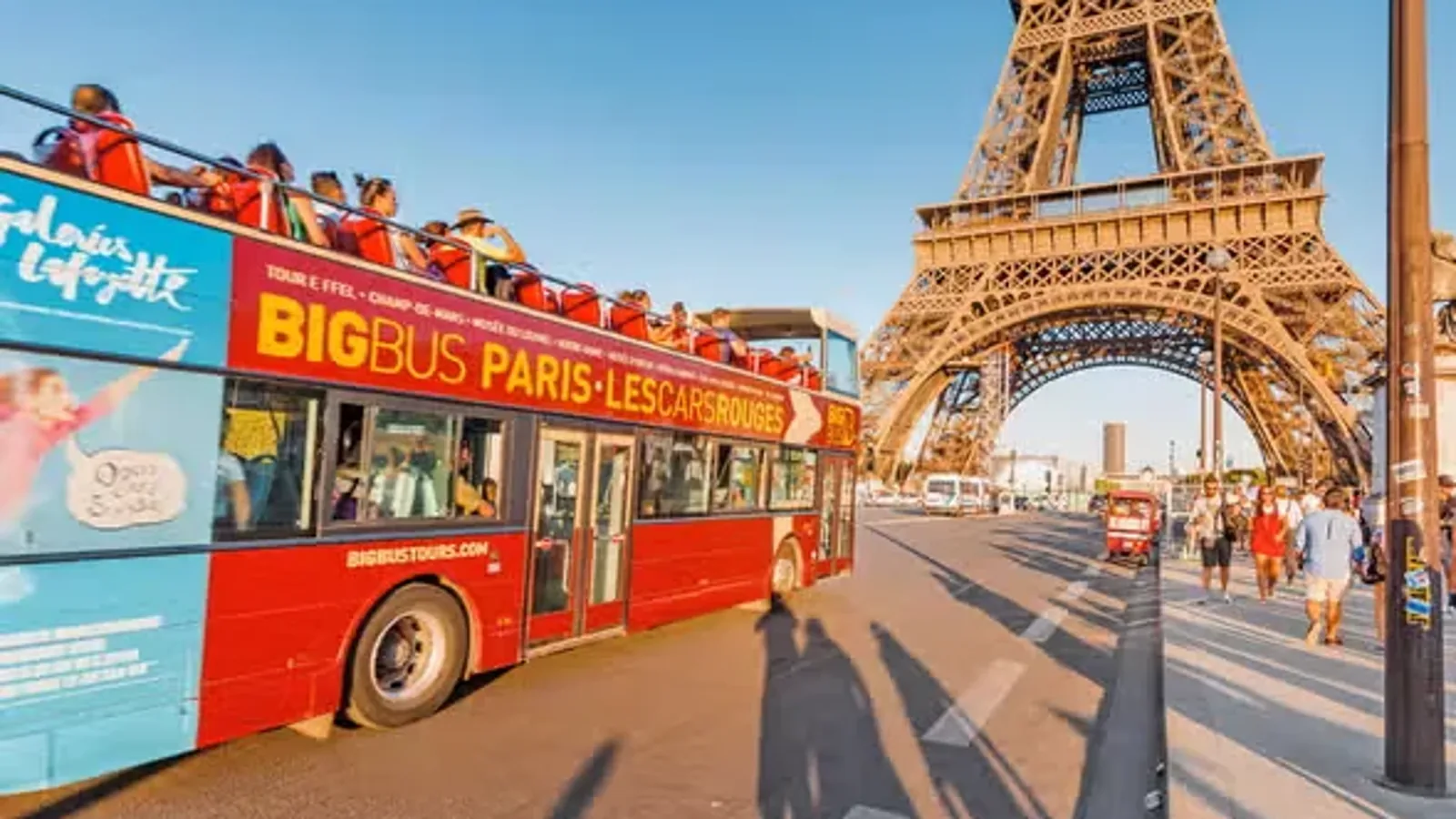
Book a Paris Big Bus tour with Seine River cruise, including a 24- or 48-hour hop-on hop-off pass, audio guide and one-hour panoramic boat trip.
Paris is best understood on foot, but it is enjoyed even more when you know when to take the metro, RER or bus.
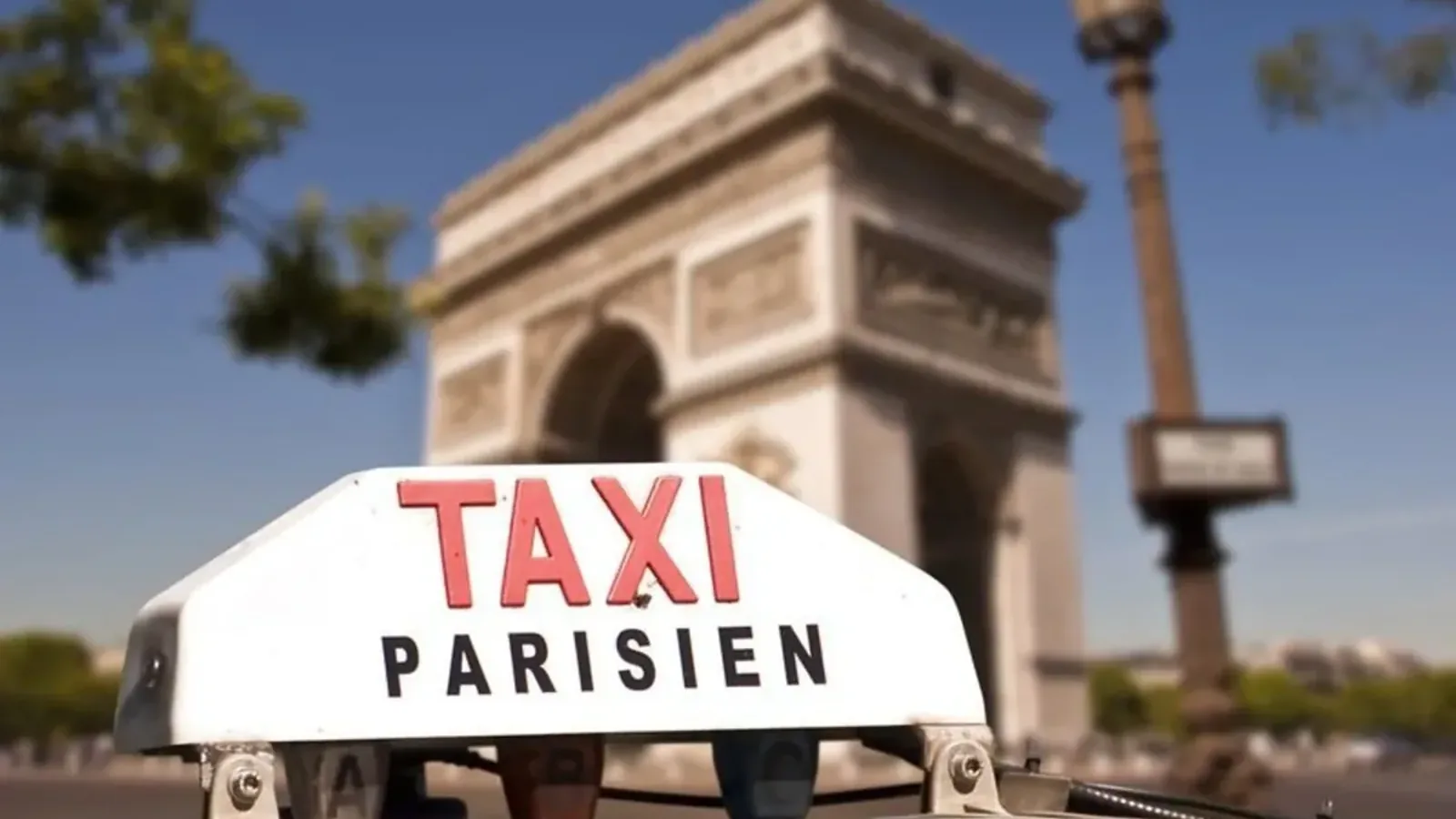
Getting around Paris well can turn a beautiful trip into a much smoother one. The city seems made for wandering among pale stone façades, bridges over the Seine, bakeries scented with butter and cafés facing the street as if time had slowed down. Yet behind that postcard image lies a very practical reality: Paris is tiring. Distances are deceptive, the metro can be crowded, transfers are not always convenient, and renting a car is usually more trouble than it is worth. Getting around Paris well is not about always using public transport or trying to walk everywhere. It is about combining the metro, walks, buses, the RER and the occasional taxi with common sense.
Compare locations and options to find a base that suits your trip. Booking.com confirms current availability and pricing.
Find accommodation on BookingFor most travellers, the smartest formula is simple: walk within each neighbourhood and use the metro or RER to move between areas that are farther apart. Central Paris is fairly human in scale, but routes such as Montmartre–Eiffel Tower, Marais–Arc de Triomphe or Latin Quarter–Versailles should not be underestimated.
The Paris metro is fast, frequent and reaches almost all the main tourist sights. It is especially useful for connecting neighbourhoods that look close on the map but can, in practice, mean more than an hour on foot. In 2026, a Metro-Train-RER ticket costs €2.55 and a Bus-Tram ticket costs €2.05, with official fares in force since 1 January 2026.
Walking in Paris is the most beautiful way to discover the city. Some routes are worth every bit of tiredness: from Notre-Dame to the Louvre along the Seine, from the Marais to Île Saint-Louis, from Saint-Germain-des-Prés to the Luxembourg Gardens, or from Place de la Concorde towards the Champs-Élysées as evening falls.
But Paris is not a flat stage set. Montmartre has hills, some stations have long corridors and staircases, and an overly ambitious itinerary can turn an elegant day into a forced march. Those travelling with children, older people or limited time should plan each day by area, not around scattered monuments.
The metro is the backbone of the city and one of the easiest ways to use public transport in Paris. It works very well for travellers who want to see a lot in a short time: the Louvre, Opéra, Bastille, Montparnasse, Trocadéro, République, Pigalle and Nation are all fairly easy to reach.
The metro’s great strength is its efficiency. Its less pleasant side: rush hour, the heat in summer on some lines, long corridors and the lack of lifts in many stations. It is also wise to keep an eye on your pockets in tourist stations and crowded carriages, especially around major hubs such as Gare du Nord, Châtelet-Les Halles and areas close to the most visited monuments.
For short stays, it is usually enough to load tickets onto a Navigo Easy card or onto your phone. The sale of cardboard t+ tickets was phased out from November 2025 in favour of rechargeable cards, mobile validation and services such as Navigo Liberté+.
The RER is not exactly “the metro”, even though within Paris it may feel similar. It is a regional train network that crosses the city and connects it with places farther out. It is very useful for reaching Versailles, Disneyland Paris, La Défense or Charles de Gaulle Airport via RER line B.
For the airports, it is worth checking your ticket carefully before travelling, because the same fare used for the city centre does not always apply. In 2026, the Paris Region Airports ticket for Orly or Charles de Gaulle costs €14 at the full fare.
Paris buses are slower than the metro, but they offer something the metro cannot: the city from the window. For travellers who are not in a hurry, a bus ride can be a lovely way to cross the city while seeing squares, avenues, shops and everyday street scenes.
It would not be my choice for arriving on time for an important reservation or for crossing half the city at rush hour. But I would use it on days of light rain, when your legs are already tired, or for routes where the metro would require too many transfers.
Almost never. Renting a car to visit Paris is usually a mistake: heavy traffic, expensive parking, complicated streets and urban restrictions. A car only makes sense if Paris is your departure point for Normandy, the Loire Valley, Champagne or other regions where public transport does not fit your route well.
Within the city, getting around Paris without a car is usually easier, cheaper and calmer. Even for classic day trips, such as Versailles, the train is usually more practical.
A taxi or ride-hailing service can be reasonable if you arrive late, have a lot of luggage, are travelling with small children or if your accommodation is far from a convenient station. It can also save a rainy evening or a transfer to a special dinner.
It is not wise to depend on them for everything. At rush hour, traffic can make a car journey slower and more expensive than the metro. For getting around the centre during the day, public transport usually wins.
Paris has become much more bike-friendly, and exploring certain areas by bicycle can be a wonderful experience. Even so, it is not for everyone. Parisian traffic requires attention, some avenues can feel intimidating, and rainy or cold days can take away the charm.
Cycling is worthwhile for travellers used to riding in cities. For anyone who gets nervous around cars, buses and large junctions, it is better to walk and use the metro.
The most common mistake is planning a route as if Paris were simply a list of monuments. To move less and enjoy more, it is better to think by neighbourhood.
Notre-Dame, Sainte-Chapelle, Île Saint-Louis, the exterior of the Louvre and a walk along the river. Almost everything can be done on foot, with a metro ride at the end if your accommodation is far away.
Montmartre in the morning, Pigalle if it interests you, Opéra Garnier and the grands boulevards in the afternoon. Here it is worth using the metro to avoid long distances.
Trocadéro, the Eiffel Tower, Les Invalides, Pont Alexandre III and perhaps the Arc de Triomphe. This is an elegant, spacious and photogenic area, but distances are greater than they appear.
Ideal for walking without becoming obsessed with monuments. Boutiques, squares, galleries, bakeries, cafés and a more everyday Paris, although still very popular with visitors.
In spring and autumn, Paris invites you to walk. The light is soft, the parks are full of life and fatigue feels lighter. In summer, heat and crowds can make the metro feel stifling, especially on older lines and in very busy stations. In winter, the bus and metro become more appealing, but shorter days require better planning.
During strikes, works or major events, it is worth checking the state of transport before heading out. Paris works very well, but it is not immune to disruptions, closed stations or temporary changes.
The first mistake is walking too much on the first day. Paris is exciting, but it punishes unrealistic itineraries. The second is booking accommodation far away “because there is a metro nearby” without checking how many transfers it takes to reach the centre. The third is not validating your ticket properly or not buying the right fare for airports and regional journeys.
It is also worth avoiding always eating or dining next to the nearest monument. Very often, walking ten or fifteen minutes towards a less obvious street completely changes the experience and the price.
The best strategy for getting around Paris is to accept that the city is experienced at two speeds. One is fast and underground, for moving from one neighbourhood to another without losing half the day. The other is slow and luminous, for walking along the Seine, stopping in front of a shop window, stepping into a quiet church or following the smell of a boulangerie without watching the clock.
Paris deserves your steps, but also your pauses. Those who learn to alternate between the metro and walking discover a kinder, less exhausting and far more real city.
Discover selected experiences in Paris to complete this guide with landmarks, museums, food, Seine cruises and well-organised day trips.
Activity on TourBookGoBook a Paris Big Bus tour with Seine River cruise, including a 24- or 48-hour hop-on hop-off pass, audio guide and one-hour panoramic boat trip.
 Activity on TourBookGo
Book the Paris Tootbus hop-on hop-off tour with a 24-, 48- or 72-hour pass, English audio guide and an optional one-hour Seine river cruise.
 Activity on TourBookGo
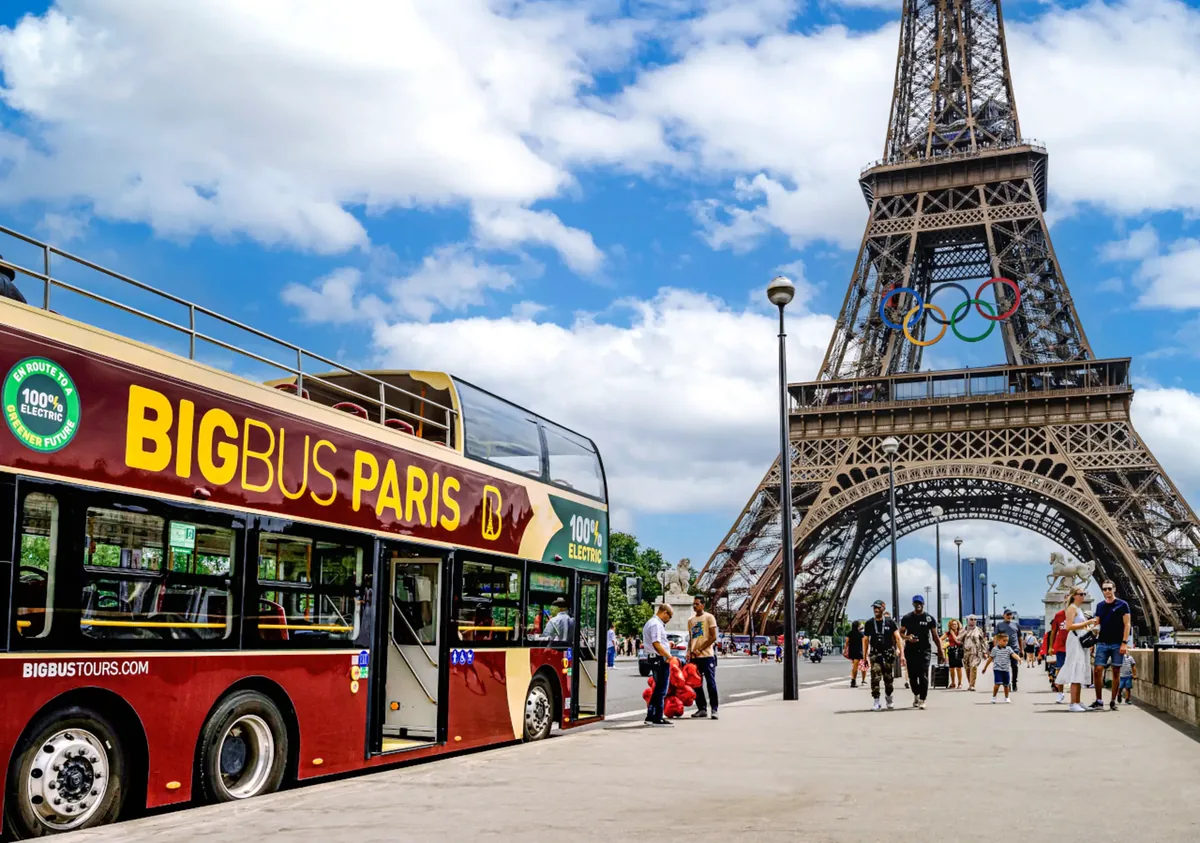
Book a Paris sightseeing bus tour with hop-on hop-off stops, Spanish audio guide and optional 1-hour Seine River cruise. Choose a 24 or 48-hour ticket.