 Activity on TourBookGo
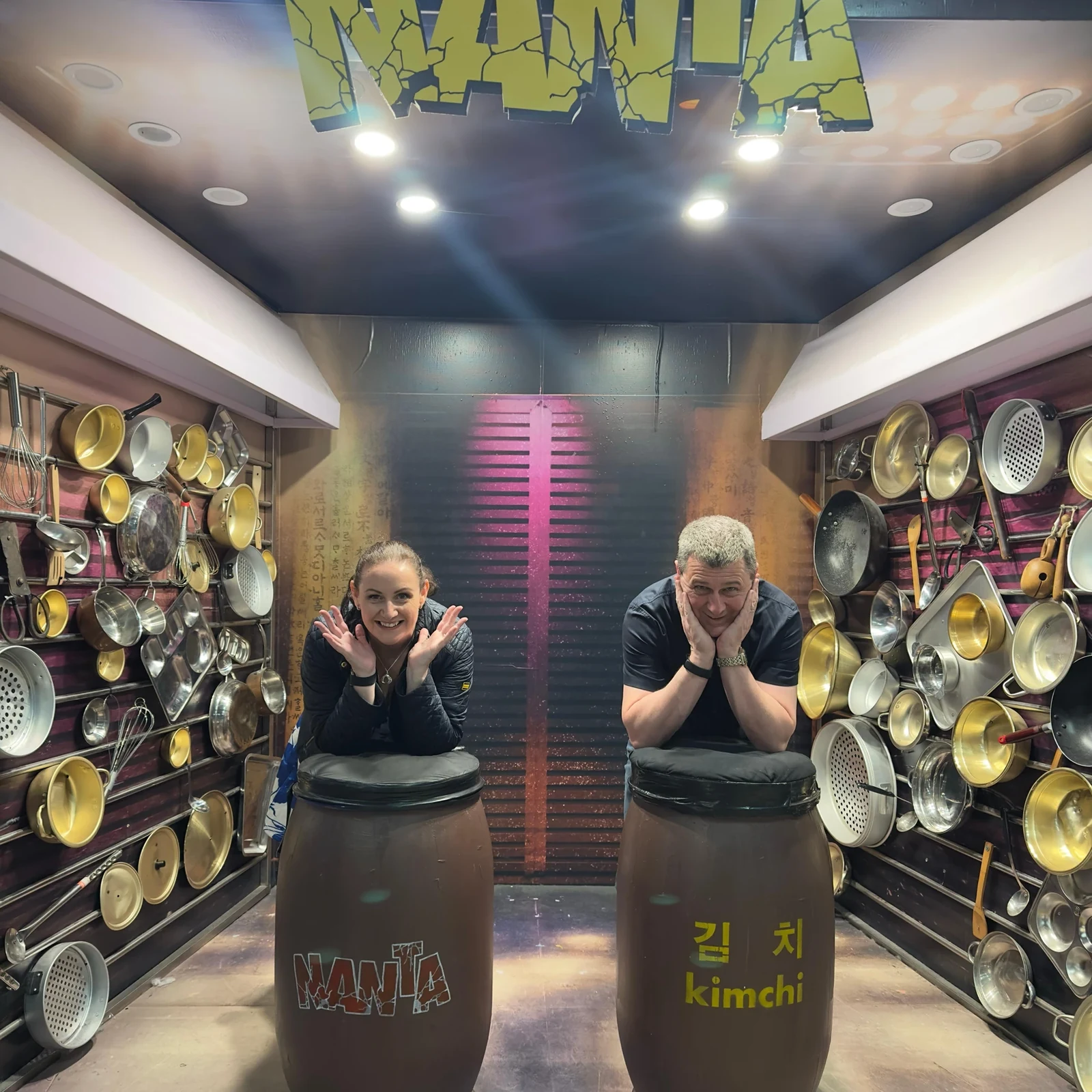
NANTA Show Seoul Tickets
Book NANTA Show Seoul tickets for 90 minutes of theatrical cooking, percussion, acrobatics and non-verbal comedy at Myeongdong or Hongdae.
Safety in Seoul is generally high for tourists, although visitors should stay alert in large crowds, nightlife districts, unclear payment situations and political gatherings.
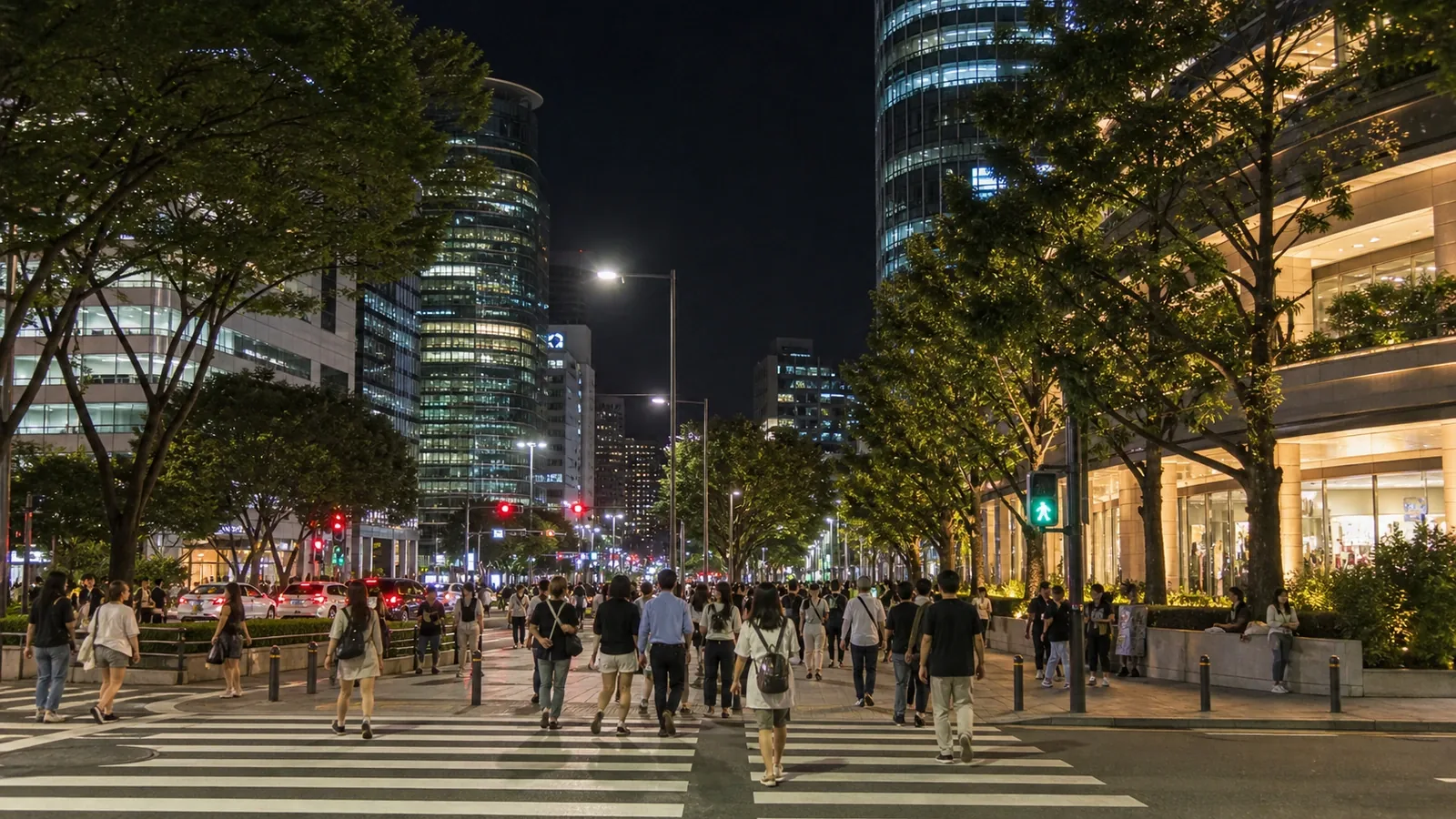
Safety in Seoul often surprises first-time visitors to this vast metropolis of underground stations, bright avenues and neighbourhoods that remain active into the early hours. Once you begin exploring, the prevailing feeling is not danger but order: the subway stays busy until late, shops light the streets after midnight and many people travel alone without concern. Overall, Seoul is safe to visit, including for most solo travellers, provided you take normal precautions. Occasional theft, nightlife-related incidents, overcharging and political events that disrupt transport can still occur.
Compare locations and options to find a base that suits your trip. Booking.com confirms current availability and pricing.
Find accommodation on BookingCrimes against foreign visitors are uncommon, although phones, wallets, bank cards and passports may be stolen in crowded places. Carelessness is usually a greater risk than the streets themselves: an open backpack on the subway, a phone left unattended on a table or a wallet within easy reach in a packed market.
The city also lacks the defensive tension felt in some other major capitals. You do not need to walk around constantly looking over your shoulder. Even so, a sense of safety should not be mistaken for an absolute guarantee, especially late at night or after drinking.
Official travel advice does not identify entire tourist districts in Seoul as no-go areas. Risks in Seoul depend more on the time of day, crowd density and the circumstances than on the district itself.
Itaewon and Hongdae are packed with restaurants, bars, clubs and streets where nightlife continues into the early hours. During the day, both districts are lively and easy to explore; on weekend mornings, alcohol, crowds and large numbers of people leaving venues at the same time change the atmosphere.
Cases of harassment, sexual assault, violence and drink spiking have been reported in these areas. That is not a reason to avoid going out altogether, but it is important to keep your drink in sight, refuse open drinks from strangers and avoid walking back alone if you are disoriented or under the influence of alcohol.
Myeongdong, Dongdaemun, Namdaemun and major subway interchanges attract thousands of people. The main concern is generally not violence, but how easy it is to lose belongings or overpay when prices are unclear.
In taxis, check that the meter is running; at markets and street stalls, ask the price before ordering; and in shops or restaurants, request a receipt when a significant amount of money is involved. Seoul’s tourist services receive complaints about excessive charges for transport, shopping, food and accommodation.
Seoul is not known for aggressive groups of scammers targeting tourists, but less obvious situations can arise.
These include inflated fares in unofficial taxis or vehicles without meters, unclear pricing at street stalls, bars or restaurants, persistent invitations to accompany strangers to venues, meetings or supposed cultural experiences and unexpected charges at nightlife establishments.
The best defence is not constant suspicion, but knowing when to pause because something feels unclear. Do not get into a vehicle you cannot identify, confirm the price before accepting a service and leave any situation in which friendliness turns into pressure.
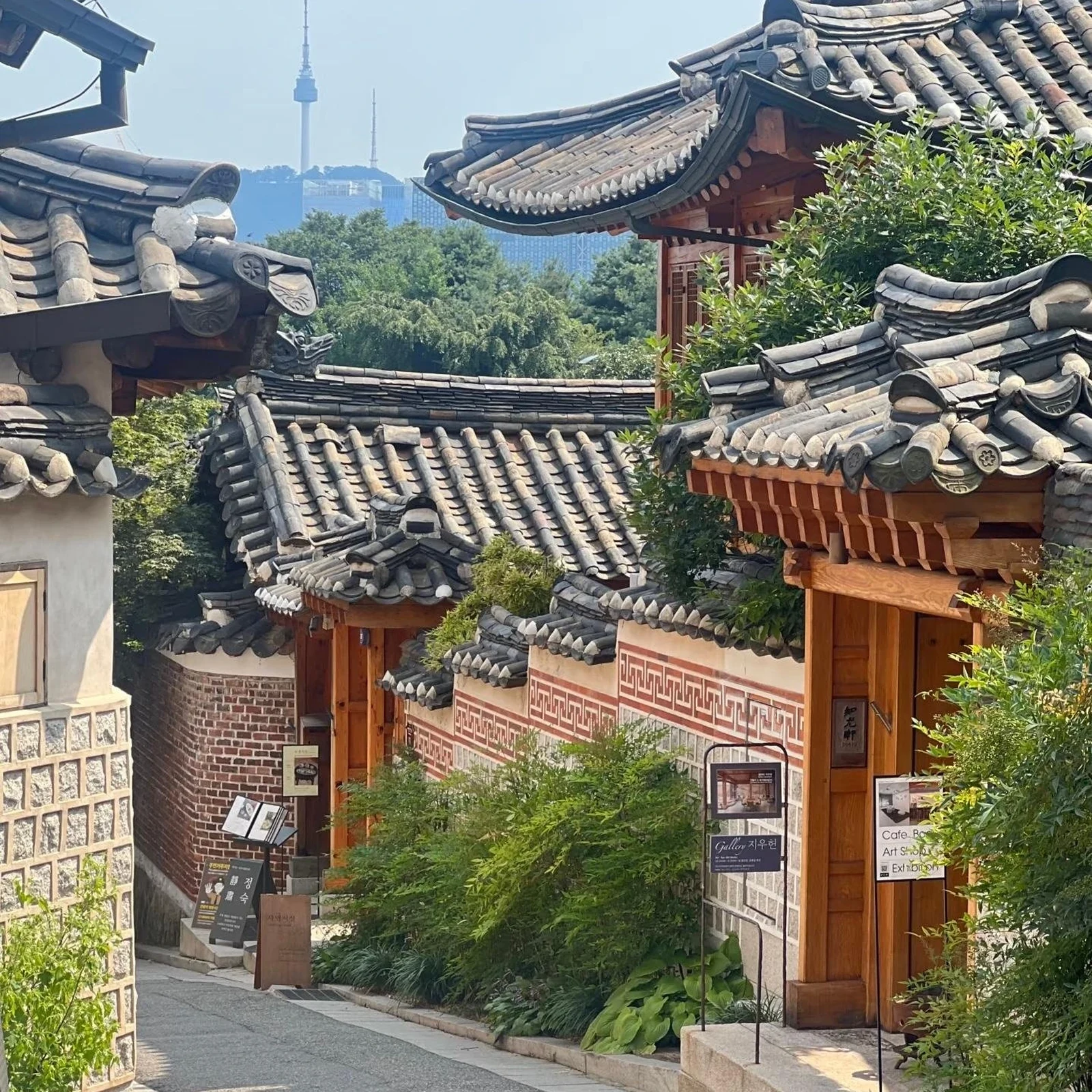
For many women, Seoul offers a relatively comfortable travel experience, with efficient public transport, lively shopping streets and neighbourhoods that remain active until late. During the day, exploring areas such as Jongno, Insadong, Bukchon, Gangnam or the Han River alone does not require extraordinary precautions.
The less reassuring side of the city emerges around bars and clubs. Assault and harassment can occur, particularly when alcohol is involved, and authorities in several countries advise women to take extra care when returning alone at night.
Share your location with someone, keep enough battery on your phone, never lose sight of your drink and use legitimate transport to return to your accommodation. Asking firmly for help is often more effective than trying to avoid making a scene out of politeness.
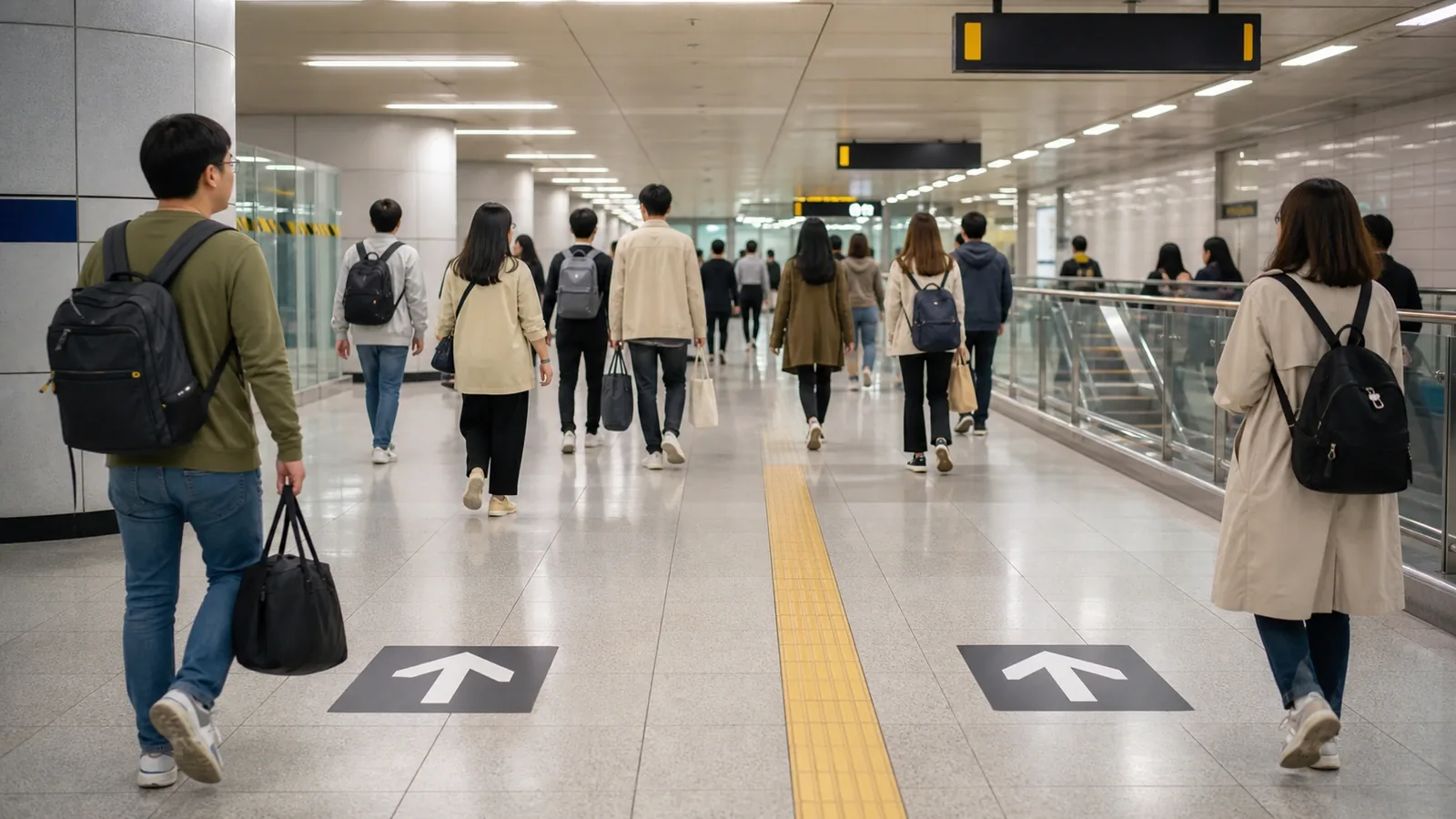
Seoul works well for families travelling with children, but its sheer size can be exhausting. Stations are enormous, some transfers involve long walks and shopping districts can become crowded very quickly. The main risk for families is usually not crime, but becoming separated in a crowd or underestimating distances.
It is helpful for children to carry the name of the accommodation in writing, to agree on a meeting point before entering markets or stations and to avoid peak hours whenever possible. At pedestrian crossings, do not automatically copy locals who hurry across: traffic can move quickly even on smaller streets.
Political protests are common in Seoul, particularly around public squares, government buildings and major roads in the city centre. Most are peaceful and monitored by the authorities, but they can block roads, overwhelm stations or grow rapidly with little warning. Authorities recommend avoiding large gatherings and note that foreign nationals are restricted under South Korean law from participating in political activities.
News about North Korean missile launches may sound alarming from abroad. In everyday life in Seoul, they usually cause far less concern than visitors might expect, although the situation on the Korean Peninsula can change quickly. You may hear sirens during civil-defence drills or receive alerts on your phone. Check the message and follow local instructions rather than assuming it is necessarily a real emergency.
The government’s Emergency Ready app provides emergency information and guidance in English.
Between June and August, heavy rain can cause localised flooding, traffic problems and disruptions on hiking trails or in areas near the river. Typhoons may also occur. During severe weather, do not enter flooded underpasses, walk beside swollen waterways or continue with a mountain excursion simply because it was planned in advance.
In winter, low temperatures and ice can make slopes and stairways a more immediate danger than crime. Footwear with good grip is important, especially in hilly neighbourhoods and on mountain paths.
The essential emergency numbers in South Korea are 112 for police, 119 for fire, rescue and medical emergencies, 1330 for tourist assistance and interpretation, and 182 for police enquiries and lost property.
The 1330 tourist hotline provides assistance in several languages and can help when a problem does not require an urgent response but does require translation or guidance.
Save these numbers before going out, along with the address of your accommodation written in Korean. In a city where the language barrier can complicate a simple situation, showing someone the correct written address is often faster than trying to pronounce it.
Seoul may feel uncomfortable for people with severe anxiety in crowds, those who struggle to navigate large transport networks or travellers who want to enjoy the nightlife without exercising personal caution. It also requires additional planning for people with reduced mobility, because the shortest routes are not always the most accessible.
Solo travellers who keep their alcohol consumption within reasonable limits and avoid becoming involved in protests will generally find Seoul welcoming and manageable.
Yes, safety in Seoul is generally high and the city is reasonably safe for tourists, but it is not a risk-free bubble. Its sense of order, efficient transport and constantly active streets make travelling around much easier. The greatest need for caution does not arise in historic neighbourhoods or during everyday subway journeys, but late at night, after excessive drinking, in large crowds and when a strong sense of security creates false confidence.
The best way to experience Seoul is to accept that contradiction: walk with confidence, but not with naivety. Beneath the neon signs and the murmur of the trains, the city allows you to lower your guard a little, just never completely.
Discover selected experiences in Seoul to complete this guide with Korean culture, food, palaces, neighbourhoods and well-organised day trips.
Activity on TourBookGoBook NANTA Show Seoul tickets for 90 minutes of theatrical cooking, percussion, acrobatics and non-verbal comedy at Myeongdong or Hongdae.
 Activity on TourBookGo
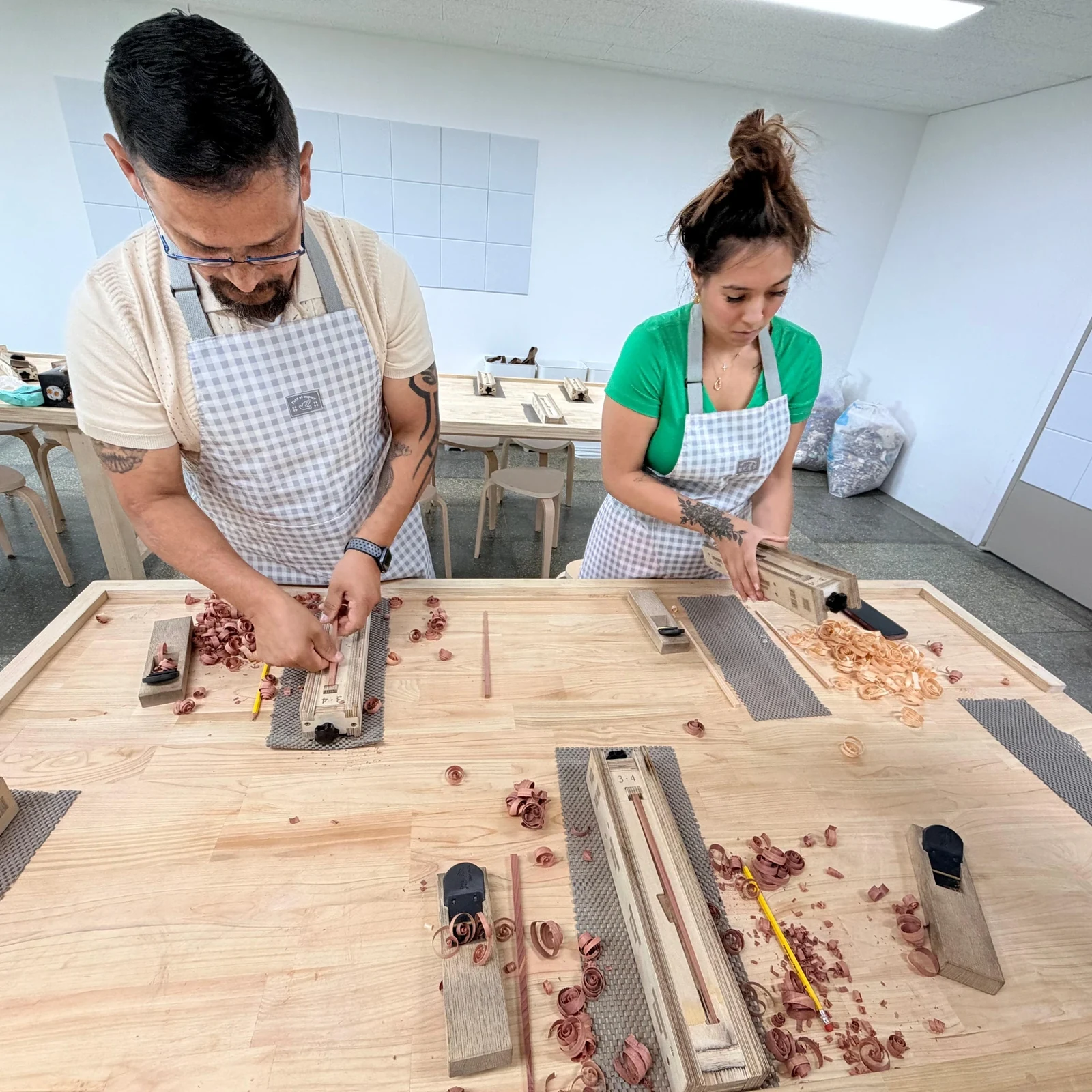
Book a chopstick-making workshop in Insadong, Seoul. Make your own wooden chopsticks in one hour with tools, materials and guidance included.
 Activity on TourBookGo
Book a Seoul tour with hanbok rental, Gyeongbokgung entry, transport and visits to Bukchon, Namsan and Insadong in a small group.