

Book a Valencia Oceanogràfic ticket with access to every exhibition, the underwater tunnel and more than 45,000 marine creatures.
View experienceWhat to Eat in Valencia Before Choosing a Restaurant
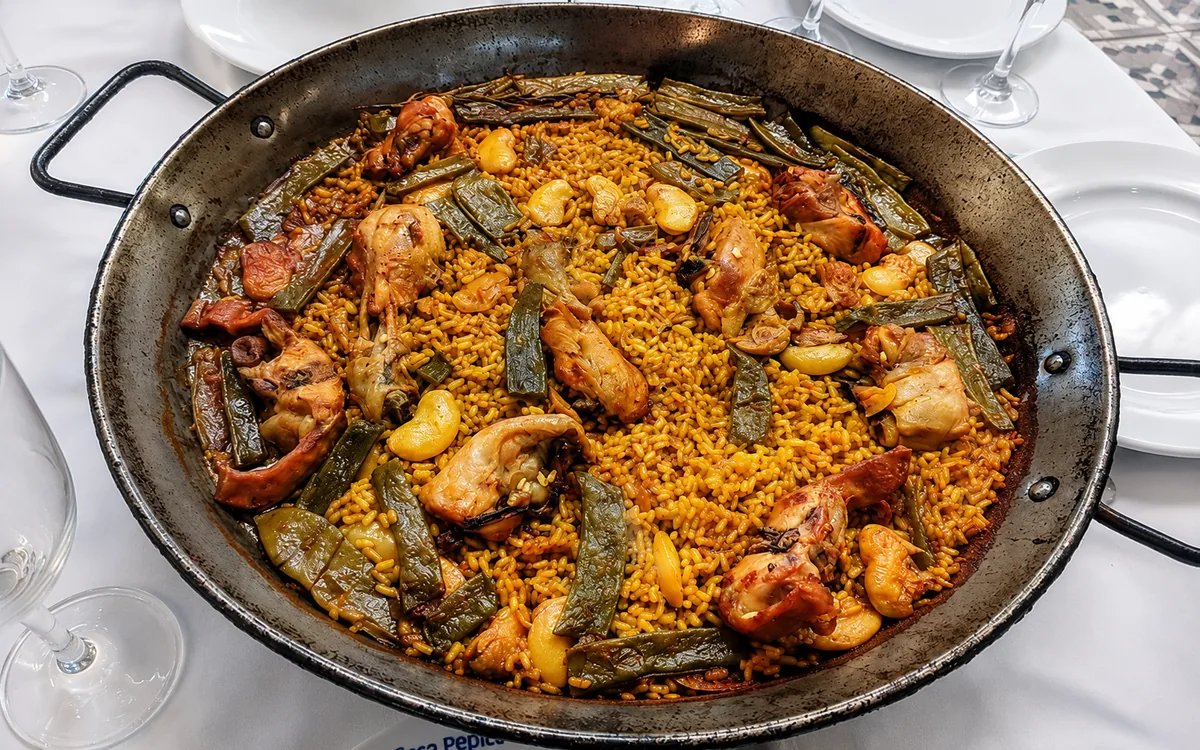
Valencian paella deserves respect, but the city should not be reduced to a single dish. Local gastronomy speaks of rice, yes, but also of market gardens, salted fish, seafood, eel, olive oil, roasted peppers and tiger nuts.
The paella most closely linked to Valencian tradition comes from rice grown around l’Albufera and from the produce of the huerta; Visit Valencia also points out that the Albufera Natural Park is one of the places most closely connected with the origins of the dish.
Beyond rice, look for esgarraet —roasted red pepper, salt cod, olive oil and garlic—, all i pebre —a rich stew traditionally associated with eel—, titaina, espencat, salted fish, seasonal clóchinas and, to finish, horchata with fartons. Visit Valencia includes all i pebre, esgarraet, titaina and espencat among its traditional dishes.
Where to Eat Good Paella in Valencia
The first rule is simple: good paella is usually eaten at lunchtime. If you are offered “freshly made” paella at any hour, for one person, alongside twenty different versions, it is worth being a little suspicious.
For a classic seaside experience, the Malvarrosa beach and Cabanyal area remain a logical choice. Visit Valencia recommends several beachfront restaurants for paella, including Casa Carmela, Casa Isabel, El Coso del Mar, Vlue Arribar, La Alegría de la Huerta, Tridente and La Marítima de Veles e Vents.
If you are looking for a landscape that feels more Valencian than maritime, head towards El Palmar and l’Albufera. There, rice is eaten close to the fields, in softer light, with the scent of freshwater and still boats nearby. It is a highly recommended excursion if you are interested in traditional cooking, although it is not the most convenient option if you are short on time or tied to a tight schedule.
What may disappoint you: some rice restaurants in Valencia also live off tourism, and fame does not always guarantee an intimate meal. Book ahead, ask about the type of rice dish, avoid arriving late and do not expect cheap paella if you want quality ingredients and careful cooking.
Good Valencian paella is usually eaten at lunchtime; it is worth being suspicious of “freshly made” paella offered at any hour and for one person.
Eating Well on a Budget: Markets, Esmorzaret and Counters
For budget eating in Valencia without losing the flavour, the city works better by day than by night. The Central Market is an essential stop: not only for its modernist architecture and stalls, but because it lets you see where much of Valencia’s flavour comes from. Its official opening hours are Monday to Saturday, from 7:30 a.m. to 3:00 p.m., and it is closed on Sundays and public holidays.
Inside the market, Central Bar, by Ricard Camarena, is a convenient option for trying sandwiches, tapas and market cooking without turning lunch into a ceremony. Visit Valencia mentions it as a good place to enjoy esmorzaret, that Valencian mid-morning pause that can almost become a full meal.
For something informal, look for bars with generous sandwiches, tortillas, cuttlefish, Russian salad, salted fish or simple tapas. Valencia does not always need white tablecloths: sometimes it is better enjoyed at a noisy counter with coffee, olives and crusty bread.
The Central Market’s official opening hours are Monday to Saturday, from 7:30 a.m. to 3:00 p.m., and it is closed on Sundays and public holidays.
Mercado de Colón: Beautiful, Convenient, but Not Always Cheap
The Mercado de Colón is one of the most pleasant places to have something to eat or drink in the Ensanche district. It was once a market and today brings together cafés, terraces and restaurants in a highly photogenic modernist building designed by Francisco Mora Berenguer in the early 20th century.
It is worth visiting for a lovely breakfast, a horchata, an aperitif or an easy dinner if you are in the area. But I would not choose it as a first option if you are looking for the most traditional, everyday Valencia or the tightest prices. It is more elegant than old-school, more meeting place than traditional market.
Fine Dining and Special Restaurants
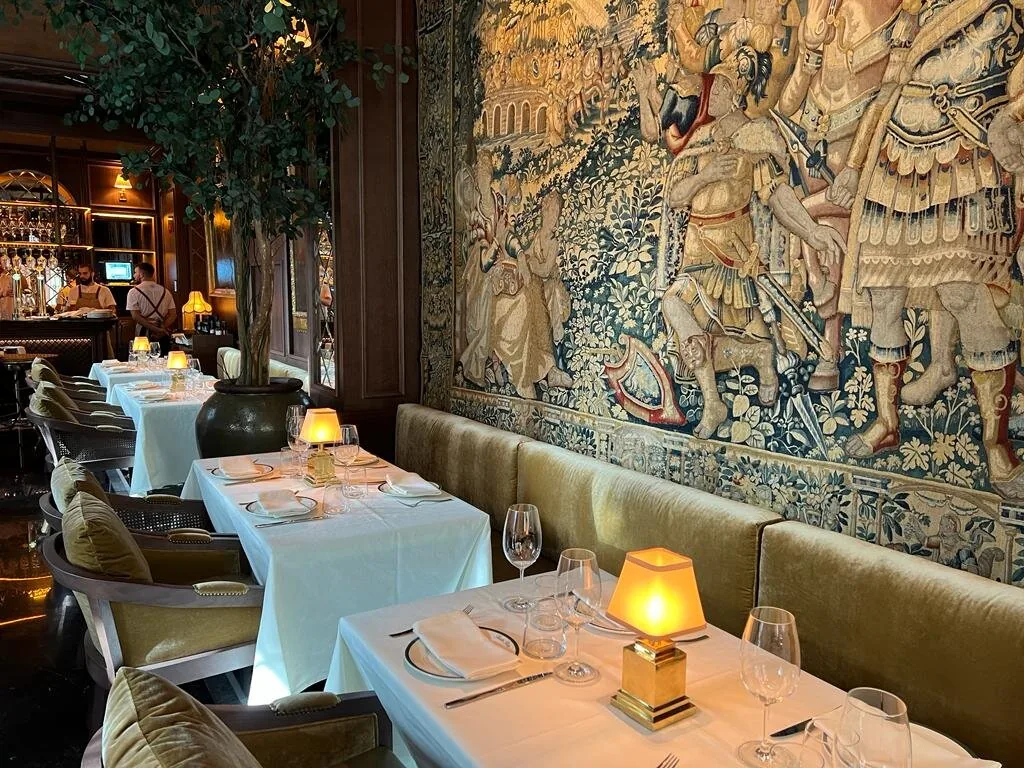
Valencia is going through a very interesting gastronomic moment. For a more creative dinner, the Michelin Guide includes Valencian restaurants such as Ricard Camarena, Flores Raras, Riff and La Salita in its city selection.
If you want good food with a more moderate value-for-money ratio, look at the Bib Gourmand restaurants. In Valencia and the surrounding area, Michelin lists options such as Memoria Gustativa, 2 Estaciones and Napicol, the latter in Meliana and specialising in rice dishes.
These restaurants are not for every traveller. If you only want to eat quickly between monuments, they may feel too deliberate. But if you travel for food, they can show you a more contemporary Valencia: less postcard-like and more focused on produce, technique and territory.
Horchata: Best in Alboraya or in Specialist Horchaterías
Horchata in Valencia should not be treated like just another soft drink. When well made, it has something earthy, cold and sweet about it, with that clean tiger-nut flavour that reminds you Valencia can also be drunk. In the city centre you will find traditional horchaterías, but if you fancy a small excursion, Alboraya still has a very direct relationship with tiger nuts and the huerta.
Not everyone falls in love with it: some horchatas are too sweet, others too watery. Ask to try it, have it with fartons and avoid judging it by the first industrial version you come across.
Recommended Areas for Eating in Valencia
Ciutat Vella works well for tapas, markets, cafés and meals between cultural visits, although it is best to avoid the overly obvious terraces around the most touristy spots.
Ruzafa is a good area for more contemporary dinners, brunch, international cuisine and small restaurants with a young atmosphere. It can be crowded and somewhat noisy at weekends.
Ensanche and Gran Vía offer quieter tables, carefully sourced produce and elegant venues. It is a good area for couples or unhurried dinners.
Cabanyal and Malvarrosa are ideal for rice and fish by the sea, although you need to choose carefully: not everything facing the beach cooks well.
El Palmar and l’Albufera are the most evocative option for eating near Albufera Valencia and trying traditional rice, but they require more time and planning.
Gastronomic Traps to Avoid
Be wary of menus with paellas photographed in every colour, endless tourist menus, pushy waiters and places promising “Valencian paella” at any hour. Good paella needs time, fire and real turnover.
Also avoid ordering only what you already know. Valencia is best enjoyed when you dare to try an esgarraet, an all i pebre, some salted fish or a fresh horchata. Not everything will be delicate or easy for every palate, but that is part of its truth.
Good paella needs time, fire and real turnover: places promising “Valencian paella” at any hour are worth treating with caution.
Who Eating in Valencia Is Worth It For
Valencia is an excellent city for anyone who enjoys rice, markets, Mediterranean cooking and flavours rooted in the land. It is also good for those who want to alternate informal meals with a more ambitious dinner.
It may disappoint those expecting Andalusian-style tapas on every corner, cheap and perfect paella on any terrace, or late dinners without booking in high season. During Fallas, summer and sunny weekends, the best restaurants in Valencia fill up quickly, and the experience can become more expensive, noisier and less spontaneous.
The best way to eat in Valencia is not to chase only famous names. Look for places with good produce, where people eat without rushing, where rice is served at lunchtime and where the menu is not trying to please everyone. There, between a market counter, a table by the sea and a cold horchata at dusk, the city begins to tell its story.