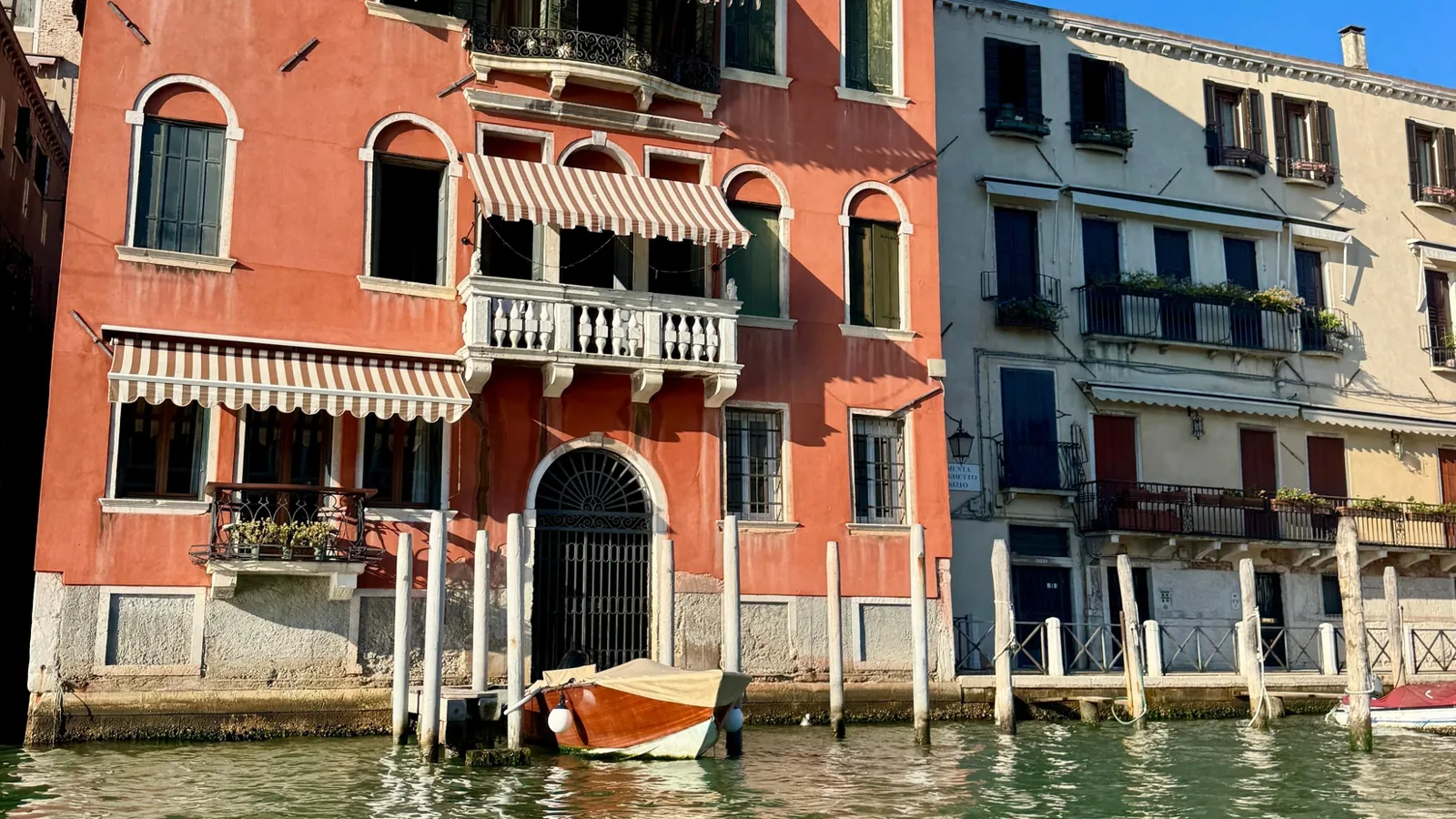
San Marco: step straight into the monumental heart of Venice
Staying near St Mark’s Square puts the basilica, the Doge’s Palace and the Grand Canal area within walking distance. It suits a short stay when you want to make the most of each outing and return to your accommodation between visits. You also avoid crossing the city every day to see its best-known sights.
The trade-off is that you will share many of your routes with others heading to the same places. If you picture yourself wandering Venice without a landmark in mind, compare other areas. Check the accommodation’s exact location too: “in San Marco” alone tells you little about what will be on your doorstep.
San Polo: explore on foot around Rialto
San Polo puts Rialto Market and Rialto Bridge close to your base. It is also home to the Basilica of Santa Maria Gloriosa dei Frari. It is a useful choice if you like linking visits on foot and crossing between the two sides of the Grand Canal without planning every outing around transport.
Being close to Rialto is different from being close to the Frari. If you are booking with a particular sight or a route to another neighbourhood in mind, check the actual walk on a map that shows the bridges. San Polo suits people who enjoy crossing the city on foot; it is less convenient if you need to keep those crossings to a minimum.
Dorsoduro: make time for art and waterside walks
The Accademia Bridge, the Gallerie dell’Accademia, the Basilica della Salute and the Zattere offer several ways to spend a day in Dorsoduro. Choose it if art is an important part of your trip and you would like to end some days with a walk beside the Giudecca Canal.
Different parts of the area suit different plans. Accommodation near the Accademia makes walks towards San Marco easier; a place near the Zattere gives you more reason to spend time along the waterfront. If your schedule is packed with visits around Rialto and St Mark’s Square, work out those journeys before choosing Dorsoduro for its atmosphere alone.
Cannaregio: a base for arriving by train and exploring the north
Venezia Santa Lucia station is in Cannaregio. If you arrive by train with luggage, staying nearby can make both arrival and departure simpler. The area also includes the Venice Ghetto and walks along its fondamenta, giving you a chance to spend time beyond the usual St Mark’s–Rialto route.
Cannaregio covers a large area. An address near the station meets a practical need; one farther away may better suit the places you want to explore. If you expect to start every morning in San Marco, check the walk from your chosen accommodation. The neighbourhood name alone will not answer that question.
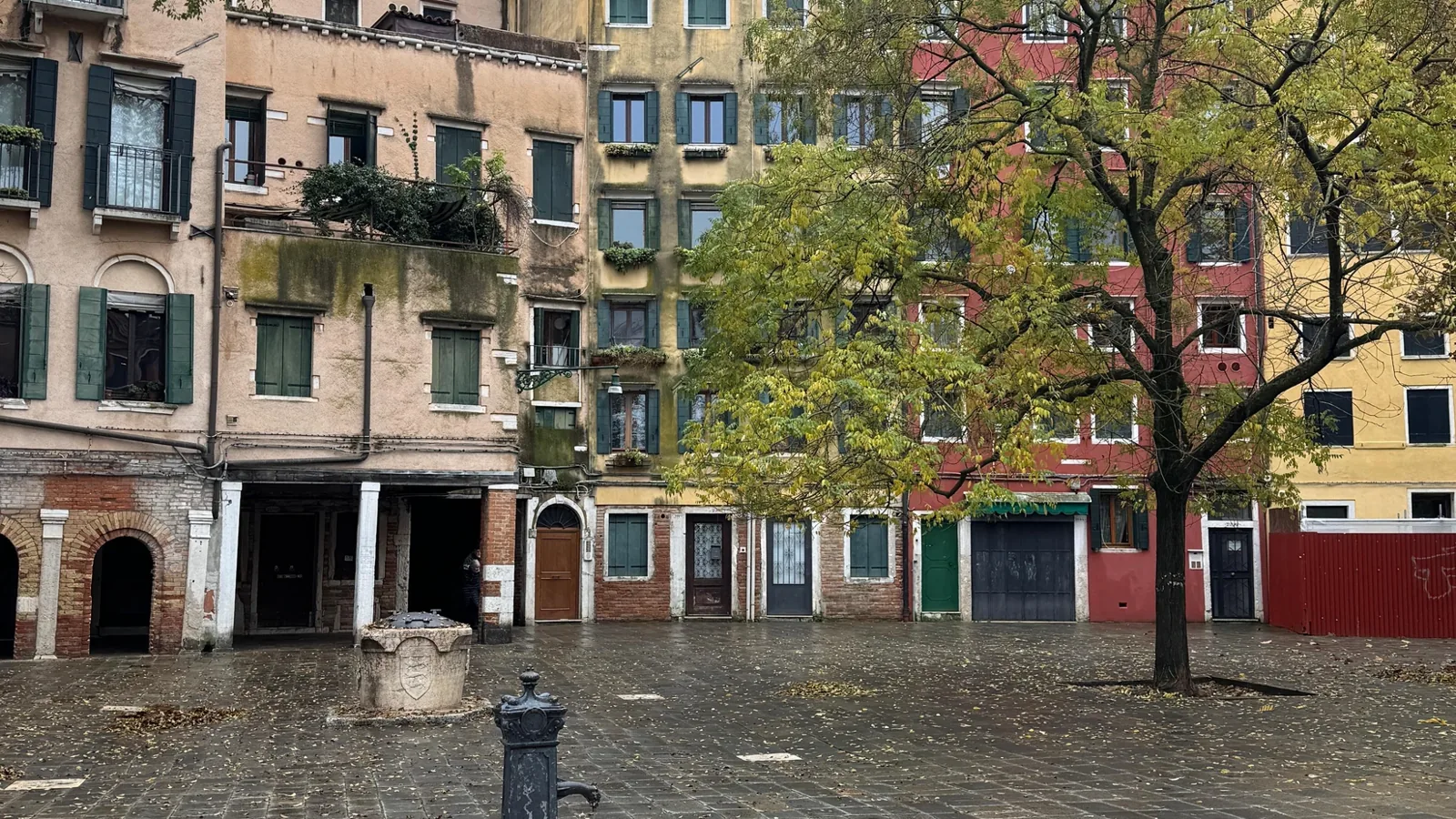
Castello: stay closer to the Arsenale and Giardini
Castello makes particular sense if your plans include the Arsenale, the Giardini or walks towards eastern Venice. Staying here saves you from treating every visit to that end of the city as an excursion from another neighbourhood. Over several days, it can help you get to know Venice beyond its familiar monumental route.
Your exact location within Castello matters: the area stretches from near San Marco to the Giardini. If you want to stay by the latter, expect a longer journey back from Rialto. If you have only one night and most of your visits are in the centre, that distance may outweigh the benefit of staying here.
Santa Croce: make arrival by road easier
Santa Croce lets you consider accommodation near Piazzale Roma, Venice’s road access point. It is a practical option if you arrive by bus or with bulky luggage and want a shorter first stretch to your room. It may also suit an early departure by the same route.
An easy arrival does not mean you will be close to everything you plan to visit. If you will spend most of your trip around San Marco or the Giardini, work out your daily routes. Accommodation that simplifies the first and last journeys may mean more walking during the rest of your stay.
Giudecca, Lido or Mestre: three different choices
These three bases are worth considering separately. Giudecca, opposite Dorsoduro, puts you on an island where you will need a boat to reach much of the historic centre. It suits you if you are happy to make that crossing part of your days. The Lido offers access to an Adriatic beach, making it appealing if you want to combine Venice with time by the sea, knowing that visits to the centre will involve travel by water.
Mestre is on the mainland. It may work if Venice is one stop on a wider trip and you value having a base outside the islands. In return, every day in the historic centre begins and ends with a transfer. Consider the full effort involved, especially if you like to head out early and return after dinner, before choosing a place based on the accommodation alone.
Before booking: check the route, not just the neighbourhood
Mark the accommodation entrance, the transport stop you will use and two places you expect to visit often on a map. Check the walking route with bridges and luggage in mind, and confirm transport arrangements closer to your trip. If you live in Venice and are booking for relatives, placing them near your own area or where you plan to meet may be more useful than placing them near St Mark’s Square.
The best choice is usually the one that saves travel time on your particular days. San Marco suits a first visit focused on landmarks; San Polo, exploring on foot; Dorsoduro, art; Cannaregio, arrival by train; Castello, plans in the east; and Santa Croce, access by road. Giudecca, Lido and Mestre widen the options if their transfers genuinely fit the way you travel.