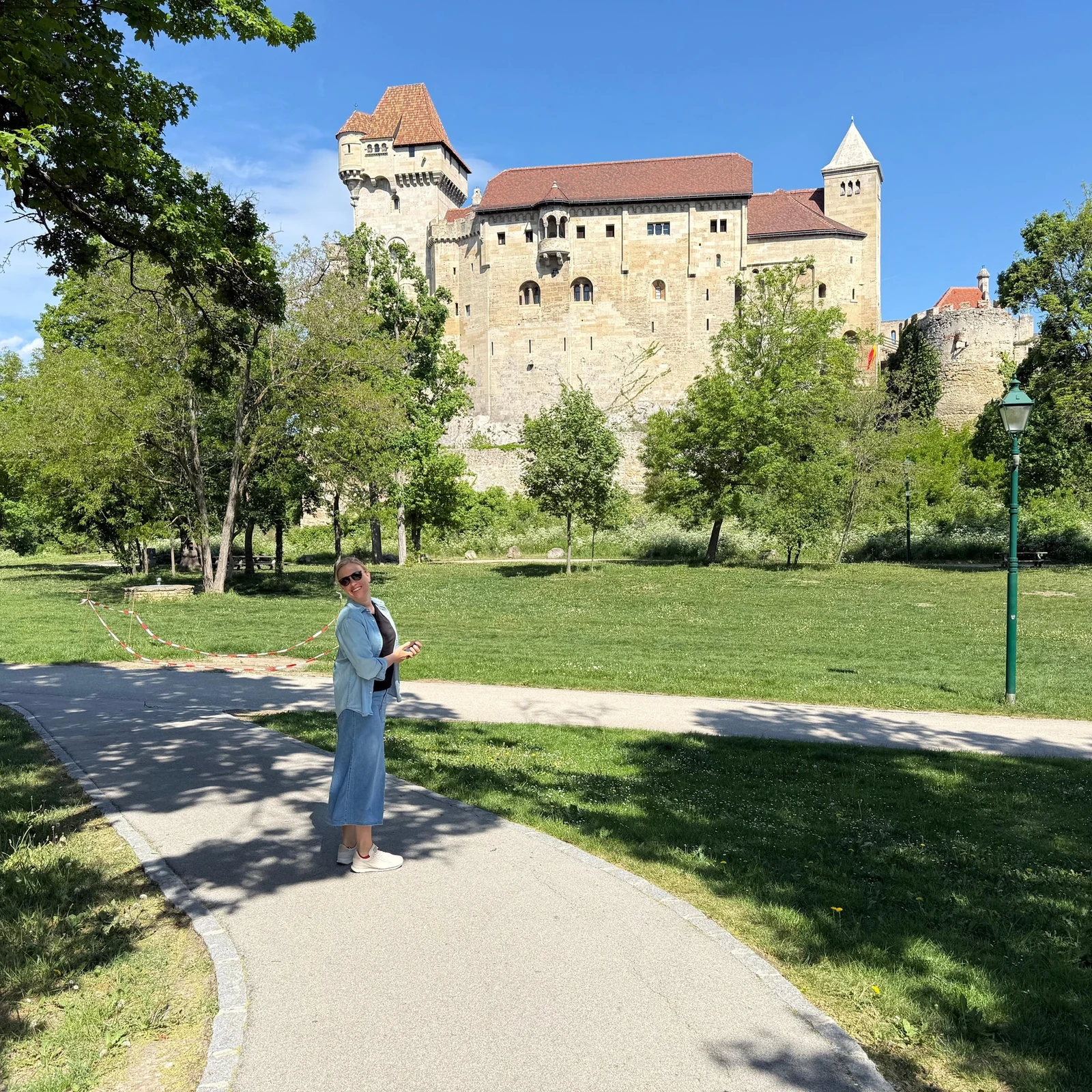
 Activity on TourBookGo
Vienna Woods Tour with an Underground Lake and Wine Tasting
Explore the Vienna Woods on an approximately 4-hour tour featuring Liechtenstein Castle, Seegrotte and a tasting of 3 wines in Gumpoldskirchen.
A guide to balancing traditional dishes, leisurely cafés, markets, street stalls and neighbourhood tables while exploring Vienna's culinary diversity.
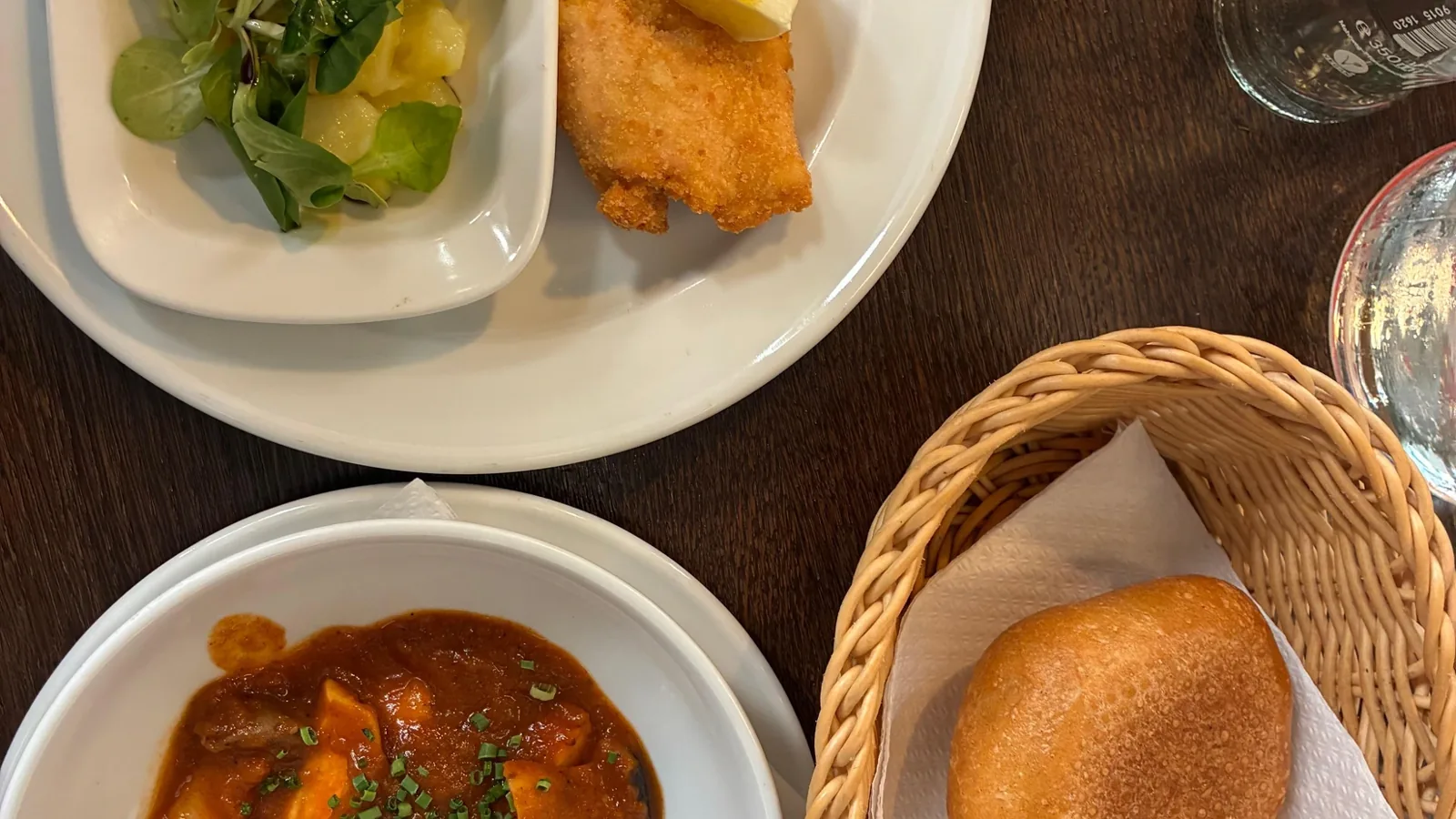
Vienna transformed Central European influences into a cuisine of its own, with stately dishes, elaborate pastries and cafés where time moves at a different pace. It also has simple taverns, markets and street stalls rooted in everyday life. The best approach is not to try everything, but to alternate a traditional meal, a light lunch, a long coffee break and an occasional venture into the less monumental neighbourhoods.
Compare locations and options to find a base that suits your trip. Booking.com confirms current availability and pricing.
Find accommodation on BookingLocal cuisine was shaped by contributions from different parts of the former Austro-Hungarian Empire. It therefore shares affinities with Czech, Hungarian, Slovak and Balkan cooking. Breaded or stewed meats, rich sauces, dough-based dishes and elaborate desserts are common, although the contemporary food scene offers far more varied ways to eat.
The best-known dish is Wiener Schnitzel: a thin veal cutlet, breaded and fried until golden. It is worth distinguishing it from versions made with pork, which may be clearly listed under another name. It is not a light dish, but when properly prepared it avoids tasting greasy and retains a crisp coating.
Tafelspitz also deserves attention: boiled beef usually served with broth, vegetables and various accompaniments. Compared with the schnitzel's immediate impact, it offers a calmer, more homely experience. Viennese goulash, bread dumplings, soups and seasonal dishes round out a tradition largely shaped by the cold climate.
There is no need to string together several heavy meals. Vienna is best enjoyed when these dishes are interspersed with simple options, international cuisine or a lighter dinner.
To get closer to Viennese cooking, it helps to recognise the word Beisl. It refers to an informal tavern, often wood-panelled and serving a menu based on familiar recipes. Not every establishment is old, nor do they all cook equally well, but the format generally offers a less ceremonial experience than the grand historic dining rooms.
A good Beisl does not need an endless menu. It is more convincing when it focuses on a manageable selection of soups, meats, stews and daily specials. Places frequented by residents at lunchtime can be an appealing way to try traditional food without turning every meal into an occasion.
In the most visited parts of the historic centre, some establishments are honest while others trade mainly on their location. A menu translated into several languages does not in itself mean that a place is bad. More revealing signs include exaggerated photographs, repeated promises of authentic cuisine without any detail and menus attempting to cover too many different styles.
Cafés are part of Vienna's urban identity. Some retain elegant rooms, formally mannered waiters and an atmosphere that invites you to read, talk or simply watch the street. The experience is not merely about ordering a drink: allowing yourself time matters too.
The variety of names can be confusing. If you are unfamiliar with the menu, the most sensible option is to ask rather than assume that every term means the same as it does in other countries. The water served with coffee and the leisurely pace of service are part of a culture in which occupying a table does not always mean consuming quickly.
Sweet options include apple-filled Apfelstrudel and various chocolate cakes, as well as pastries made with poppy seeds, nuts or fresh cheese. The celebrated Sachertorte inspires enormous expectations: its relatively dense texture and the contrast between chocolate and jam may delight some people and leave others unmoved if they expected a very moist sponge cake. Trying it is culturally worthwhile; automatically considering it the city's best dessert is another matter.
Historic cafés also tend to charge for their surroundings and reputation. Anyone seeking a peaceful experience may encounter queues and crowded rooms at the best-known venues. Neighbourhood pastry shops offer a less theatrical perspective and, at times, one closer to local routines.
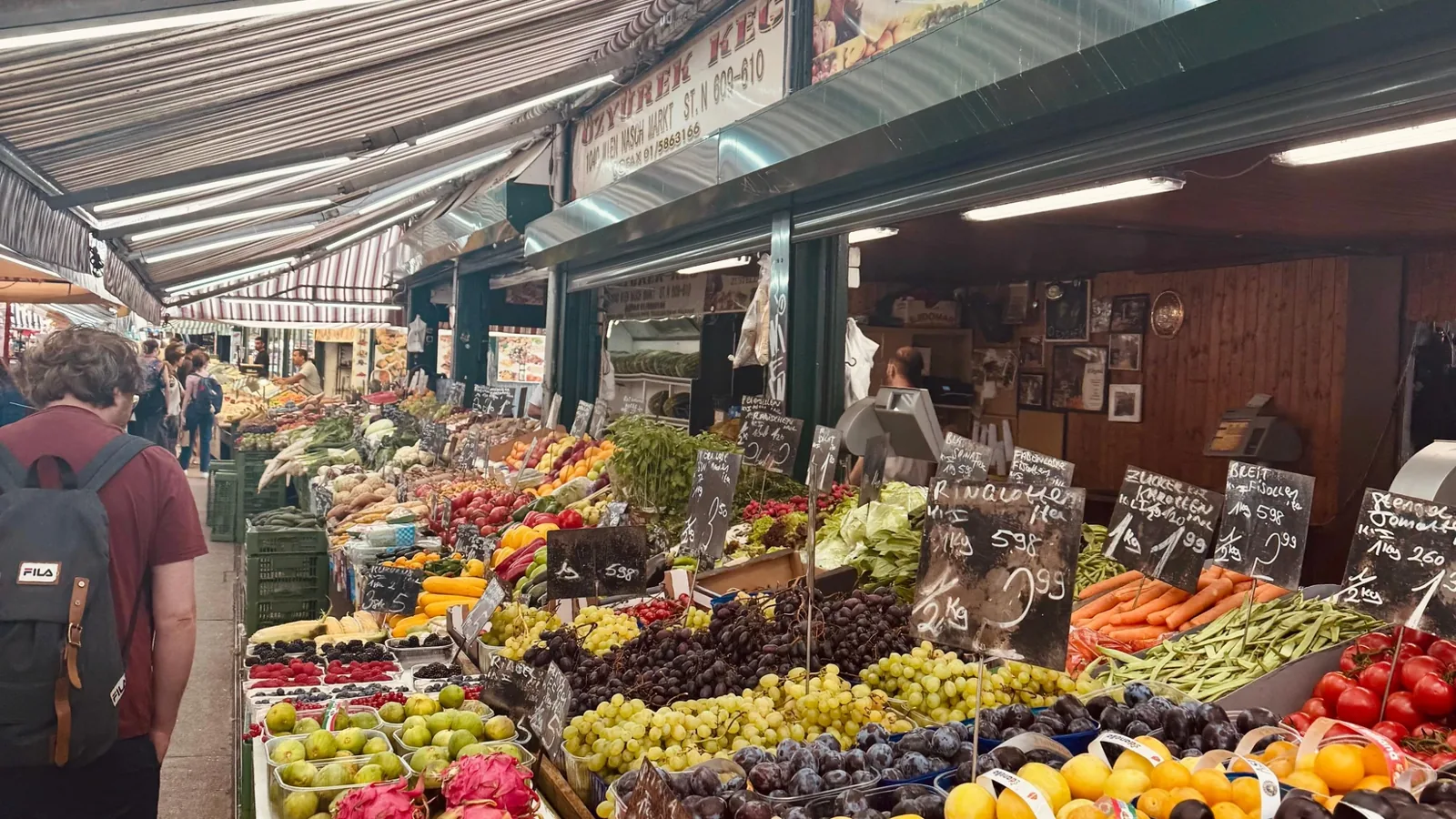
The Naschmarkt is Vienna's most famous market, combining food stalls with numerous places to eat. Its variety is appealing, but it is also a heavily visited area. It is best explored without assuming that every product represents traditional Viennese cuisine or that every establishment offers the same balance of quality, location and cost.
For a quick meal, there are the Würstelstände, sausage stands woven into the urban landscape. They let you eat standing up, watch the street go by and experience a less solemn side of the city. Varieties and accompaniments differ from one stall to another, so asking questions is a natural part of the experience.
District markets and shopping streets outside the monumental centre can reveal a more diverse Vienna. The city is home to communities that have enriched its culinary landscape, particularly with cuisines from Central Europe, the Balkans, Turkey and other regions. Choosing one of these tables does not mean straying from Vienna, but understanding its contemporary reality more fully.
The historic centre is home to celebrated addresses and beautiful dining rooms, but always eating beside the main monuments tends to make a trip more expensive and less varied. Simply step away from the busiest streets to find bakeries, small eateries, markets and lunch menus also intended for people who work or live nearby.
Saving money does not require surviving on snacks. A sensible strategy is to set aside one substantial traditional meal, opt for simpler lunches and reserve the iconic cafés for one particular break rather than every breakfast. Buying bread, fruit or prepared food can also help balance the budget, especially on longer stays.
It is worth remembering that service, water and certain accompaniments may not work in the same way as they do in a visitor's home country. Reading the menu and asking politely helps prevent misunderstandings. Nor should you assume that paying more guarantees authenticity: in Vienna, you may be paying not only for the food but also for the history of the dining room or its location.
Be wary of pressure to come inside, excessively long menus and dishes designed mainly to be photographed. It is also wise to compare options before sitting down in the busiest squares, where the terrace may matter more than the cooking.
However, avoiding every well-known place would be a mistake. Some historic establishments retain their value precisely because of their architecture, rituals and role in the city's collective memory. The useful question is not whether a place appears in every guidebook, but what you are looking for there: an excellent meal, a distinctive atmosphere, a famous dessert or a break steeped in history. If your motivation is clear, you are less likely to leave disappointed.
A balanced food itinerary might combine a Beisl, a traditional café, a sausage stand and a table connected to multicultural Vienna. This provides a more complete picture than eating schnitzel and cake throughout the entire stay.
Vienna rewards curiosity, but also moderation. Its classic cuisine can be hearty, its cafés invite you to linger and its monumental areas can command a considerable premium. Those who alternate tradition with neighbourhood life discover a city less rigid than its imperial façade suggests.
Eating well here is not about collecting famous dishes. It is about understanding when the ceremony is worthwhile, when simplicity is the better choice and when an ordinary table tells the city's story better than its most photographed dining room.
After choosing where to eat in Vienna, compare a wine-tasting day trip from Vienna and two cultural plans to complete your day.
Activity on TourBookGoExplore the Vienna Woods on an approximately 4-hour tour featuring Liechtenstein Castle, Seegrotte and a tasting of 3 wines in Gumpoldskirchen.
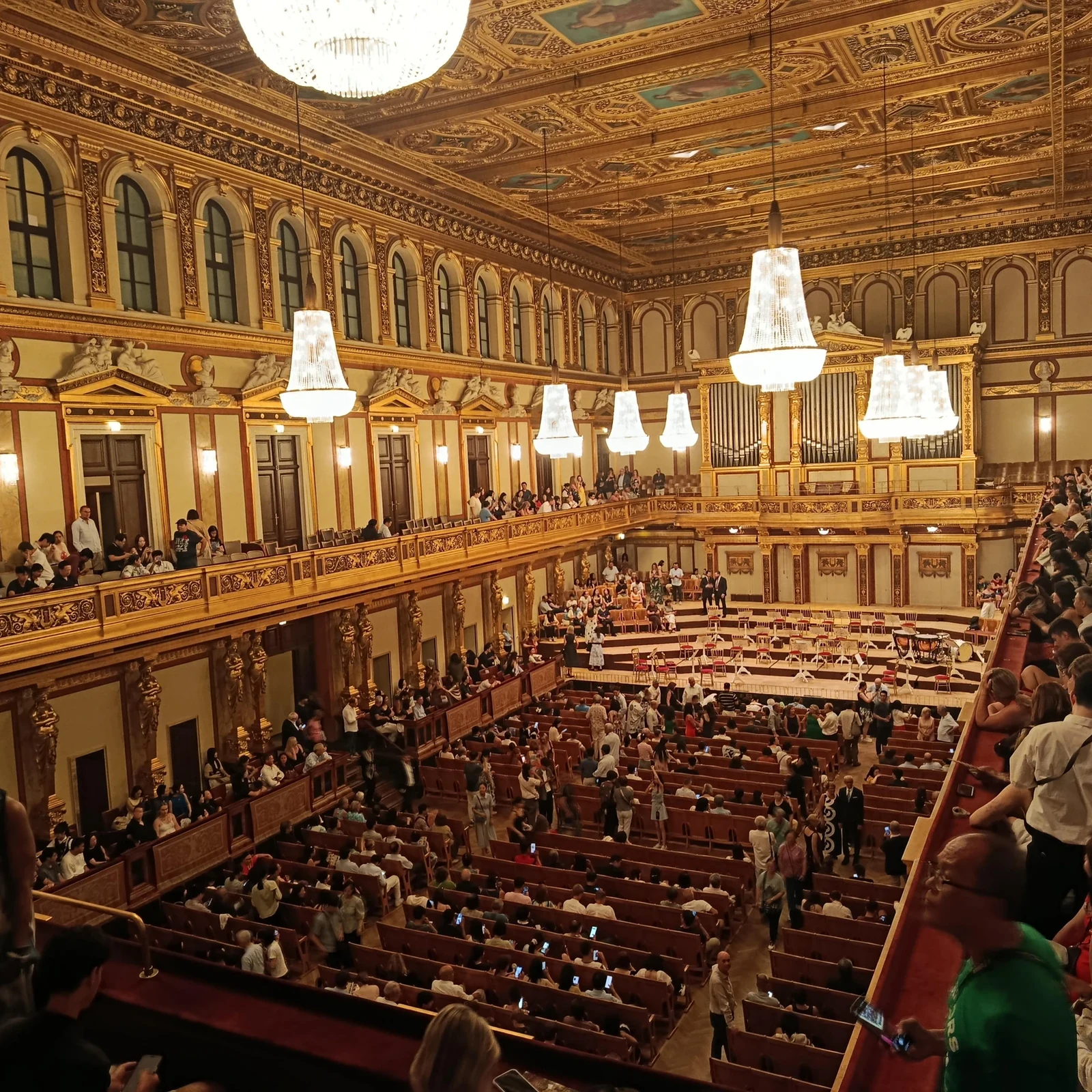 Activity on TourBookGo
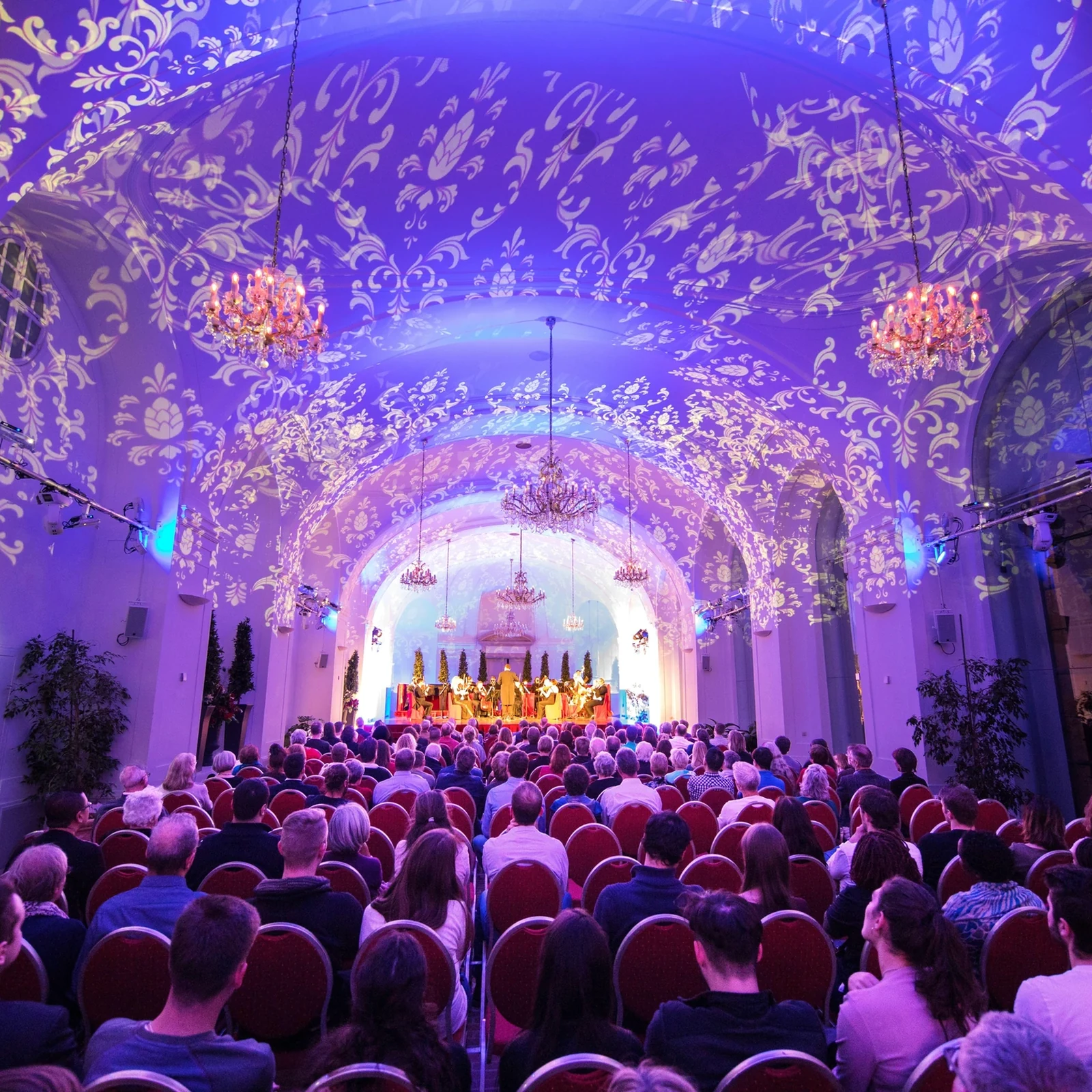
Hear Mozart and Johann Strauß with the Vienna Mozart Orchestra in the Golden Hall. Compare seating categories, conditions and practical tips.
 Activity on TourBookGo
Hear Mozart and Strauss at Schönbrunn with an orchestra, soprano and baritone. Compare ticket categories and check the venue, entrance and time.