 Activity on TourBookGo
Hiroshima electric bike tour through the city's history
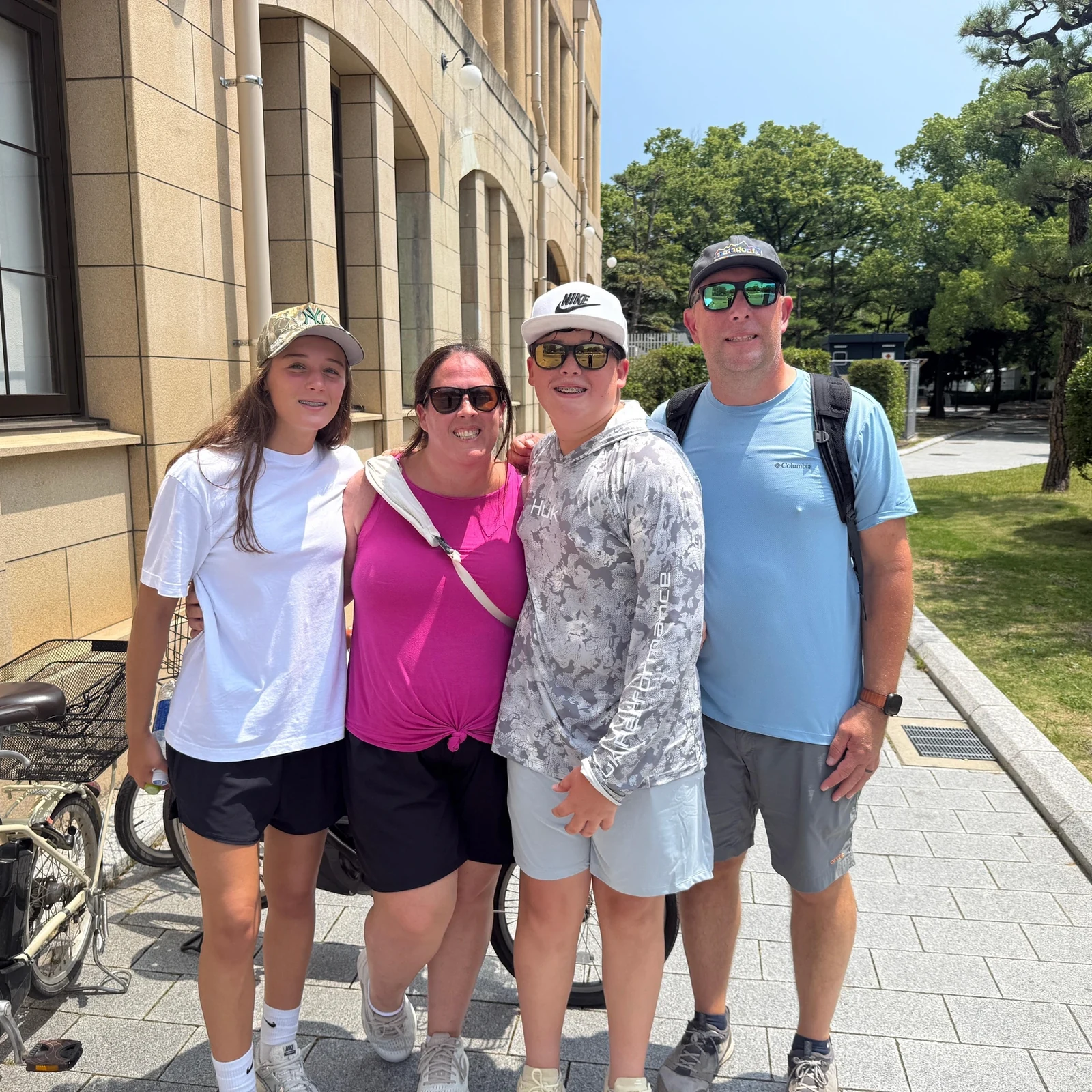
Take a Hiroshima electric bike tour for 2-3 hours with a local guide, visiting Peace Memorial Park, the Atomic Bomb Dome and historic sites. From €45.
Learning how to get around Hiroshima is easier than it may first appear. The city stretches between rivers, broad avenues and relatively flat neighbourhoods, while its trams pass modern buildings and reminders of the past. For most travellers, the best approach is to combine the Hiroshima tram, walking and the train-and-ferry route to Miyajima.
Public transport in Hiroshima makes it easy to visit the city centre, Peace Memorial Park and Miyajima without hiring a car. A vehicle can be useful for exploring rural parts of the prefecture, but in central Hiroshima it usually adds parking costs, traffic and unnecessary hassle.
Compare locations and options to find a base that suits your trip. Booking.com confirms current availability and pricing.
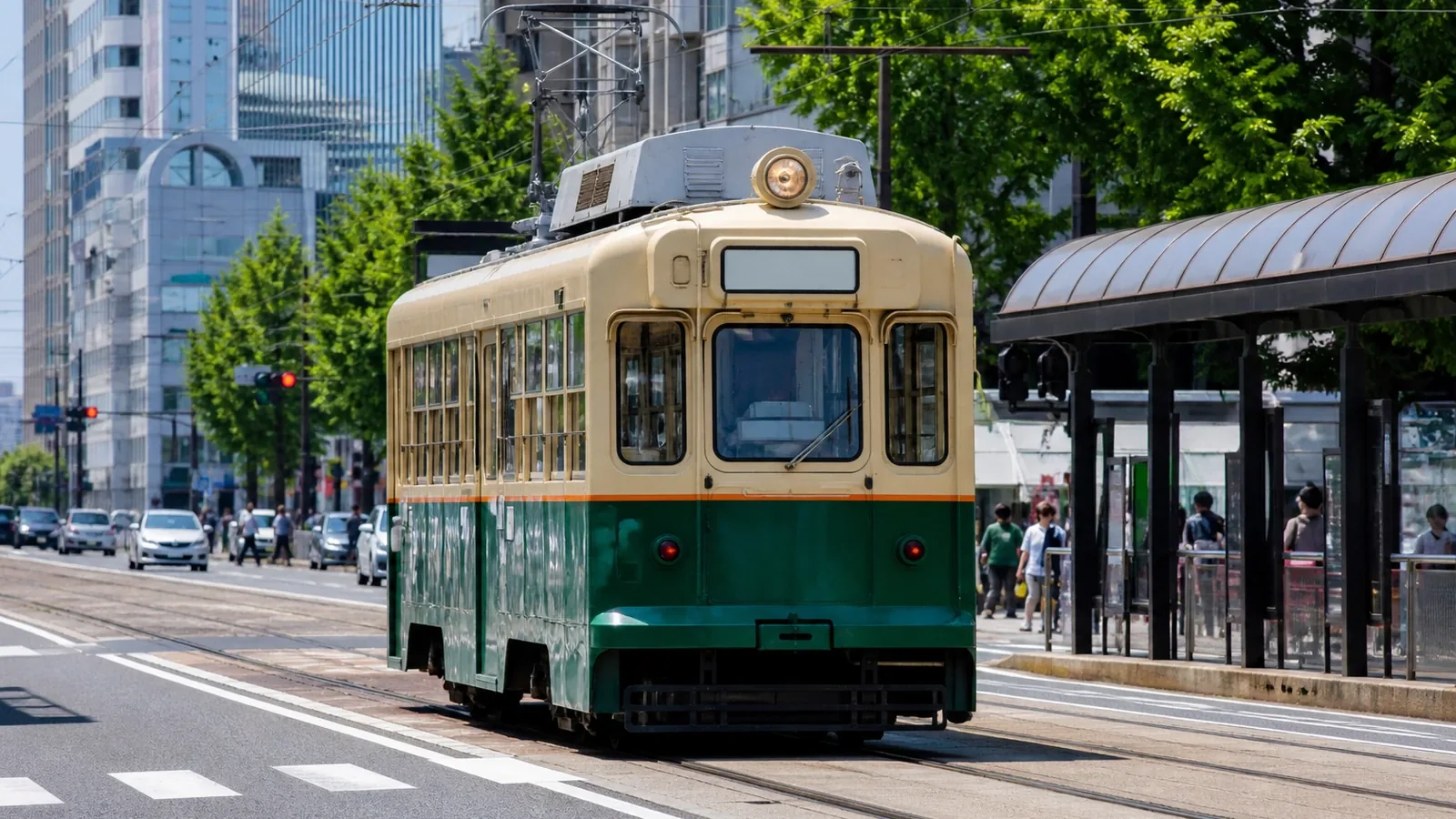
Find accommodation on BookingThe Hiroshima Electric Railway network, commonly known as Hiroden Hiroshima, connects the station with the city centre, Peace Memorial Park, shopping districts, the port and Miyajimaguchi. Far more than a historical attraction, it is a practical everyday form of transport woven into city life.
From Hiroshima Station, lines 2 and 6 run to Genbaku Dome-mae, the stop beside the Atomic Bomb Dome. The journey usually takes around twenty minutes, although it may take slightly longer when traffic is heavy.
Before boarding, check the line number and destination shown on the front of the tram. Passengers board through the designated doors. With a compatible IC card, tap the reader when entering and again when getting off. Passengers paying in cash pay the fare as they leave, beside the driver.
The system is straightforward, but it can be confusing at first because some trams share part of the route before branching off. Looking only at the colour of the vehicle is a mistake: the line number and final destination are what matter.
Central Hiroshima is easy to explore on foot. The Atomic Bomb Dome, Peace Memorial Park, Hondori and the main shopping areas form a fairly compact cluster. From there, you can continue to Hiroshima Castle and Shukkeien Garden, although you may end the day having walked farther than expected.
Hiroshima Station is some distance from Peace Memorial Park, roughly two kilometres in a straight line. Walking is possible, but it is not always the best introduction to the city, particularly with luggage, in the rain or during the humid summer heat.
A practical option is to take the tram from the station to the Atomic Bomb Dome, then explore the park, museum, Hondori and the city centre on foot. Hiroshima is best understood at street level, beside its rivers and bridges, but there is no need to turn every journey into a walk.
The Meipuru-pu Hiroshima sightseeing bus connects Hiroshima Station with several central attractions, including Peace Memorial Park, the area around Hiroshima Castle and Shukkeien Garden. It may be more convenient than the tram for travellers following a conventional sightseeing route or working with limited time.
Its main drawback is that traffic can make journey times less predictable. Trams also run through areas shared with other vehicles, but visitors usually find them easier to identify. For a first stay, there is no need to master the entire local bus network: the tram and Meipuru-pu cover most sightseeing needs.
Hiroshima is flat, has broad riverside areas and offers a shared electric bicycle system called Peacecle, with docking stations throughout the city centre. Rentals and returns are managed by smartphone.
A bicycle gives you the freedom to travel between Peace Memorial Park, Hiroshima Castle, Shukkeien Garden and less touristy neighbourhoods. However, it is not the most comfortable option in heavy rain, during the hottest summer hours or for anyone unfamiliar with cycling in Japanese cities.
It is also important to use designated parking areas. Leaving a bicycle wherever you like can cause problems, even if you are only stopping briefly.
There are three main ways to reach Miyajima from Hiroshima: combine the JR train and ferry, take the tram to Miyajimaguchi or use the direct boat from Peace Memorial Park.
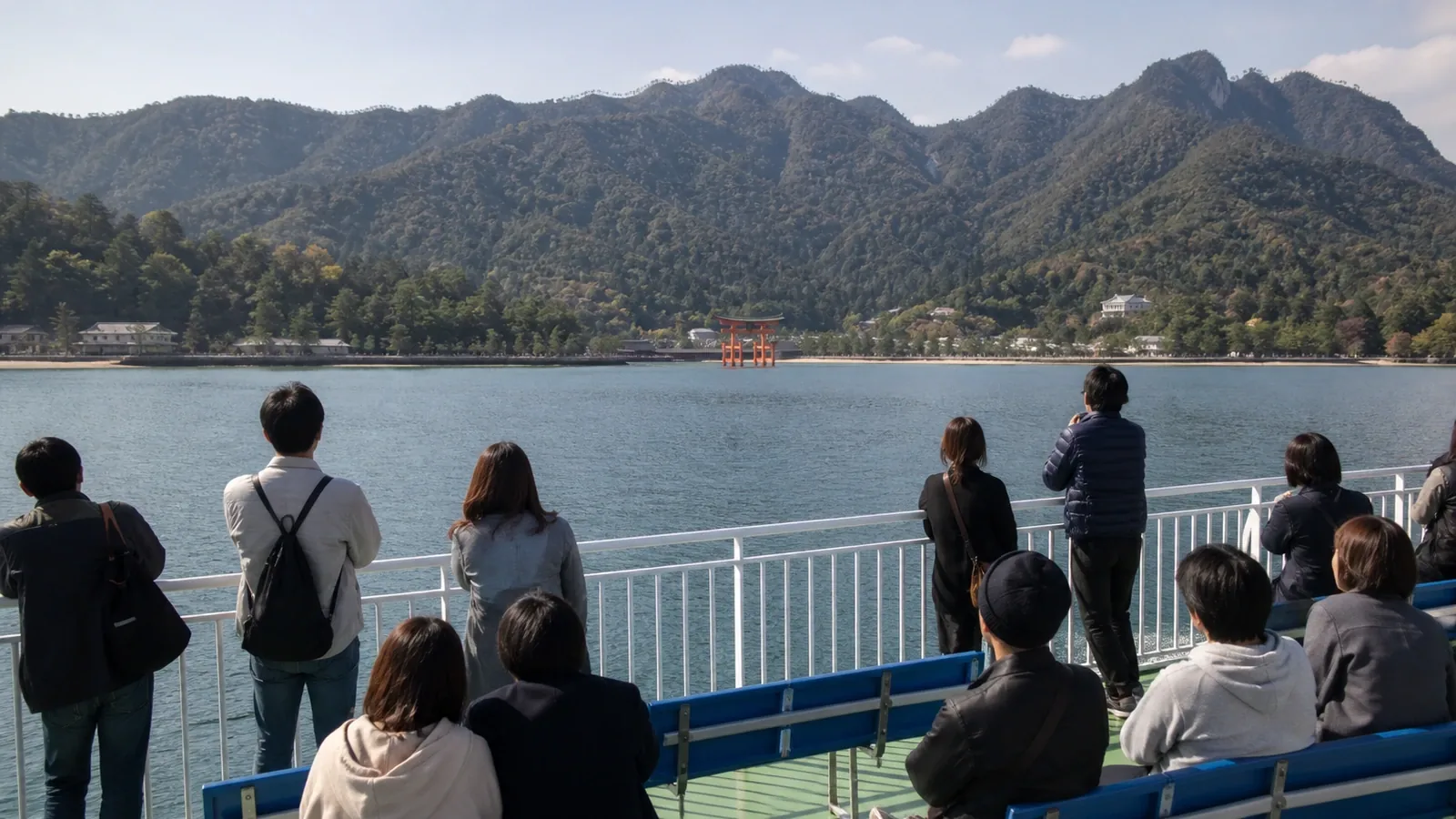
The usual route is to take a train on the JR Sanyo Line to Miyajimaguchi, then walk to the ferry terminal. From there, the ferry crosses the strait to Miyajima.
The JR ferry accepts IC cards and certain JR rail passes. Some services follow a route that offers views of Itsukushima’s great torii gate from the water, although the exact experience depends on the route and conditions at the time.
This is usually the most practical combination for reaching Miyajima and making the most of the day.
Hiroden line 2 continues from central Hiroshima to Hiroden-Miyajimaguchi. There is no need to transfer to a conventional train, but the full journey from Hiroshima Station is considerably slower than taking JR. According to the operator, the end-to-end journey usually takes more than an hour.
It may suit travellers who are in no hurry, tram enthusiasts or anyone staying somewhere with particularly convenient access to the Hiroden network.
There is also a high-speed boat connecting the pier near the Atomic Bomb Dome directly with Miyajima. It is an appealing alternative: you leave the city by travelling slowly along its rivers before heading into the bay, with no intermediate transfers.
However, it costs more than the train-and-ferry combination, seating is limited and some services may be affected by the tides. It is advisable to check the timetable and availability for the day of travel.
For visiting the city, Peace Memorial Park and Miyajima, usually not. Public transport in Hiroshima covers these journeys well, and parking near some attractions can be inconvenient. The Atomic Bomb Dome, for example, has no dedicated visitor parking.
A car starts to make sense when the trip continues into rural areas, coastal towns or natural attractions with less frequent transport links. Even then, it is usually better to hire one only for those particular days rather than keep it for the entire stay.
Spend the first day in central Hiroshima, taking the tram to Peace Memorial Park and continuing on foot through the Atomic Bomb Dome, the museum and Hondori. Add Hiroshima Castle or Shukkeien Garden with a longer walk, the sightseeing loop bus or an electric bicycle rental.
For Miyajima, take the JR train to Miyajimaguchi and continue by ferry. The direct boat from Peace Memorial Park is more atmospheric and convenient, but it works best as a deliberate choice rather than the automatic option: you are paying to avoid transfers and make the journey part of the experience.
Hiroshima moves at a gentle pace. The real mistake is not taking the wrong tram, but trying to fit too much into a single day. Here, journeys also reveal the rivers, rebuilt neighbourhoods and everyday life of a city that deserves to be observed without rushing.
Discover selected experiences in Hiroshima to complete this guide with history, local culture, food, Miyajima and well-organised tours.
Activity on TourBookGoTake a Hiroshima electric bike tour for 2-3 hours with a local guide, visiting Peace Memorial Park, the Atomic Bomb Dome and historic sites. From €45.
 Activity on TourBookGo
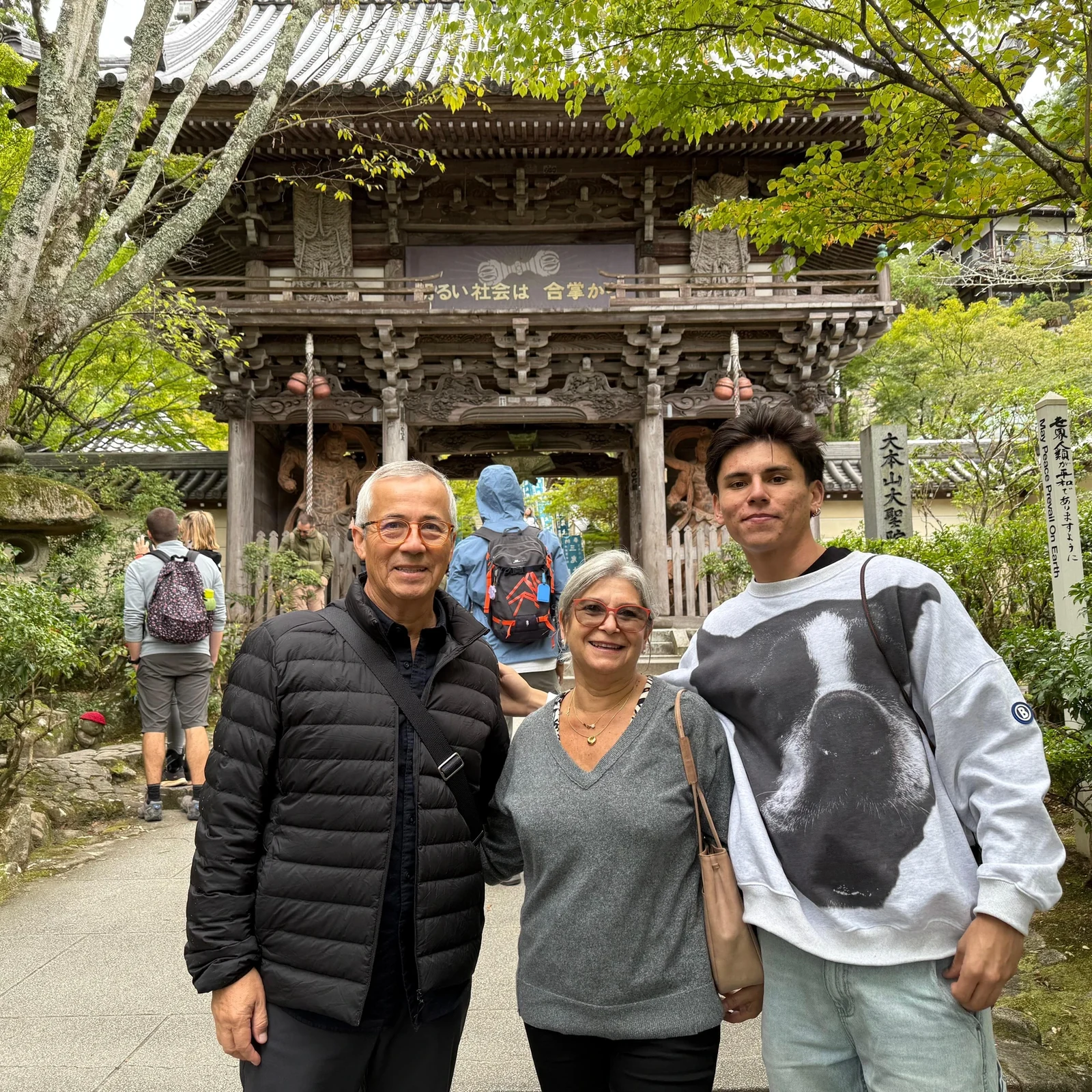
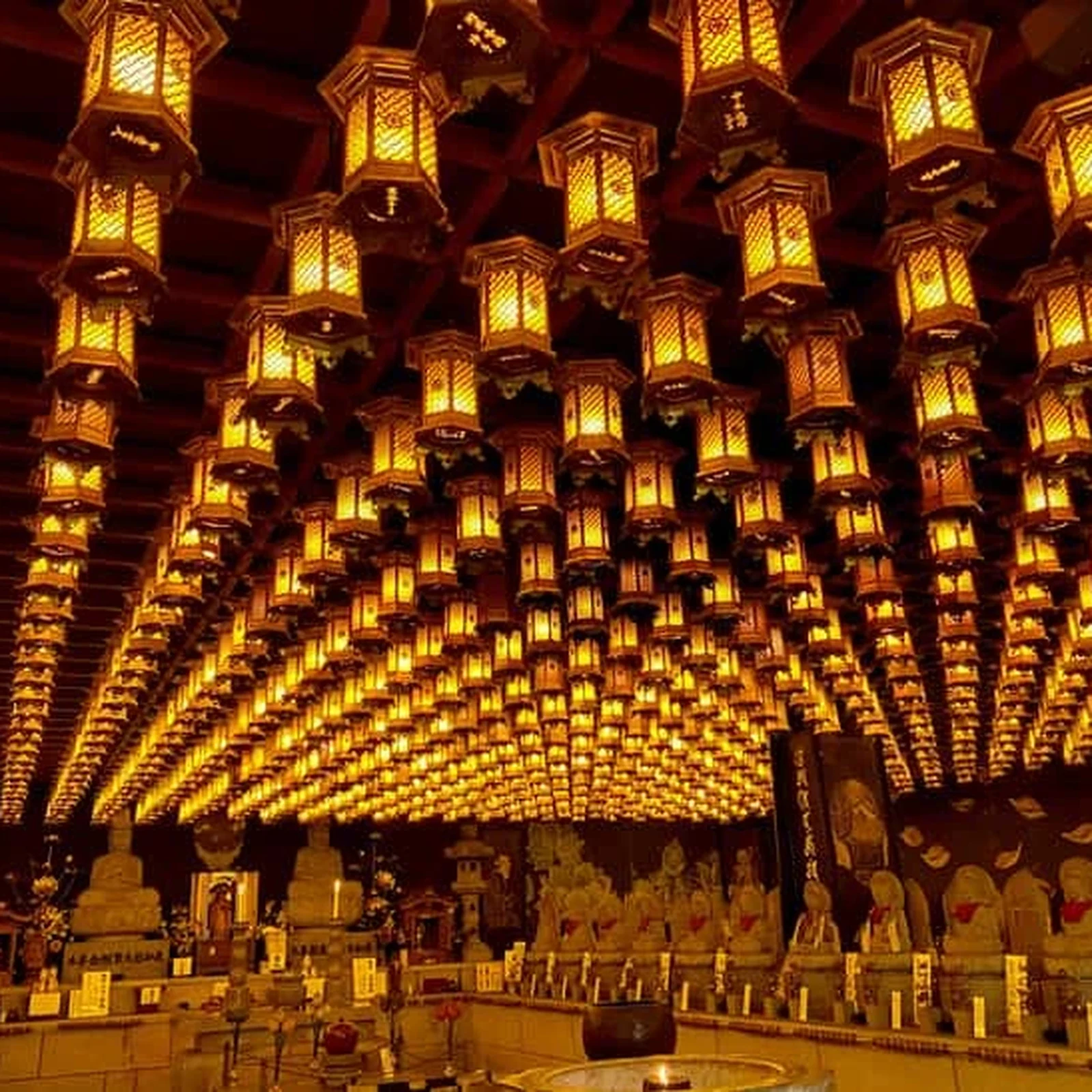
Book a Hiroshima and Miyajima private tour lasting 2 to 7 hours with an English-speaking local guide, flexible itinerary, Peace Park and Itsukushima.
 Activity on TourBookGo
Book a Hiroshima and Miyajima private tour of around 7 hours with a local guide, including Itsukushima Shrine and Peace Memorial Museum admission.