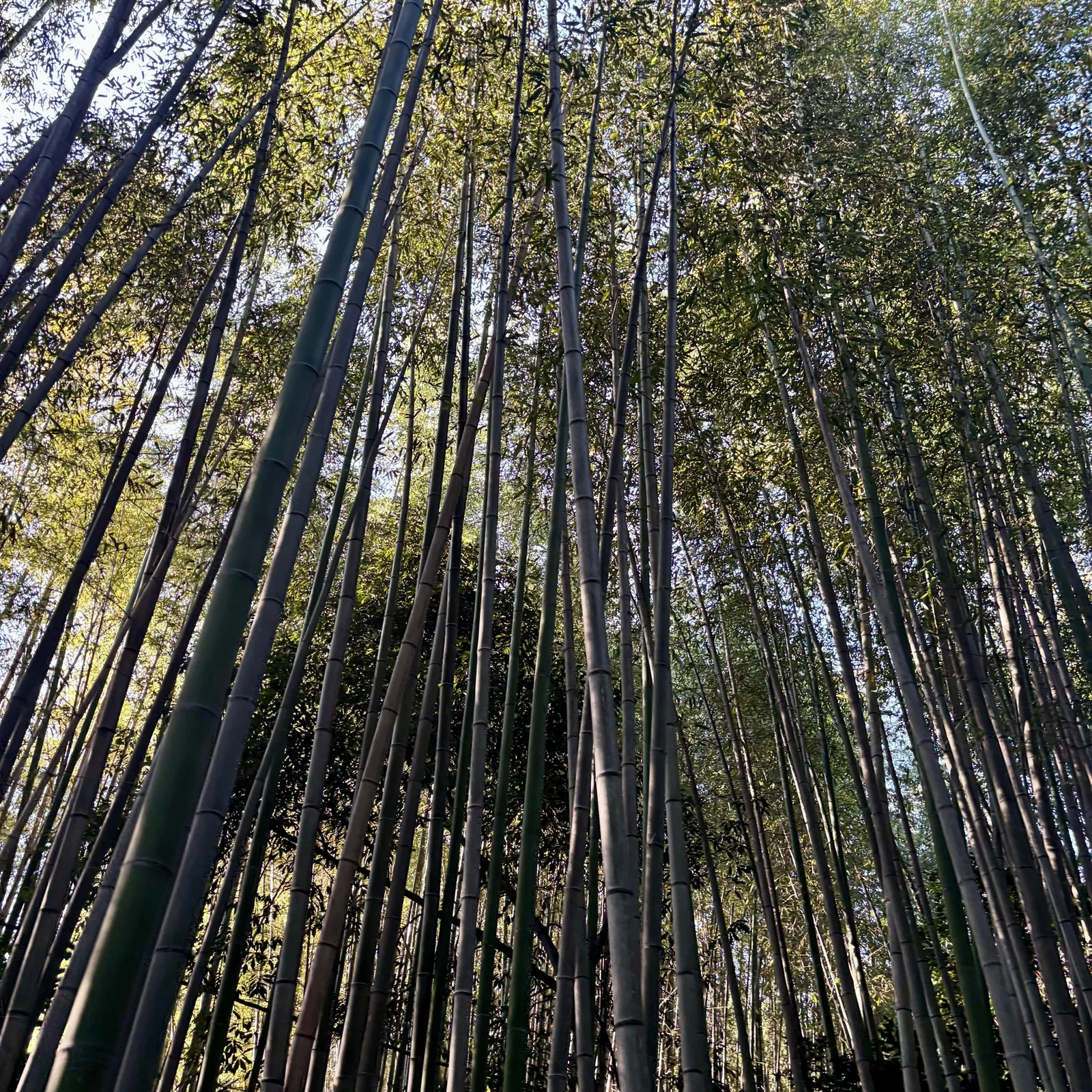
 Activity on TourBookGo
Arashiyama Rickshaw Tour through the Bamboo Forest
Book an Arashiyama rickshaw tour with a local guide, Kyoto bamboo forest route, photo stops, and private options from 45 to 190 minutes.
How to get around Kyoto becomes much easier when you combine train, subway, bus, walking and, at the right moments, taxi or bicycle.
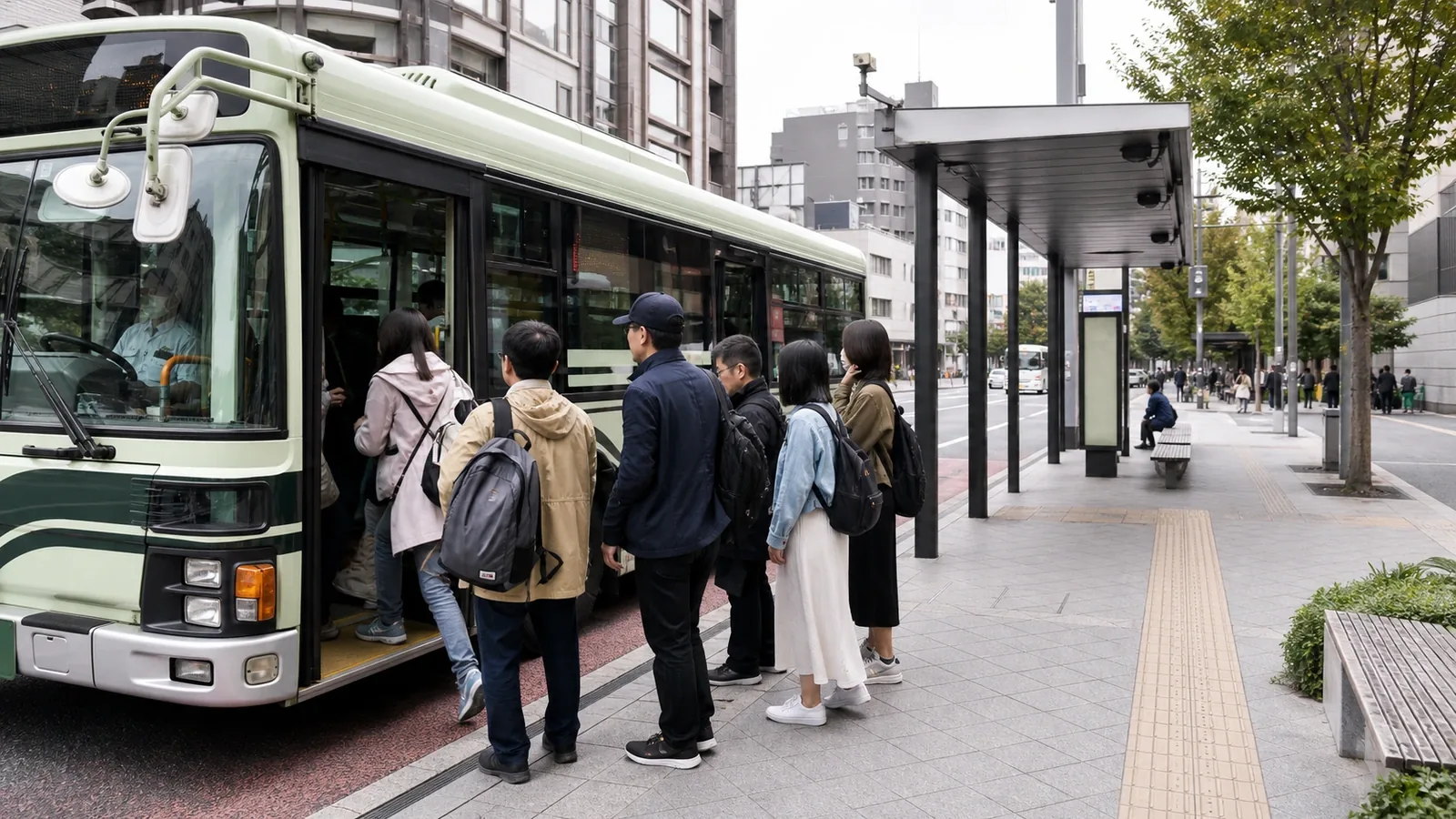
How to get around Kyoto is not about choosing one perfect transport option, but about understanding the city’s rhythm. Kyoto does not work like a major capital with instant connections: it unfolds in layers, with straight avenues, wooden neighborhoods, hillside temples, quiet rivers and narrow streets where a packed bus can cost you more patience than time. The key is to combine Kyoto public transport — train, subway and bus — with well-planned walks and, when it makes sense, a taxi or bicycle.
Compare locations and options to find a base that suits your trip. Booking.com confirms current availability and pricing.
Find accommodation on BookingFor most travelers, the most sensible formula is to use trains and the subway for longer journeys, buses for the final stretch to certain temples, and walking within neighborhoods such as Gion, Higashiyama, Pontocho, Nishiki, or Arashiyama. Kyoto’s official guide recommends relying on public transport — trains and buses — to avoid congestion, and highlights three practical ideas: combine trains and buses, consider the one-day subway and bus pass, and travel without heavy luggage.
Kyoto is not best enjoyed as a military-style checklist of monuments. Two temples may look close on the map and still involve a long wait, an unexpected slope, or a street so crowded that you are forced to slow down. During cherry blossom season, autumn, or sunny weekends, transport can become slow: an apparently short route can take much longer because of traffic and congestion.
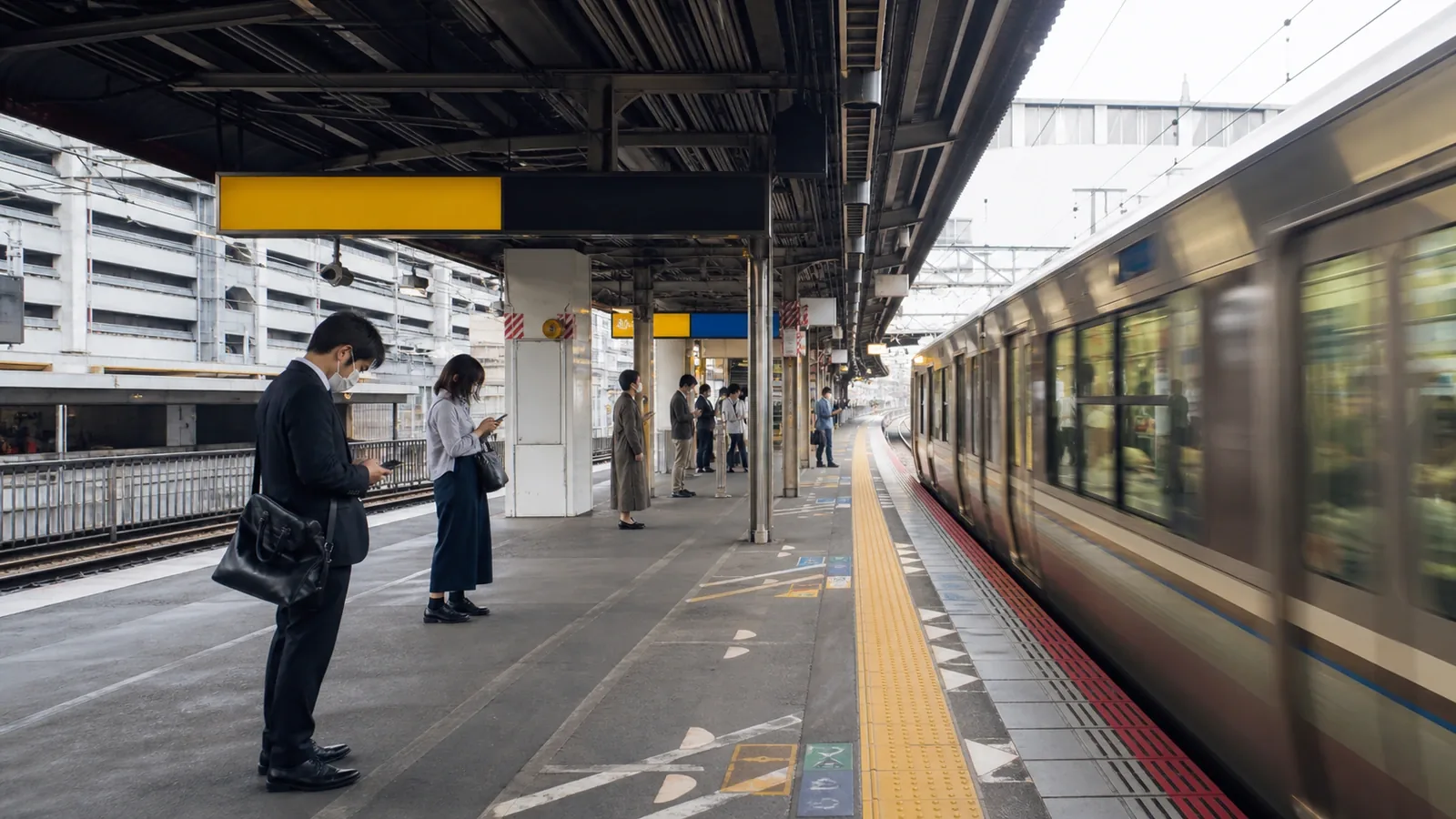
Kyoto’s subway is limited, but very useful when it fits your route. It makes sense for getting around areas such as Kyoto Station, Karasuma, Sanjo, Nijo, Higashiyama, or Yamashina. Private railways and JR trains are also essential: Fushimi Inari, Arashiyama, Tofukuji, and other areas are better reached by train than by bus.
From Kyoto Station, use these rough references: Fushimi Inari around 10 minutes, Shijo-Kawaramachi around 20, Arashiyama around 25, Kiyomizudera around 35, Kinkaku-ji around 40, and Ohara around 60. Treat them as guidelines, not promises on very busy days.
The bus reaches places the subway does not. It is especially useful for Kinkaku-ji, Ginkaku-ji, some parts of Higashiyama, temples in the north, and areas without a nearby station. But it is also the mode of transport most likely to disappoint: packed vehicles, busy stops, queues, traffic, and travelers with suitcases taking up space that is already scarce.
Rapid tourist buses such as EX100 and EX101 on the Rakuraku line can help on popular routes, but it is still best not to design an entire day around a chain of bus journeys.
For individual trips, an IC card such as ICOCA, Suica, or PASMO is convenient: the main IC transport cards are accepted on Kyoto city buses and the subway.
If you are planning to take several rides in one day, the Subway & Bus 1-Day Pass may pay off. It allows unlimited travel on the day of activation on the subway, city buses, and some Kyoto Bus, Keihan Bus, and West Japan JR Bus lines; the listed price is 1,100 yen for adults and 550 yen for children, and it does not work as a 24-hour pass, but only for the calendar day on which it is used.
For visiting Kyoto city, almost never. A car may seem to promise freedom, but it usually turns into a combination of traffic, parking lots, narrow streets, and stress. It can make sense if you want to explore rural areas, mountains, remote villages, or routes outside the classic tourist circuit. For urban temples, historic neighborhoods, and two- or three-day visits, public transport and the occasional taxi are more reasonable.
The exception is travelers with reduced mobility, families with small children, or people staying far from the center. Even then, it is worth considering taxis for specific stretches rather than renting a car for the whole stay.
Kyoto is understood on foot. There are routes that should not be solved with transport even when the map allows it: from Gion to Kiyomizudera, for example, the walk itself is part of the experience, with its lanterns, slopes, sweet shops, dark wood, and drifting incense. The same is true along the Kamo River, in Pontocho at sunset, or on the Philosopher’s Path when the light falls between cherry trees, maples, and low houses.
The mistake is thinking you can walk the entire city. Kyoto is spread out, and jumping from Arashiyama to Fushimi Inari, then to Kinkaku-ji, and then to Higashiyama in a single day can turn poetry into exhaustion.
A bicycle can be one of the most graceful ways to discover Kyoto, especially in the flat areas of the center, along the Kamo River, or in Arashiyama. The city is considered fairly bike-friendly because the center is relatively flat and follows a structure of straight streets.
But it should not be romanticized. In Japan, traffic keeps to the left, bicycles are considered vehicles, and parking on the street outside designated areas is illegal in Kyoto; improperly parked bicycles may be removed, and the listed retrieval fee is 3,500 yen.
Cycling is worth it if you are traveling light, the weather is good, and you are not in a hurry. It is not the best choice in heavy rain, humid summer heat, with children who are unsteady on two wheels, or on an itinerary full of temples where you will have to look for parking again and again.
A taxi in Kyoto should not be your main plan, but it can save the day. It makes sense at the end of a tiring day, in the rain, at night, with sleeping children, or when a public transport route requires two awkward transfers. It is also useful for reaching certain temples early, before the groups arrive.
What is not advisable is using it to cross the city during heavy traffic. In high season, a taxi can get stuck in the same congestion as the buses.
Kyoto calls for traveling light. Boarding a packed bus with a large suitcase is not only uncomfortable: it also affects local life. The city recommends using lockers, luggage storage services, or luggage delivery; in addition, staff may prevent you from boarding a bus or train if your luggage is considered too large or inconvenient because of its size or quantity.
The most elegant option is to leave your suitcases at Kyoto Station, send them to your hotel, or plan your first and last day with extra margin. Kyoto becomes much kinder when your hands are free.
The first mistake is always taking the bus from Kyoto Station. Instead of concentrating everything there, use secondary stations closer to your destination, such as Nijo, Enmachi, Tofukuji, or Yamashina, to spread out journeys better and avoid crowds.
The second mistake is planning by distance rather than by neighborhood. A good day in Kyoto groups areas together: Arashiyama with Sagano; Gion with Higashiyama; Fushimi Inari with Tofukuji; Kinkaku-ji with Ryoan-ji or the northwest. Jumping from one end to the other breaks the rhythm.
The third mistake is moving around the most famous places at midday in high season. Kyoto is much more generous early in the morning or at the end of the afternoon, when the streets recover a little breathing room.
For a first trip, the most balanced approach is to stay near Kyoto Station, Karasuma, Shijo, Sanjo, or Kawaramachi; use trains and the subway whenever possible; take buses only when they are truly necessary; walk within each neighborhood; and reserve taxis for rain, tiredness, or difficult journeys.
Kyoto does not reward the traveler who rushes. It rewards the one who knows how to link a few places together intelligently. A temple at dawn, a short train ride, a walk between old houses, a stop for tea, a bus only when it is needed. That is how the city stops being a complicated map and becomes something rarer: a calm way of moving forward.
Find activities in Kyoto to complete your trip without breaking the city’s rhythm.
Activity on TourBookGoBook an Arashiyama rickshaw tour with a local guide, Kyoto bamboo forest route, photo stops, and private options from 45 to 190 minutes.
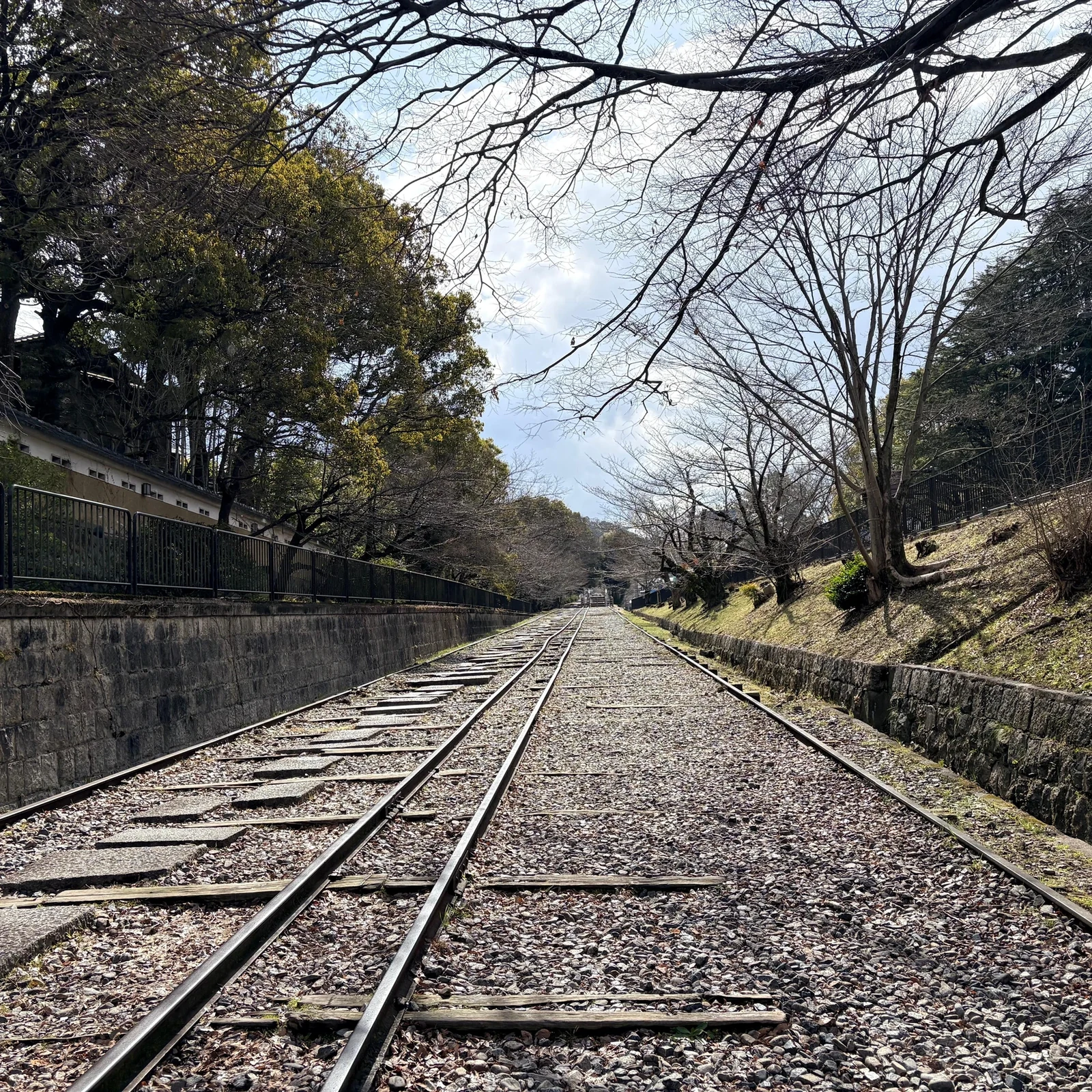 Activity on TourBookGo
Book a Kyoto electric bike tour with a local English-speaking guide, small group, Gion, temples, quiet backstreets and hidden corners.
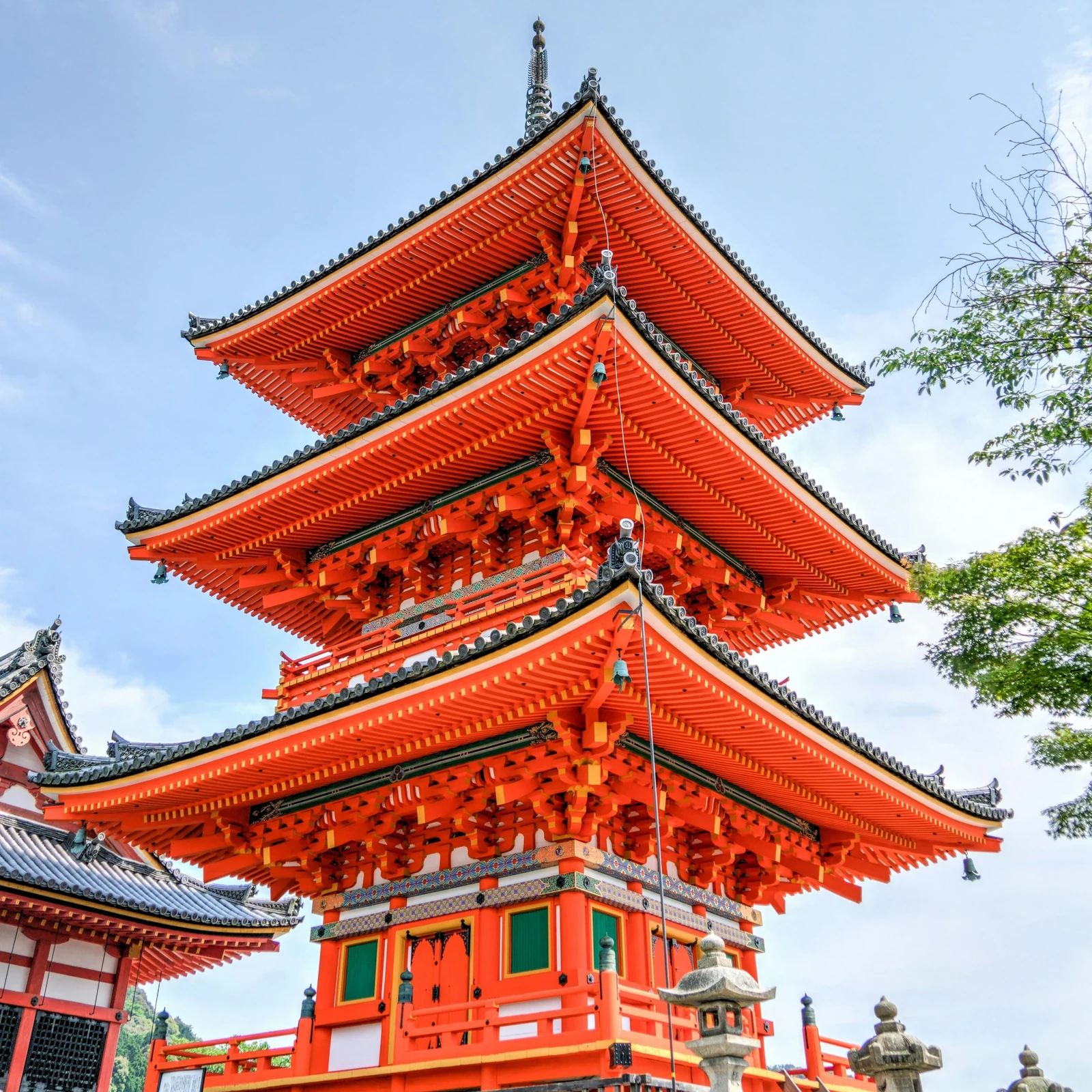 Activity on TourBookGo
Book a private Kyoto tour with guide and vehicle, hotel pickup, and a customizable route to see temples, Gion, Arashiyama, and more without relying on public transport.