 Activity on TourBookGo
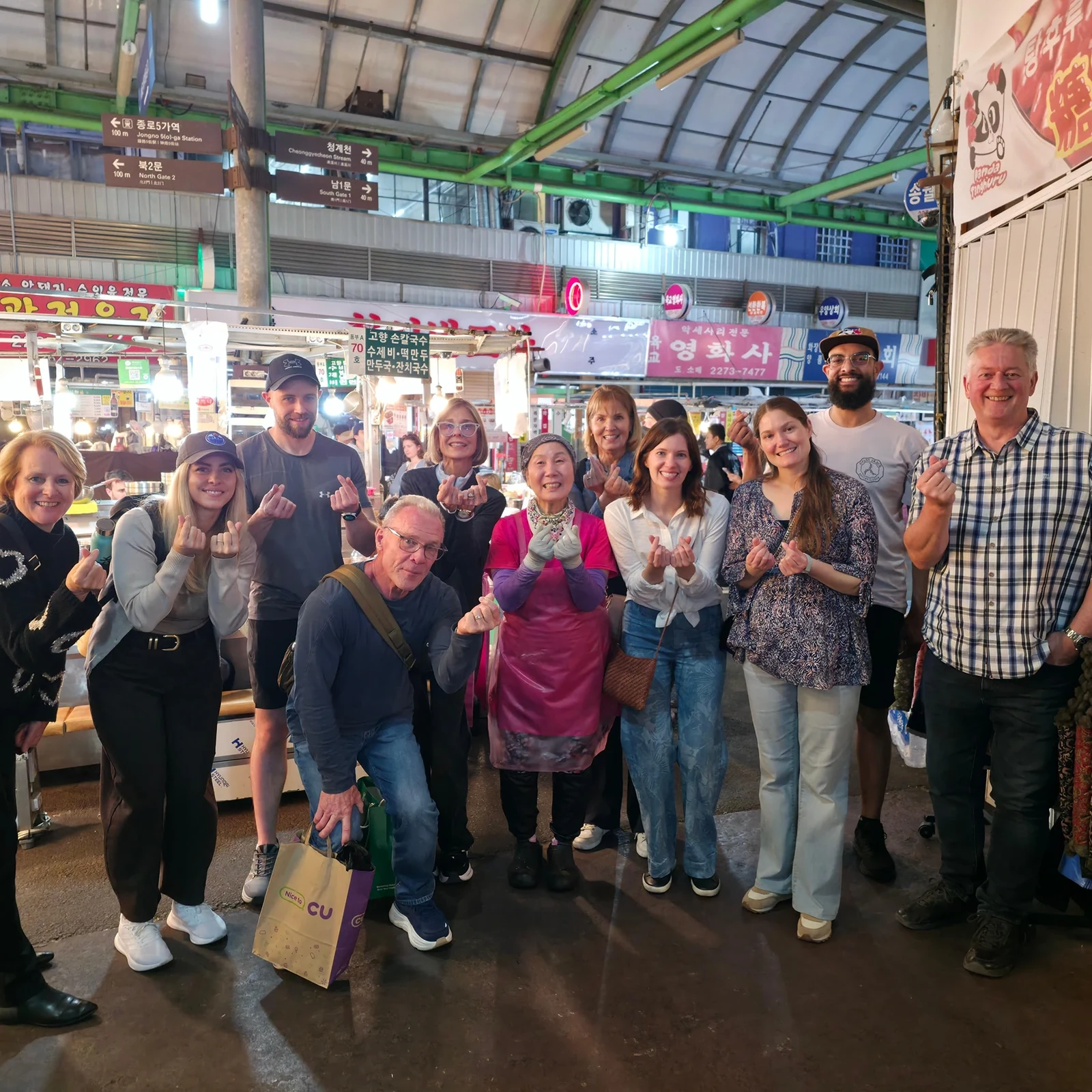
Gwangjang Market food tour with Korean street food
Explore this Gwangjang Market food tour in Seoul with up to 10 Korean tastings, drinks and an English-speaking guide over approximately two hours.
Wondering where to eat in Seoul? Discover the city through steaming soups, Korean barbecue grills, lively food markets and specialist restaurants that have perfected one dish over decades.
Knowing where to eat in Seoul opens the door to one of the most rewarding sides of the city. Beyond Korean barbecue, you will find steaming soups, noodle alleys, markets where oil starts sizzling early in the morning and tiny restaurants with menus of barely three dishes that have spent decades perfecting the same recipe. The choice is enormous, but quality can vary. Memorable kitchens sit alongside venues designed for photographs, authentic markets have become tourist attractions, and traditional restaurants often make the language barrier part of the experience. This Seoul food guide brings together markets, traditional restaurants, Korean dishes and practical tips to help you choose wisely.
Compare locations and options to find a base that suits your trip. Booking.com confirms current availability and pricing.
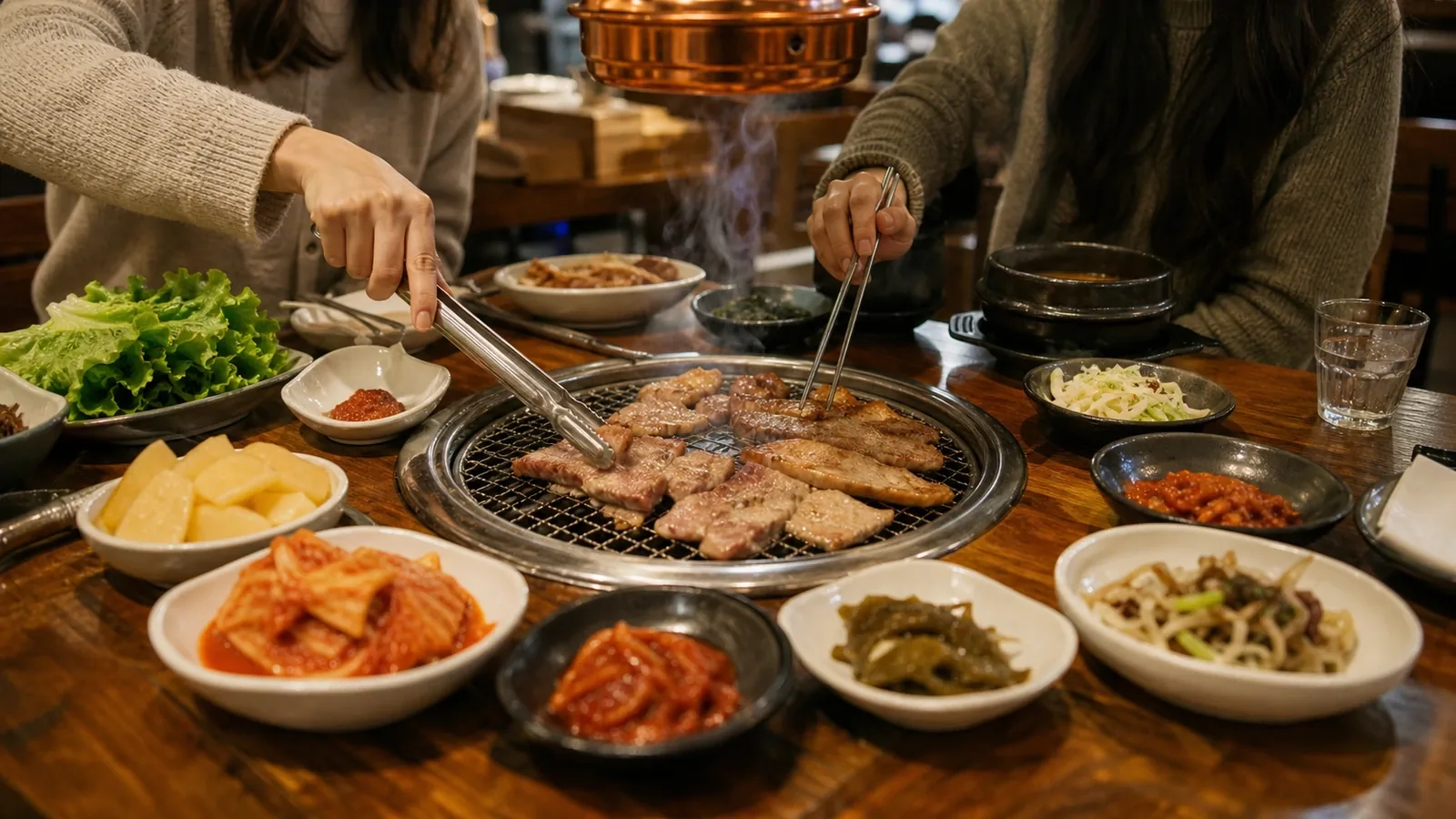
Find accommodation on BookingSamgyeopsal—pork belly—and galbi—marinated ribs—are two of the easiest ways to begin exploring Korean barbecue in Seoul. The meat is cooked at the table and wrapped in leaves with garlic, sauces and small side dishes.
It is a social, generous and fairly noisy meal. It is usually best enjoyed in a group, as many restaurants require a minimum order of two portions. For solo diners, it can feel awkward or unnecessarily expensive.
Seolleongtang, made with beef-bone broth, is mild, milky and comforting. Gomtang has a cleaner, deeper flavour. In both cases, diners usually season the soup with salt and add spring onions to taste.
These dishes are not visually spectacular. That is precisely what makes them interesting: they represent an everyday cuisine that is restrained and patient, very different from the intense flavours often associated with Korea.
Kalguksu combines knife-cut noodles with a simple, comforting broth. Naengmyeon consists of cold buckwheat noodles served either in broth or with a spicy sauce. It is particularly refreshing in summer, although its springy texture may surprise first-time diners.
Korean dishes worth trying include tteokbokki—rice cakes in a spicy sauce—eomuk—fish cake served on a skewer—gimbap, mandu and bindaetteok, a crispy mung-bean pancake.
Seoul street food is tasty and affordable, but not necessarily light. Many snacks are fried, sweet or quite spicy, so moving from stall to stall for too long can eventually overwhelm the palate.
Gwangjang is Seoul’s best-known food market. Beneath its lights, vendors serve bindaetteok, small gimbap rolls, tteokbokki, sundae and yukhoe—seasoned raw beef. The food section stays active for longer hours than many of the market’s traditional shops.
It is worth visiting for the atmosphere: steam, metal, voices, narrow stools and dishes prepared just inches from the diner. However, its fame has brought intense tourist pressure. Some stalls offer rushed experiences and less attractive prices than neighbourhood markets.
The sensible approach is to look around before sitting down, check that prices are clearly displayed and choose a stall with a steady flow of customers. Gwangjang works better as an introduction and a piece of urban theatre than as an automatic guarantee of Seoul’s best food.
Mangwon retains a more neighbourhood-oriented atmosphere. Its stalls sell dakgangjeong—glazed fried chicken—croquettes, tteokgalbi, snacks and traditional drinks. It is close to the Han River Park, making it easy to buy food and have a picnic when the weather is pleasant.
It is an especially good choice for moderate budgets, younger travellers and anyone who prefers sampling small portions without facing the crowds of Gwangjang.
Tongin is known for its lunchbox system: visitors buy traditional-style coins and exchange them for small portions at participating stalls. Common options include oil-fried tteokbokki, gimbap, chicken and small homemade dishes. The system and the café’s opening days may change, so it is advisable to check before making the journey.
The experience is entertaining and allows visitors to try a variety of foods, although it can feel somewhat organised for tourists. Its greatest advantage is the chance to combine the meal with a walk around Seochon, one of Seoul’s most pleasant historic neighbourhoods.
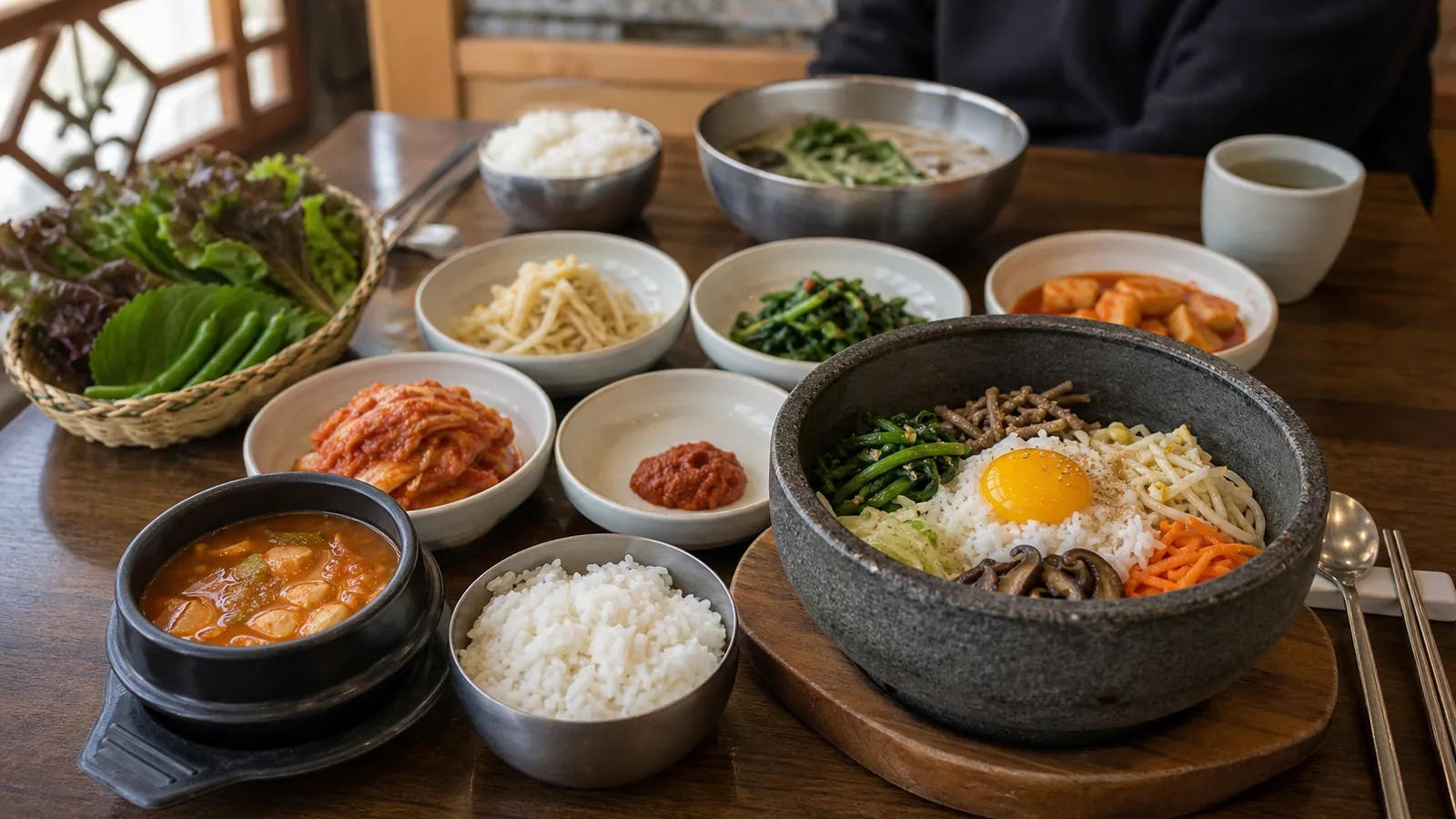
Namdaemun’s kalguksu alley is lined with narrow, steamy and straightforward stalls. Handmade noodles, barley rice and naengmyeon are served quickly and in generous portions. Finding a seat at lunchtime can be difficult.
This is not the right place for anyone seeking peace, stylish décor or leisurely service. It is ideal, however, for eating well and cheaply while surrounded by the energy of a market that still serves a practical purpose.
Seoul’s current Michelin selection includes affordable establishments as well as fine-dining restaurants. Useful names for exploring classic styles include Woo Lae Oak, known for naengmyeon; Hadongkwan, famous for gomtang; Myeongdong Kyoja, specialising in kalguksu and mandu; and Imun Seolnongtang, dedicated to seolleongtang. Geumdwaeji Sikdang is a well-known choice for pork barbecue.
These are reliable reference points, but fame comes with queues, waiting times and a less intimate experience. In Seoul, a restaurant with no international recognition can offer an equally satisfying meal. These names are best used as a compass, not as a checklist that must be completed.
The most affordable meals are usually found in traditional markets such as Mangwon or Namdaemun.
They are also common in single-dish restaurants near stations and office districts.
Gimbap, soup, mandu and noodle shops are usually affordable, quick and filling choices.
Another option is the small local eateries in Jongno, Euljiro and neighbourhoods away from the main shopping streets.
Low prices do not necessarily mean small portions. Many restaurants serve banchan—shared side dishes—along with rice or soup. Tipping is not customary in Korea, and water and basic side-dish refills are usually included in traditional establishments. Some restaurants operate on a self-service basis or use electronic ordering kiosks.
Be wary of restaurants where someone tries to lead you in from the street, menus that are excessively long and attempt to cover the whole of Korean cuisine, and stalls without clearly displayed prices.
Myeongdong has plenty of photogenic snacks, but they do not always offer the best value for money. The area is convenient for a first introduction, although it rarely provides the most personal food experience.
At markets, ask the price before ordering seafood, raw meat or portions that are not clearly listed. It is also wise not to assume that every side dish is free: basic banchan is usually included, but additional dishes listed on the menu are not.
Solo travel is not a problem at noodle, soup and gimbap restaurants or in markets. Difficulties arise mainly at barbecue restaurants and places serving shared stews, where diners may be required to order for two people.
For children, milder flavours such as kalguksu, mandu, rice, fried chicken and certain soups are easier choices. Tteokbokki is often much spicier than its appearance suggests.
Vegetarian travellers need to be careful: a dish that appears plant-based may contain anchovy broth, meat, fish sauce or fermented seafood. Neighbourhoods such as Itaewon, Hongdae and Gangnam have more vegetarian and international restaurants, but in traditional establishments it is best to confirm the ingredients explicitly.
In winter, Seoul invites diners to sit down in front of a bowl of seolleongtang, a stew or a steaming grill. The cold makes covered markets and hot soups even more appealing.
During the humid summer, cold noodles, soy-based kongguksu and air-conditioned cafés become more attractive. Eating in a crowded market can be exhausting during the hottest hours of the day.
Spring and autumn are the most comfortable seasons for combining markets, neighbourhoods and outdoor meals. In autumn in particular, a picnic with food from Mangwon beside the Han River may prove more memorable than an expensive dinner.
There is no single answer. Gwangjang offers spectacle; Mangwon, everyday life; Namdaemun, unadorned food; Jongno and Euljiro, long-established restaurants; and Mapo and Gongdeok, meat and hearty dishes. At Gongdeok Market, for example, one alley is lined with restaurants specialising in jokbal and sundae soup, some of which have been operating for several decades.
The best strategy is to alternate: a traditional single-dish meal, an evening of Korean barbecue, a food market visit and, budget permitting, a contemporary interpretation of Korean cuisine.
Seoul rewards curiosity more than obsessive planning. Sometimes the most memorable meal is not found on a famous list, but behind a steamed-up door in a restaurant where the menu is brief and the recipe has been part of the city for longer than many of its buildings.
Discover selected experiences in Seoul to complete this guide with Korean culture, food, palaces, neighbourhoods and well-organised day trips.
Activity on TourBookGoExplore this Gwangjang Market food tour in Seoul with up to 10 Korean tastings, drinks and an English-speaking guide over approximately two hours.
 Activity on TourBookGo
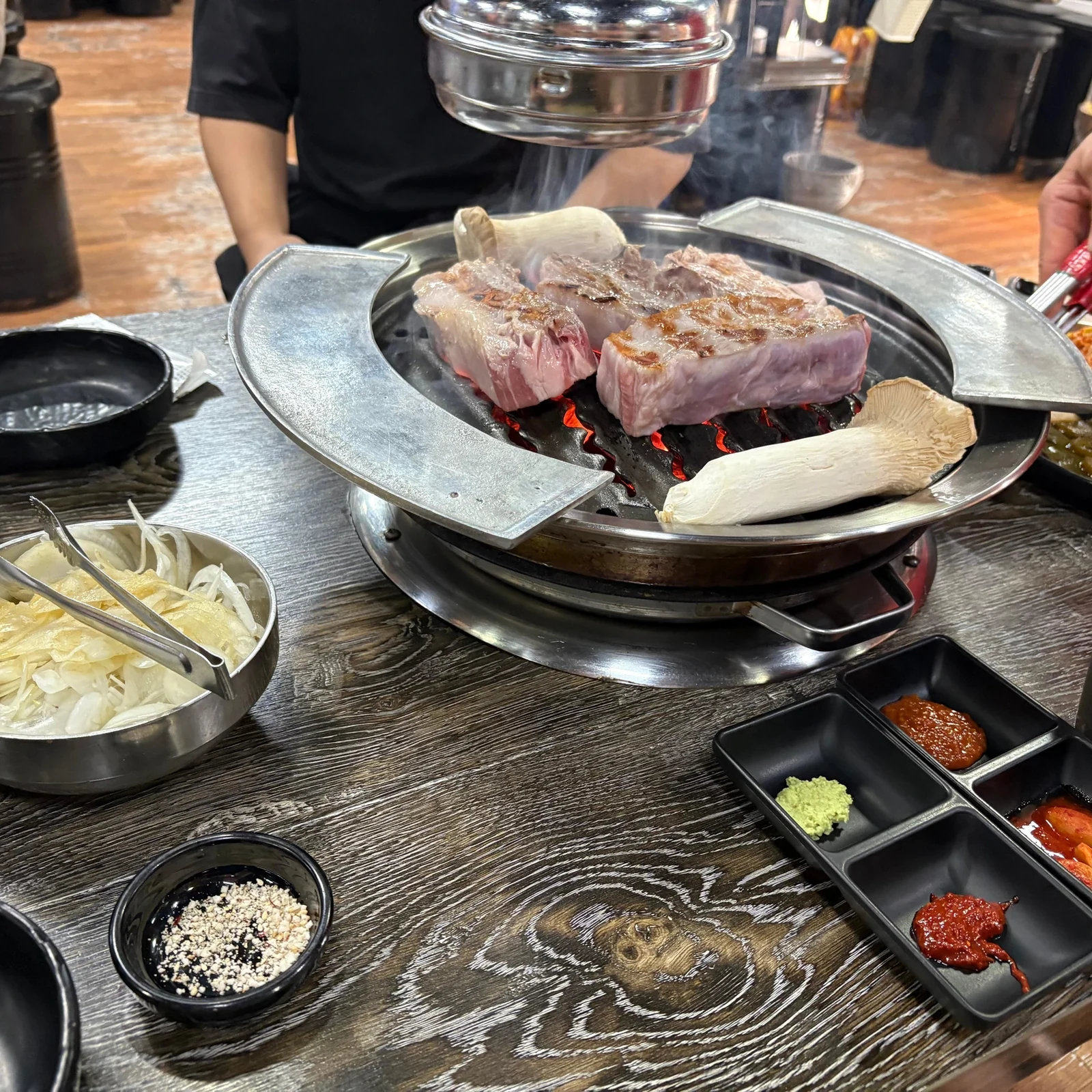
Book Korean BBQ in Seoul with a local host, included food and a restaurant selected each month. A 90-minute social meal with free cancellation.
 Activity on TourBookGo
Book a brewery tour from Seoul with transport, a museum visit, Korean lunch and fresh makgeolli tasting in a small group of up to six guests.