Before you start: choose a base for each day
The Grand Canal helps you get your bearings, but you cannot follow it on foot from end to end. Decide which bank and neighbourhood you want to explore before setting out. On a first visit, it makes sense to group San Marco and Rialto together, save Dorsoduro for another day, and leave Cannaregio, Castello or the islands for when you have more time.
Check the entry arrangements for the monuments you want to visit and decide which ones deserve a place in your day. Fill your schedule with interiors and you will barely see the city between them. Skip them all and you may come away with its façades but miss some of its history.
One day: San Marco, Rialto and one final choice
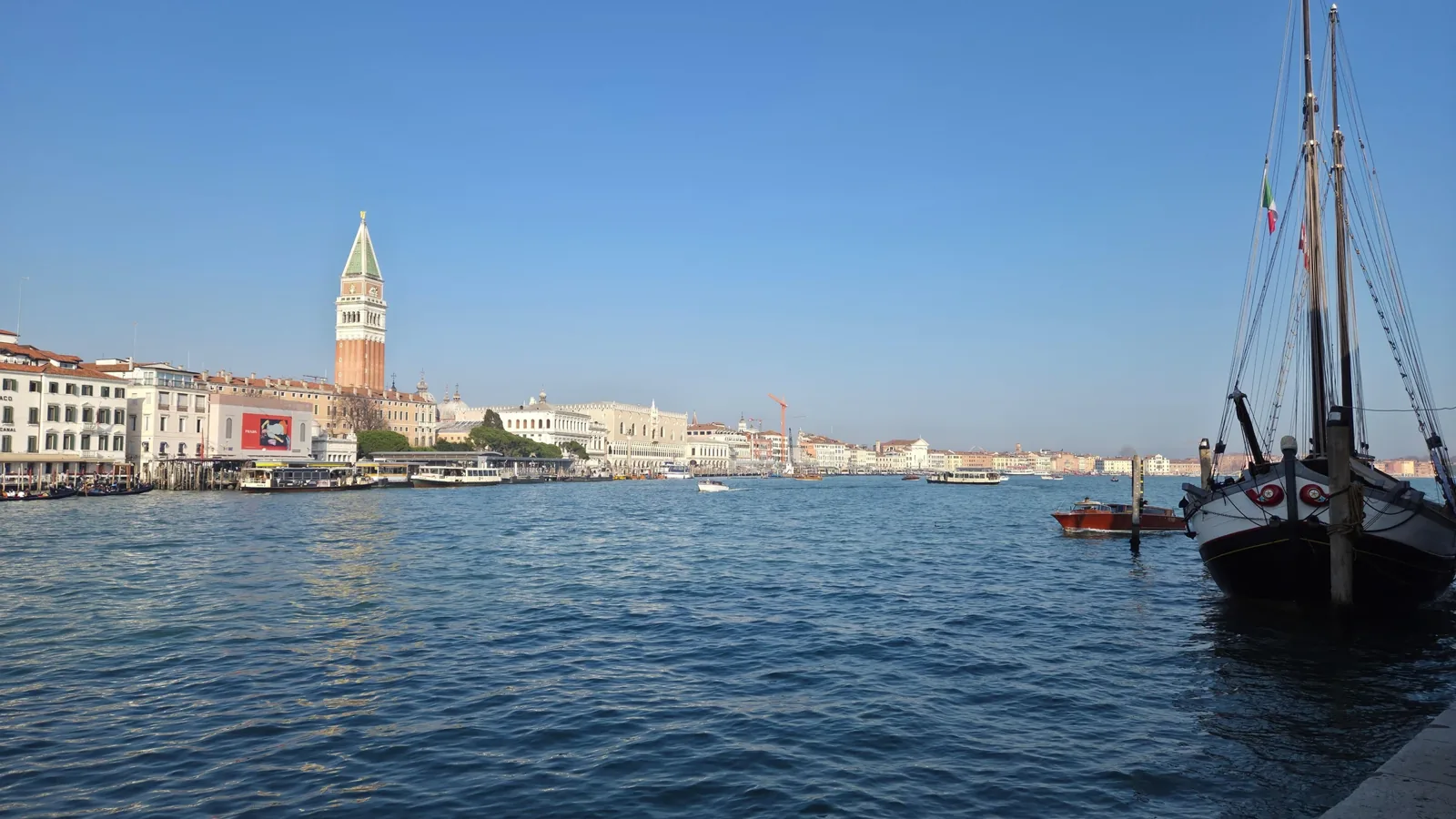
Start in St Mark’s Square and take in how the basilica, the Doge’s Palace and the lagoon sit together. Go inside one of the monuments if its architecture or history truly interests you; trying to explore both in depth and then cross half the city may leave little time to walk.
From there, make your way to Rialto through the streets connecting the two. This is a busy part of Venice, but it also shows how the routes of first-time visitors converge. At the bridge, stop to look at the Grand Canal before moving on.
For the rest of the day, make a choice: continue towards Cannaregio if you want to extend your walk into another neighbourhood, or cross to Dorsoduro if you would rather finish beside the Zattere waterfront. You do not need to do both. With just one day, choosing a stretch and paying attention to it is more rewarding than rushing from one name to the next.
Two days: give the second to Dorsoduro
If you have already seen San Marco and Rialto, begin your second day near the Accademia Bridge. Dorsoduro offers a day of art, walking and views across the water. The Accademia Galleries are an option if you want to understand Venetian painting; if you would rather keep walking, head towards the Basilica of Santa Maria della Salute and then follow the Zattere.
The question is how much time to spend indoors. Taking your time in one museum leaves room to discover the neighbourhood; adding several can reduce the day to a series of entrances and exits. Dorsoduro also offers a change of pace from San Marco: its streets and canal banks are worth exploring without constantly seeking the next major monument.
Three days: neighbourhoods or islands, depending on your curiosity
The third day offers two different plans. If you want to keep discovering the city on foot, explore Cannaregio and the area around the former Jewish Ghetto. You can then continue towards Castello, whose streets take you beyond the places that tend to dominate a first visit. This is a good choice if you enjoy the changing scale of streets, squares and canals.
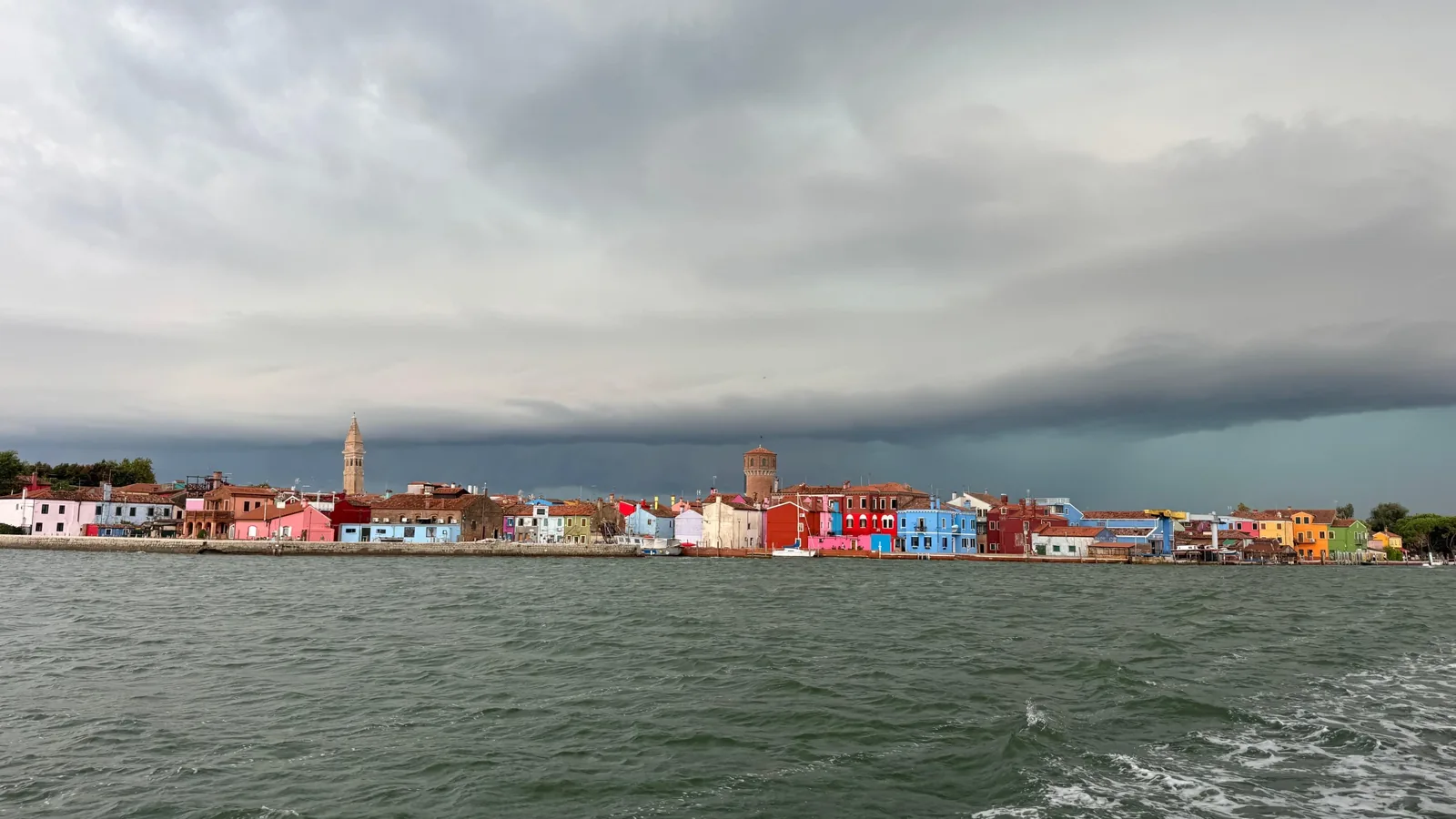
If craftsmanship appeals to you and you want to see another side of the lagoon, spend the day on the islands. Murano lets you focus on its glassmaking tradition; Burano offers a different townscape. Check transport routes before you leave, and resist adding islands simply to tick them off a map. Travel between them takes up part of the day. With three days in Venice, choosing between neighbourhoods and islands usually makes for a fuller experience than hurrying through both plans. The photo shows colourful waterside houses seen from a boat in the lagoon. It illustrates the option of spending the third day on an island such as Burano, not a required route across every island.
A week: return, compare and widen your map
With a week, you can explore San Marco, Dorsoduro, Cannaregio and Castello on separate days, alternating indoor visits with walks. You can also give Murano and Burano a day each, and consider Torcello if the history of the lagoon interests you. The Lido offers another change of scene: include it if you want to explore Venice’s relationship with the coast, rather than simply add another island.
Keep one day free of a fixed route. Return to a neighbourhood you liked, step inside a church you missed, or cross the Grand Canal to see a familiar place from the opposite bank. That flexibility also works for people who live nearby: instead of repeating the full circuit of monuments on every visit, they can choose an exhibition, an island or a single neighbourhood for a shorter outing.
Walking, taking a boat and knowing when to stop
Walking is part of a visit to Venice, but allow for the detours imposed by the canals. Water transport is useful for moving between areas or reaching the islands; for short journeys, check the map first and compare your options. Routes and conditions can change, so check them for the day you travel, especially if you depend on a connection.
Avoid planning a string of visits far apart. Leave time to sit down, eat and find the right way without watching the clock. A break is most useful when it gives you time for a visit you care about, rather than becoming another item on your itinerary.
If it rains or your plans change
Rain may be a chance to spend longer in a museum or inside a monument you had kept as an option. The Accademia Galleries and the Doge’s Palace suit different interests: choose according to whether you want to explore art or the city’s political history. Check visiting arrangements beforehand.
If bad weather disrupts an island day, swap it with a day in the city if your trip allows. And if a neighbourhood holds your attention longer than expected, stay. An itinerary should help you decide, not force you to leave a place just to reach the next one.